2611 35th Street
Twenty20 & Co Inc


Jun 9, 2026
"Designed to tell the real story."
⚠️ Tap Here
⚠️ Property Specs

elements


|
Jun 9, 2026 |

|
2611 35th Street Calgary, Alberta |

|
Detached INFILL |

|
Partly Sunny 15°C |

|
Site Super |

|
Lucas Kirsch MHB, MHI |

|
John Liwag Not Applicable Not Applicable 4038703615 |

|
Not Applicable |

|
8:50AM Start Time |
method
This inspection is a visual, non-invasive review using normal controls & accessible areas.
We follow a consistent path through all major systems. Findings are structured for clarity so you understand what’s there, what needs attention & what to do next.
Each item lists the component or system, issue defect, recommended action & summary note.
Built to eliminate doubt.
"Turning information into decisions you can trust."


thank you
Thank you for choosing us for your inspection. We truly appreciate your trust.
I will be your primary contact & will do everything I can to ensure you are completely clear on today’s findings.
Please feel free to reach out at any time if you have questions or need further clarification. We’re always happy to help.
Kind Regards,

Lucas Kirsch
stuff.
A property inspection evaluates visible, non-exhaustive conditions & records findings in report form Inspectors examine readily accessible systems & components using a visual, non-invasive method & operate equipment using normal controls when possible. Components, issues, actions, location, trade & summary may be noted. Conditions reflect time of inspection only. Inaccessible or unsafe areas are not inspected (not accessible)
⚠️ We encourage you to read our Standards of Practice (SOP’s), scope, disclamers & limitations. The SOPs outline the scope of the inspection, the systems reviewed & the limitations that apply. They provide the framework inspectors follow to evaluate properties & communicate findings consistently. This structure helps ensure inspections are performed using a clear, proven, nationally recognized standard. Full details by clicking the logo. 🔻🔻🔻

The difference between something good and something great is attention to detail.
legends
 |
It’s a snap! Here are some key terms you’ll see throughout. |
| Iconography | Used for clarity. |
 |
Immediate Attention |
 |
Attention |
| Not Inspected | Limitations. |
| Hand Gestures | Universal. |
| Issue: | Identify the problem if there is one |
| Action: | Recommended path to address the issue |
| L: | Location where it is found |
| T: | Typical Tradesperson |
| R: | Reason why it wasn't inspected |
| $ / $$ / $$$ |
summary
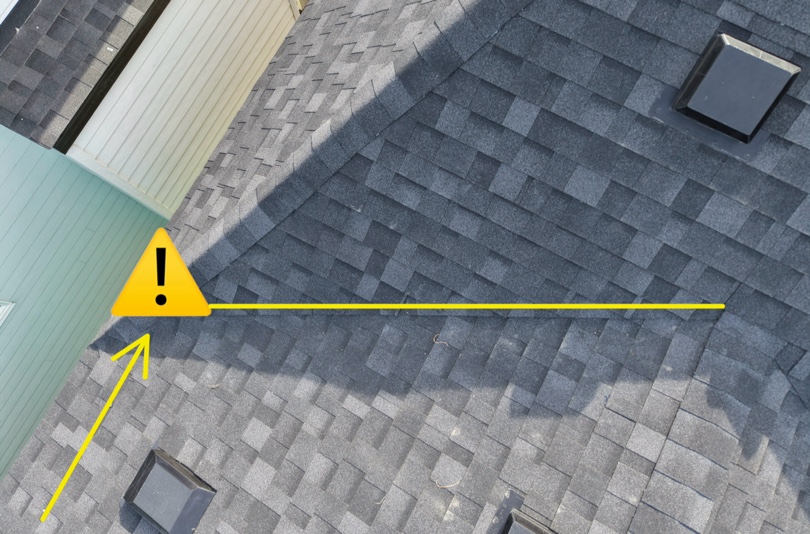
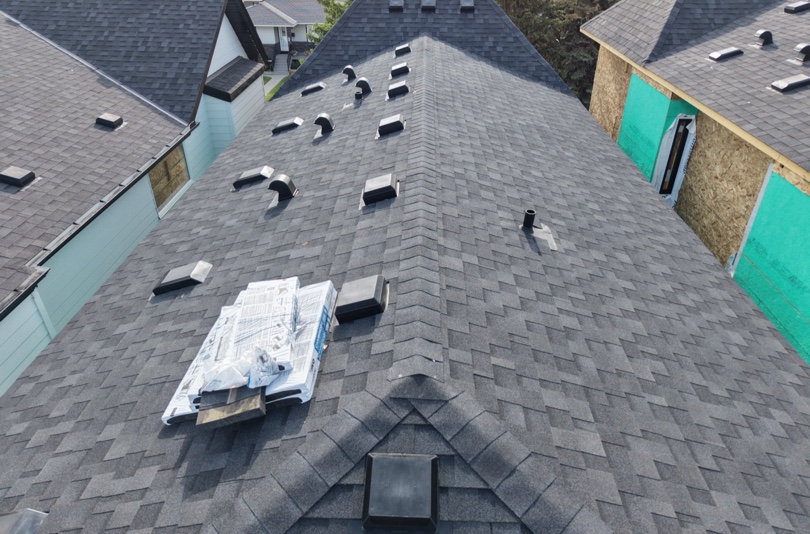
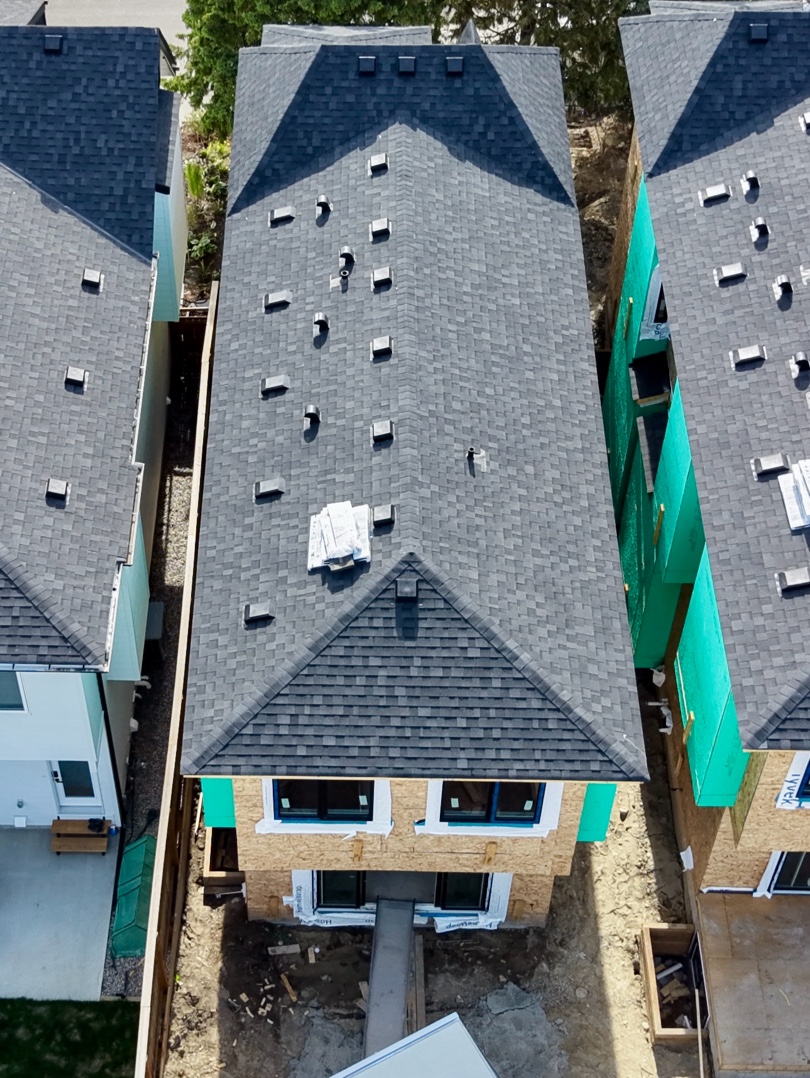
A design flaw was observed at the front roof valley. This condition may affect long-term water management and should be addressed in a timely manner. Recommend further evaluation and repair by a qualified roofer.
The side yard grade was identified as a risk condition. Improper grading may contribute to significant drainage-related concerns if not corrected. Recommend prompt evaluation and filling where required.
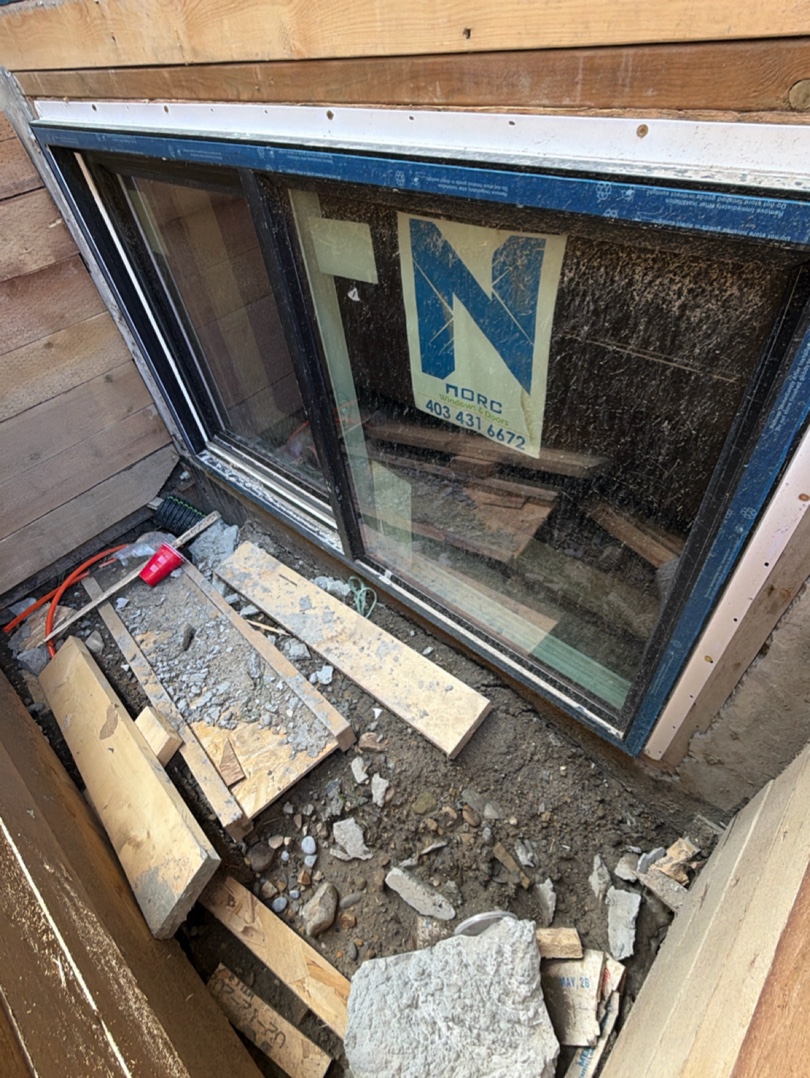
The basement window well in the sideyard contained debris and was affected by high surrounding grade. Drainage performance may be reduced over time. Recommend cleaning the area and lowering grade as needed.
General exterior observations were documented during the inspection. Refer to the associated findings for specific conditions, implications, and recommended corrective actions.
summary
The attic hatch was missing or not installed at the time of inspection. This condition may limit proper attic access and completion. Recommend installation or replacement of the missing component.
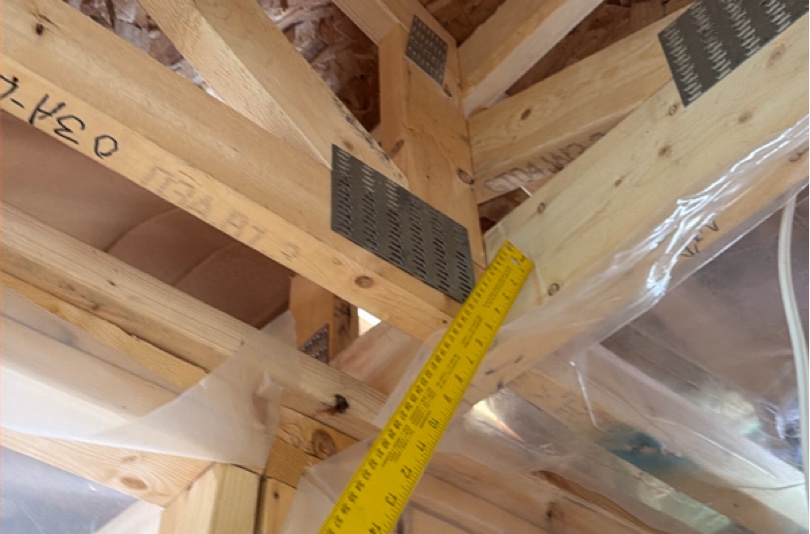
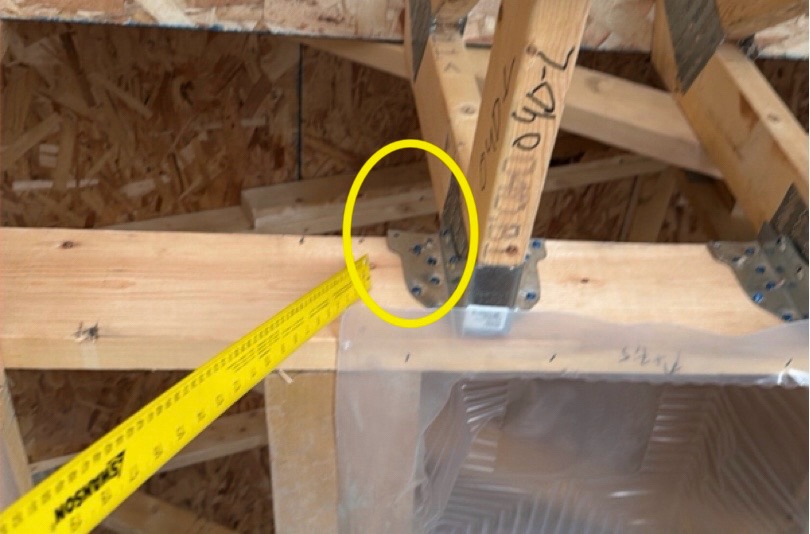
Missing hangers were observed at a truss or beam connection in the master bedroom. This condition may affect the intended connection support. Recommend improvement and installation by a general contractor.
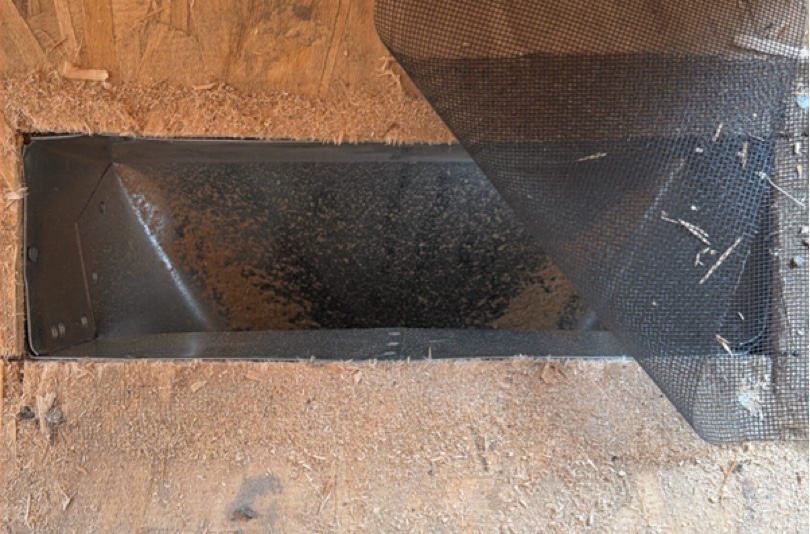
Multiple attic baffles were loose or unsecured. Displacement may reduce intended attic airflow and ventilation performance. Recommend securing and improving the affected baffles.
Truss hangers were observed with missing fasteners. Incomplete fastening may reduce the intended performance of the connection. Recommend securing the hangers with appropriate fasteners.
General attic observations were documented during the inspection. Refer to the associated findings for specific conditions, implications, and recommended corrective actions.
summary
Four window cranks were stripped and did not operate as intended. This condition may limit normal window function and adjustment. Recommend repair or replacement of the affected components.
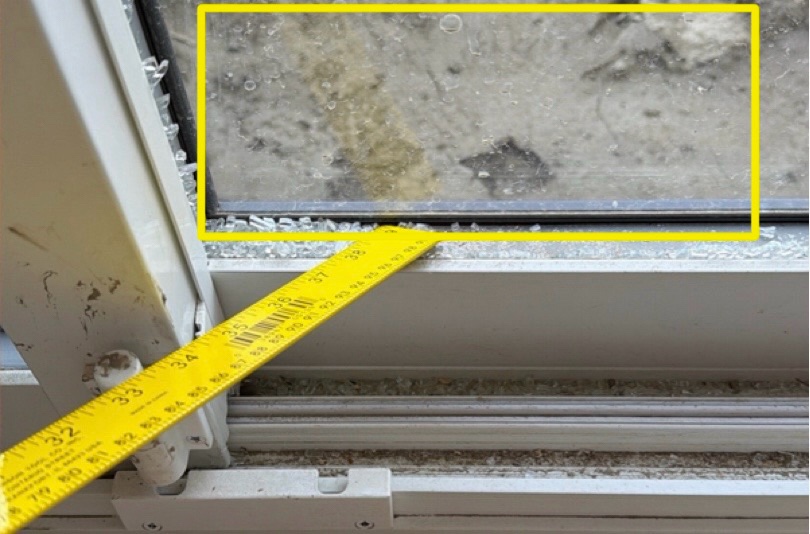
Broken glass was observed at the patio door assembly. Damaged glazing may affect operation and overall performance. Recommend replacement of the affected glass component.
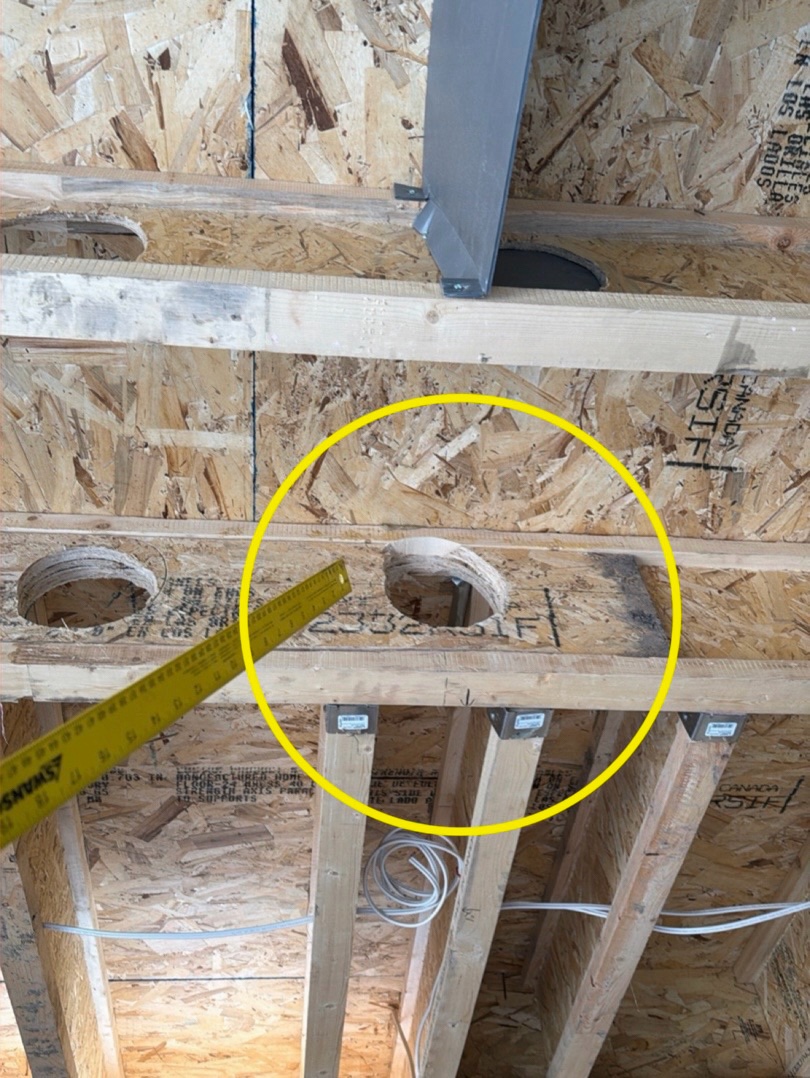
The top chord of a second-floor joist in the living room had been cut. Alterations to engineered framing may affect intended structural performance. Recommend further evaluation and repair.
General interior observations were documented during the inspection. Refer to the associated findings for specific conditions, implications, and recommended corrective actions.
summary
General laundry area observations were documented during the inspection. Refer to the associated findings for specific conditions, implications, and recommended corrective actions.
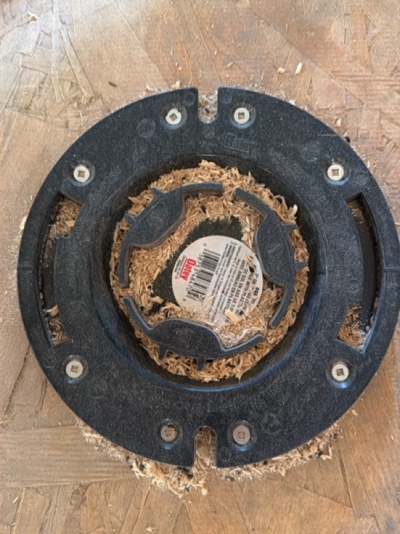
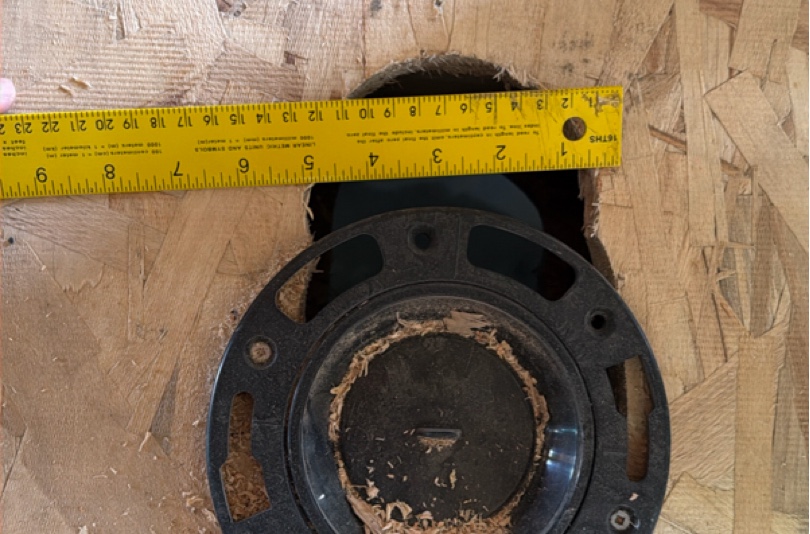
The floor opening around the toilet flange was overcut, leaving a void. This condition may affect support and finish installation around the fixture. Recommend correction and verification.
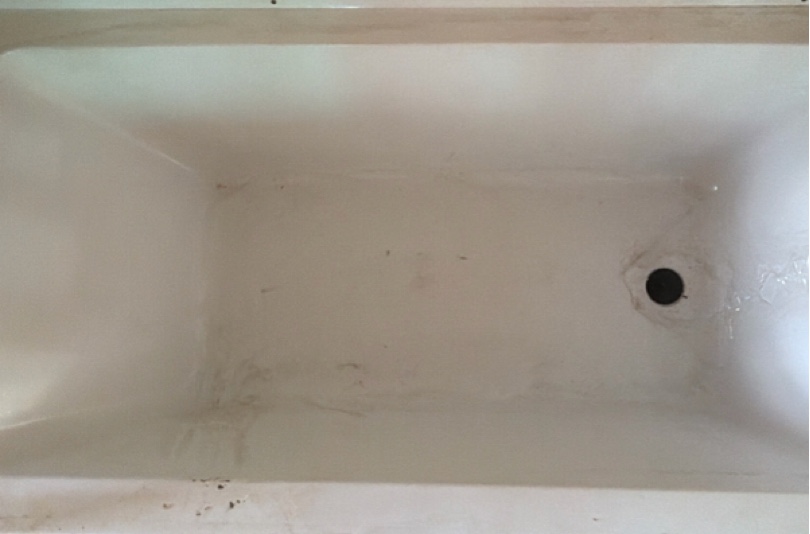
Tub surfaces were unprotected during construction activities. Continued work may increase the likelihood of cosmetic damage before completion. Recommend installing protective covering with OSB or equivalent material.
Metal nail guards were missing at drain locations. Unprotected plumbing components may be more susceptible to damage during finishing work. Recommend installing protective nail guards.
summary
The shower light was observed laying loose and not roughed into a box. This condition may affect proper fixture installation. Recommend routing the wiring into an approved box.
General bathroom observations were documented during the inspection. Refer to the associated findings for specific conditions, implications, and recommended corrective actions.
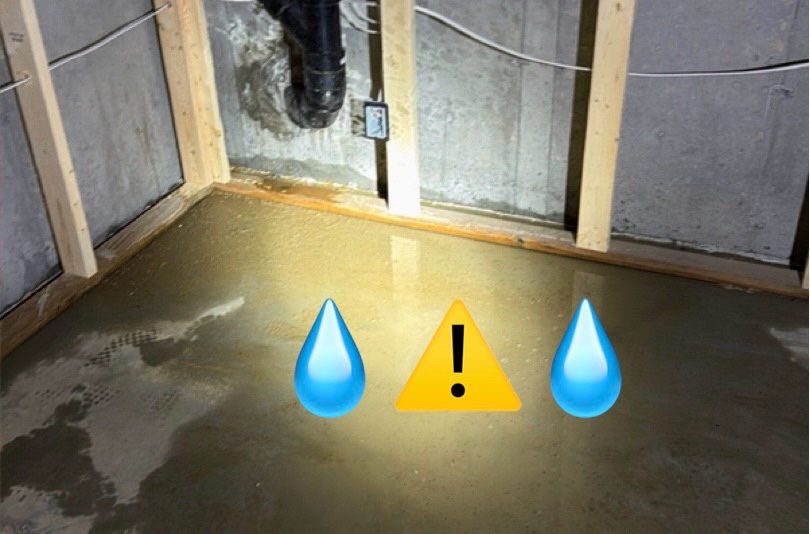
An active leak was observed at the basement slab area. Ongoing moisture intrusion may affect nearby materials and finishes. Recommend further evaluation and repair.
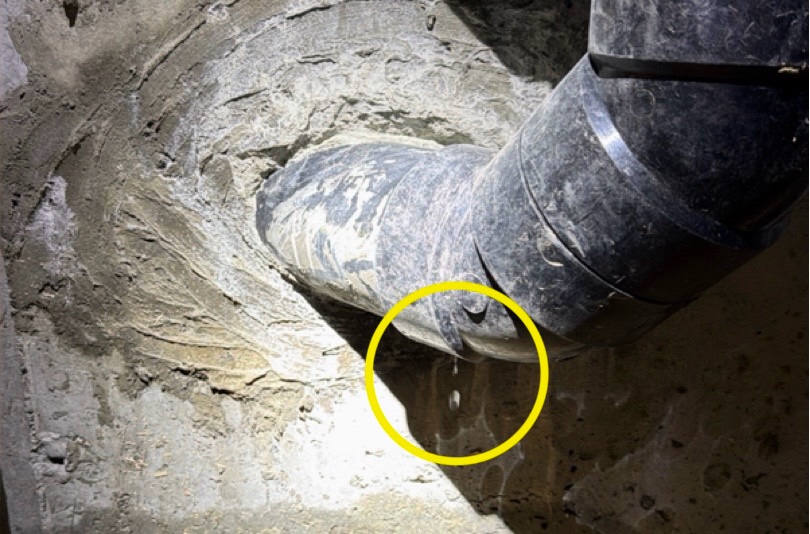
Active leakage was observed at the city sewer connection. Continued moisture exposure may affect adjacent materials and conditions over time. Recommend further evaluation and repair.
summary
The radon rough-in was located beneath the stairs in a less accessible area. This location may complicate future mitigation installation if required. Recommend evaluating relocation options.
General mechanical observations were documented during the inspection. Refer to the associated findings for specific conditions, implications, and recommended corrective actions.
| R BACK TO SUMMARY |

|
|
|
|
Roof Observations - (1)
~
Roof Observation - (2)
⠀ ⠀
|
|
|
Roof Observation - (3)
⠀ ⠀ ⠀
Roof Observation - (4)
⠀ ⠀ ⠀
|
|
|
Roof Observation - (5)
⠀ ⠀ ⠀
Roof Observation - (6)
⠀ ⠀ ⠀
|
|
⚠️ Roof Observations
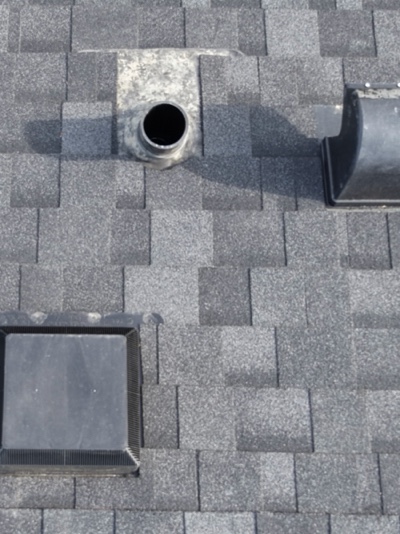
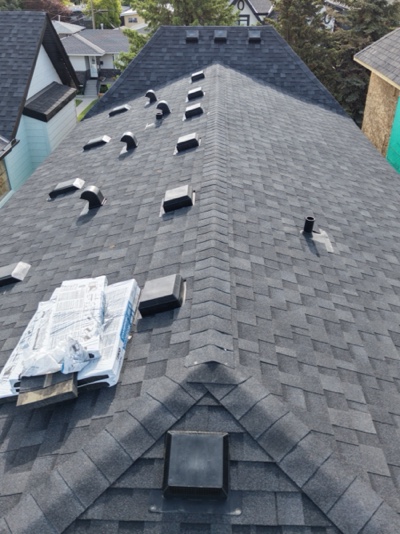
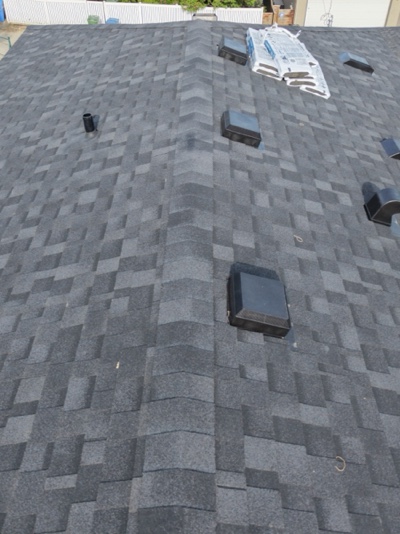
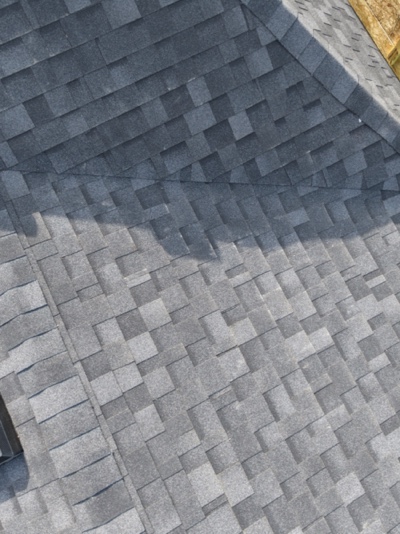
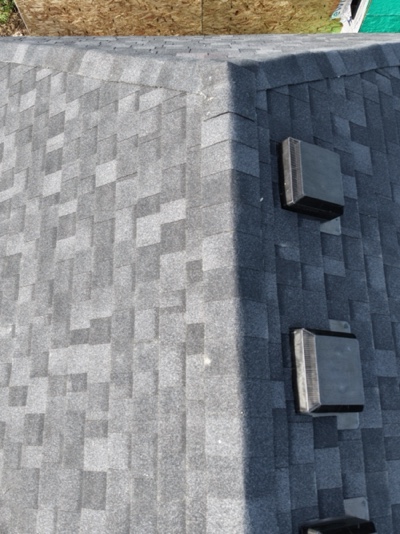
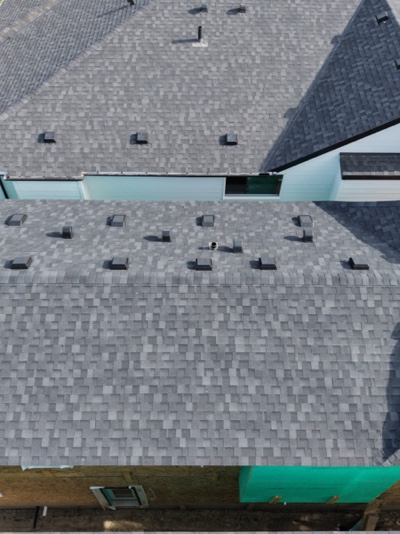
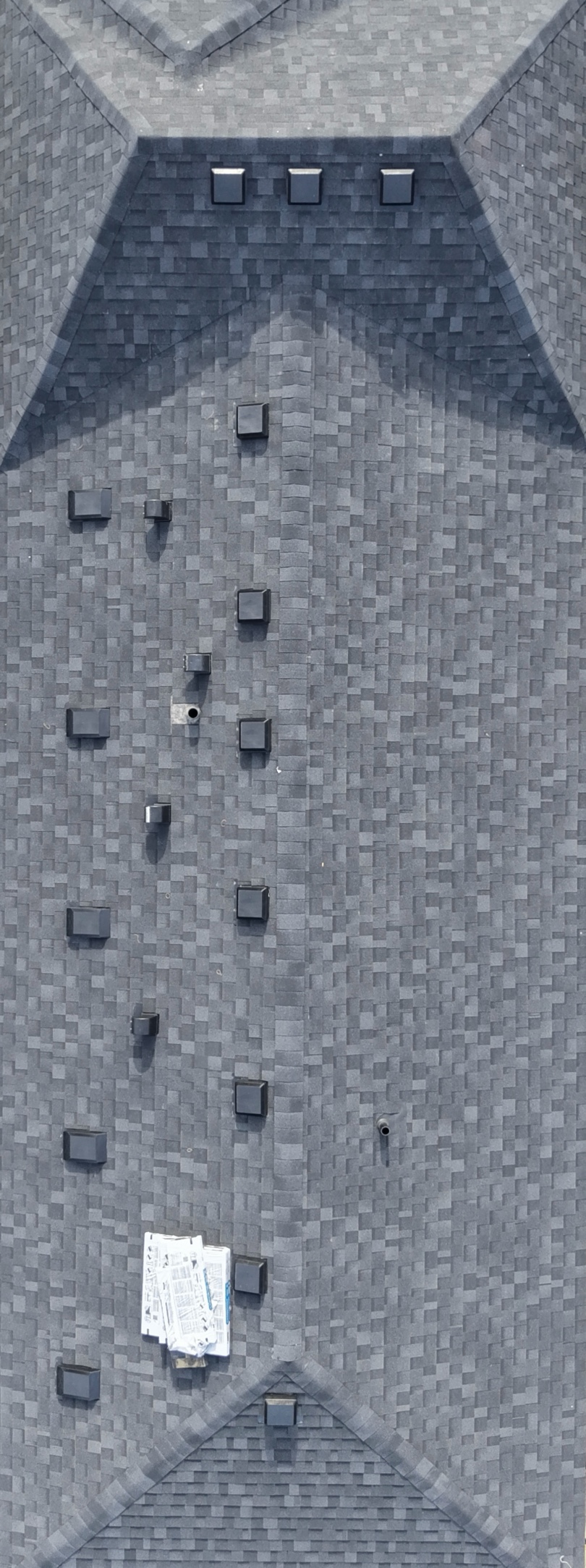
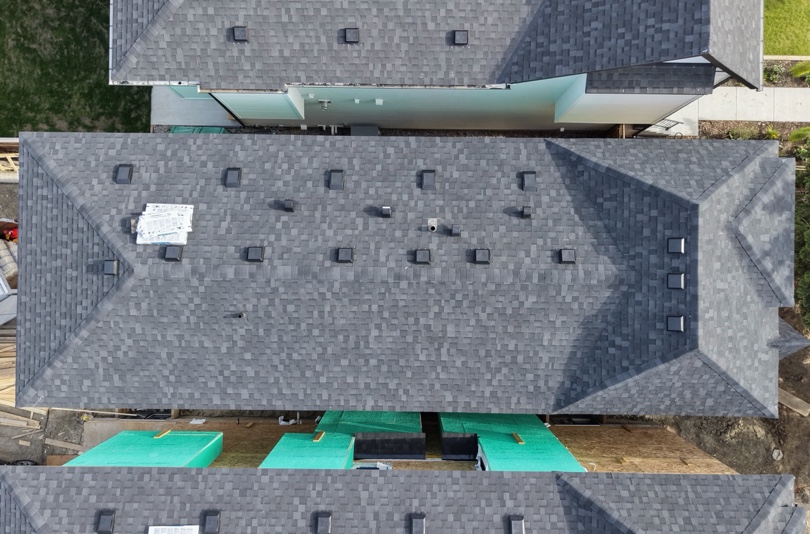
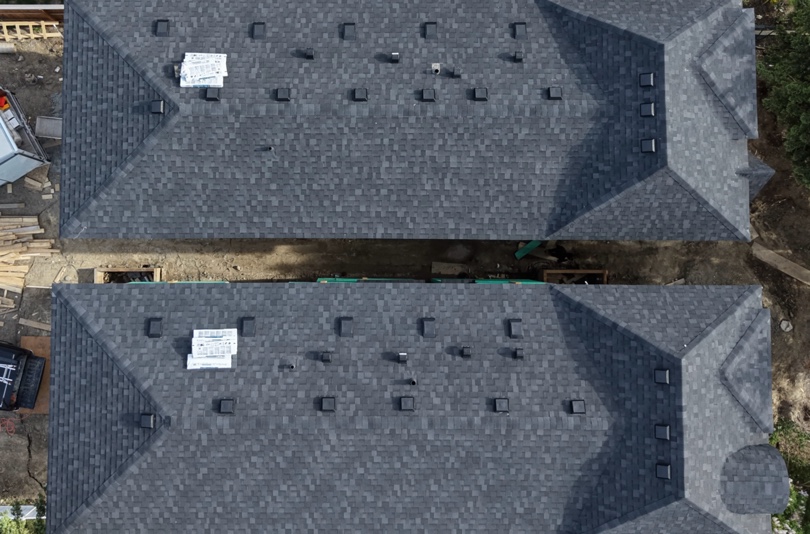
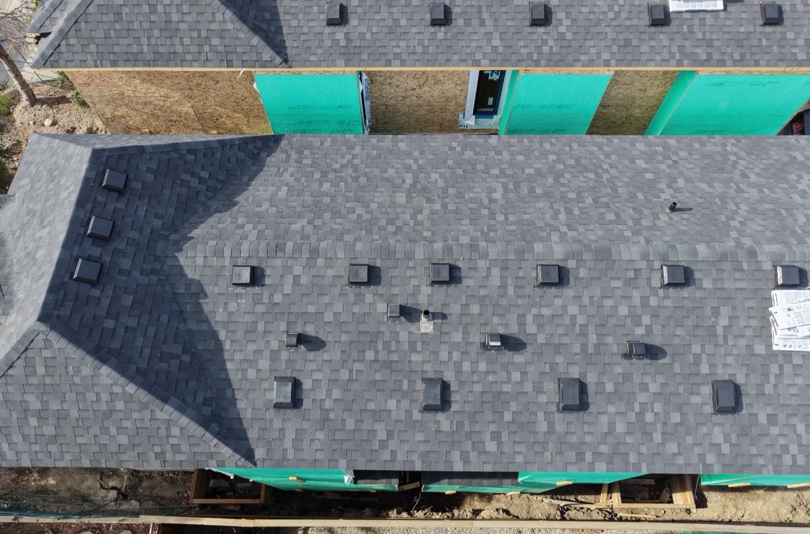
1. Surface Materials: Minor cosmetic variations typical for new construction.2. Sealants: Minor shrinkage and settlement may occur over time. 3. Gutters/Drains: Monitor for debris accumulation and proper drainage flow. 4. Hidden Areas: Concealed roofing components were not fully visible at the time of inspection. 5. Roof Utilities: Rooftop components appeared typical for age and installation stage. 6. Roofing debris and shingle material were observed on the roof surface. Removal is recommended as part of final construction cleanup. 7. Temporary roof cleats remain in place. Removal and sealing of all fastener penetrations with an appropriate roofing sealant is recommended. 8. The roof valleys do not incorporate metal valley flashing. While the roof is new and no active leakage was observed, metal valley flashing is considered a good roofing practice and may provide improved long-term water management. 9. A curved valley-to-gable transition was observed. This area may be more susceptible to water accumulation, ice damming, and potential moisture intrusion. Monitoring is recommended, and consultation with the roofing contractor is advised regarding additional protection measures if concerns arise.
End Statement:
Minor settlement and material movement are common on new builds. Routine monitoring, maintenance, and seasonal review of roofing and drainage components are recommended.
|
|

|
|
|
|
|
|
|
|
|
|
|
|
|
|
|
|
|
|
|
Rear Vantage
|
|
| E BACK TO SUMMARY |

|
|
|
|
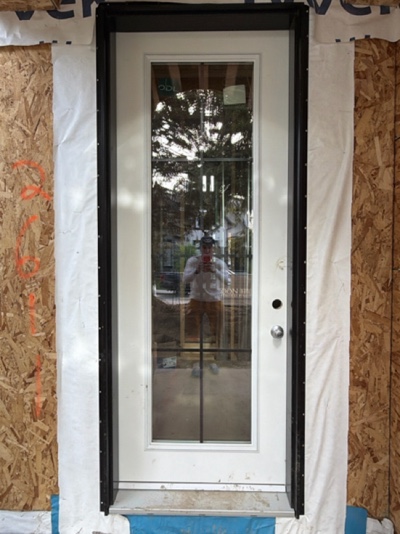
Exterior - Entry Door(s)
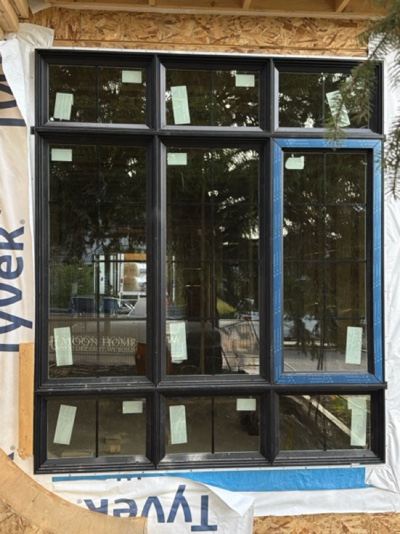
Window(s) & Trim-Casing(s)
|
|
|
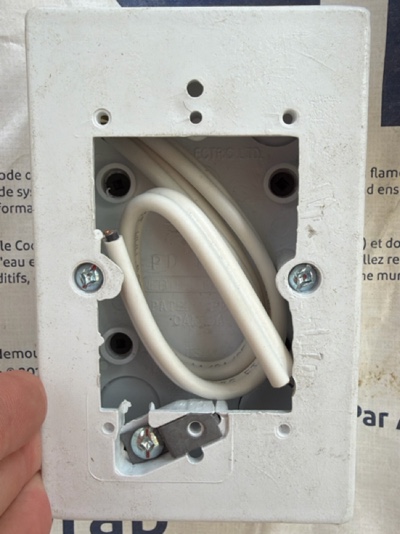
Outlet Rough-In(s)
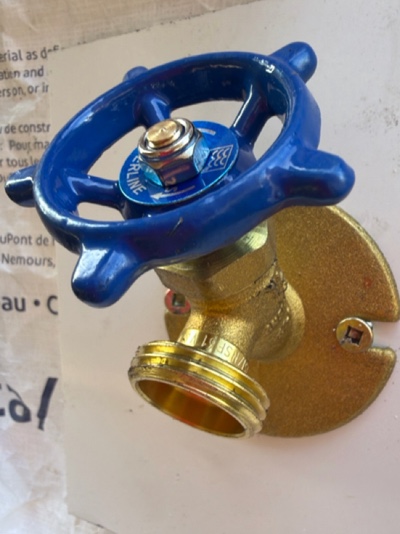
Exterior Faucet Rough-In(s)
|
|
|
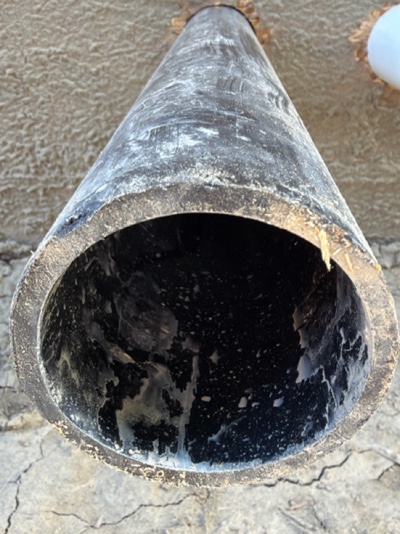
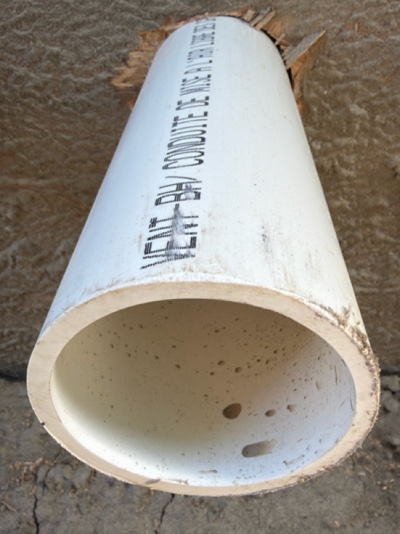
Additional Vent(s)
Furnace and hot water tank vent terminations are too close to grade. Recommend correction to reduce blockage risk. ⠀⠀⠀⠀⠀⠀⠀⠀
|
|
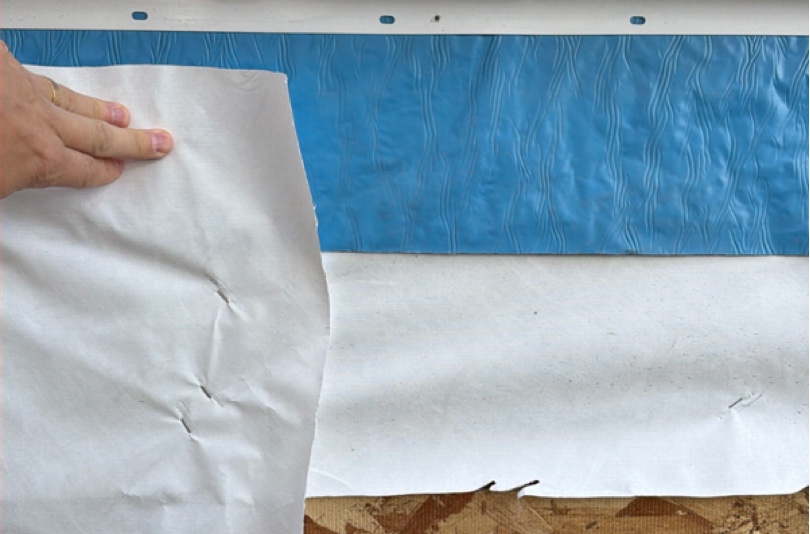
House Wrap
|
|
|
Foundation & Structure
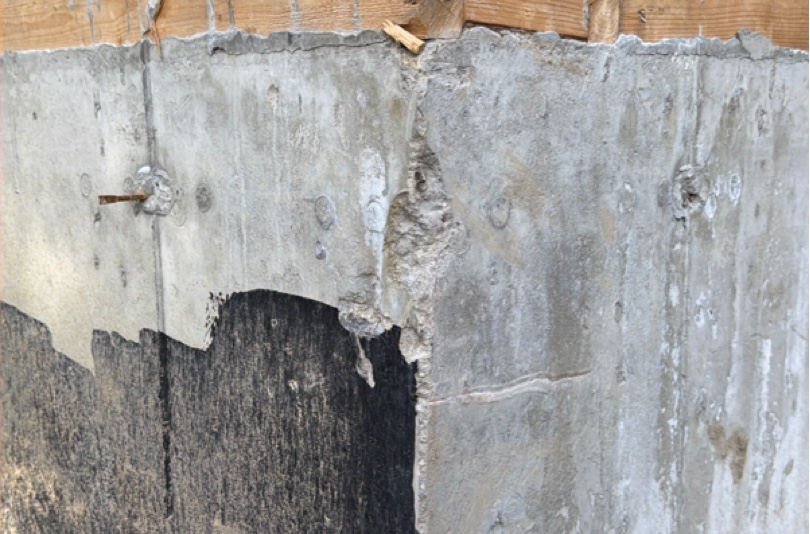
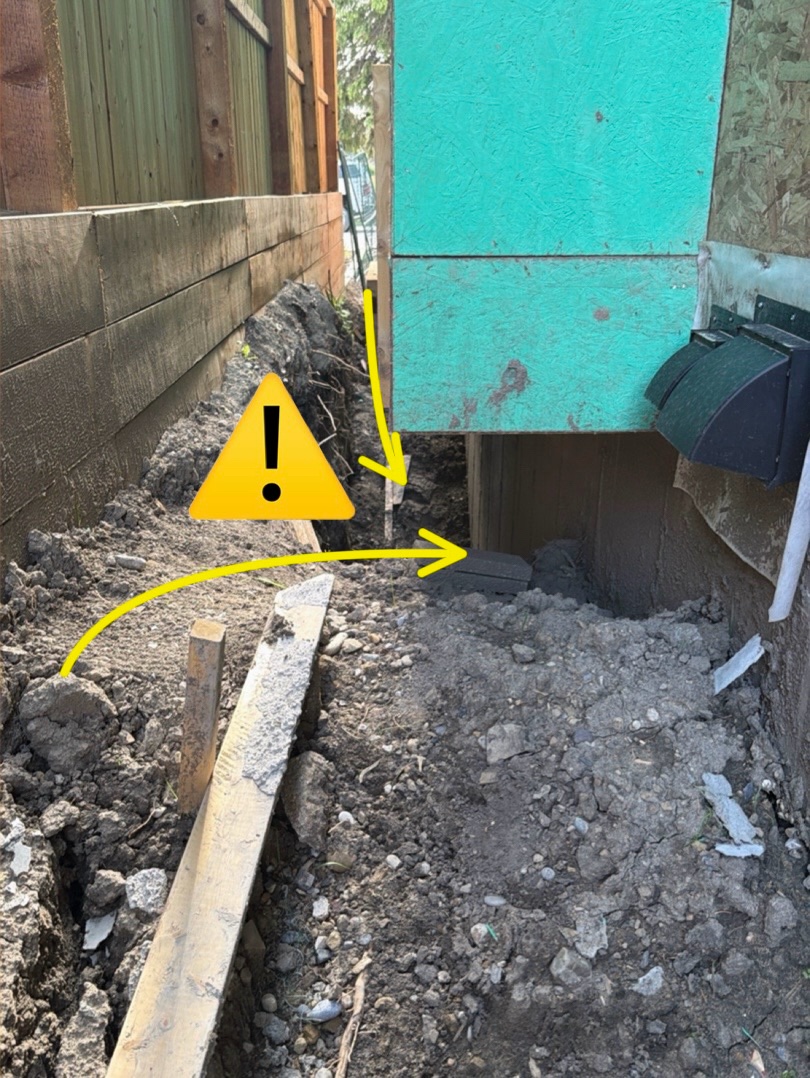
Minor Chips (Typical at this stage but be careful at backfill asepecially at the side yard.)
|
|
|
Foundation Wrap / Waterproof
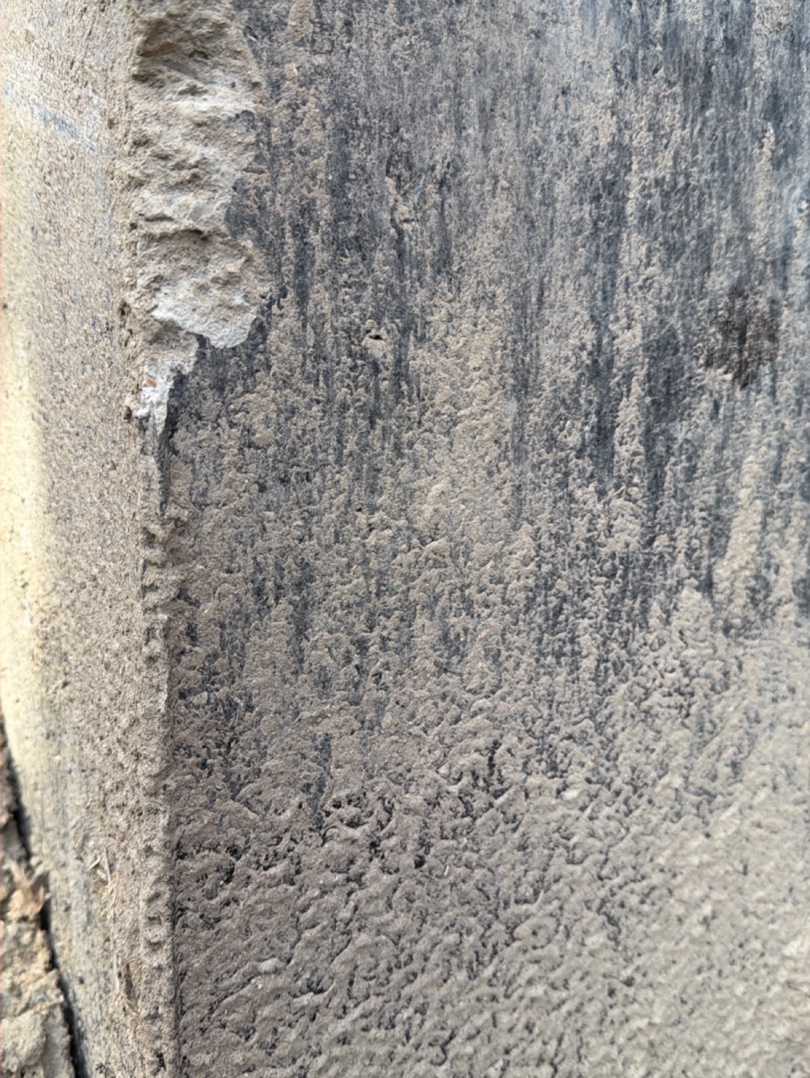
A thin-applied foundation coating was observed. The effectiveness and compliance of the installed moisture protection system could not be determined during the inspection. Verification with the builder regarding the waterproofing/dampproofing specification is recommended.
|
|
|
|
|
|
|
|
|
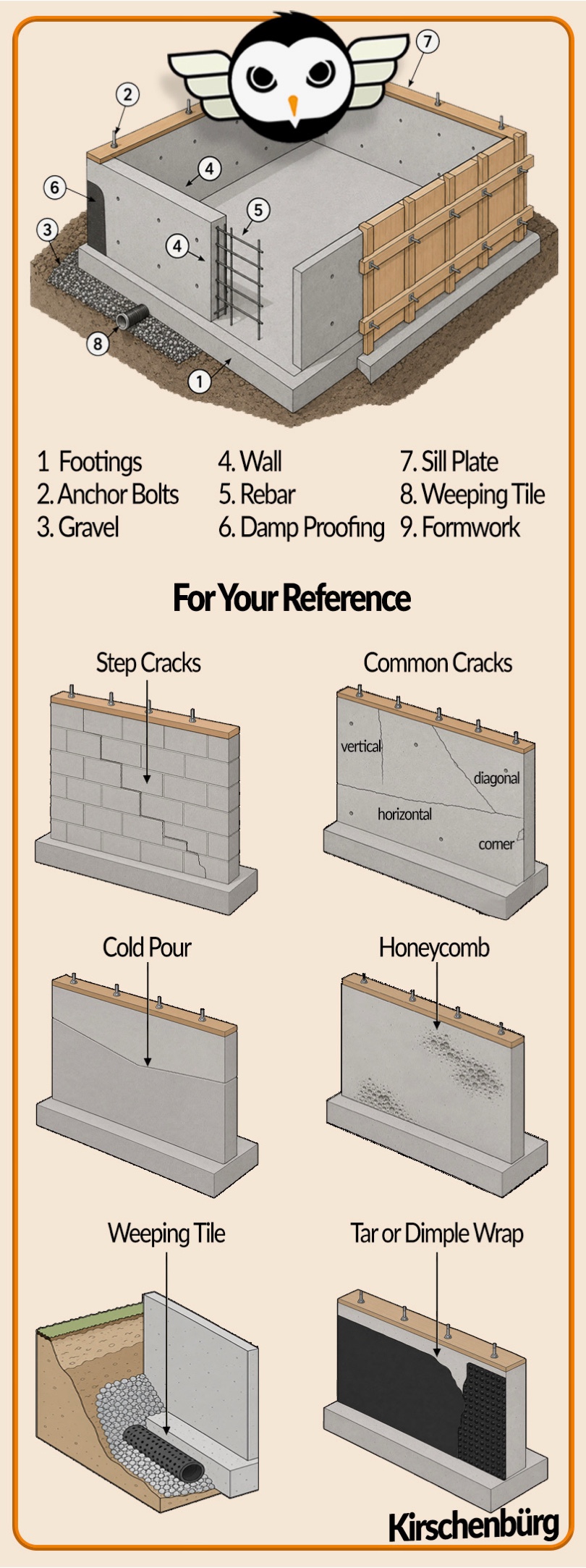
Foundation Structure Ref. 1
The foundation system is designed to transfer structural loads safely from the home into the supporting soil below. Footings, foundation walls, anchor bolts, sill plates & reinforcing components work together to distribute structural weight, resist settlement, and maintain overall stability throughout seasonal movement & changing ground conditions.Foundation components such as rebar, wall reinforcement, bearing points & concrete connections help reduce movement, deflection, cracking & concentrated stress throughout the structure. Proper fastening methods, formwork, curing practices & reinforcement installation all contribute to the long-term performance & rigidity of the foundation assembly. Drainage & moisture control systems including gravel beds, damp proofing, tar coatings, dimple wraps & weeping tile systems are designed to help manage groundwater, reduce moisture intrusion & direct water away from the structure. Minor cracking, surface imperfections & cold pour lines may be observed in concrete foundations and should be monitored for signs of ongoing movement or deterioration. |
|
|
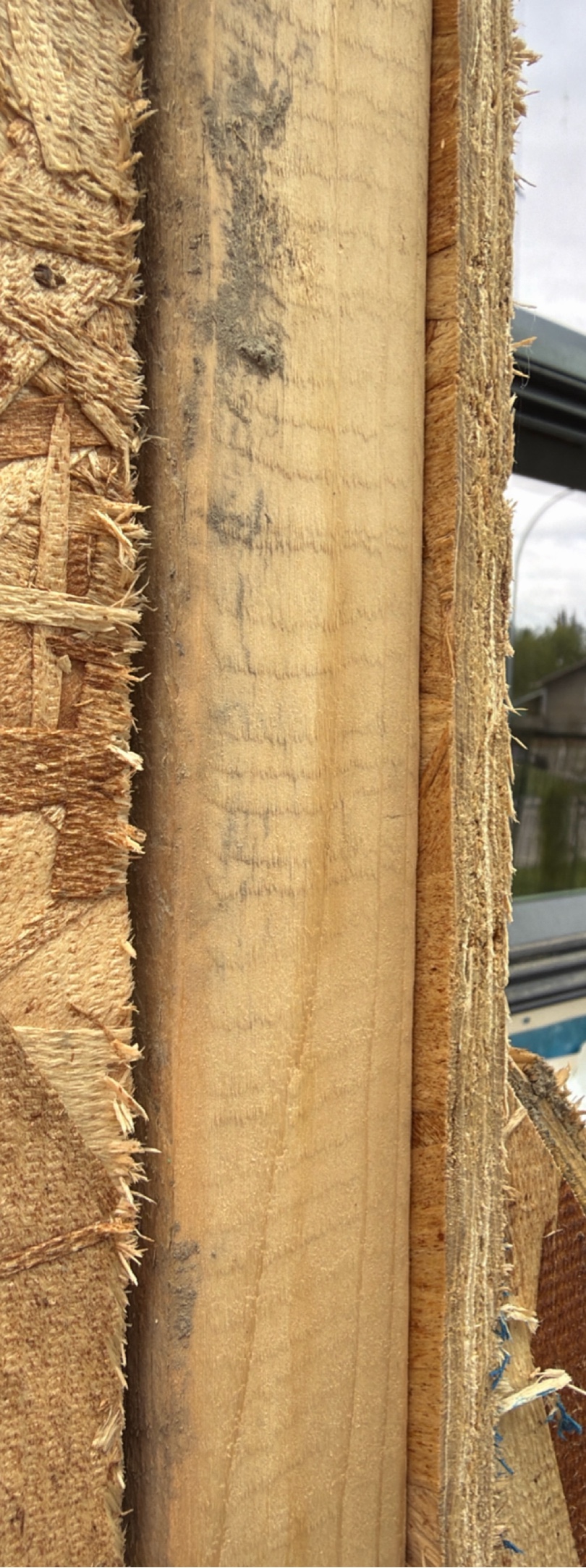
2 Grading, backfill, and safety concerns noted along the north side; ensure proper drainage away from the foundation. 3 OSB installed behind basement window flanges; verify approved materials and installation. 4 Fasteners installed through lower window membranes; correct as required. 5 South side entry door missing flange fasteners. 6 Gas service mast support is missing and requires installation. 7 Exterior sheathing is loose and lacks adequate fastening in multiple locations. 8 Missing fire-treated OSB at the northeast projection. 9 Sheathing pulling away at the north-side projection. 10 Four floor joists at the second-floor projection were cut short and require correction. 11 Evidence of insect activity at the second-floor north-side belly band. 12 Front entry arch support posts should be pressure-treated where in contact with concrete. 13 Front feature window wrap at the northeast elevation may trap water; revise flashing details. 14 Front entry arch detail at the right side of the stoop requires flashing clarification. 15 OSB sheathing at the northeast front corner requires trimming and detailing. |
|
| A BACK TO SUMMARY |
|
|
|
|
Support Photo
|
|
Sheathing - Roof Deck
|
|
|
Roof Structure ⠀
|
|
|
|
|
|
|
|
|
|
|
|
|
|
|
Roof Ref. 1
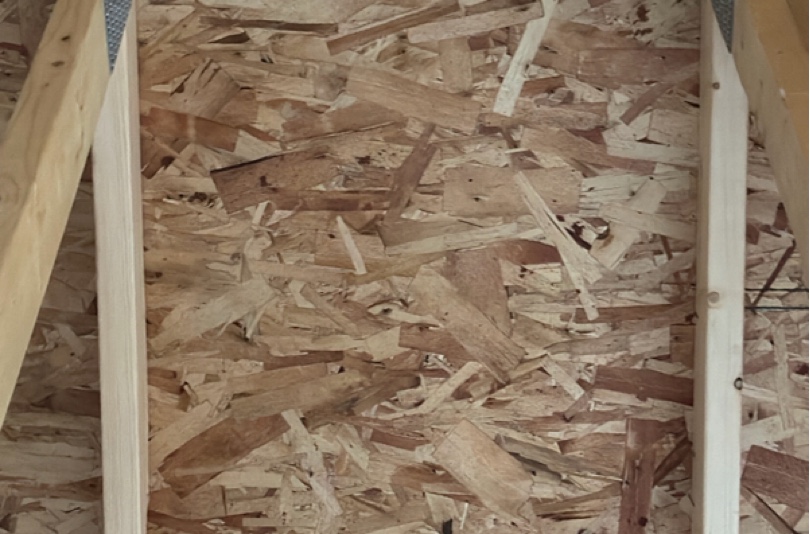
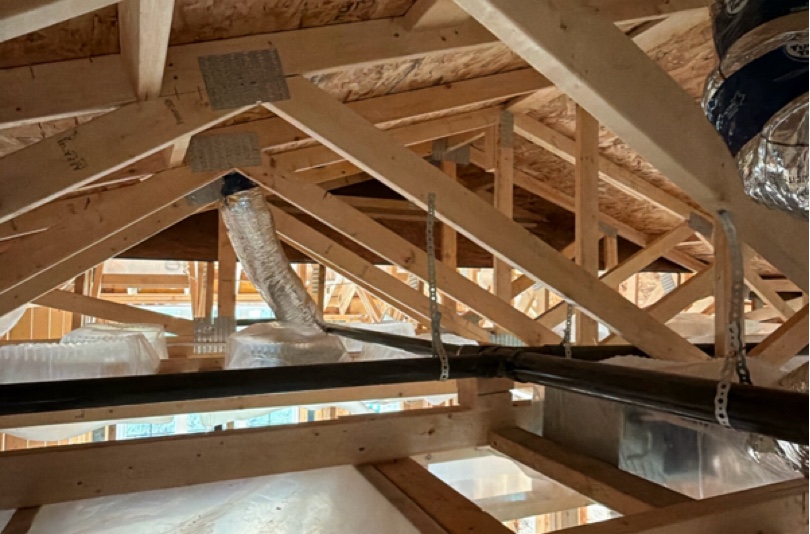
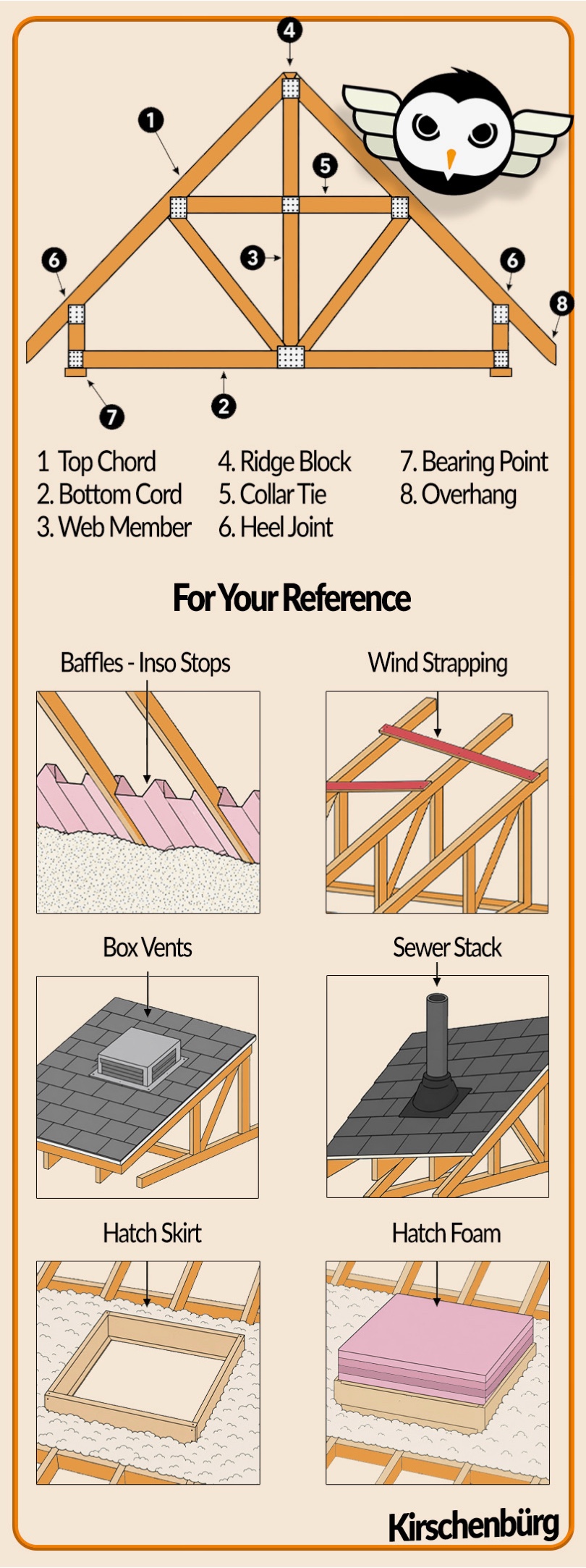
The roof system is designed to transfer loads safely from the roof covering through the framing system into the supporting walls & foundation. Rafters, trusses, ridge members, collar ties, ceiling joists & bearing points work together to distribute dead loads, live loads, snow loads, wind forces & seasonal movement while maintaining structural stability & alignment.Roof framing components such as top chords, bottom chords, web members, heel joints, overhangs & ridge connections help reduce deflection, uplift movement, twisting & concentrated stress throughout the assembly. Proper fastening methods, bracing, connector plates & bearing supports all contribute to the long-term rigidity & performance of the structure. Ventilation components including baffles, roof vents, soffit ventilation & attic airflow pathways help regulate moisture, heat buildup & condensation within the attic space while contributing to improved thermal efficiency & overall roof performance. |
|
|
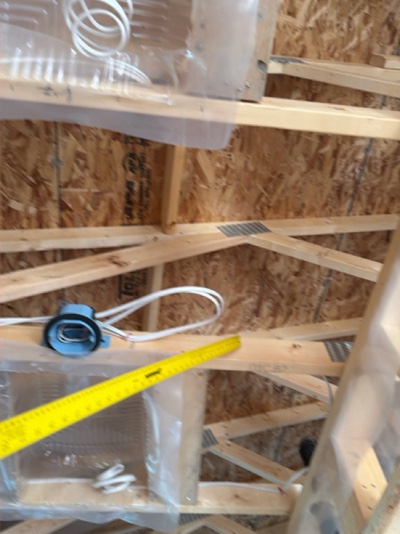
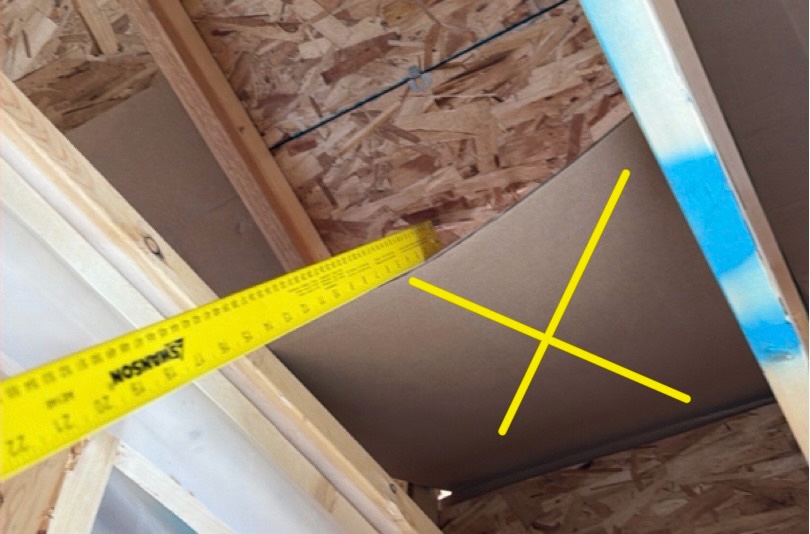
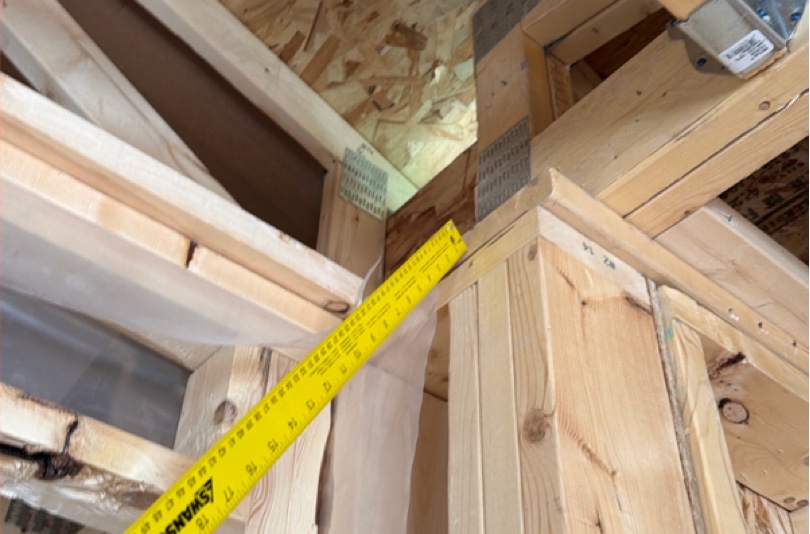
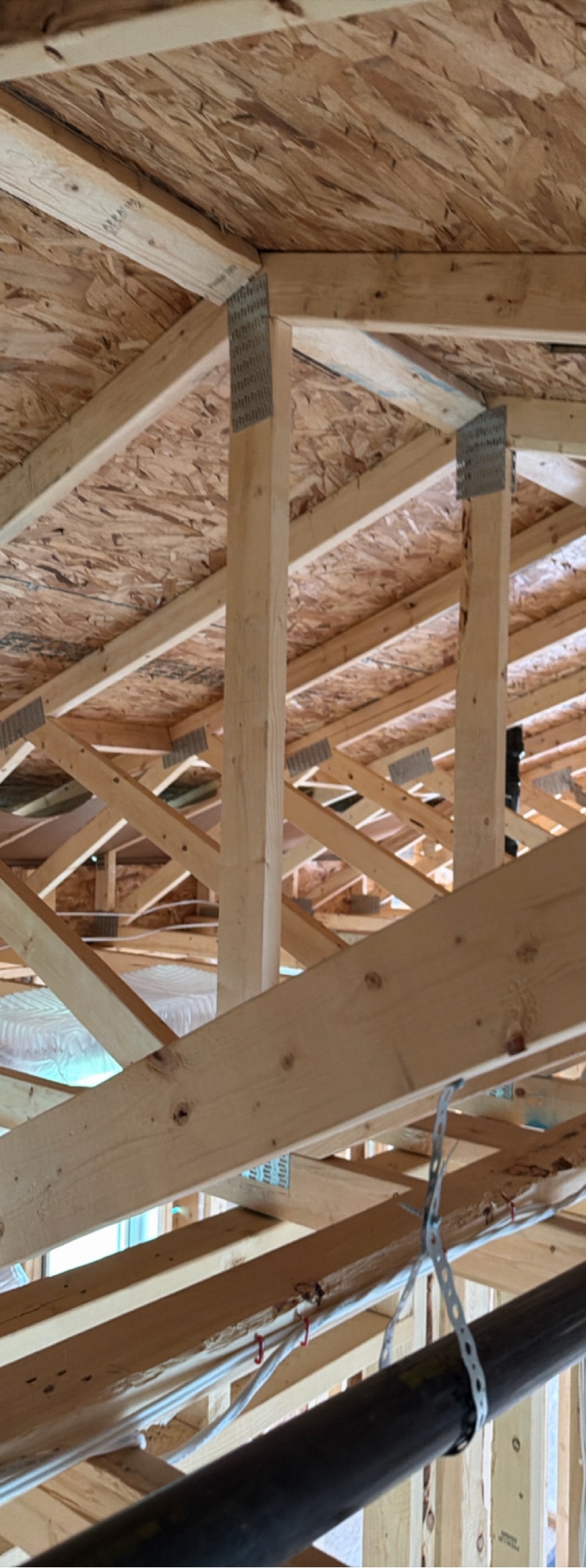
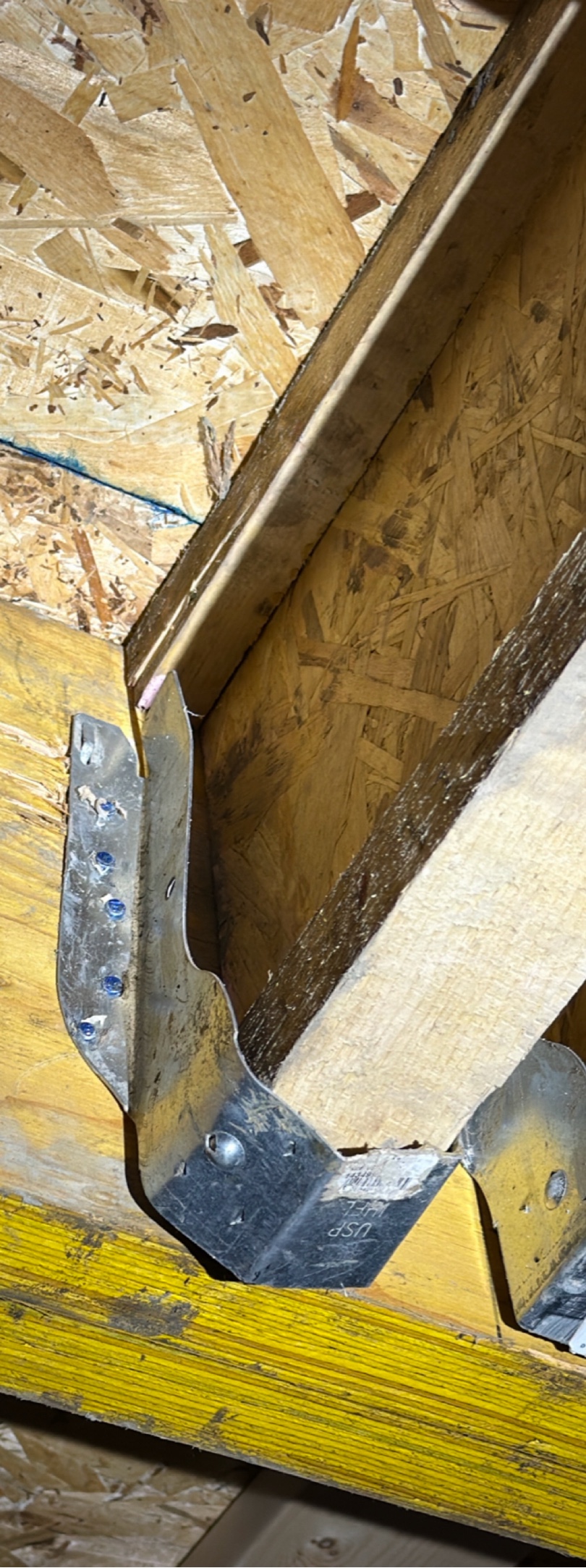
6 Missing fasteners at joist/truss hangers near the master bedroom and hallway entrance. 7 Confirm cantilevered projections at the north and south walls are properly insulated and enclosed. 8 Insulation has fallen and requires reinstallation in the laundry room area. 9 Missing truss hangers above the main bathroom projection. 10 Attic baffles have fallen at the northwest bedroom closet and west bedroom; reinstall and secure. 11 Missing wall backing noted at the entrance to the southeast bedroom. |
|
| I BACK TO SUMMARY |
|
|
|
|
Outlet Rough-In(s)
Light Junction • Rough-In(s)
|
|
|
Door Frame(s) • Rough Openings
Door - RO’s
Please also refer to drawings
|
|
|
Interior - Window(s)
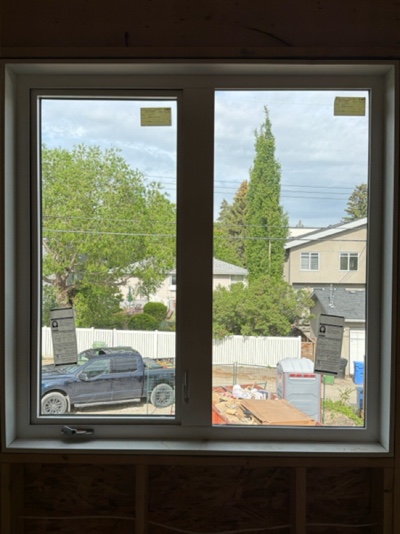
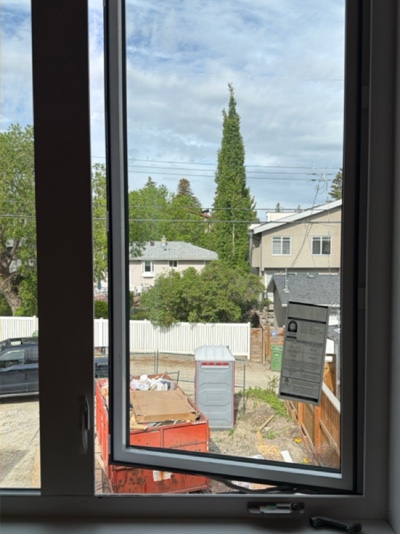
Observations included glazing, operation, seals, & conditions affecting performance.
|
|
|
|
|

|
|
|
|
|
|
|
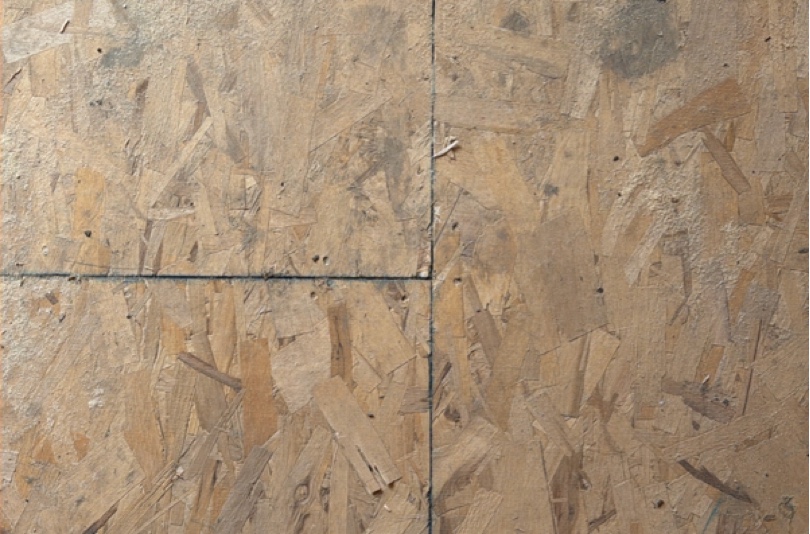
Subfloor • Sheathing
No deficiencies were observed with the subfloor at the time of inspection. Confirm the subfloor is installed, glued, and fastened in accordance with the engineered floor system manufacturer's specifications and requirements.
|
|
|
|
|
|
|
|
|
|
|
|
|
|
|
|
|
|
Framing Ref. 1
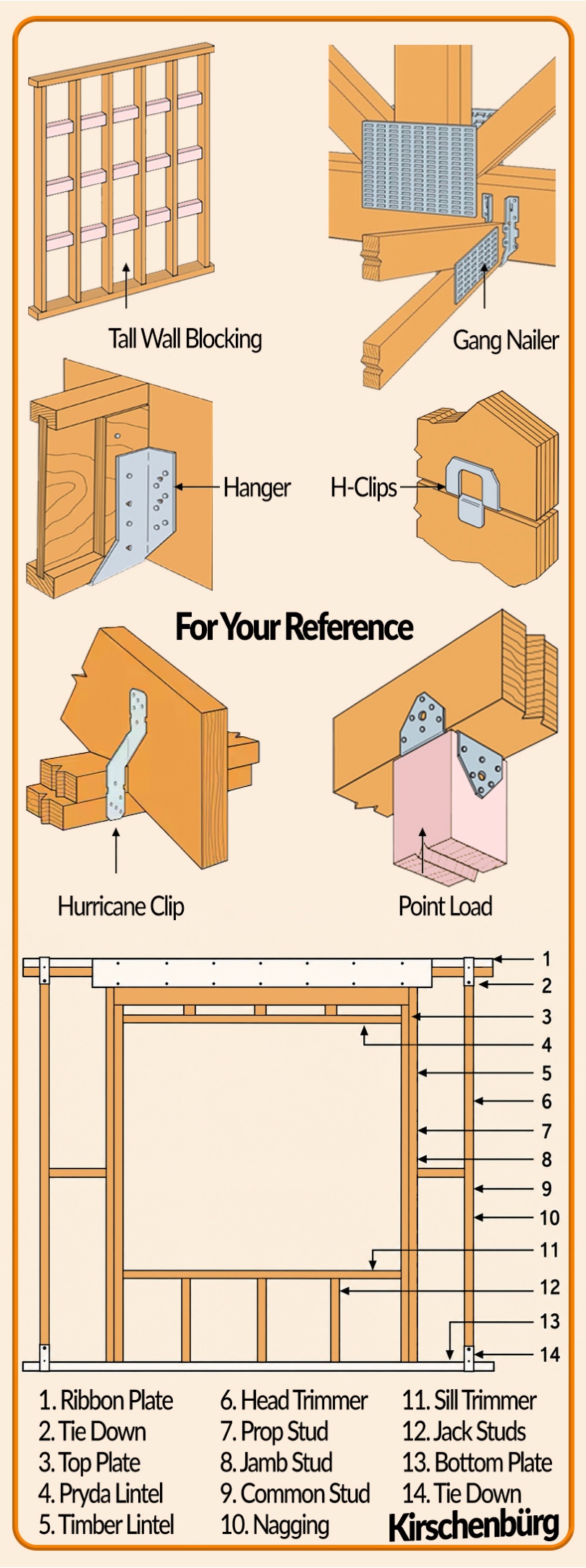
The structure of a home is a connected load path system designed to transfer weight safely from the roof to the foundation. Roof trusses, rafters, ridge blocking, girders, beams, joists, and load-bearing walls work together to distribute dead loads, live loads, wind forces, and seasonal movement throughout the structure while maintaining alignment and stability.Framing components such as lateral supports, wind bracing, blocking, mid-span blocking, squash blocks, joist hangers, beam pockets, and stringer supports help reduce deflection, twisting, movement, and concentrated stress. Point loads must transfer through properly supported framing members to foundations or engineered bearing locations to help prevent settlement, sagging, or structural displacement. Openings for stairs, windows, and doors rely on headers, trimmers, lintels, and jack studs to redirect loads around weakened areas of framing. Proper fastening patterns, strapping, sheathing attachment, bearing points, and connector installation all contribute to the overall rigidity and performance of the structure. |
|
|
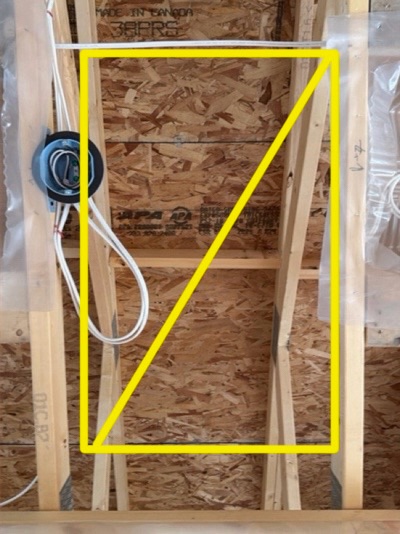
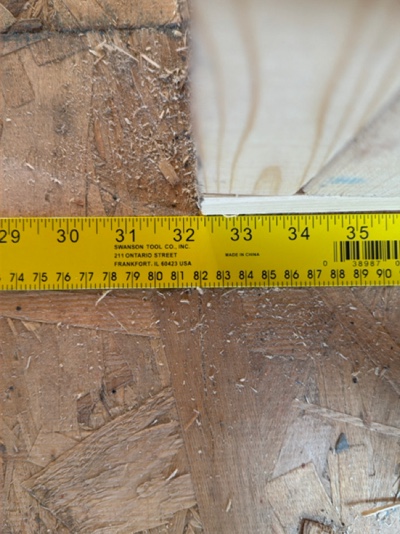
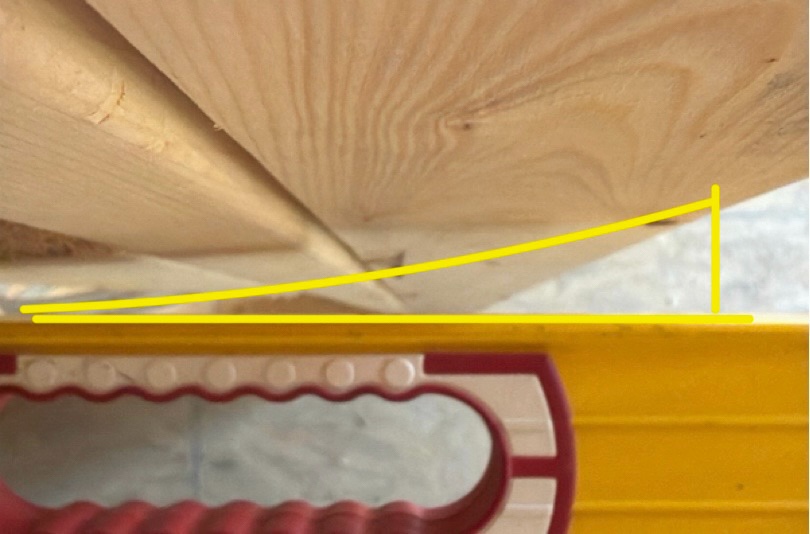
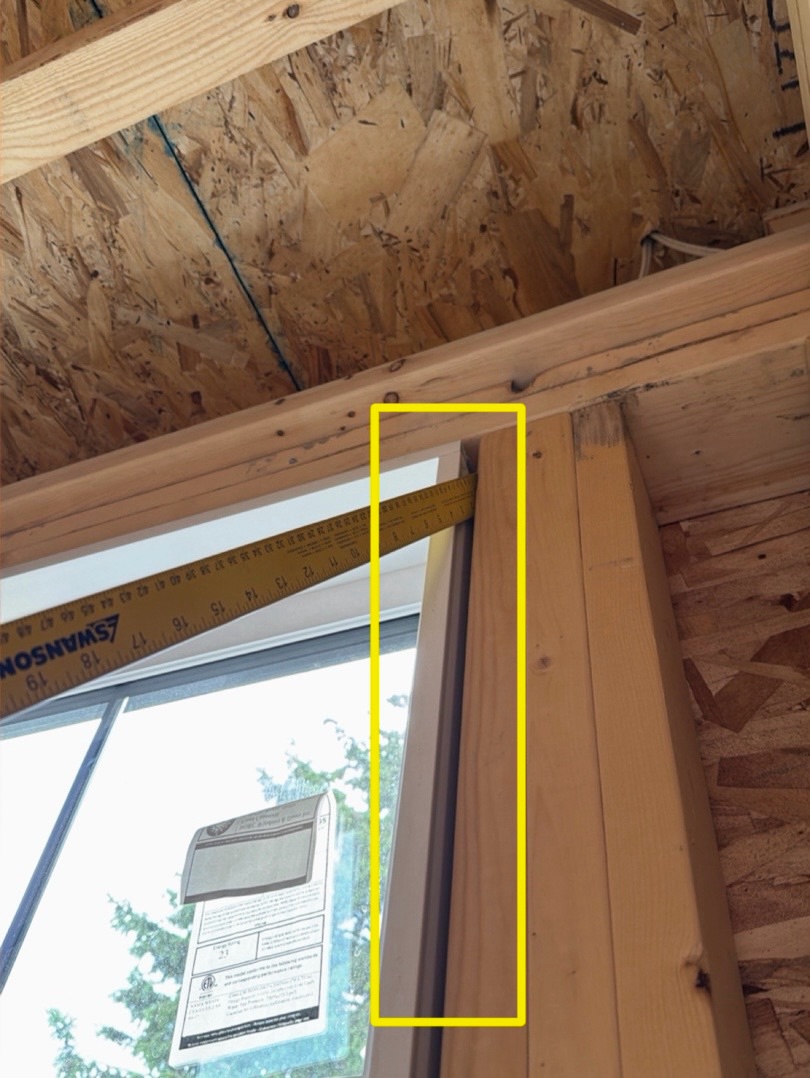
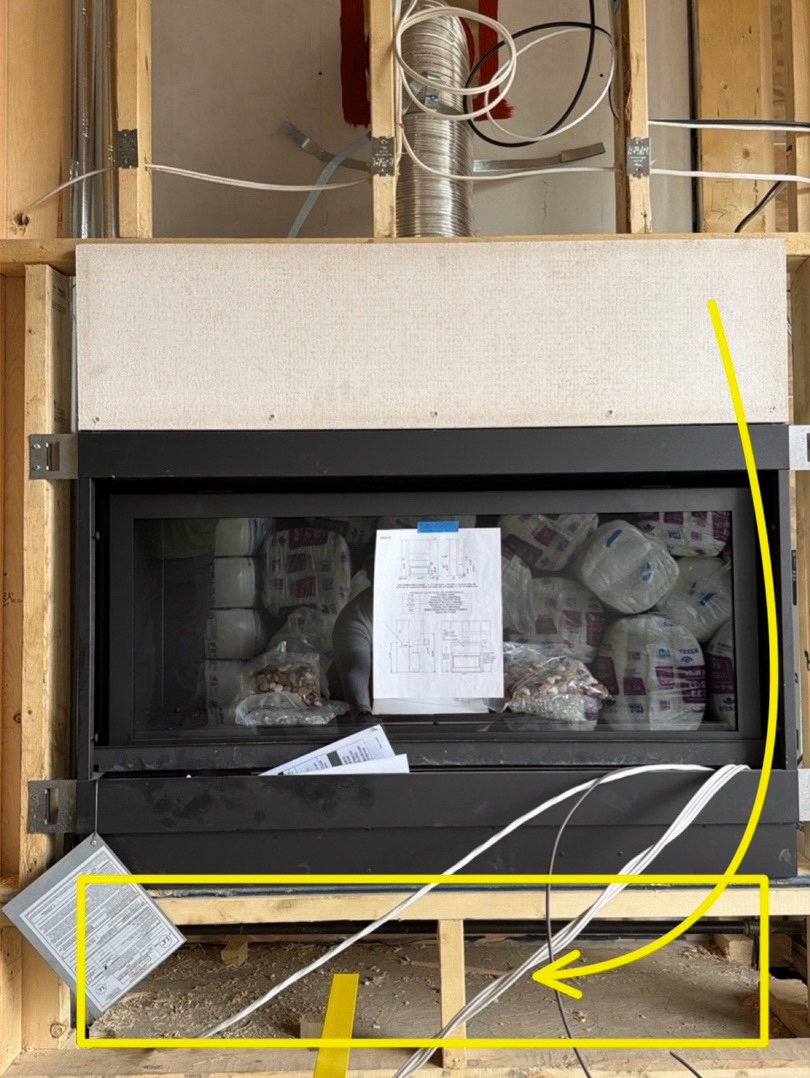
2 Walls and door openings are out of plumb by up to 3/8 inch over 4 feet. 3 Excessive window gaps noted, including over 1 inch at the master bedroom window head. 4 Missing backing at the roof line, dormer window, interior corners, and TV wall. 5 Framing deficiencies include 2x4 material used where 2x6 is required and uneven furring. 6 Nook window within 14 inches of the floor is not tempered safety glass. 7 Cut floor sheathing at the southwest bedroom requires repair. 8 HVAC penetrations through the powder room top plate and second-floor joist top chord require repair. 9 Powder room wall is loose and out of level; dining room to kitchen wall is also out of level. 10 Fireplace backing does not extend to the floor. 11 Broken glass noted at the patio door unit. 12 Verify all web stiffeners and beam hangers are installed per engineered requirements. 13 Storm sewer connection extends beyond the frost wall; hose bibs at southeast and northwest corners are not frost-free. 14 Northeast basement window is missing backing; northwest basement window is difficult to operate; basement windows are furred with OSB instead of pressure-treated material. 15 Missing backing at the northeast basement corner and window. 16 Bulkhead framing is misaligned, improperly spaced over 2 feet, and contains damaged material with protruding nails. 17 South basement bedroom frost wall requires cutback to align with adjacent wall. 18 Incorrect joist hanger size installed at the stairwell beam on the main floor system. |
|
| K BACK TO SUMMARY |
|
|
|
|
Water Line Rough-In(s)
Outlet Rough-In(s)
|
|
Hood Fan Rough-In(s)
|
|
|
⚠️ Kitchen Observations
1. Walls: Minor framing variation noted; considered typical within accepted construction tolerances.
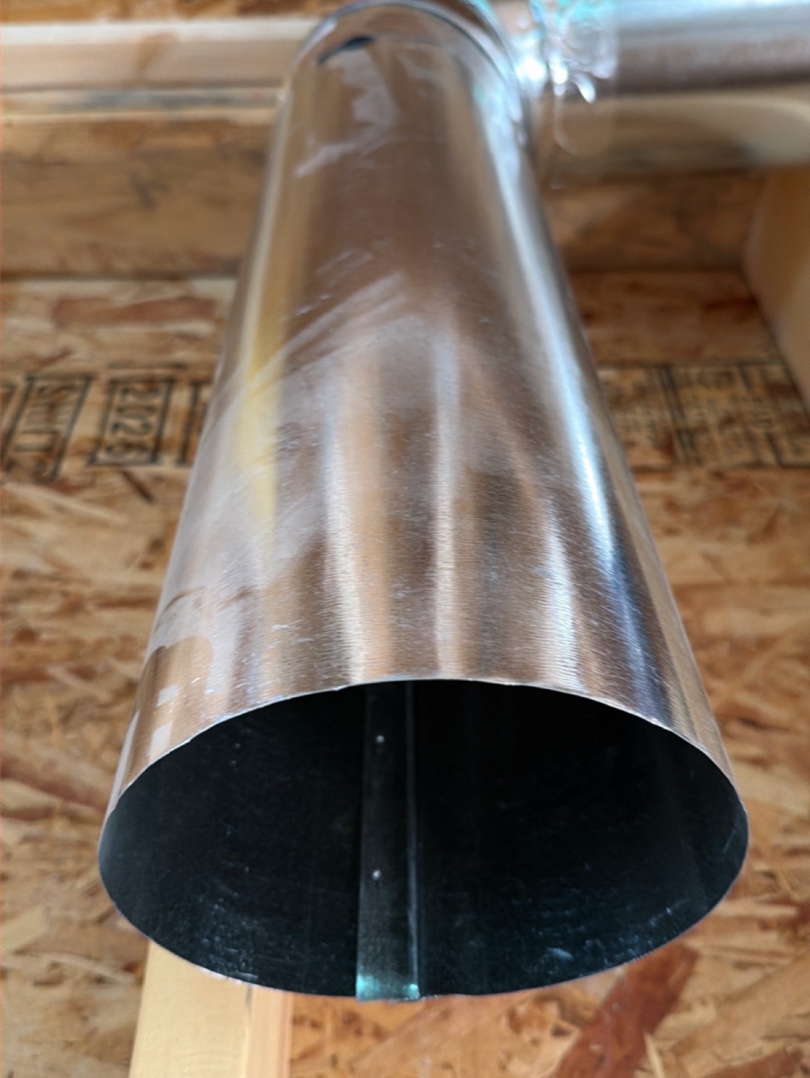
4. Venting: Venting rough-ins visible; final sealing & finishing incomplete at time of inspection.
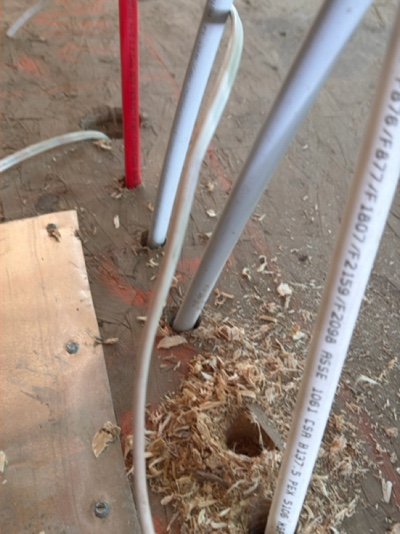
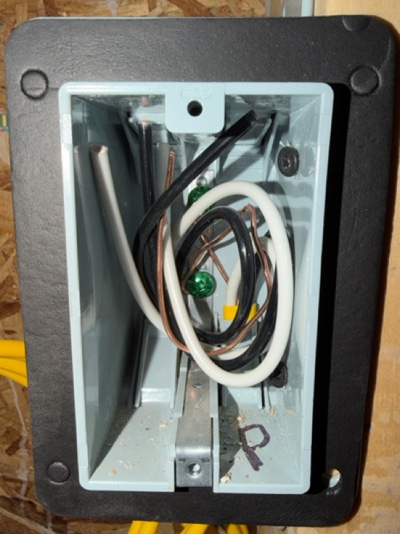
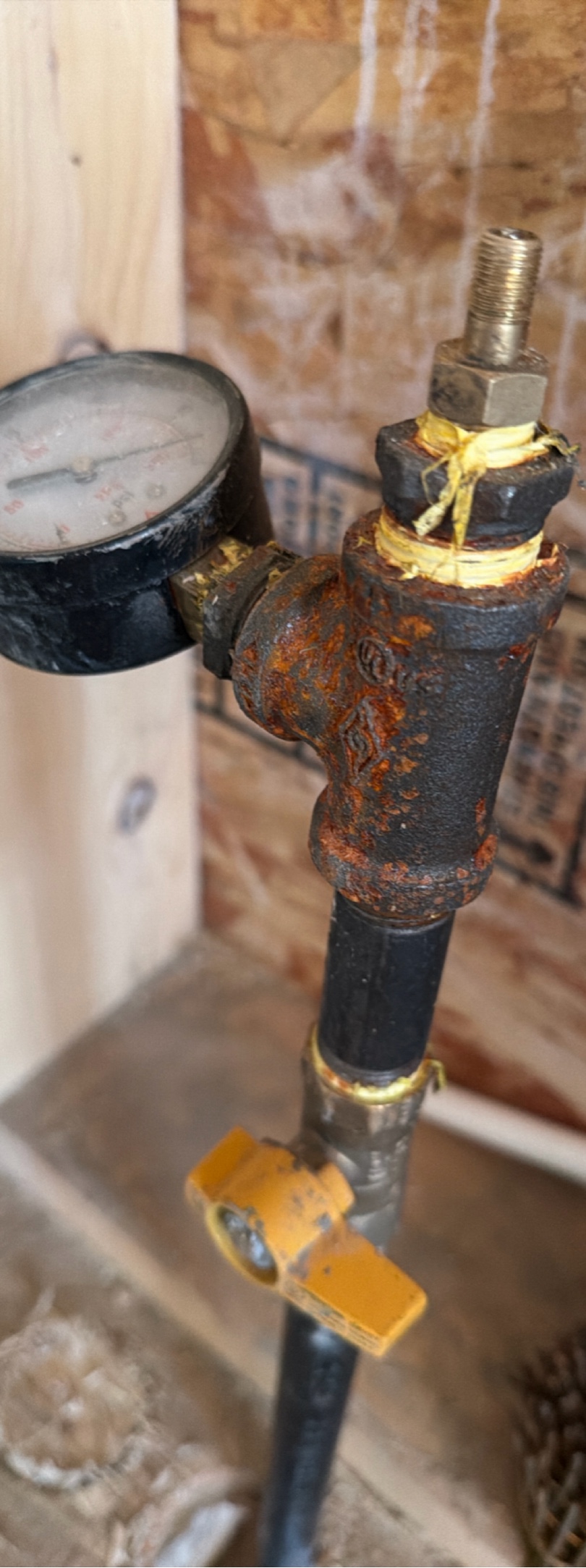
5 Missing 220V rough-in at the kitchen island; verify intended installation requirements.6 Gas pressure test appears to be holding at the time of inspection. 7 Pot filler water line is installed within an exterior wall; relocation to a conditioned plumbing wall is recommended. |
|
| L BACK TO SUMMARY |
|
|
|
|
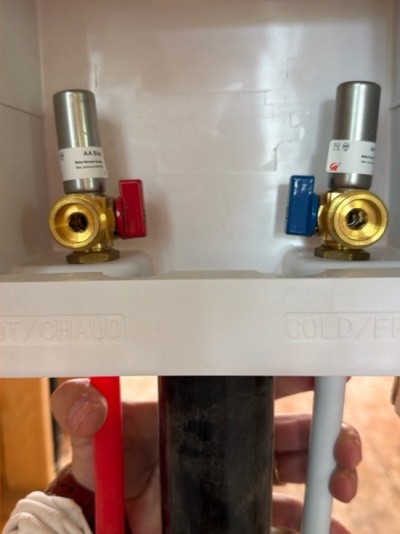
Water Line Rough-In(s)
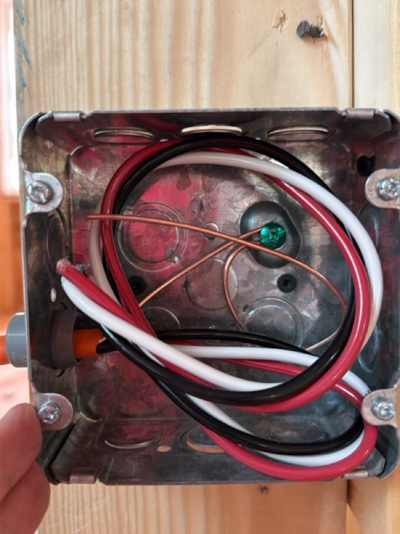
240v Rough-In
|
|
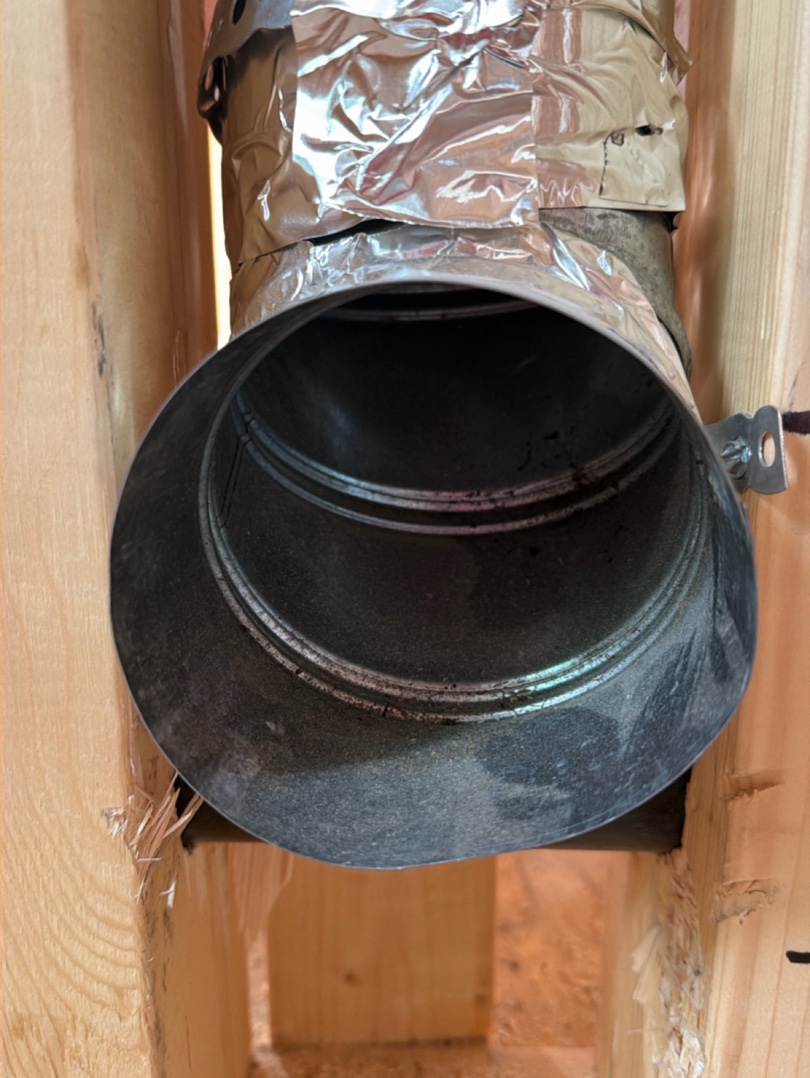
Dryer Exhaust Rough-In(s)
If a flush-mounted dryer vent box is desired to allow the dryer to sit closer to the wall and maximize laundry room space, this is the ideal stage of construction for installation.
|
|
|
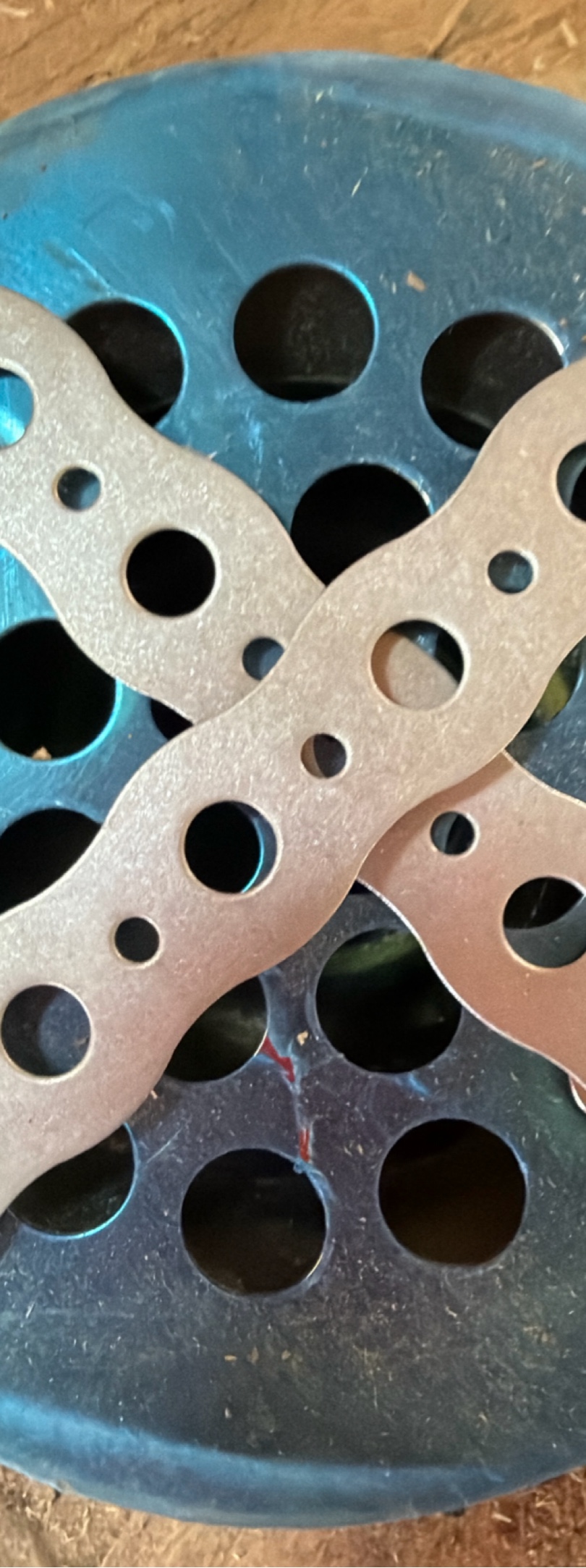
7 Verify purpose and configuration of the four water lines serving the laundry sink. 8 If a flush-mounted laundry box is desired, now is the appropriate stage for installation. |
|
| B BACK TO SUMMARY |
|
|
|
|
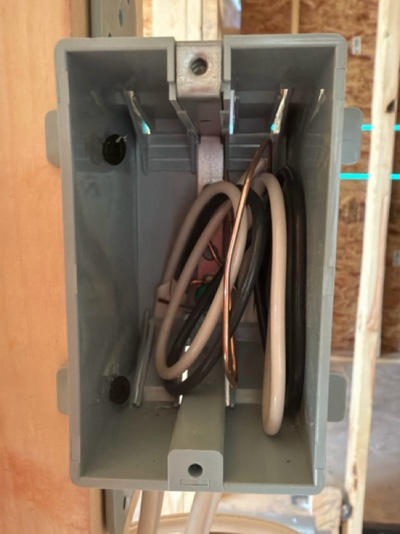
Outlet Rough-In(s)
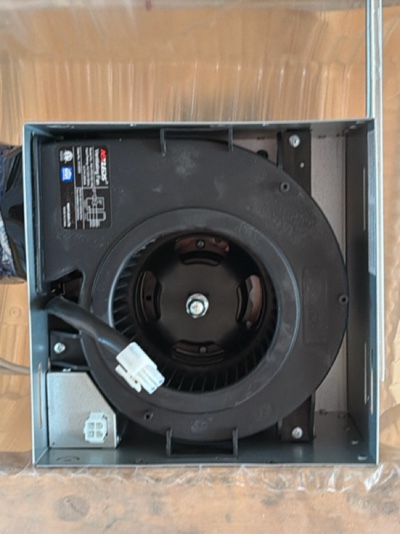
Bathroom Fan Rough-In(s)
|
|
|
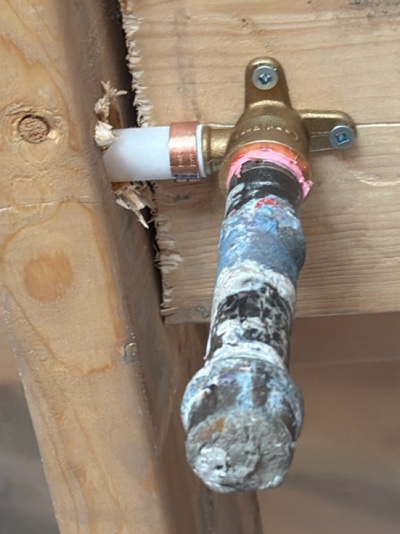
Shower Rough-In(s)
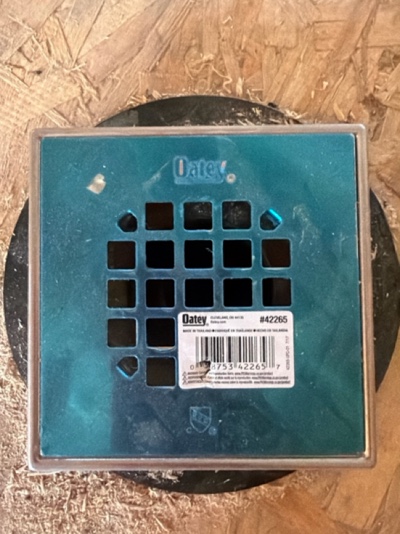
Floor Drain Rough-In(s)
|
|
|
Water Line Rough-In(s)
Toilet Flange(s)
|
|
|
|
|
|
|
|
|
|
|
|
|
|
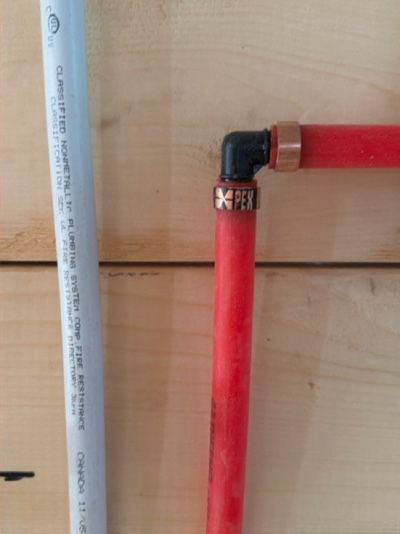
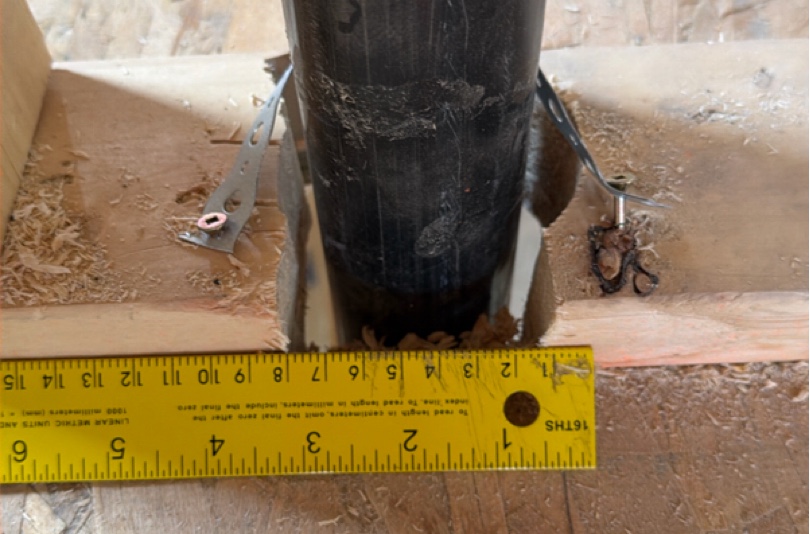
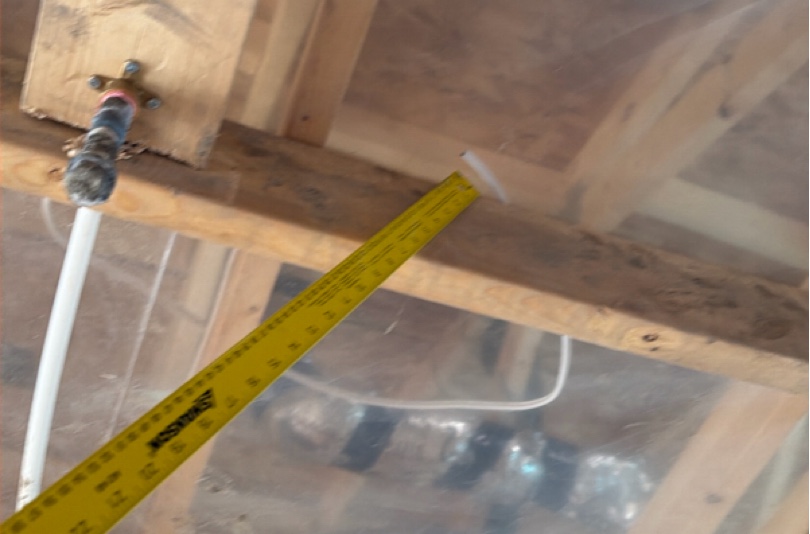
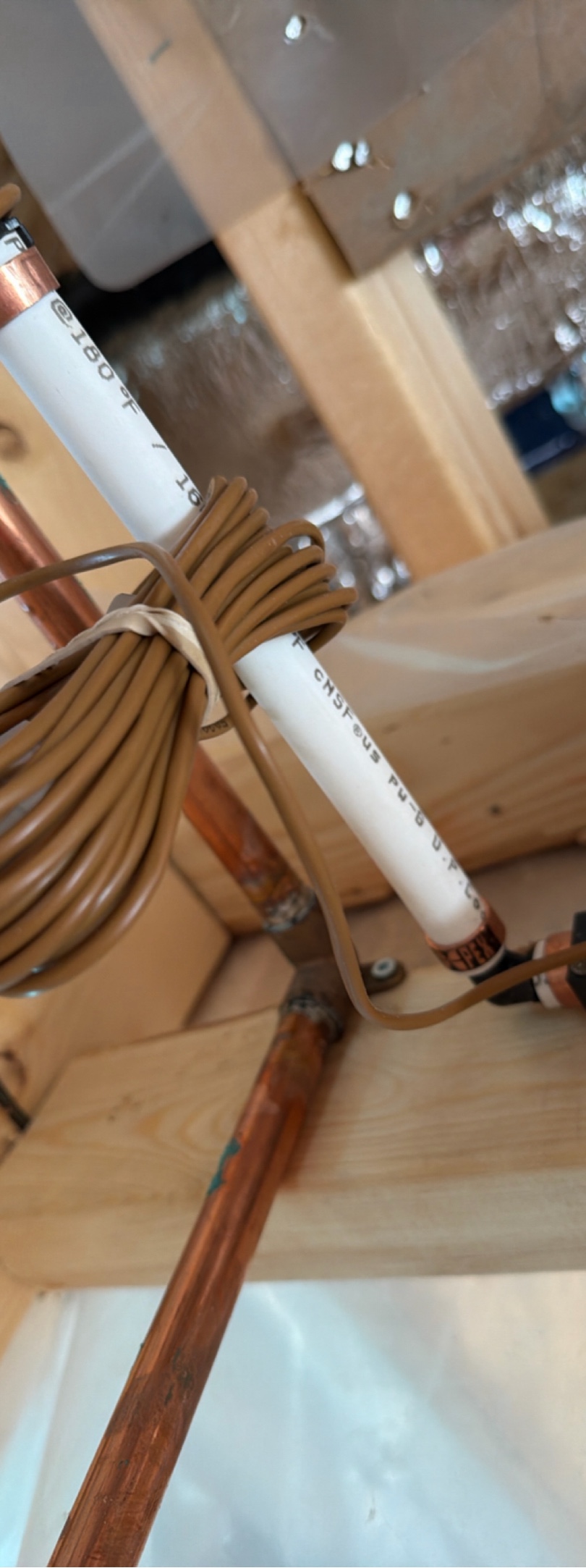
7 Multiple holes noted in the shower pan floor area; seal as required. 8 Missing nail guards at plumbing drains in the master and main bathrooms. 9 Missing backing/filler beneath the vanity heat register. 10 Projection windows lack protection from construction damage. 11 Shower light wiring is buried behind poly; verify proper installation. 12 Main bathroom tub lacks protection from construction-related damage. 13 Gap in the powder room subfloor at the toilet flange should be filled and sealed. |
|
| M BACK TO SUMMARY |
|
|
|
|
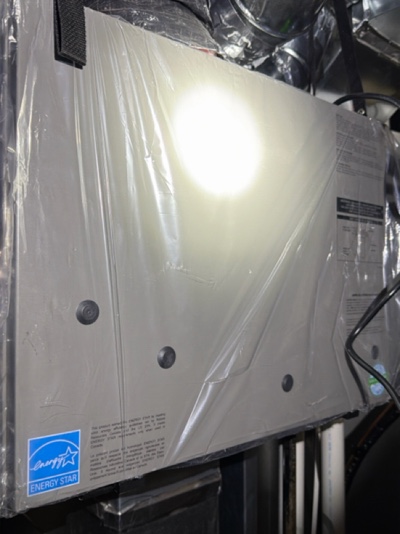
Electrical - Panel(s)
Incomplete: Item was only partially installed, unfinished, or not fully functional at the time of inspection.. Not Inspected
ERV (Energy Recovery Vent)
Incomplete: Item was only partially installed, unfinished, or not fully functional at the time of inspection.. Not Inspected
|
|
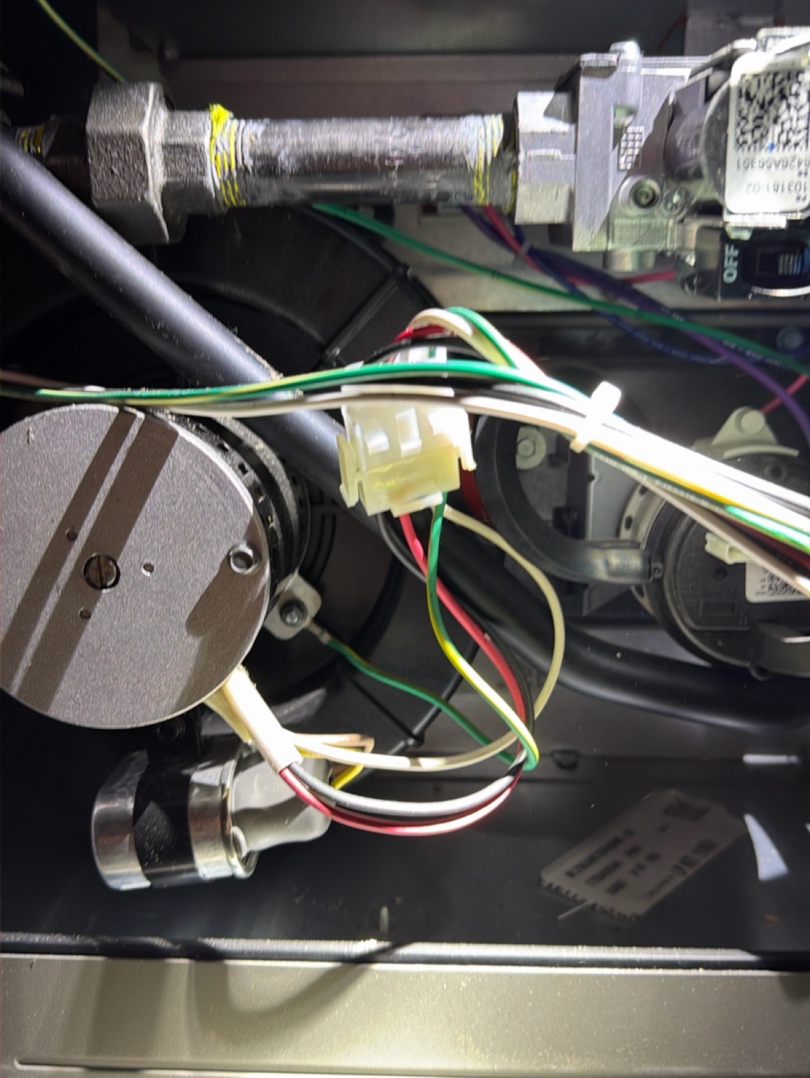
Main - Heating Unit(s)
Incomplete: Item was only partially installed, unfinished, or not fully functional at the time of inspection.. Not Inspected
|
|
|
|
|
|
Support photography
|
|
|
|
|
|
Support Photography
|
|
|
|
|
|
|
|
|
|
|
|
Sewer Lift Station
Incomplete: Item was only partially installed, unfinished, or not fully functional at the time of inspection.. Not Inspected
|
|
|
Sump Pump
Incomplete: Item was only partially installed, unfinished, or not fully functional at the time of inspection.. Not Inspected
|
|
|
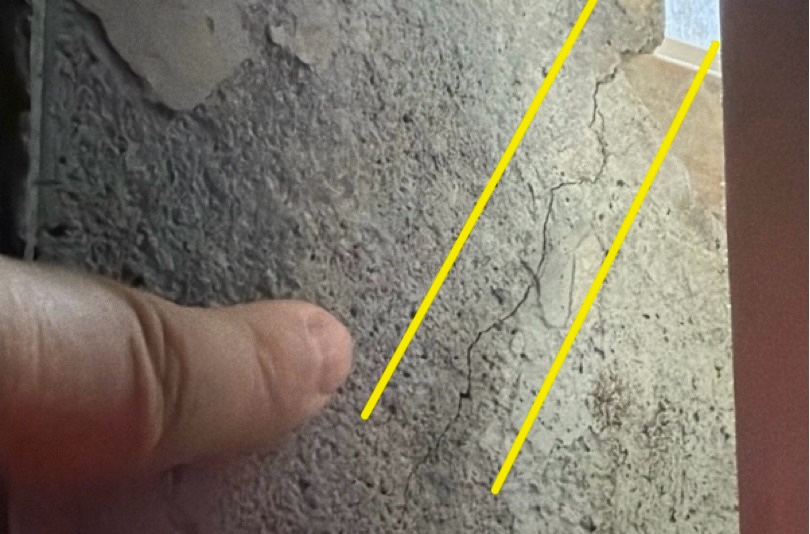
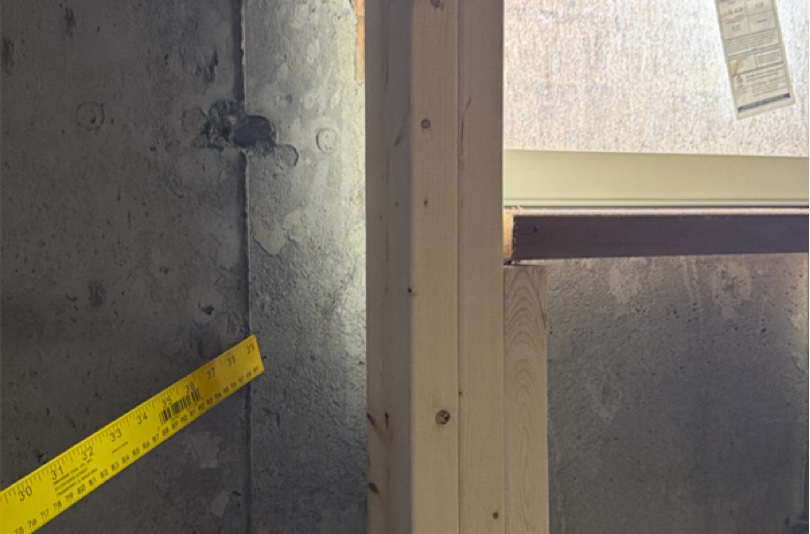
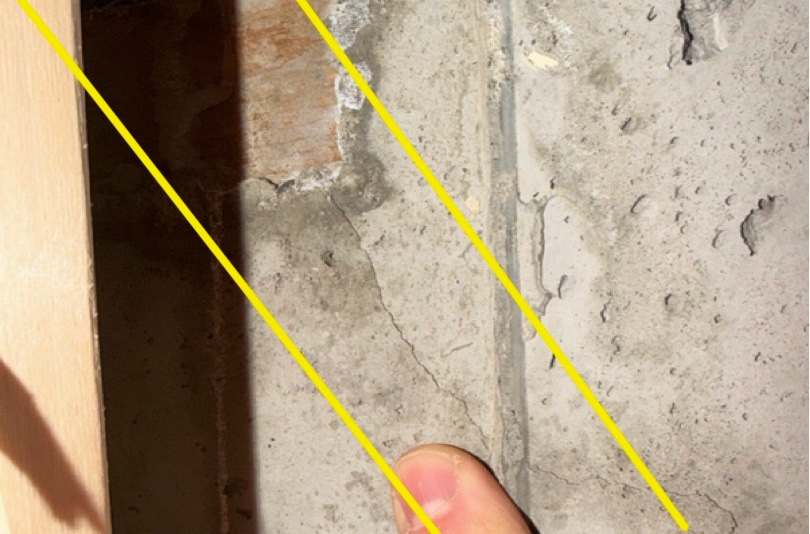
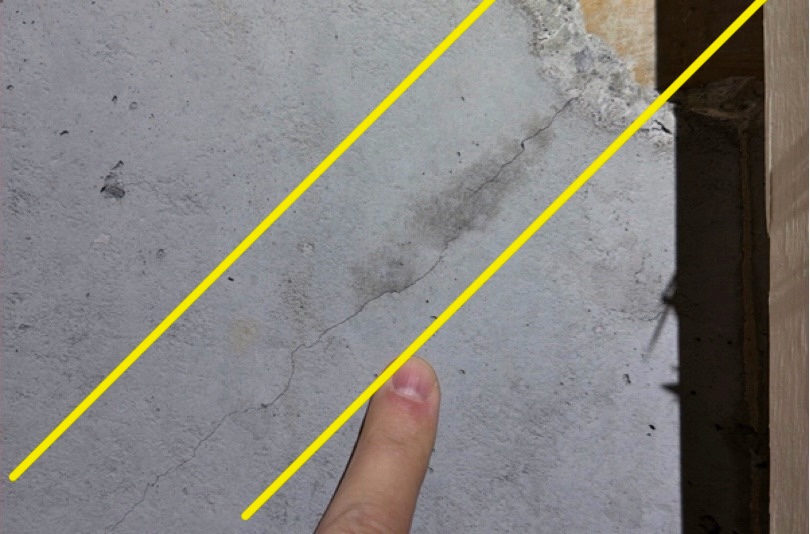
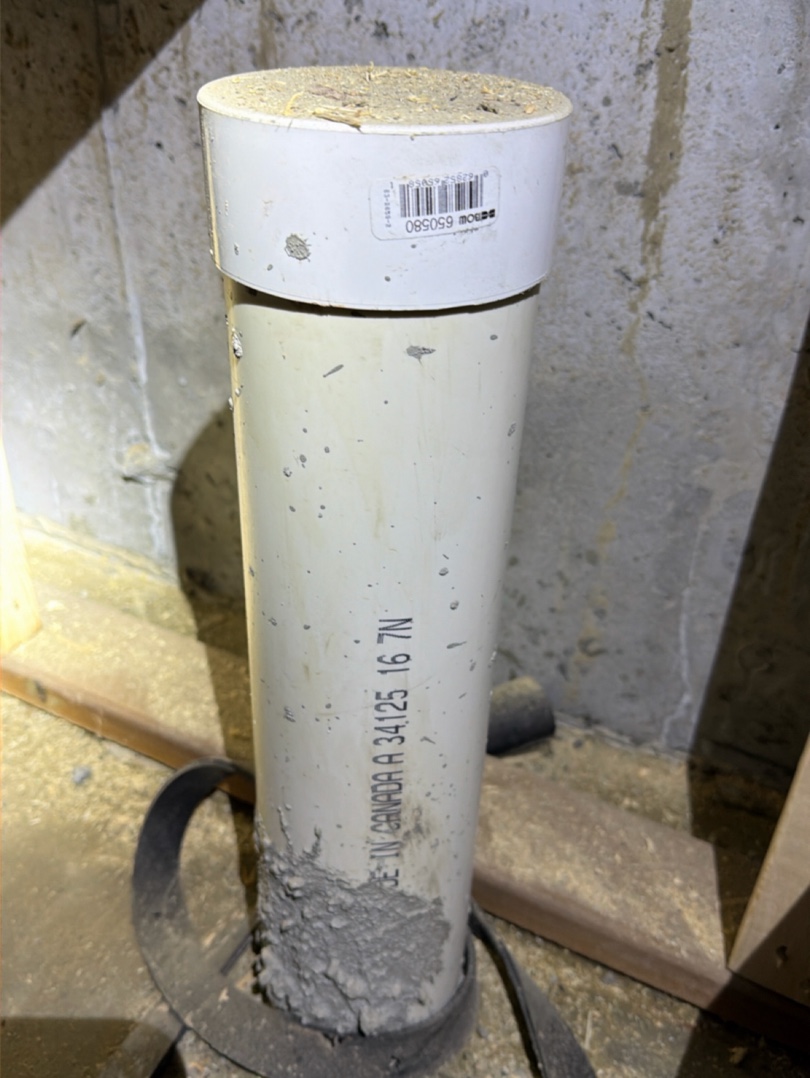
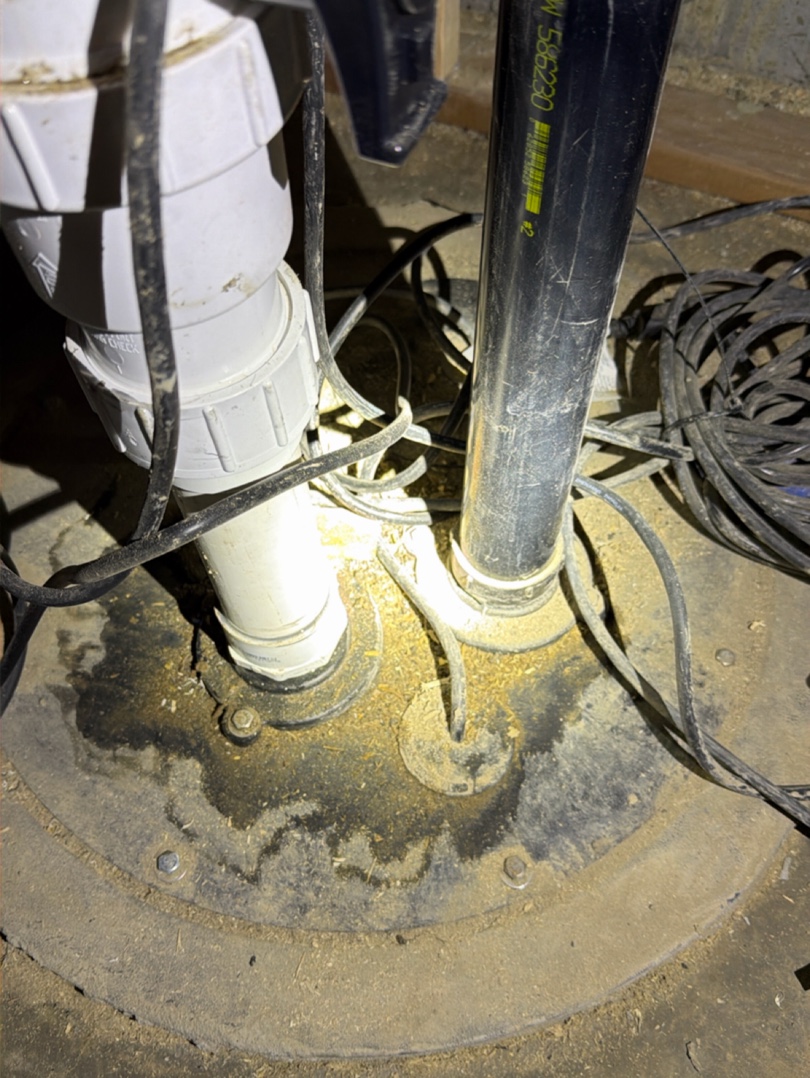
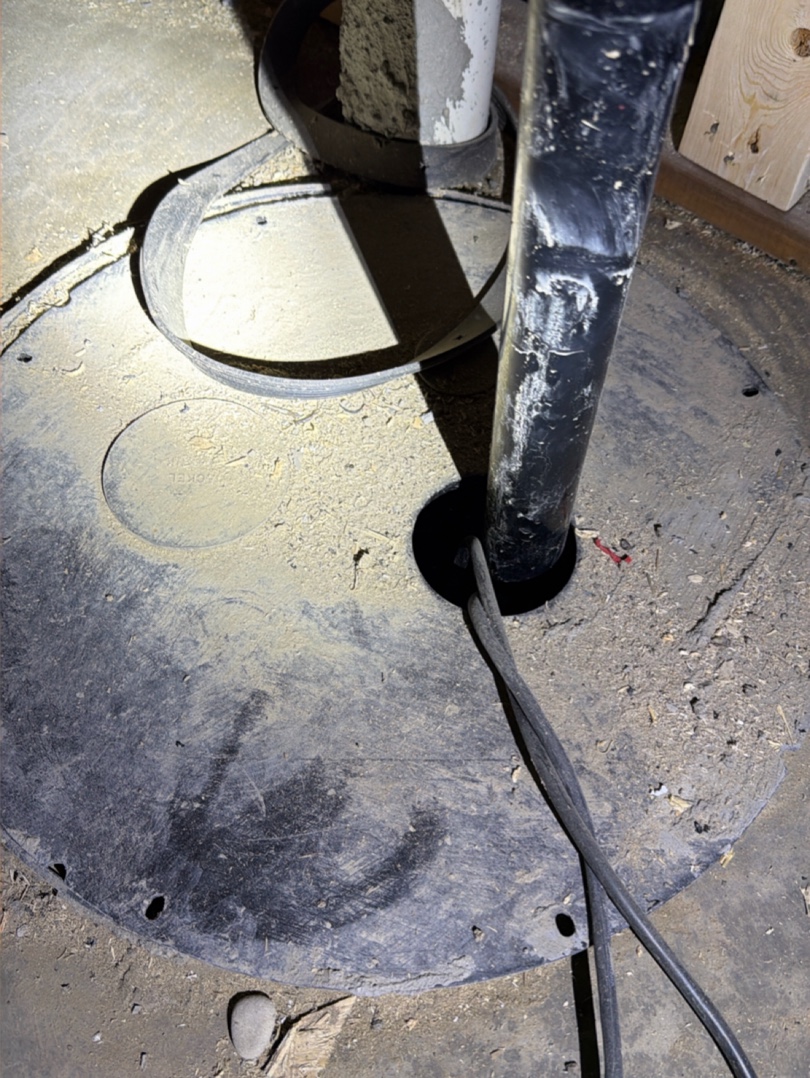
8 Radon rough-in is located beneath the stairs, which may hinder future mitigation system installation. 9 Sump pump location provides poor access and may present a design concern. 10 Short slab pour behind the rough-in/hydraulic area may create a moisture intrusion or hydrostatic pressure entry point. 11 Minor hairline cracks noted at both basement windows; seal, repair, and monitor. |
|
|
OWLF
Frame check inspection includes visible review of foundation, slab, floor systems, wall framing, beams, posts, roof structure, trusses, sheathing, bracing, fastening, connections & overall structural installation quality based on accessible conditions at time of inspection.Openings for windows, doors, stairwells & utility locations reviewed for general layout, consistency & visible construction concerns. Weather-resistive details, flashing, ventilation, drainage paths, penetrations & rough exterior preparation also reviewed where applicable. Rough plumbing, HVAC & electrical installations reviewed for general routing, placement, workmanship, support, protection & visible deficiencies prior to insulation & drywall installation. |
|
insurance
| Safety Overview | |
| Site Limitations | ⚠️ Visibility - Access - Height |
| Inspection Type | ◻️ New Construction Inspection (non-exhaustive) |
| Address Posted | ◻️Status: Present |
| Cleanliness -Storage | ⚠️ Status: Construction debris throughout site |
| Product Protection | ⚠️ Status: Improperly installed |
| Smoke & CO R/I | ⚠️ Not Verified: Unable to confirm function |
| Safety Rails / Ramps | ⚠️ Structure: Missing Rail |
| Roof System | |
| Method of Inspection | ◻️ Drone ONLY |
| Fall Protection | ◻️ Status: Installed |
| Roofing Surface | ◻️ Material: Asphalt - Age; Unknown |
| Drainage Path | ⚠️ System: Trough: Not Present (RISK) |
| Ventilation System | ◻️ Box Vent(s) - Soffit |
| Exterior Overview | |
| Envelope Material | ◻️ Material: Tyvec & Blue Seal |
| Utility Meter Masts | ⚠️ Location: Undetermined |
| Utility Penetrations | ◻️ Status: Satisfactory |
| Deck Ledger | ⚠️ Status: NOT installed |
| Cooling R/I | ◻️ Not Present - Not Applicable |
| Garage Systems | |
| Attic Access | ◻️Not Applicable |
| Fire Seperation | ◻️ Not Applicable |
| Attic System | |
| Hatch Location(s) | ⚠️ NO Access - Further Evaluation |
| Sheathing & Poly | ◻️ Material: OSB |
| Insulation Stops | ◻️ Status: Installed |
insurance
| Interior Overview | |
| Windows & Doors | ◻️ Status: Installed |
| Drywall Access | ⚠️ Location: Undetermined |
| Flooring Surfaces | ◻️ Material: OSB |
| Fireplace Framing | ⚠️ Status: IPD: Incomplete |
| Registers & Returns | ◻️ Status: Complete (debris filled) |
| Kitchen & Bathroom | |
| Safety - GFCI’s | ◻️ Location: Kitchen: Present - Bath: Present |
| Ventilation System | ◻️ Type: Range Hood: to EXT. - B-Fan: Present |
| Mechanical System | |
| Heating Unit(s) | ◻️ Type: HE Furnace / Forced Air |
| Water Heater Unit | ⚠️ Type: Not Present |
| Plumbing System | ◻️ Public Water: PEX - City Sewer: ABS |
| Water Main Shutoff | ◻️ Location: Mechanical Room |
| Back Flow Valve | ⚠️ Installation: Unknown |
| Electrical Service | ⚠️ Entry: Undetermined - Further Evaluation |
| Main Panel Interior | ⚠️ Location: NOT Installed |
| Nail Protection | ◻️ Status: Complete (electrical only) |
| Structure System | |
| Roof Structure | ◻️ Type: Engineered Truss |
| Exterior Wall System | ◻️ Type: Wood Studs |
| Tall Wall Blocking | ◻️ Status: Not Applicable |
| Backing & Bracing | ⚠️ Status: Incomplete (drywall & other product) |
| Structure System | ◻️ Type: Engineered Joist & Beam |
| Joist Blocking | ◻️ Type: See Engineered Drawings |
| Squash / Point Loads | ◻️ Type: See Engineered Drawings |
| Strong-ties -Hangers | ◻️ Type: See Engineered Drawings |
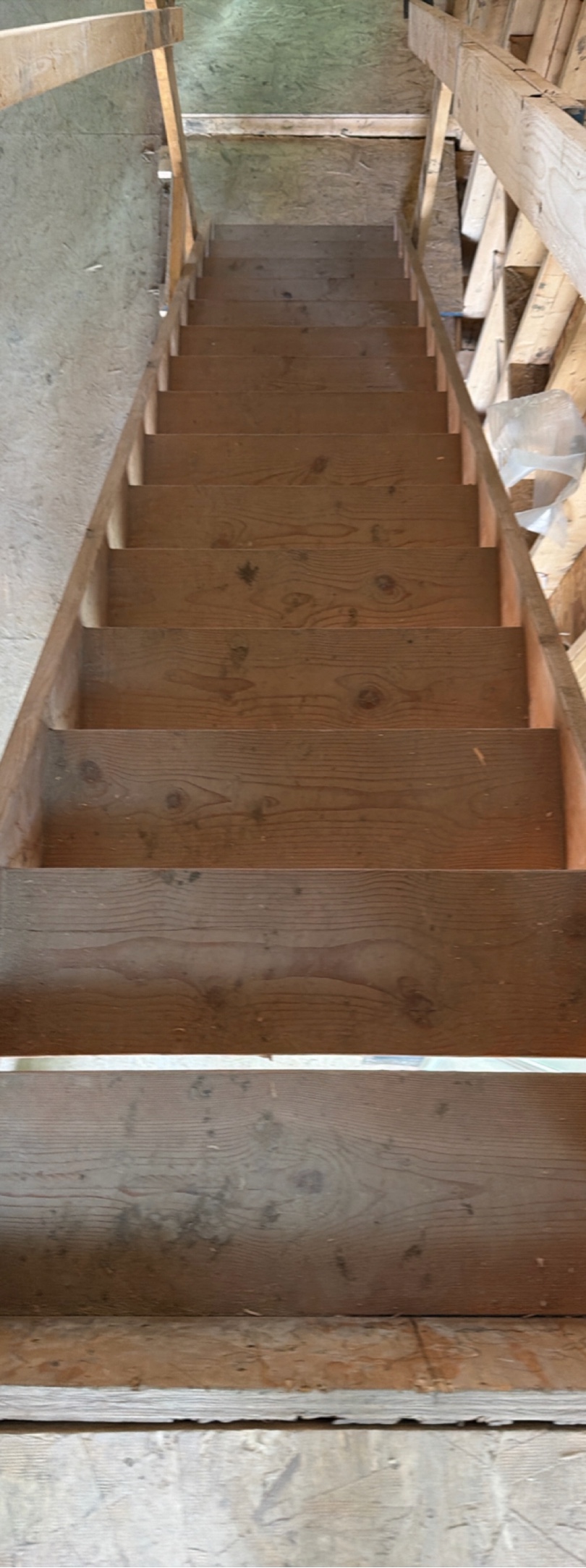
| Stairs & Landings | ⚠️Status: Installed - Stringer: Unsecured |
| Foundation System | ◻️ Type: Poured Concrete |

72 seconds
Positive reviews from awesome customers like you help others to feel confident about choosing our firm & our “to the point” reporting methodology.
We’d so appreciate if you could take 72 seconds to click on our logo below and share your happy experience.
Much Appreciated