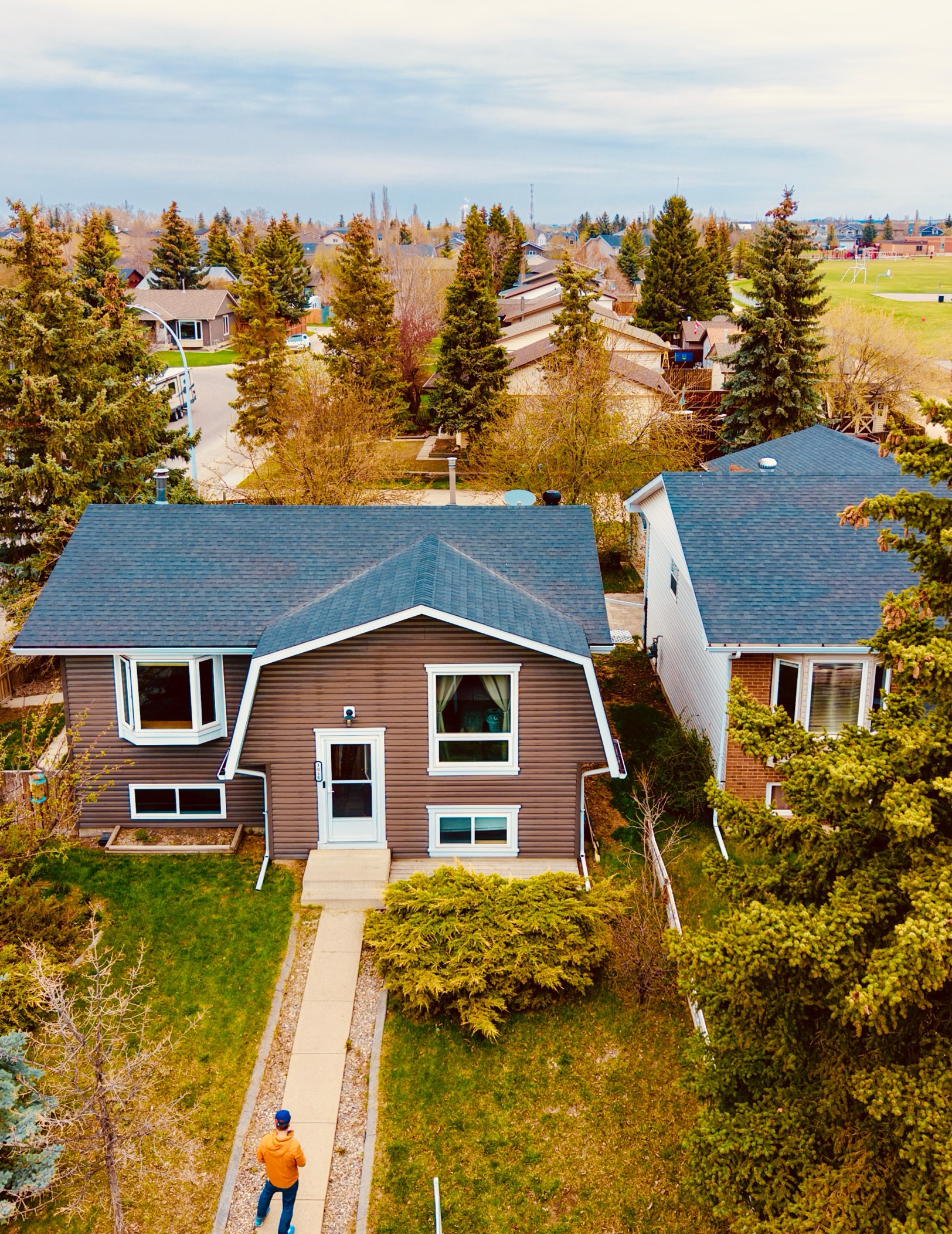
1816 Meadowbrook Drive SE
Twenty20 & Co Inc

May 9, 2026
"Designed to tell the real story."
⚠️ Tap Here
⚠️ Property Specs

elements

|
May 9, 2026 |

|
1816 Meadowbrook Drive SE Airdrie, Alberta |

|
Detached |

|
Overcast / +11° |

|
Agent & Client |

|
Andrew Kennedy |

|
Kris & Katie Dyck 1816 Meadowbrook Drive SE kbailey.parsons@gmail.com 4039212788 |

|
Kathy Thirsk |

|
9:00AM Start Time |
method

This inspection is a visual, non-invasive review using normal controls & accessible areas.
We follow a consistent path through all major systems. Findings are structured for clarity so you understand what’s there, what needs attention & what to do next.
Each item lists the component or system, issue defect, recommended action & summary note.
Built to eliminate doubt.
"Turning information into decisions you can trust."


thank you
Thank you for choosing us for your inspection. We truly appreciate your trust.
I will be your primary contact & will do everything I can to ensure you are completely clear on today’s findings.
Please feel free to reach out at any time if you have questions or need further clarification. We’re always happy to help.
Kind Regards,

Andrew Kennedy
stuff.
A property inspection evaluates visible, non-exhaustive conditions & records findings in report form Inspectors examine readily accessible systems & components using a visual, non-invasive method & operate equipment using normal controls when possible. Components, issues, actions, location, trade & summary may be noted. Conditions reflect time of inspection only. Inaccessible or unsafe areas are not inspected (not accessible)
⚠️ We encourage you to read our Standards of Practice (SOP’s), scope, disclamers & limitations. The SOPs outline the scope of the inspection, the systems reviewed & the limitations that apply. They provide the framework inspectors follow to evaluate properties & communicate findings consistently. This structure helps ensure inspections are performed using a clear, proven, nationally recognized standard. Full details by clicking the logo. 🔻🔻🔻

The difference between something good and something great is attention to detail.
legends
 |
It’s a snap! Here are some key terms you’ll see throughout. |
| Iconography | Used for clarity. |
 |
Immediate Attention |
 |
Attention |
| Not Inspected | Limitations. |
| Hand Gestures | Universal. |
| Issue: | Identify the problem if there is one |
| Action: | Recommended path to address the issue |
| L: | Location where it is found |
| T: | Typical Tradesperson |
| R: | Reason why it wasn't inspected |
| $ / $$ / $$$ |
summary
Action: Repair &/or Replace
Notes: Service Recommended – Issue(s) should be addressed by a certified professional. If left as is, this could impact performance and/or reliability.
Action: Correct / Adjust / Verify T: Carpenter L: Back-Front
Notes: Service Recommended – Issue(s) should be addressed by a certified professional. If left as is, this could impact performance, safety, and/or reliability.
Action: Correct / Adjust / Verify T: 🔵 Plumbing L: Sideyard
Notes: Observation – Issue(s) should be monitored; plan for maintenance or correction as needed.
Action: Repair &/or Replace T: 🟠 Ext-Envelope L: Number Of Spots
Notes: Attention – Issue(s) should be addressed in a timely manner. This could lead to concealed damage or material failure.
summary
Action: Seal / Repair / Monitor L: Side Yard
Notes: Service Recommended – Issue(s) should be addressed by a certified professional. If left as is, this could lead to further deterioration and/or moisture intrusion.
Action: Correct / Adjust / Verify T: 🟠 Ext-Envelope L: Sideyard & Back
Notes: Attention – Issue(s) should be addressed in a timely manner. Shifting surfaces can worsen over time & increase hazard risks.
Action: Correct / Adjust / Verify L: Backyard
Notes: Service Recommended – Issue(s) should be addressed by a certified professional. If left as is, this could impact performance, safety, and/or reliability. SAFETY
Action: Improve/Repair L: Attic
Notes: Service Recommended – Issue(s) should be addressed by a certified professional. If left as is, this could impact performance, safety, and/or reliability.
Action: Improve / Replace
Notes: Observation – Issue(s) should be monitored; plan for maintenance or correction as needed.
summary
Action: Improve / Add L: SEE PHOTO
Notes: Attention – Issue(s) should be addressed in a timely manner. May lead to condensation or damage if not rectified.
Action: Correct / Adjust / Verify L: Throughout
Notes: Observation – Issue(s) should be monitored; plan for maintenance or correction as needed. High Low areas throughout.
Action: Repair &/or Replace L: Hallway
Notes: Service Recommended – Issue(s) should be addressed by a certified professional. If left as is, this could impact performance, safety, and/or reliability.
Action: Further Evaluate / Repair L: Dining room
Notes: Attention – Issue(s) should be addressed in a timely manner. Further consequences may occur if not rectified.
summary
Action: Upgrade / Improve T: 🟢 HVAC L: Kitchen
Notes: Service Recommended – Issue(s) should be addressed by a certified professional. If left as is, this could impact performance, safety, and/or reliability.
Action: Clean / Monito / Maintain L: Primary
Notes: Possible organic growth was noted in portions of the bathrooms. Improved ventilation, regular cleaning, and routine maintenance are recommended to help reduce excess moisture and humidity buildup.
Action: Tune-up/Service Advised T: 🟡 Electrical L: Mech Room
Notes: Service Recommended – Issue(s) should be addressed by a certified professional. If left as is, this could impact performance, safety, and/or reliability.
| R BACK TO SUMMARY |

|
Report Legend
Explains reports symbols.
|
|
|
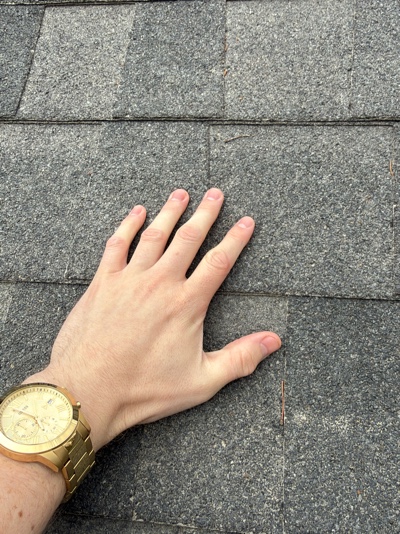
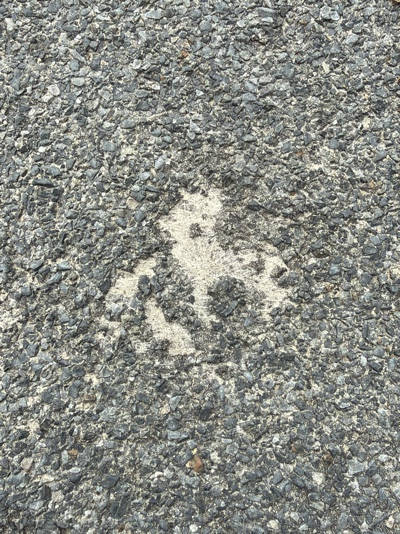
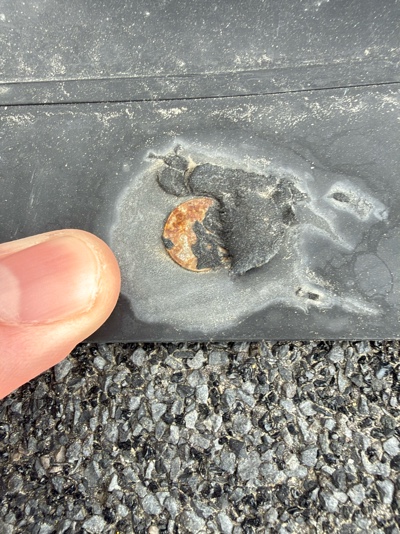
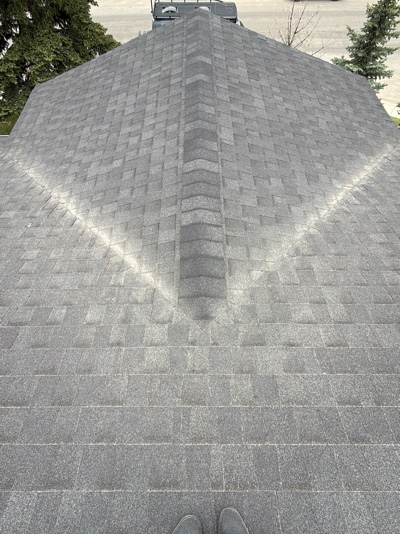
Roof Observations - (1)
Reviewing condition, flashings, drainage flow, debris, & intrusion points. See also Insurance Section.
|
|
|
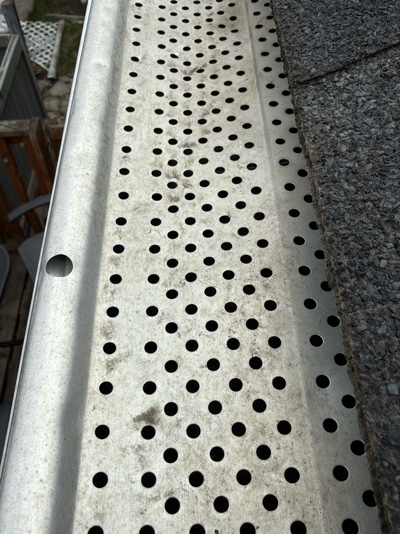
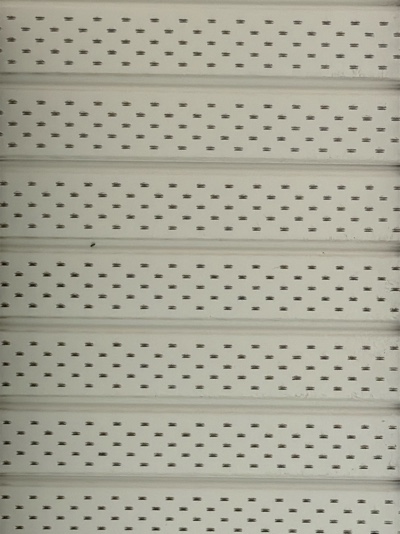
Roof Observation - (4)
Roof valleys are known locations for ice damming conditions. Monitor condition in the winter months & consider heat trace cables.⠀
|
|
|
Gutter(s) -Trough(s)
Inspected for debris, drainage flow, interior condition and visible standing water.
Soffit(s) & Fascia(s)
Attn. given to ventilation openings, attachment, clearance & visible staining or obstructions.
|
|
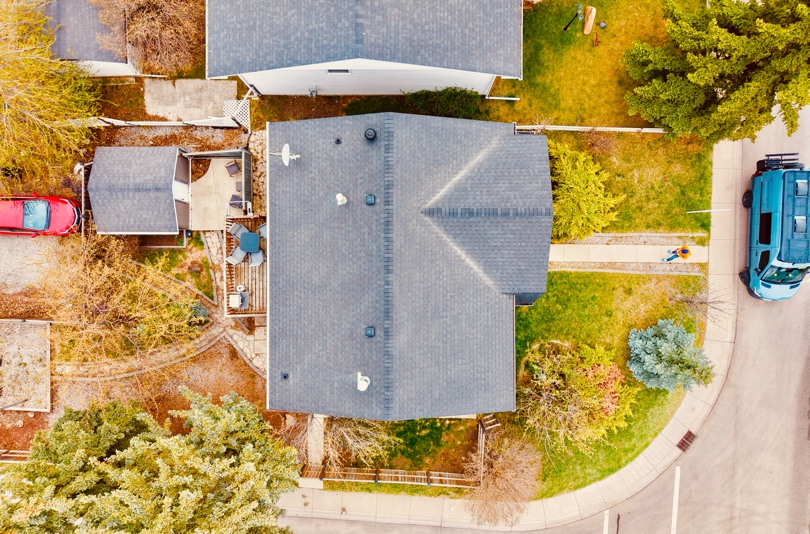
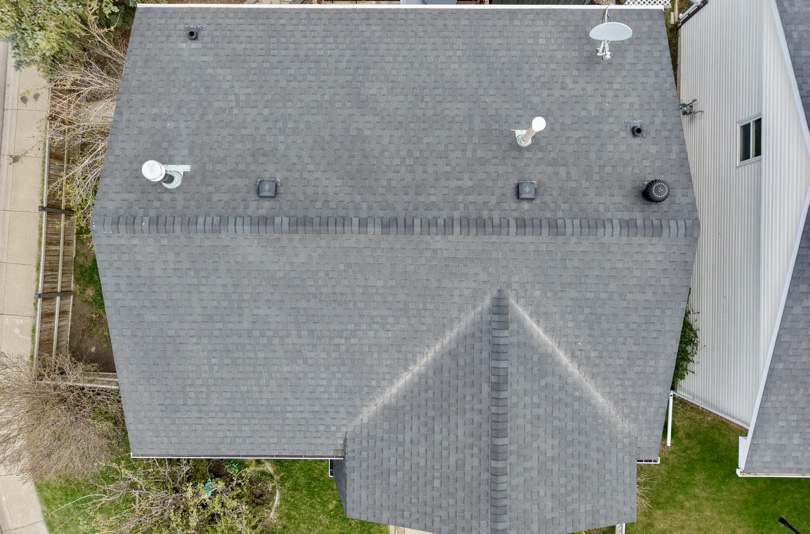
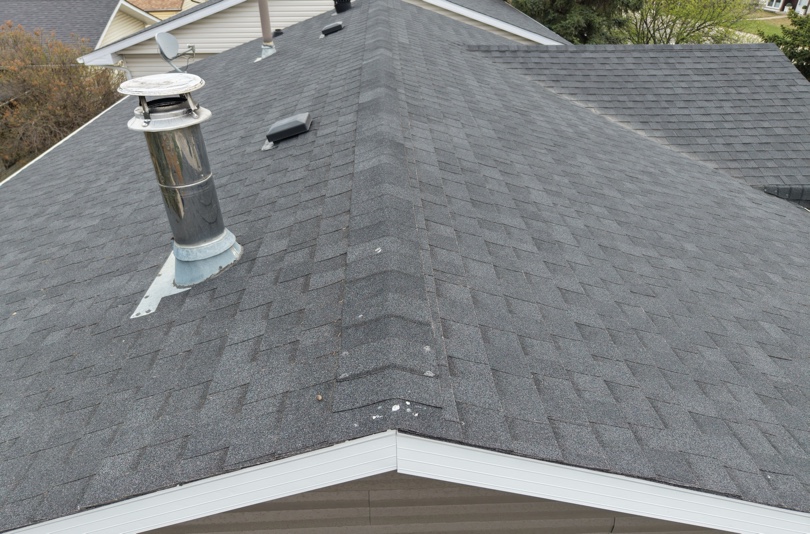
Overview Roof / Property
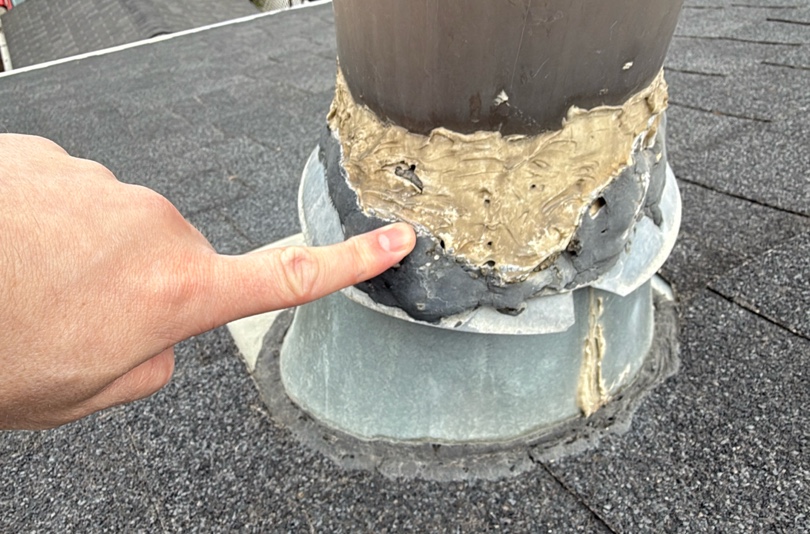
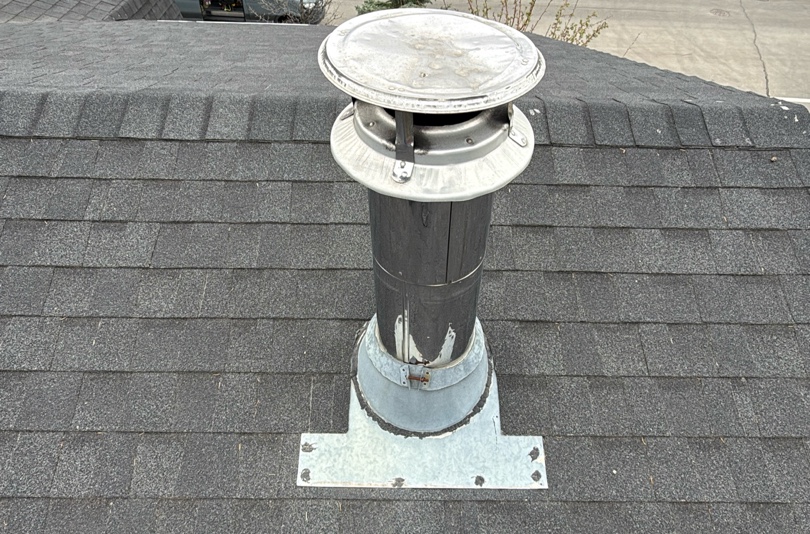
Survey performed to visually document roof coverings & associated components.This includes material condition, install, flashing, penetrations, drainage paths, & anomalies. See also Insurance Section.
|
|
|
|
|
|
Overview Roof (3)
⠀
|
|
|
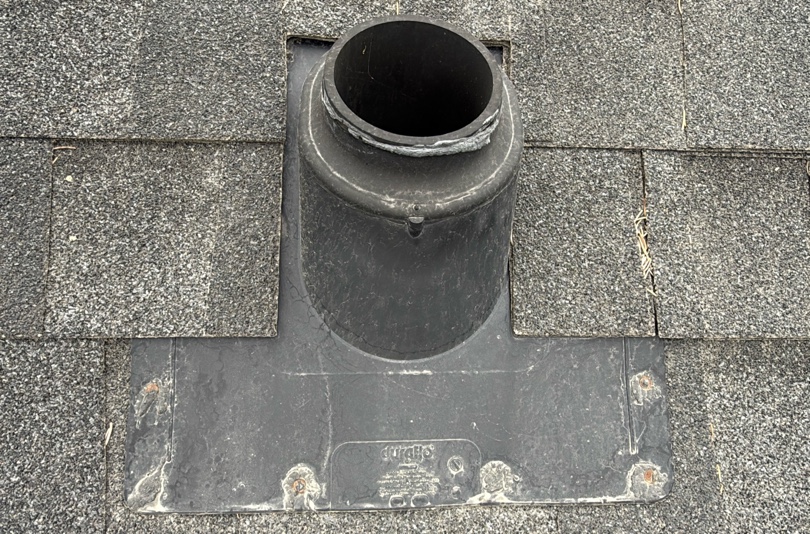
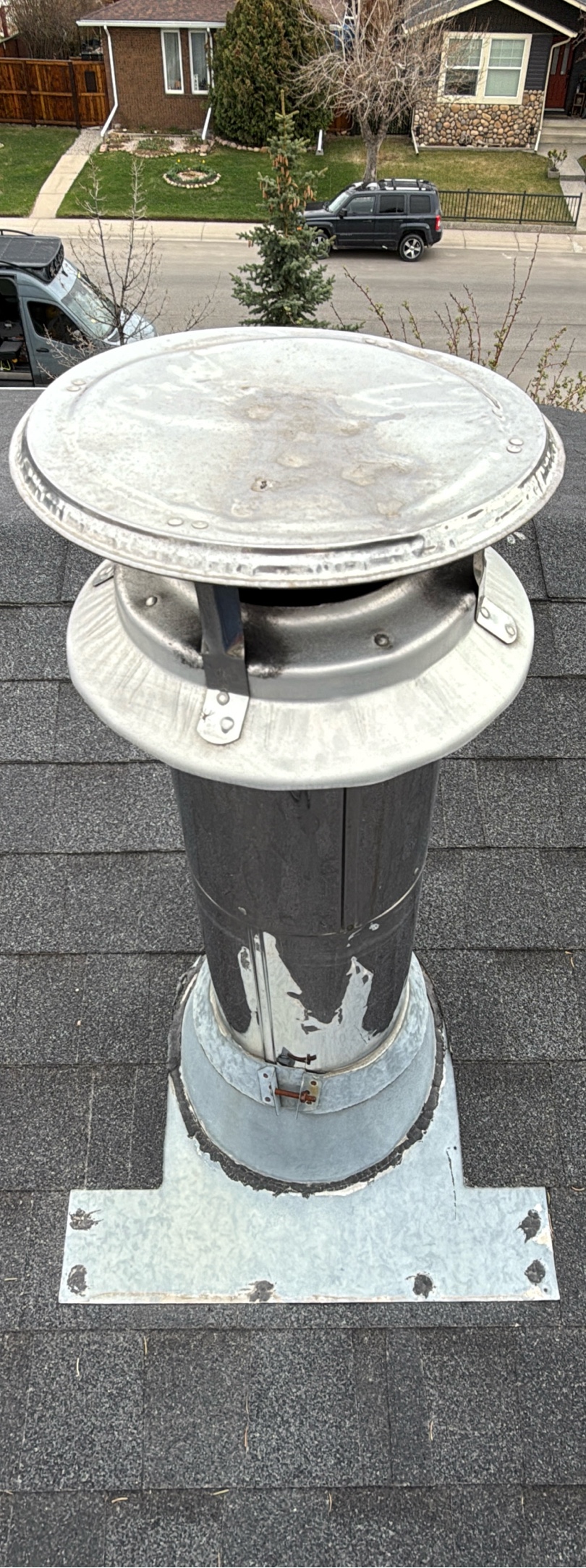
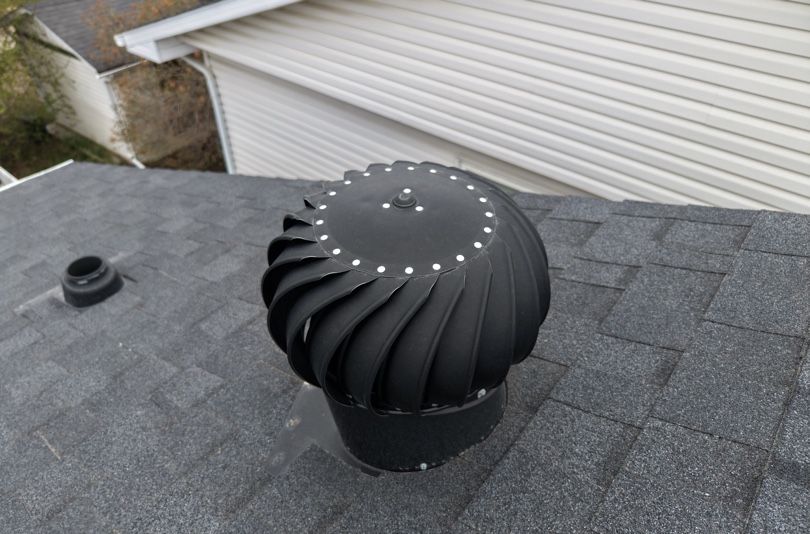
Overview Roof Utilitie(s)
Visually inspected for secure mounting, proper sealing, venting, clearances, and signs of damage, leakage, or improper installation.
|
|
|
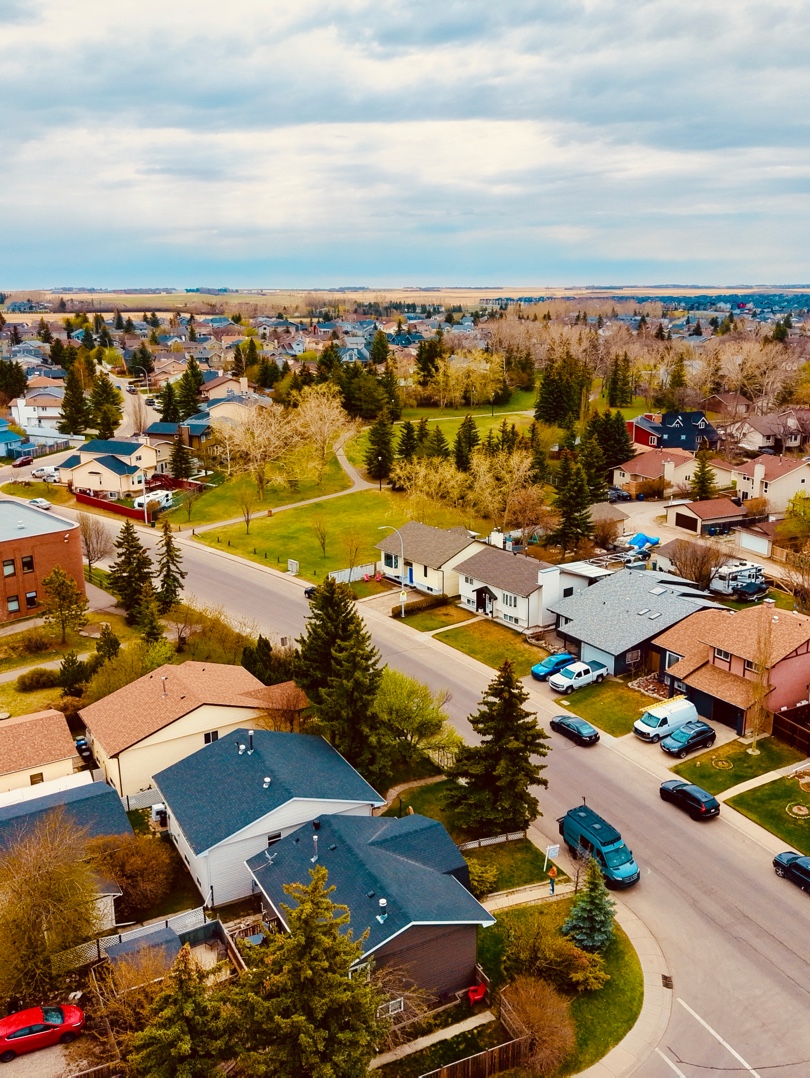
Gram-Shot
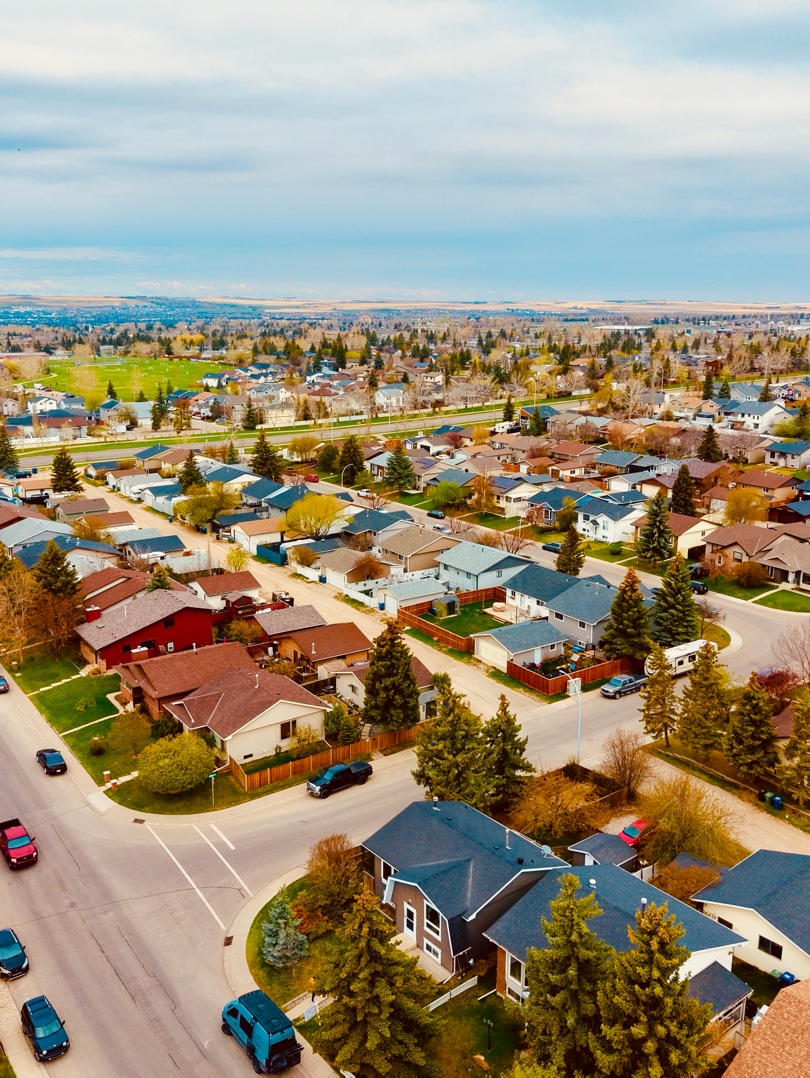
We’ve included a couple additional drone shots to provide a broader perspective of the property and its surroundings. These images offer a unique vantage point, showcasing the property’s placement within the neighborhood, nearby features, and the overall landscape.
|
|
|
Gram-Shot ⭐️
❤️
|
|
|
|
|
|
Additional roof photos
For your records
|
|
|
|
|
|
|
|
|
|
|
|
The Roof Baseline O.W.L
𝗥𝗼𝗼𝗳 – 𝗔𝗿𝗲𝗮𝘀 𝗜𝗻𝘀𝗽𝗲𝗰𝘁𝗲𝗱Roof components are reviewed for presence, general condition, visible damage, and basic performance characteristics where applicable. This includes commonly accessible roofing materials, flashings, roof penetrations, drainage features, and visible edges and transitions. The review focuses on observable conditions from accessible vantage points and does not include destructive testing or prediction of remaining service life. |
|
| E BACK TO SUMMARY |

|
Report Legend
Explains reports symbols.
|
|
|
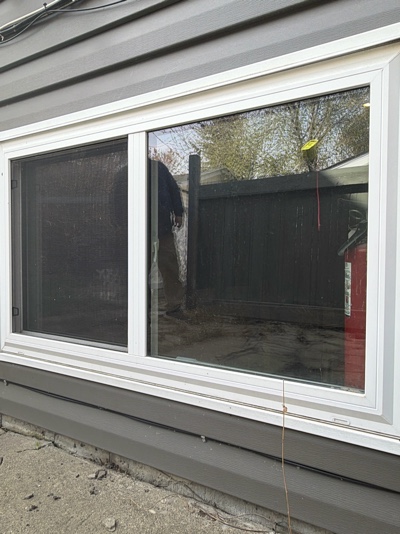
Window(s) & Trim-Casing
Reviewed for glazing, condition, cracking, flashing, gaps & sealant deterioration.
|
|
|
Exterior Outlet(s).
Inspected for safety, GFCI presence (using a standard plug tester.)
|
|
|
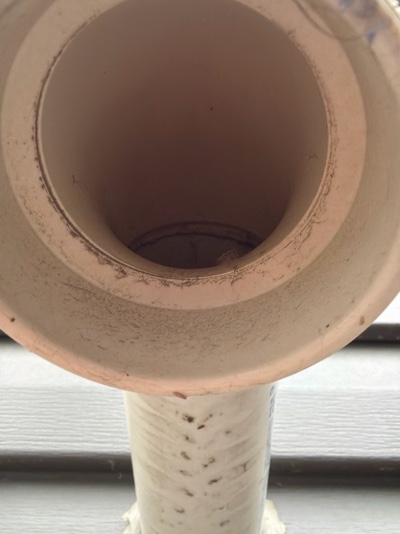
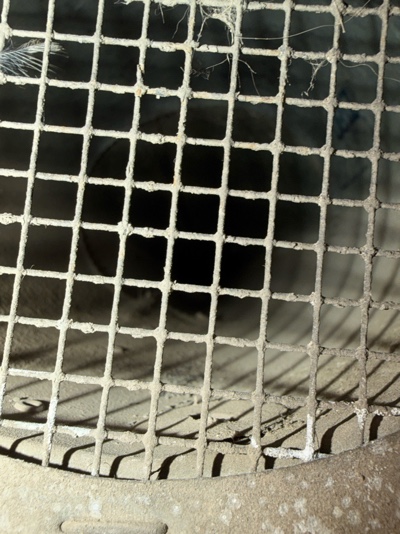
HVAC Utility Vent(s)
Inspected for installation, fittings, clearances, penetrations & sealant condition.
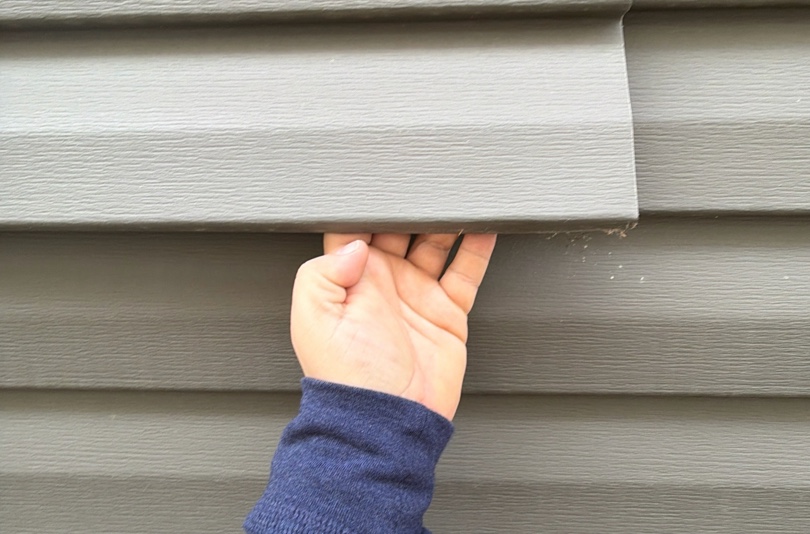
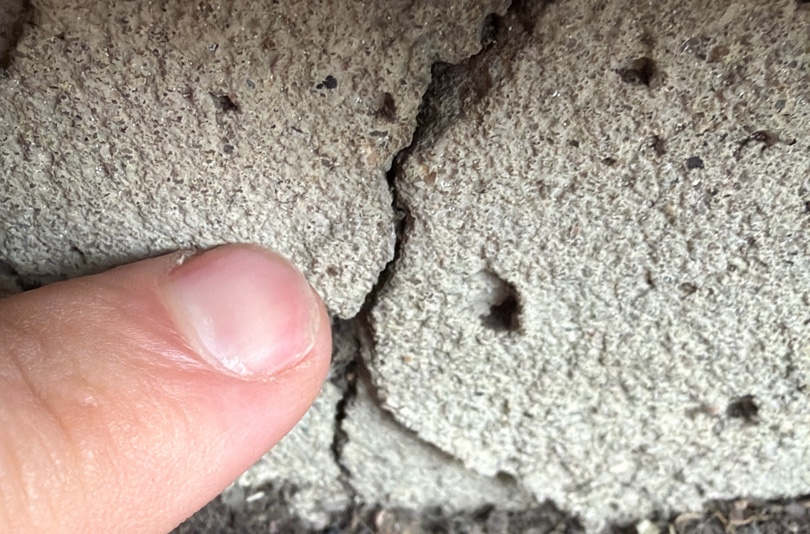
Additional Vent(s)
⠀⠀⠀⠀⠀⠀⠀⠀
|
|
|
|
|
|
|
|
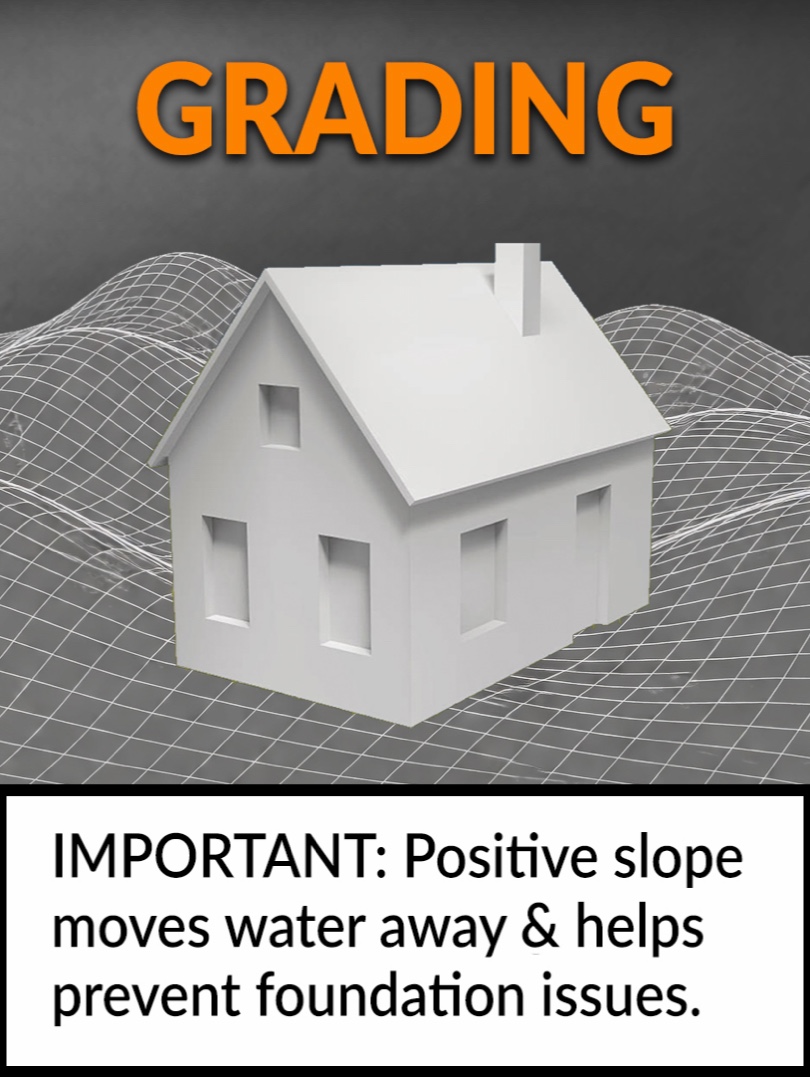
⚠️ SLOPE & Grade Management
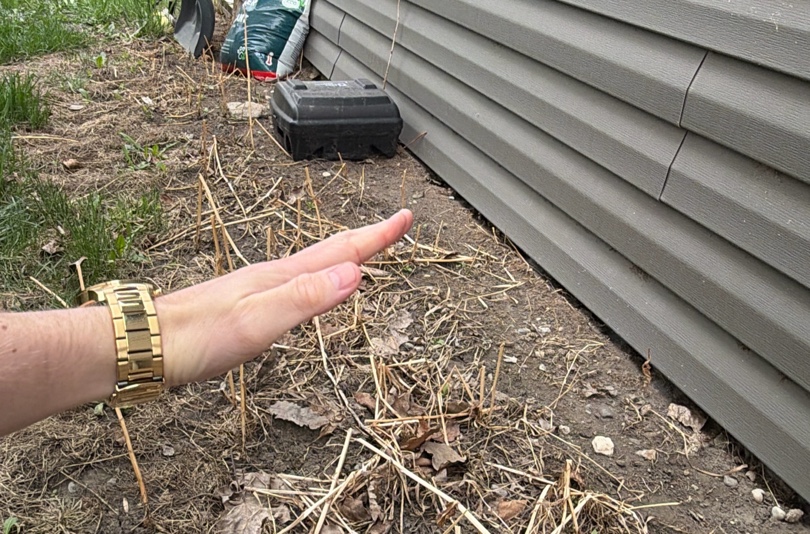
Proper grading should slope away from the foundation, not remain flat or create negative slope that directs water toward the property. Watch for heaving, settling, and high or low spots that can trap moisture near walls. Ensure downspouts discharge well away from the structure and that gutters are level and draining correctly. Poor alignment or overflow can erode soil over time, increasing the risk of moisture intrusion and foundation movement.
|
|
|
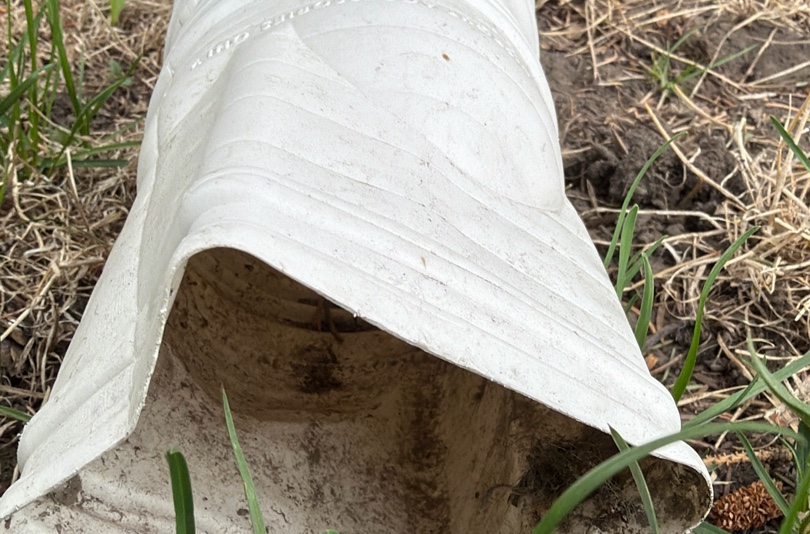
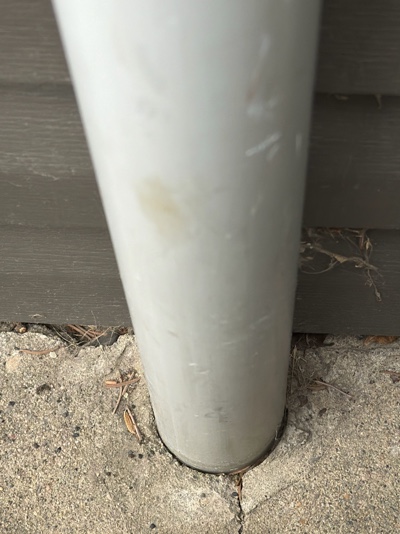
Drainage System(s)
Inspected for discharge location, flow, secure connections, blockage, slope & conditions directing water away from the structure.
|
|
|
|
|
|
|
|
|
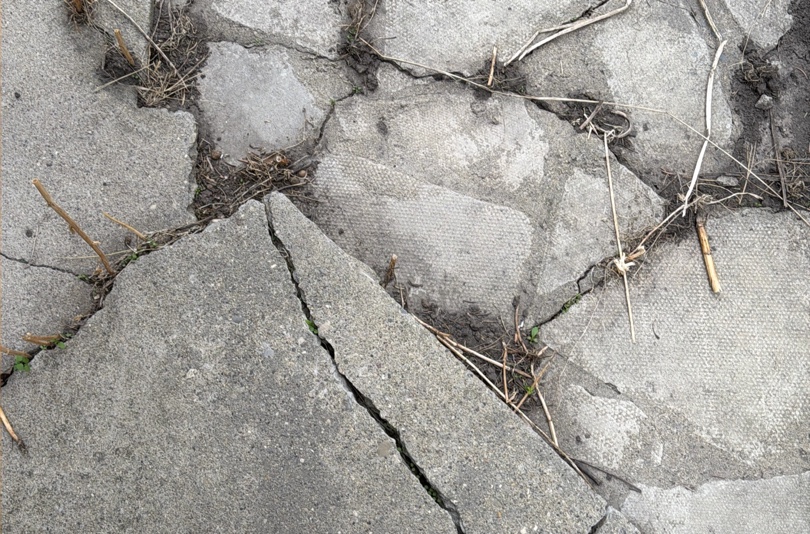
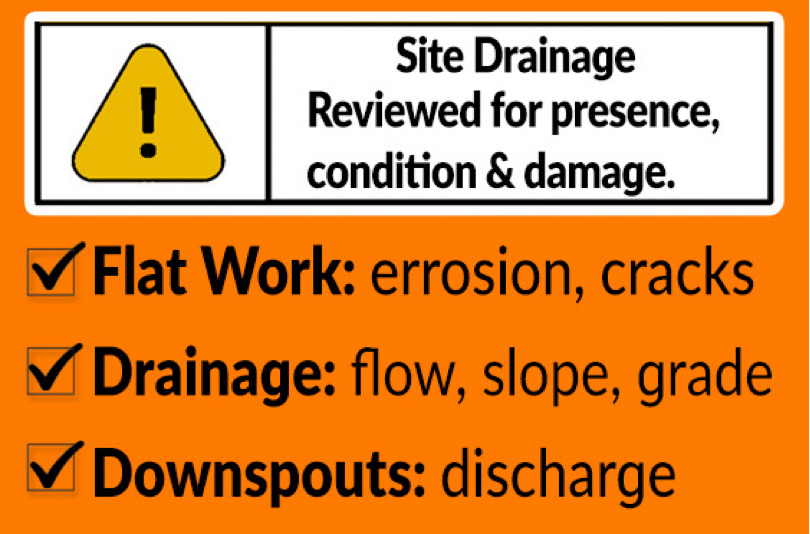
Grading & Drainage Baseline
Inspection of grading, pathways, flatwork, and drainage focused on visible slope, surface condition, and water flow around the structure. Limited to observable conditions at time of inspection.
|
|

|
|
Focus Feature Page
These are photos related to the same component or system.
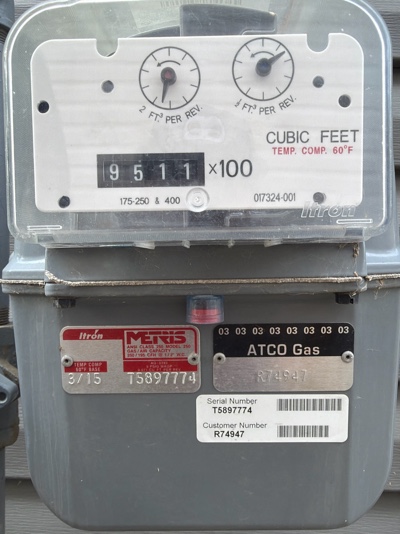
Gas Meter(s)
Observed for secure mounting, clearance, corrosion, regulator condition & visible gas line connections. Dirty / Rust. Clean / Repair / Maintain.
|
|
|
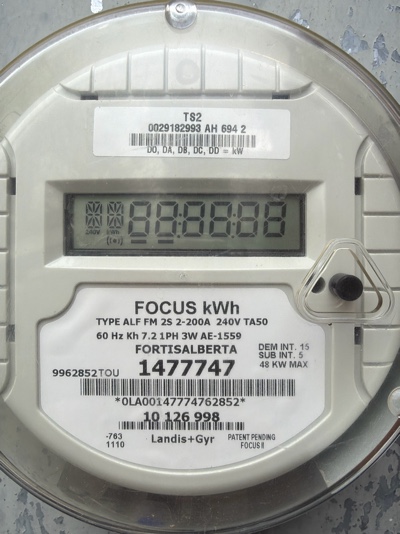
Electrical Service Meter(s)
Observed for presence, secure mounting, cover condition, clearances, conduit connections & visible service wiring concerns.
Electrical Entry.
Observations include service attachment, drip loop, clearance & visible damage or corrosion
|
|
Power Down, Save Up.
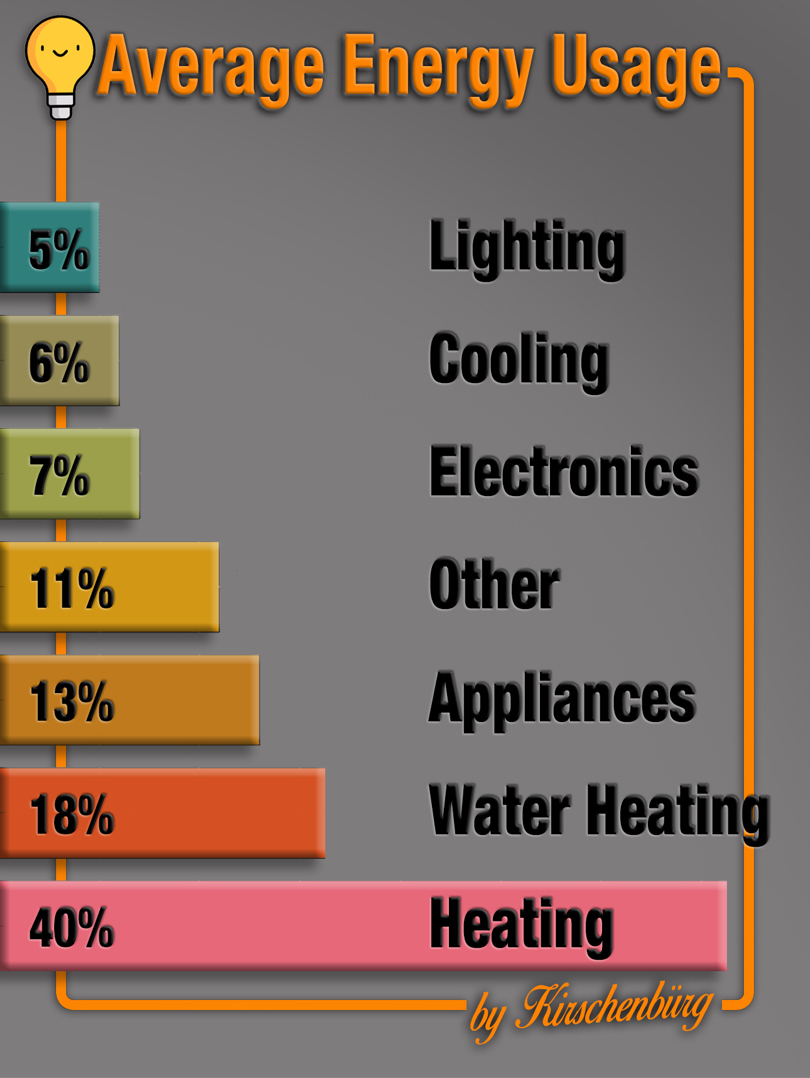
To boost energy efficiency, switch to LED lighting and turn off lights when not in use. Use ceiling fans and set thermostats a few degrees higher in summer and lower in winter. Unplug electronics when not in use and choose ENERGY STAR® appliances. Lower your water heater to 120°F and insulate hot water pipes. Keep filters clean and schedule regular maintenance on heating and cooling systems.
|
|

|
|
Focus Feature Page
These are photos related to the same component or system.
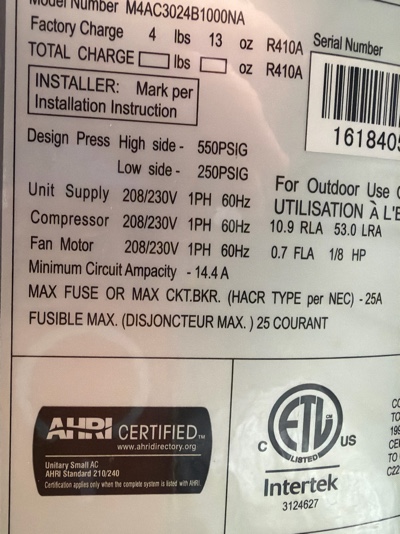
AC Data Plate(s)
Unit detail(s). See also Insurance Section.
|
|
|
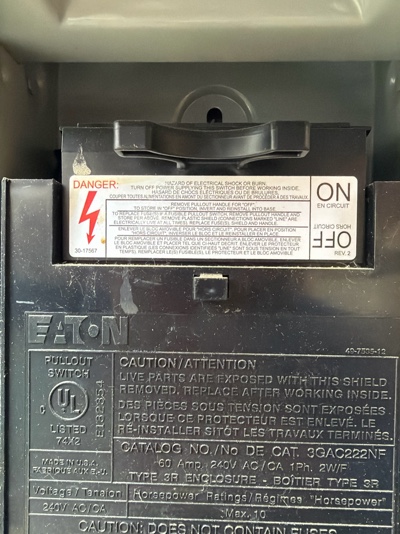
AC Disconnect(s) ⠀⠀
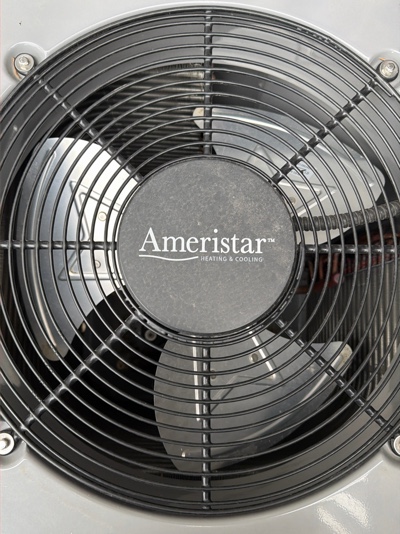
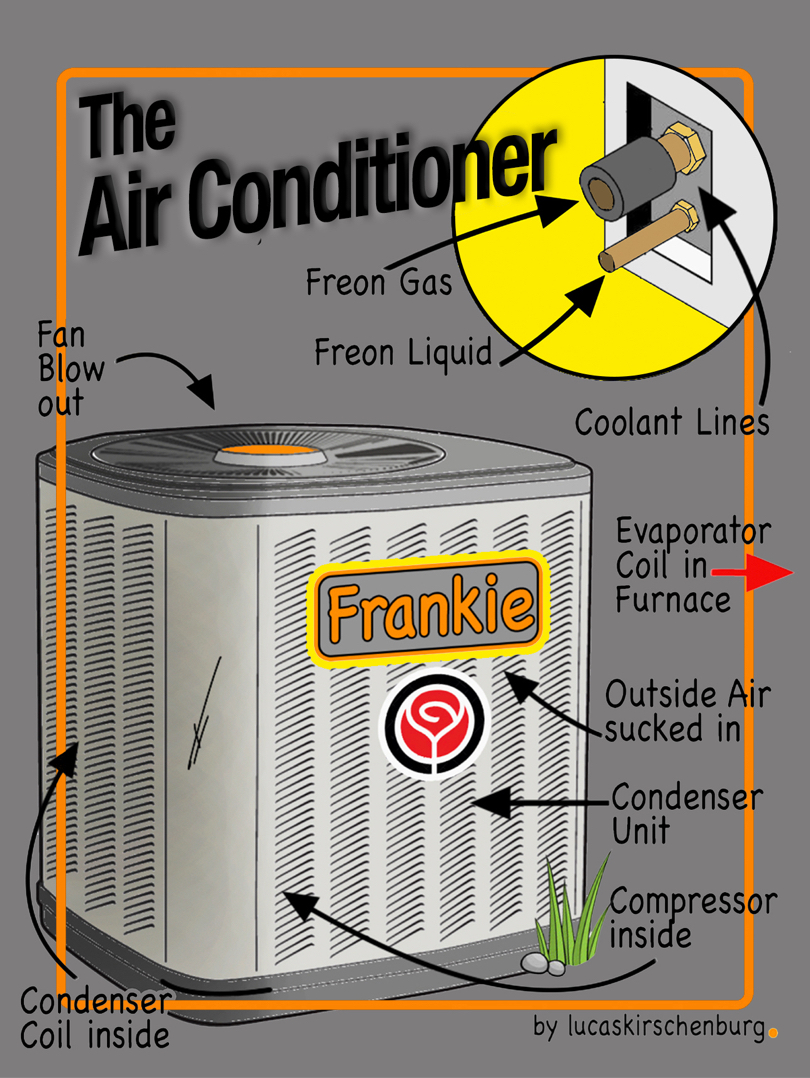
Air Conditioner Unit(s)
Undetermined: Results unclear due to weather conditions or limitations. Further review may be needed to confirm the situation. Not Inspected
|
|
Overview Air Conditioner(s)
Routine AC maintenance includes cleaning the condenser coil, confirming the unit is level and secure, checking refrigerant line insulation, ensuring the disconnect is accessible, and verifying proper airflow at the exterior unit. Filters should be replaced regularly, vegetation kept clear, and unusual noise or vibration monitored to help extend equipment life and maintain efficiency.
|
|

|
|
Focus Feature Page
These are photos related to the same component or system.
|
|
|
Overview Deck 1 UNDER
|
|
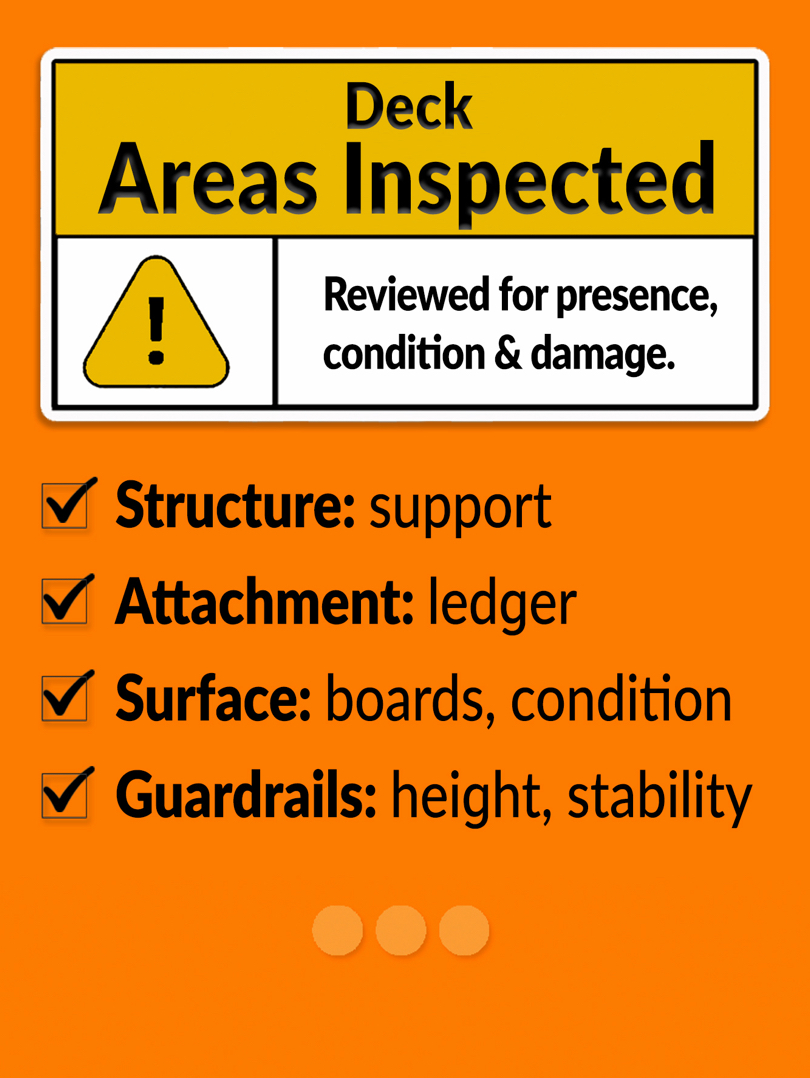
The Deck Baseline
Visually inspected structural components including posts, beams, and joists for condition & movement. Looking for ledger attachments & visible flashing at the house connection. Assess decking boards for deterioration or damage, & review guardrails & stairs for stability & general safety.
|
|
|
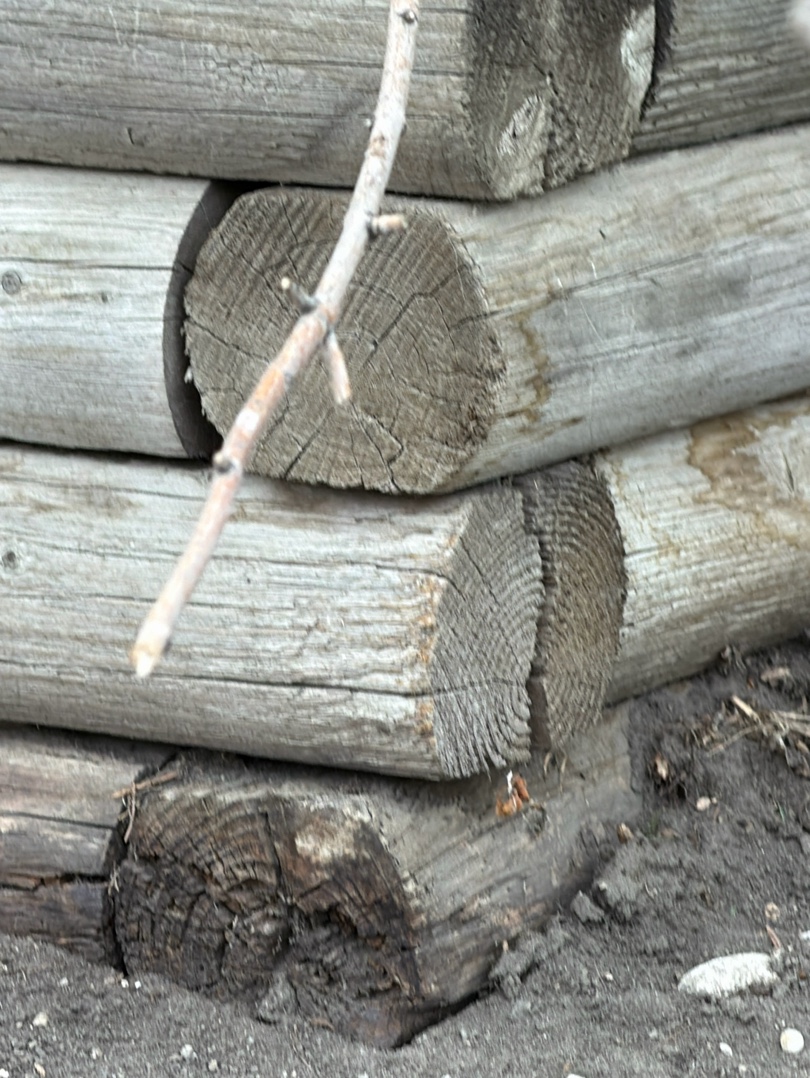
Retaining Wall(s)
Visually inspected for damage, cracks, leaning, bulging, moisture damage, and wear or compromised integrity.
|
|
|
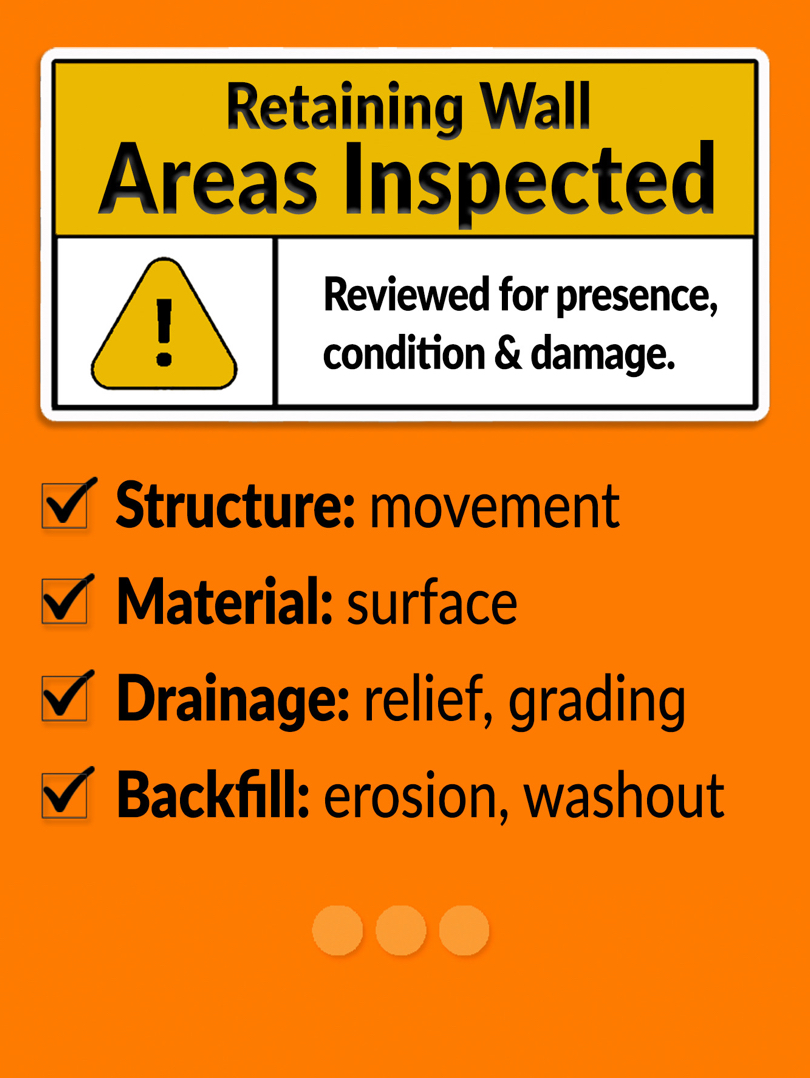
Retaining Wall Baseline
Retaining Wall(s) – Areas Inspected Components are reviewed for presence, general condition, and visible signs of damage or deterioration where accessible. This includes retaining wall faces, caps, posts or reinforcing elements, drainage provisions, and adjacent grading or surface conditions. Accessible areas are checked for cracking, bulging, leaning, settlement, displacement, moisture staining, or erosion at the wall and surrounding soils. The review is limited to observable conditions without excavation, dismantling components, or evaluating concealed footings, reinforcement, or subsurface drainage systems. |
|
|
|
|
|
The Exterior Baseline
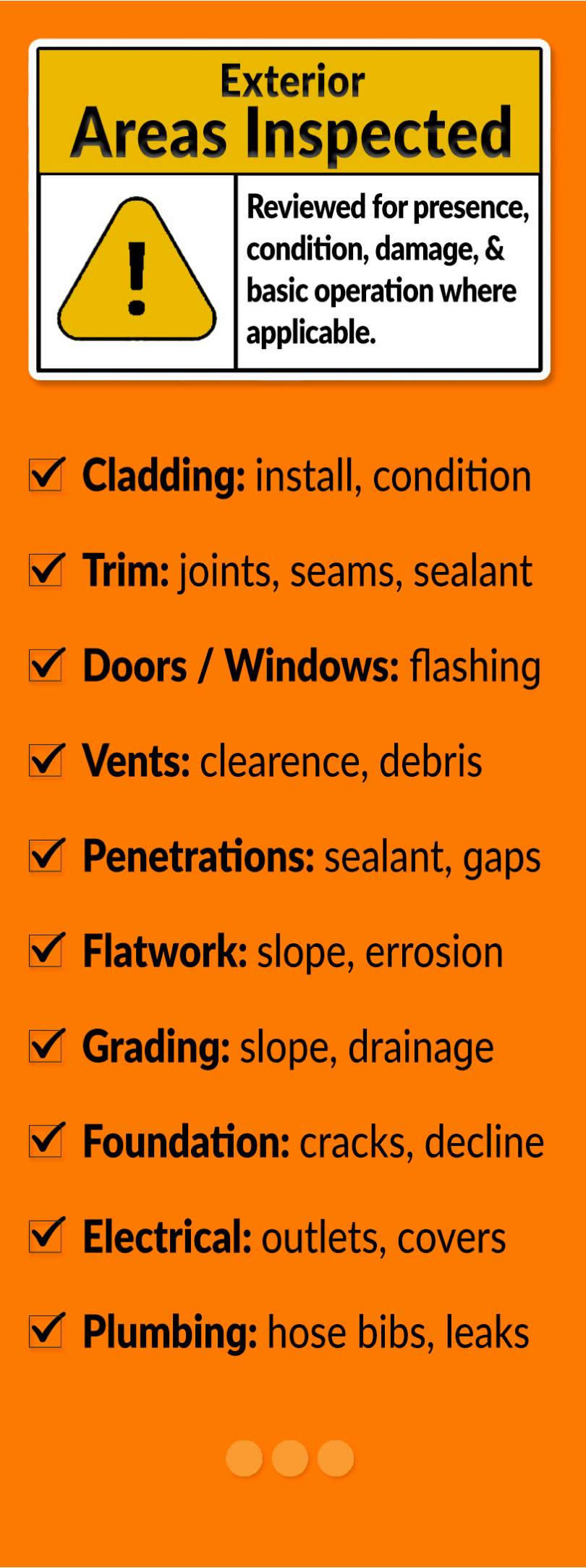
𝗘𝘅𝘁𝗲𝗿𝗶𝗼𝗿 – 𝗔𝗿𝗲𝗮𝘀 𝗜𝗻𝘀𝗽𝗲𝗰𝘁𝗲𝗱Exterior components and finishes are reviewed for presence, general condition, visible damage, and basic operation where applicable. This includes commonly accessible elements such as exterior walls and cladding, doors and windows, trim and sealants, decks, steps, railings, porches, balconies, and visible foundation surfaces. Drainage features, surface grading, and other exterior elements that may affect moisture management and overall performance are also visually reviewed where present. |
|
| A BACK TO SUMMARY |

|
Report Legend
Explains reports symbols.
|
|
|
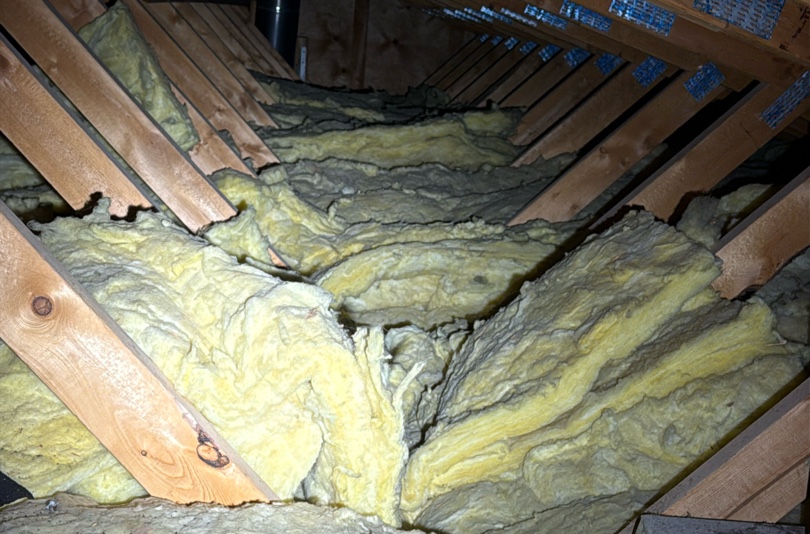
The Hatch (Scuttle) Entry
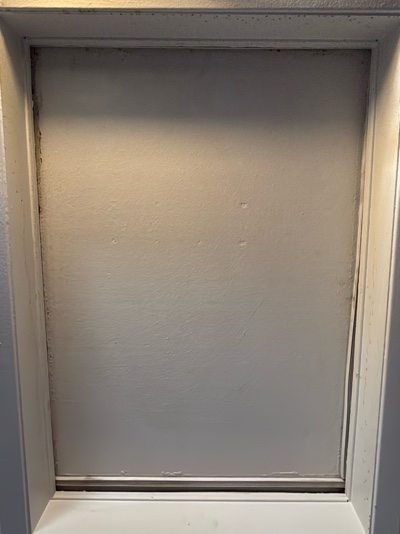
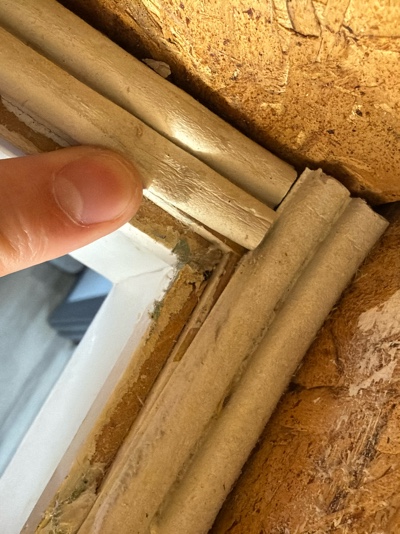
Visually inspected for insulation & signs of damage, gaps, or air leakage at the opening.
|
|
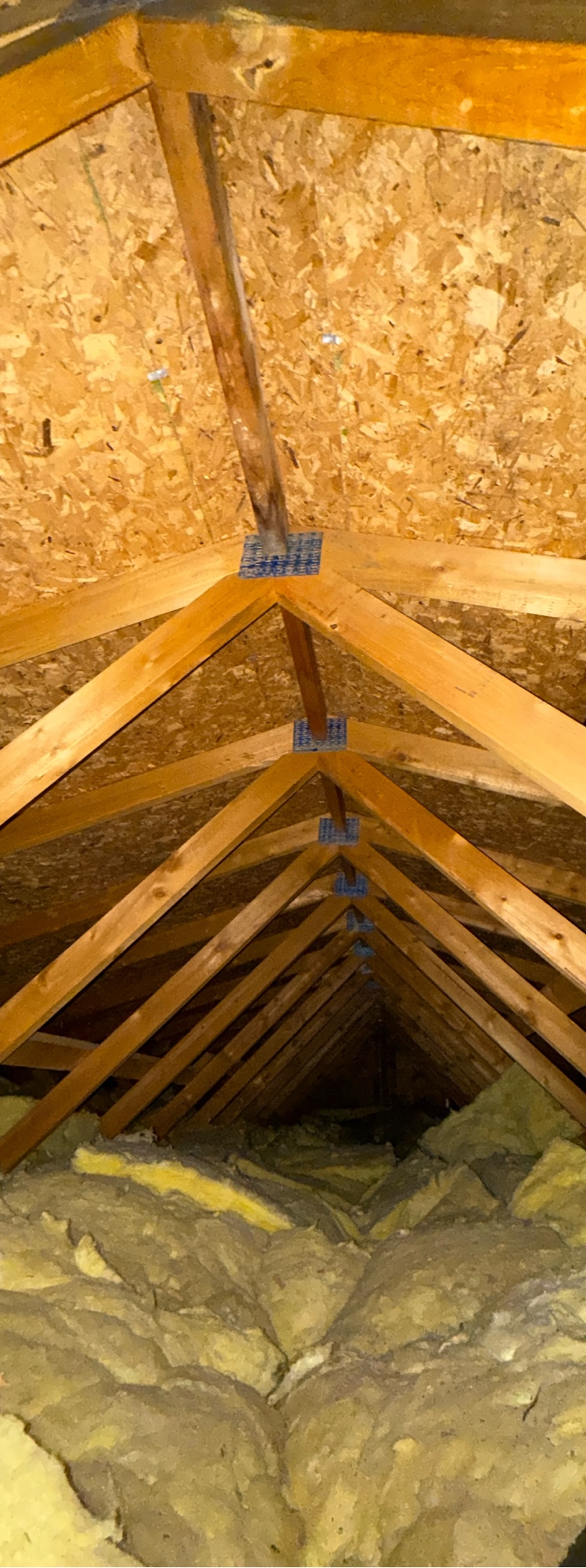
Sheathing / Roof Decking
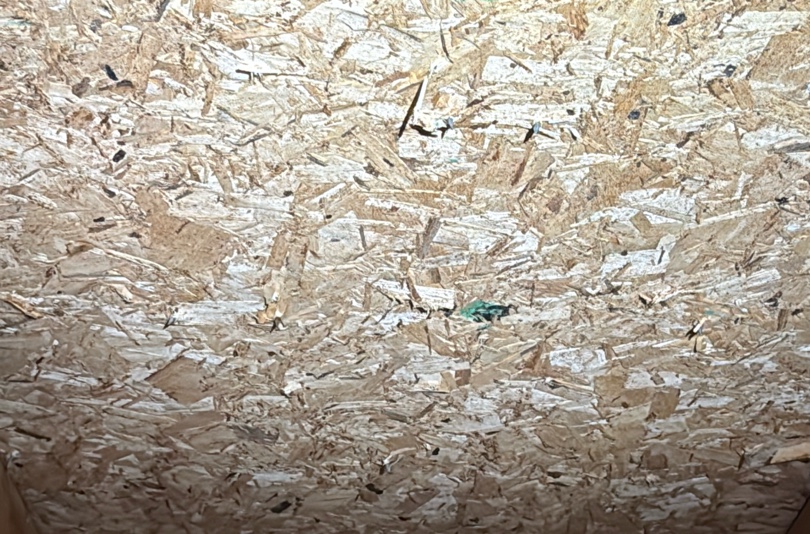
Observations include material type, fastening pattern, visible sagging or deflection, moisture staining, delam & signs of past or active deterioration.
|
|
|
|
|
|
|
|
|
|
|
|
Context / Supporting Photo
|
|
|
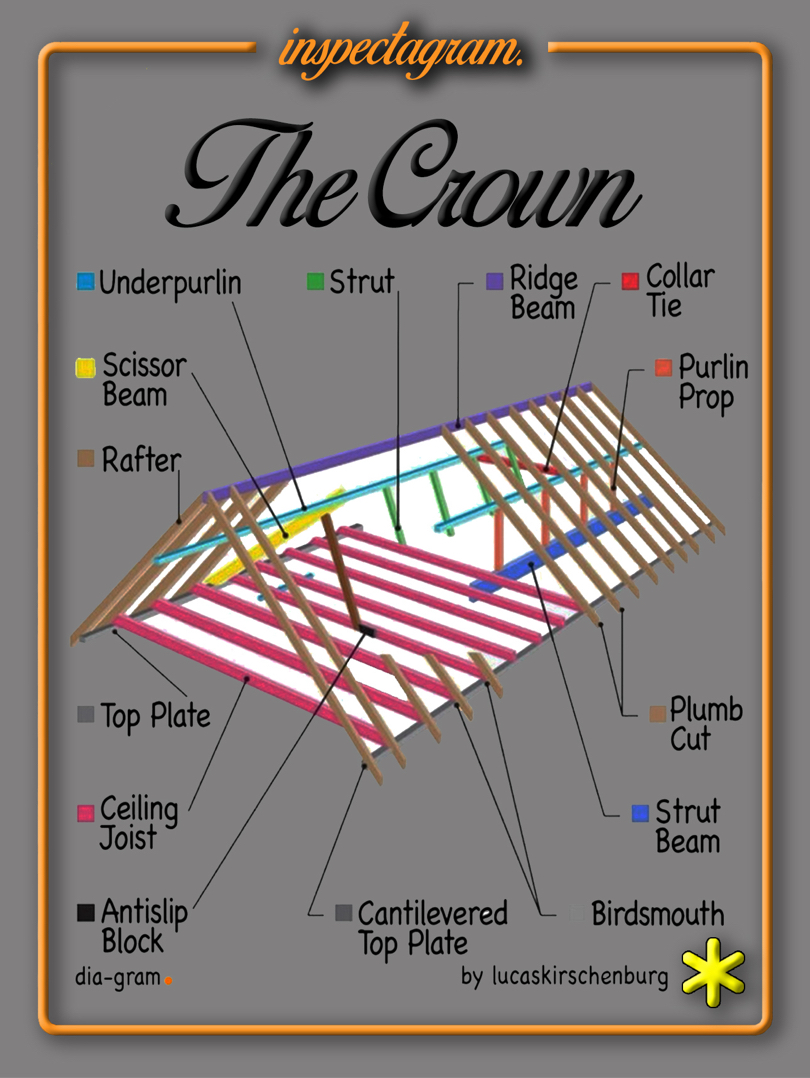
The Crown’
The roof structure of a home is composed of several critical elements. Rafters and trusses, made from wood or metal, form the skeleton of the roof, supporting the outer layers and shaping the roof’s slope and style. Sheathing, typically plywood or OSB, is attached to the rafters/trusses, providing a base for roofing materials. Underlayment, a water-resistant layer, is placed over the sheathing for added protection against moisture. The roof covering, which can be shingles, tiles, metal, or other materials, serves as the outermost barrier against weather elements. Flashing is used around vents, chimneys, and valleys to prevent leaks, and gutters are installed to channel water away from the structure.
|
|
|
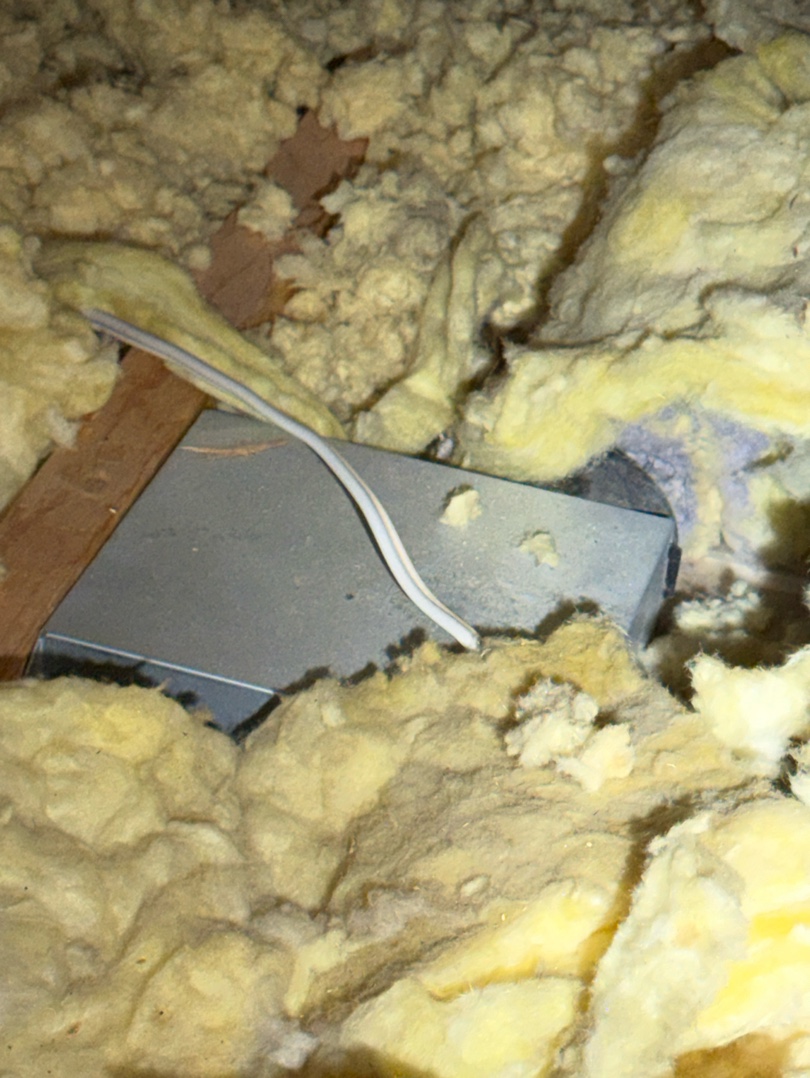
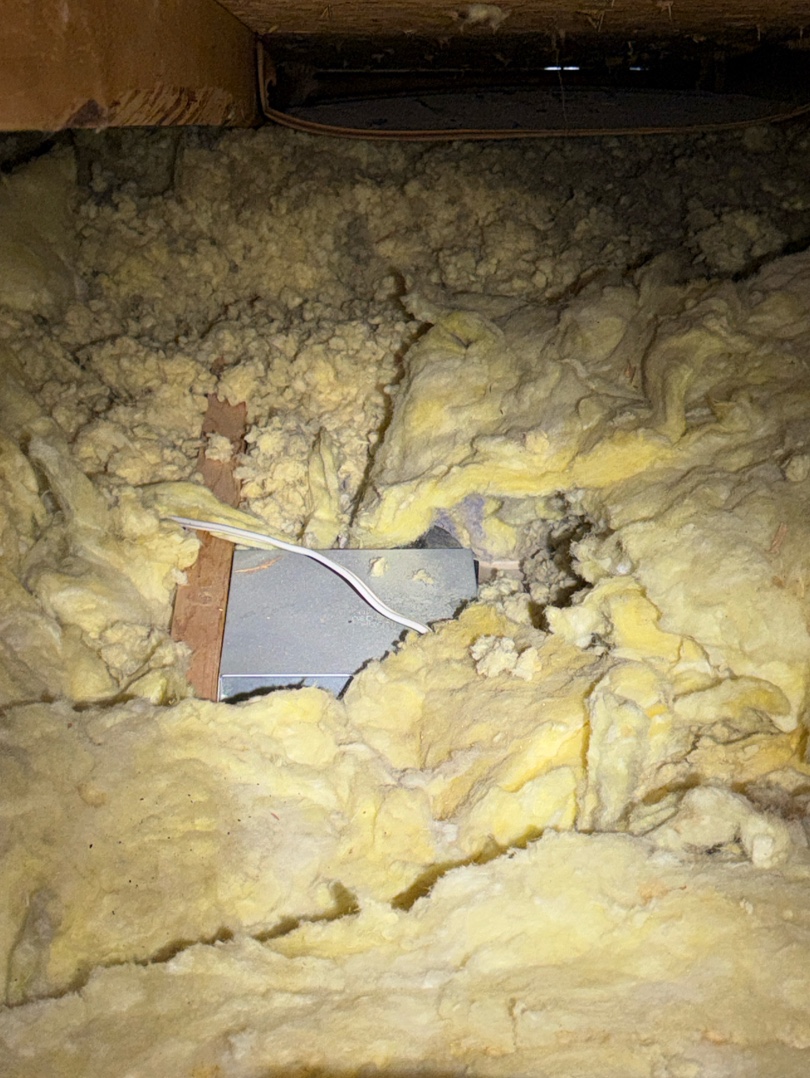
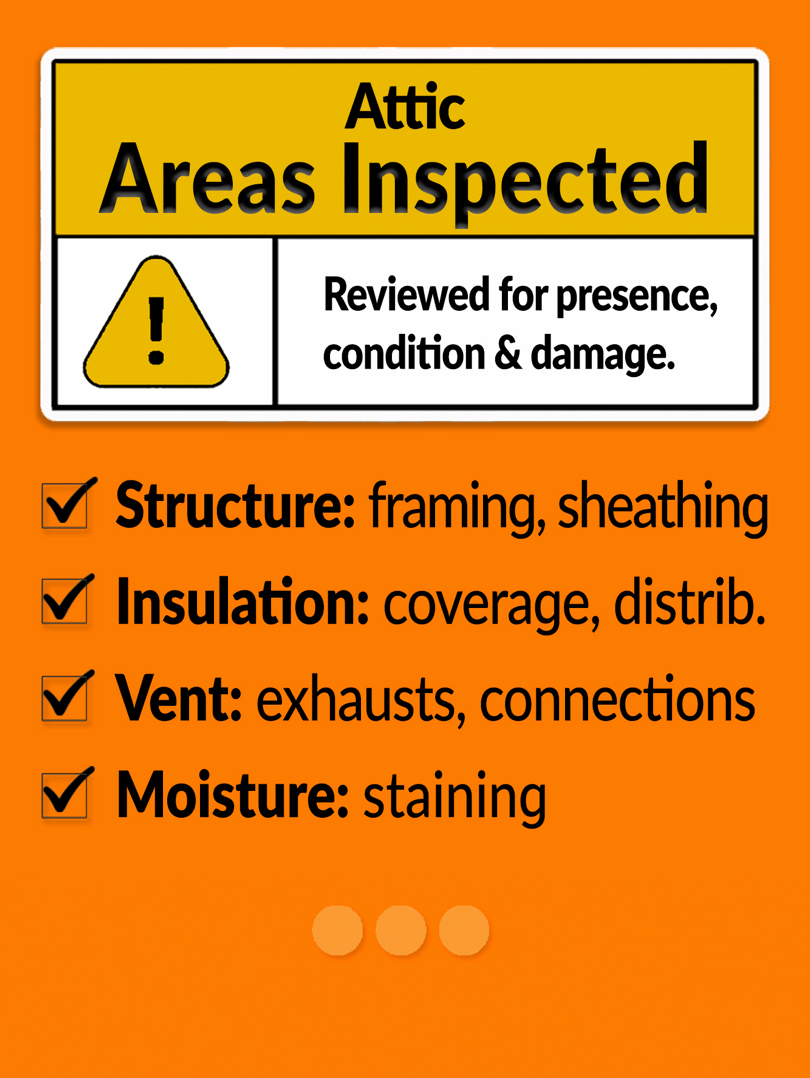
The Attic Baseline
Components are reviewed for presence, general condition, and visible signs of damage or deterioration where accessible. This includes visible roof framing, sheathing, insulation, ventilation components, attic access, and observable wiring or mechanical penetrations. Accessible areas are checked for moisture staining, microbial growth, pest activity, displaced or compressed insulation, and improper ventilation. The review is limited to observable conditions without moving insulation, dismantling components, or evaluating concealed framing, wiring, or roof coverings.
|
|
| I BACK TO SUMMARY |

|
Report Legend
Explains reports symbols.
|
|
|
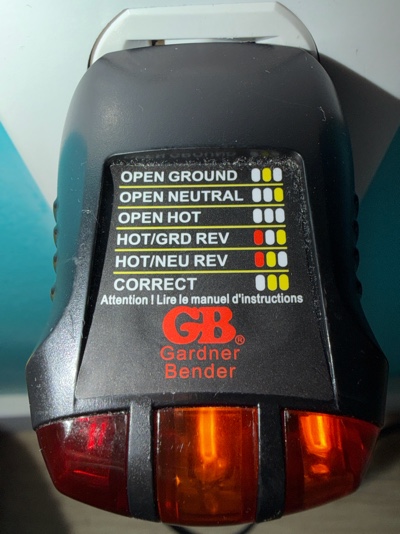
Outlet(s)
Inspected for operation, secure mounting, polarity, grounding, cover condition & visible wiring concerns.
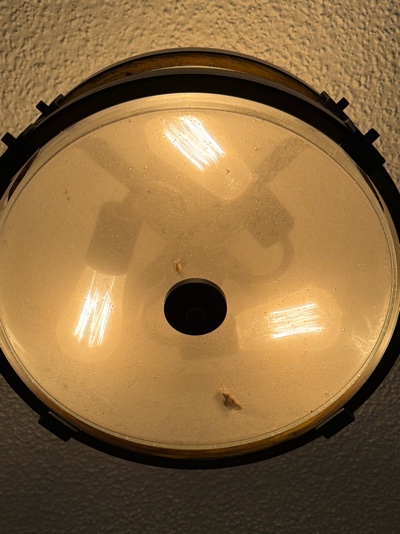
Interior Light(s)
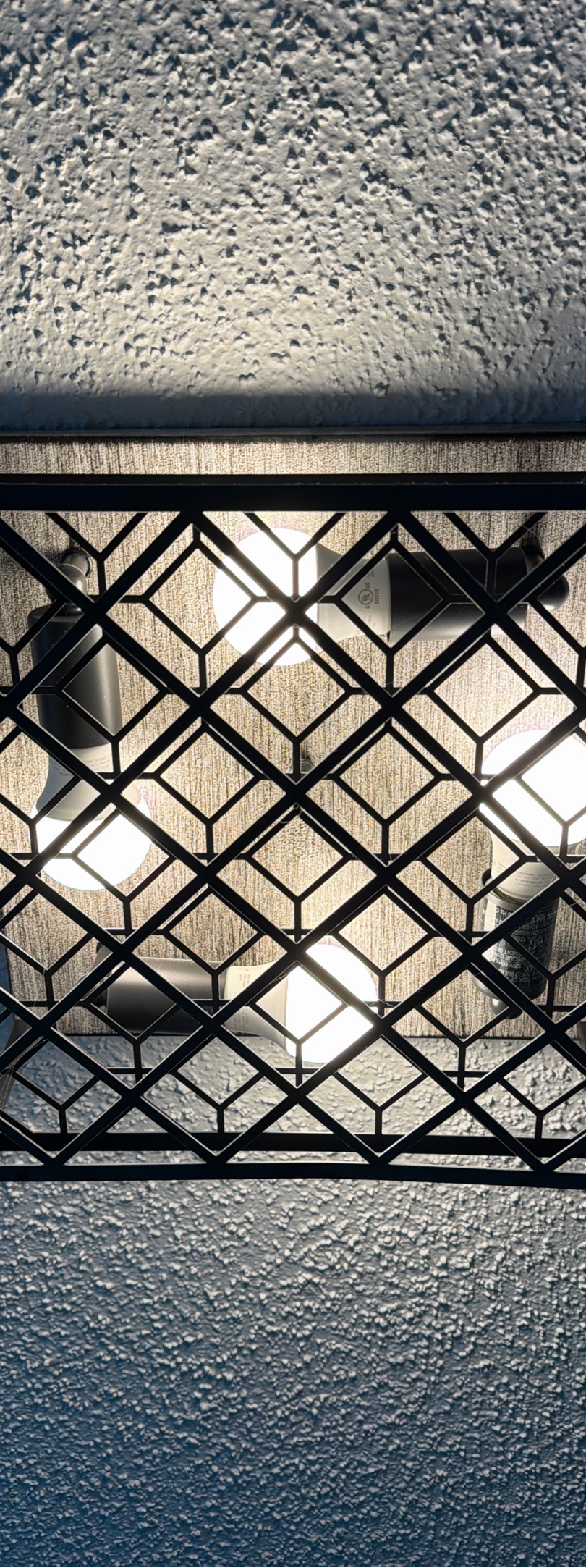
Inspected for operation using normal switching procedures & visible deficiencies.
|
|
|
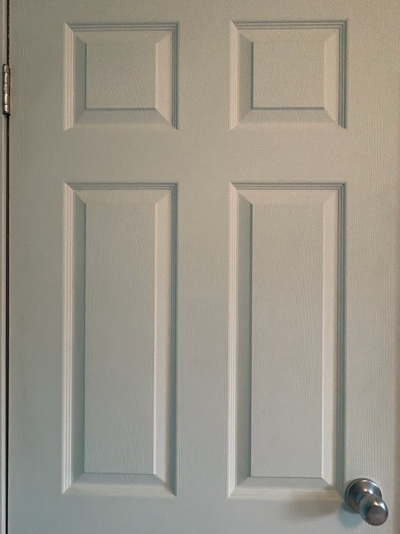
Interior Door(s) ⠀
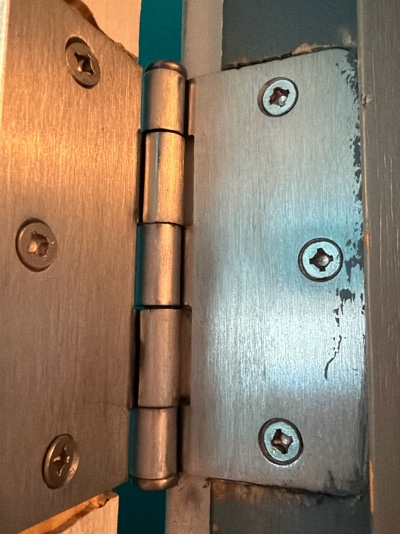
Attention given to alignment, operation, hardware, hinges, latching, & indicators affecting use.
Door Hinge.
|
|
|
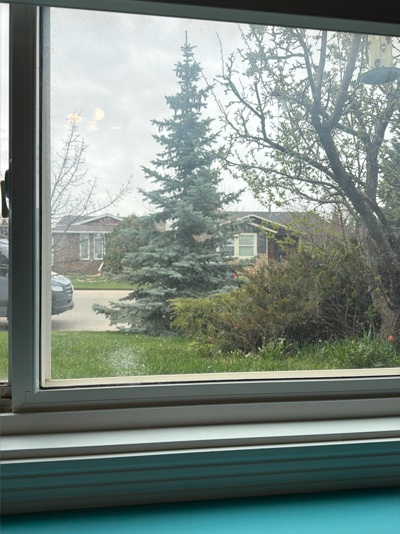
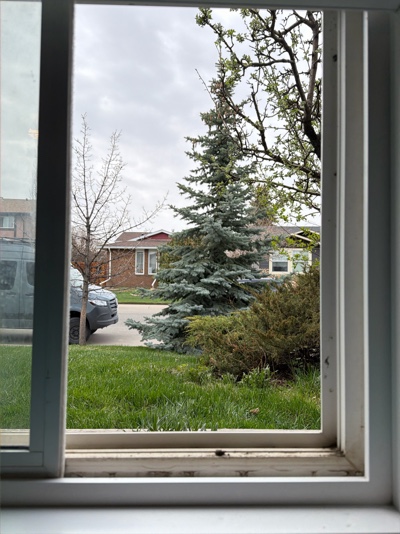
Interior Window(s) ⠀
Observations included glazing, operation, seals, & conditions affecting performance.
Window(s) & Operation
Review for opening, closing, latching, seals, weep holes & screens. See also Insurance Section.
|

|
General Ceilings / Walls
Visually examined for common defects.
|
|
|
|
|
|
About Humidity’
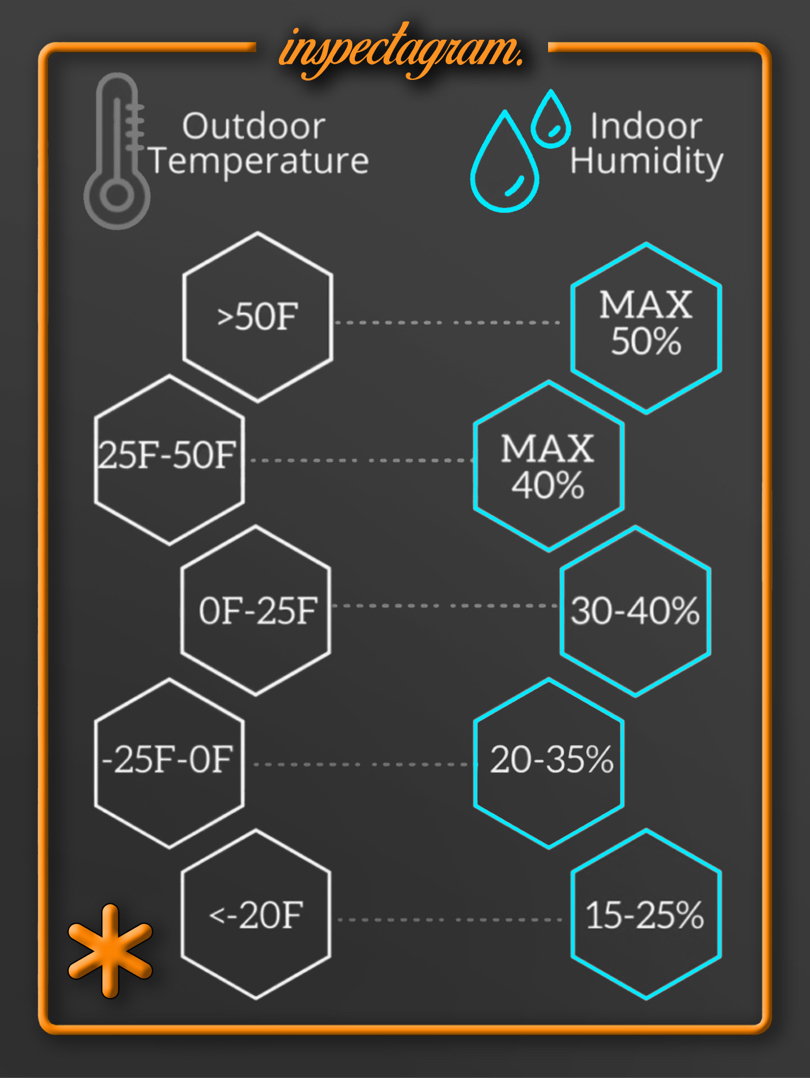
Maintaining proper indoor relative humidity in winter is crucial to health and comfort. Cold air holds less moisture, leading to dry indoor air when heated. Optimal indoor humidity (30-50%) prevents respiratory issues, dry skin, and damage to wood furnishings. Balancing it with outdoor temperature prevents condensation on windows and mold growth, ensuring a healthy and comfortable living environment.
|
|
|
|
|
|
The Fireplace Baseline
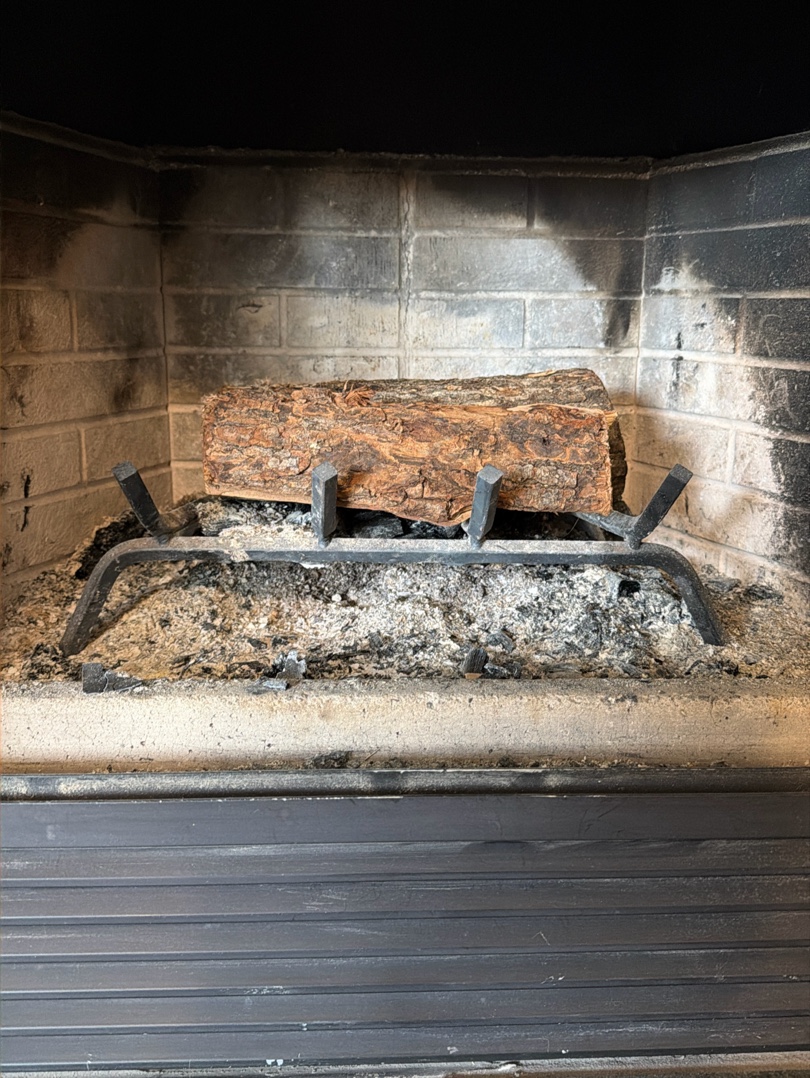
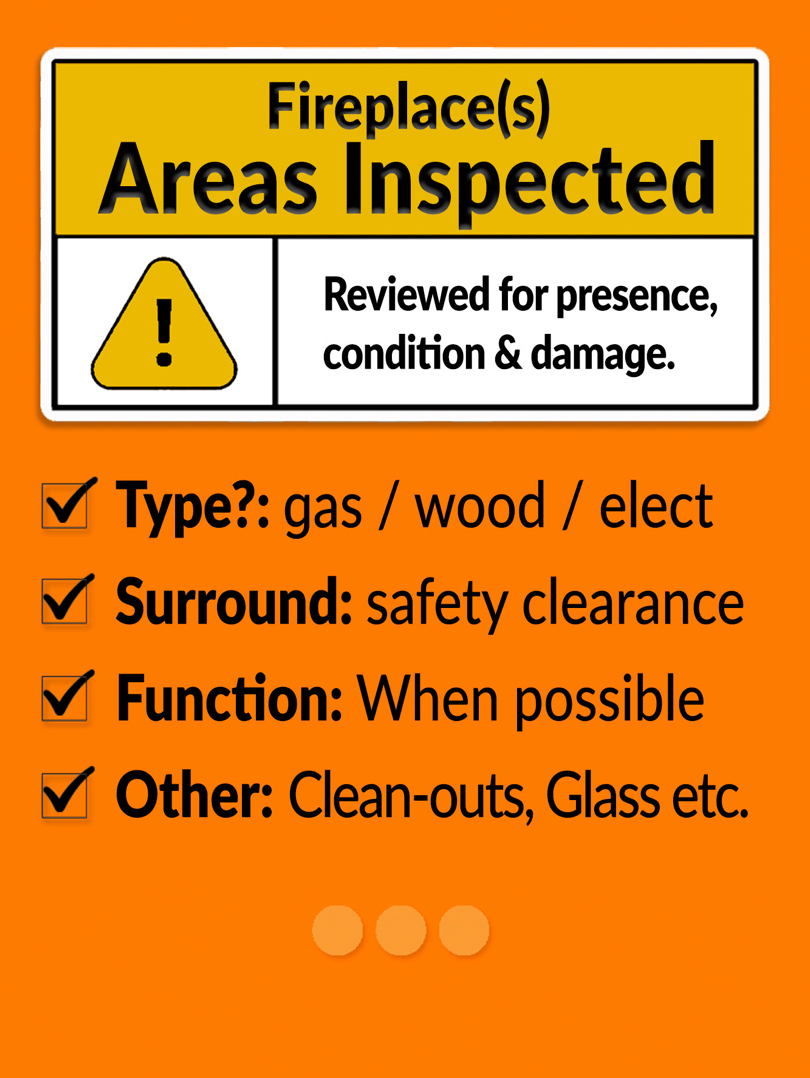
Components are reviewed for presence, general condition, and visible signs of damage or deterioration where accessible. This includes the fuel type, firebox, hearth, mantel, damper, and visible portions of the chimney and flue. Accessible areas are checked for soot accumulation, creosote buildup, cracks, or moisture intrusion. The review is limited to observable conditions without dismantling components or conducting internal chimney inspections.
|
|

|
|
Focus Feature Page
These are photos related to the same component or system.
|
|
|
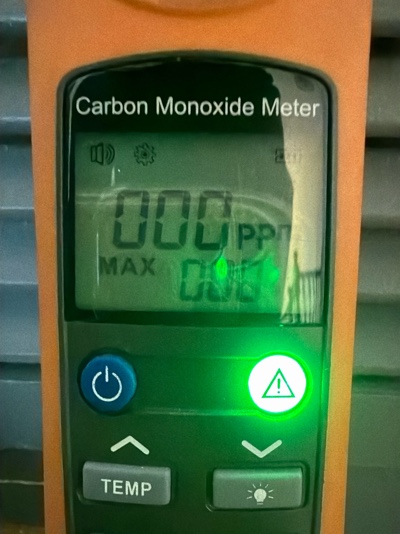
Carbon Monoxide Test(s)
Used to detect colorless, Odourless, & tasteless flammable gas. Spot checks performed in high-risk areas.
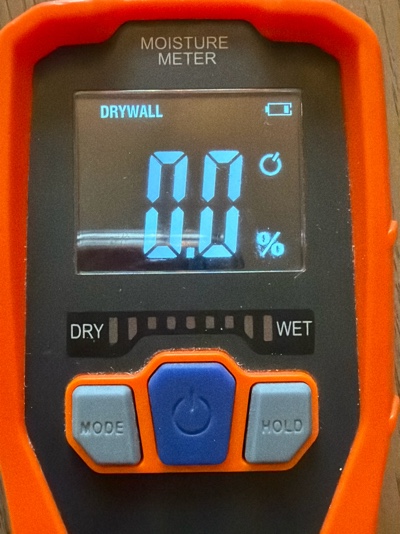
Moisture Meter Instrument
Used to measure the % of water in a given product. X10 Spot checks performed.
|

|
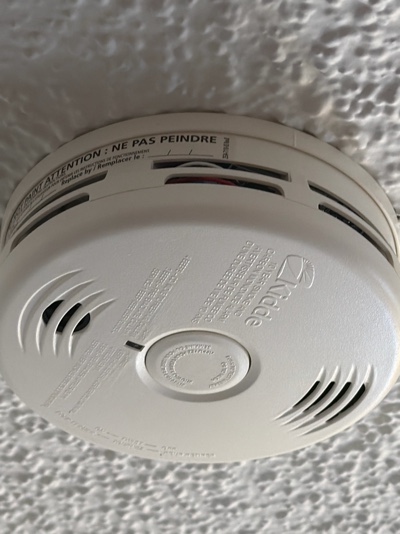
Safety First
Smoke and carbon monoxide alarms are essential life safety devices. Install smoke alarms in bedrooms, outside sleeping areas, and on every level. Install CO monitors outside sleeping areas and on each level near fuel burning appliances and attached garages.Test monthly. Replace batteries yearly. Replace units every 7 to 10 years.Keep fire extinguishers accessible in the kitchen, garage, and near mechanical equipment.
|
|

|
On the way out
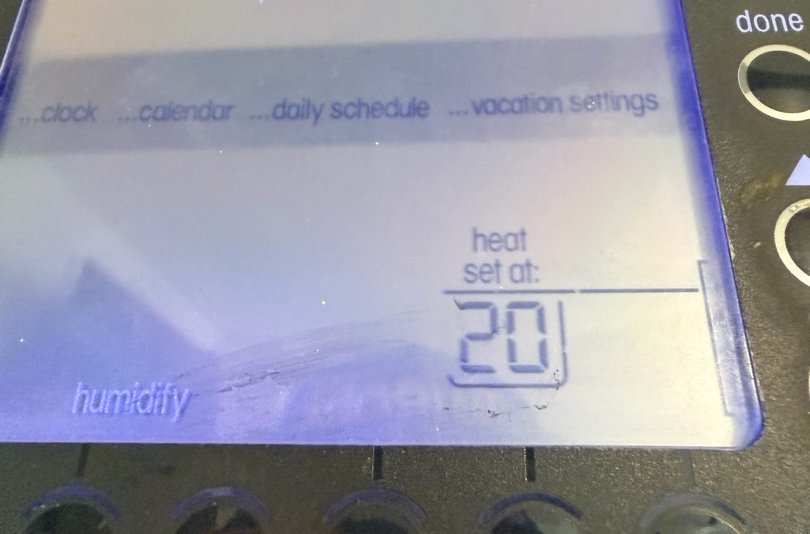
All items tested & operated during this inspection were returned to their prior settings & positions. Windows, doors, locks, switches, and appliances are restored to their original condition, and reasonable efforts are made to tidy and leave the home as it was found at the time of inspection.
|
|
|
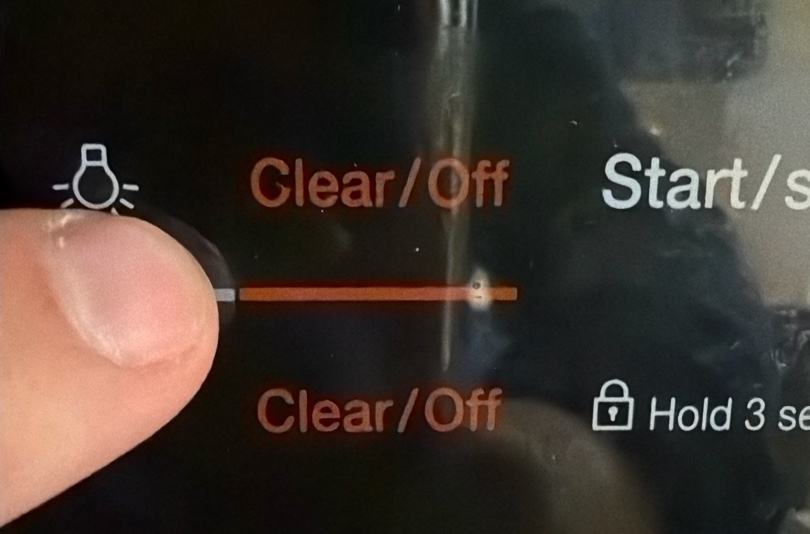
Stats set back
|
|
|
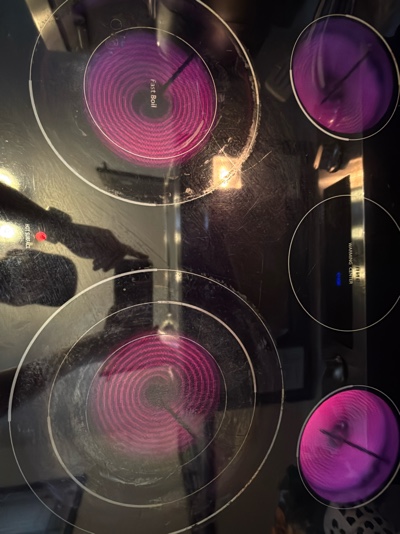
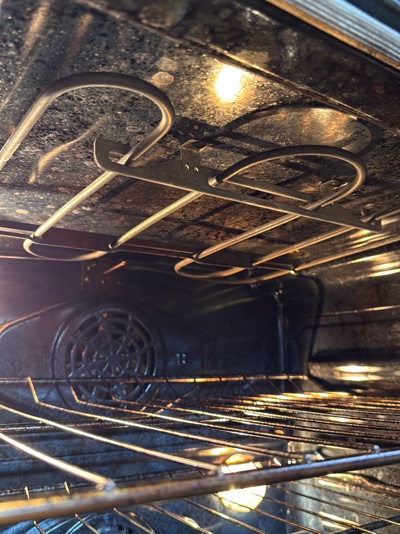
Stove / Oven Off
|
|
|
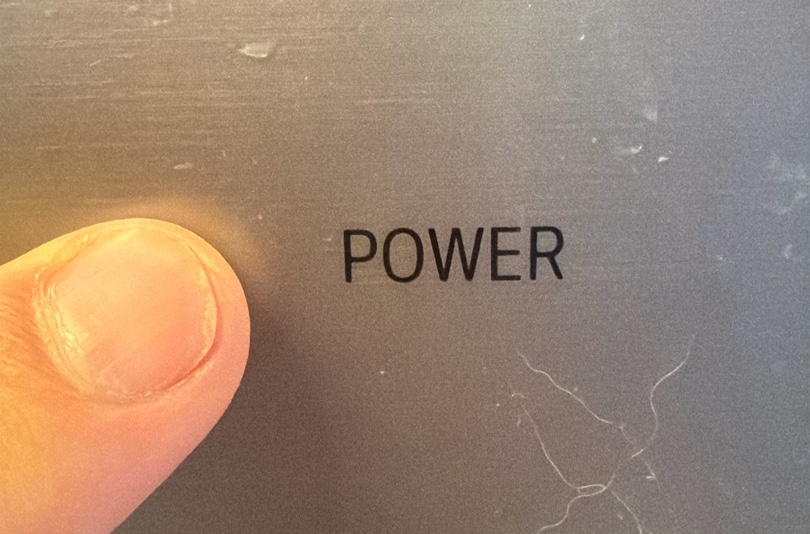
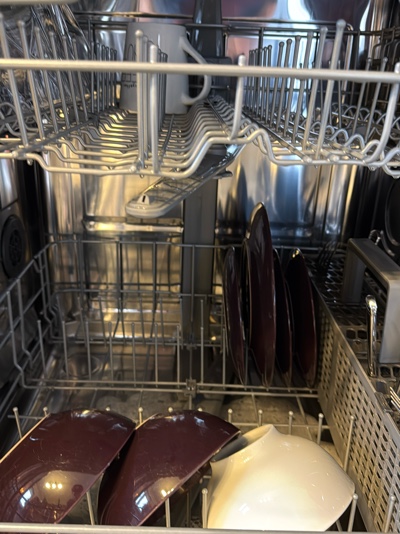
Dishwasher Off / Open
|
|
|
|
|
|
The Interior Baseline
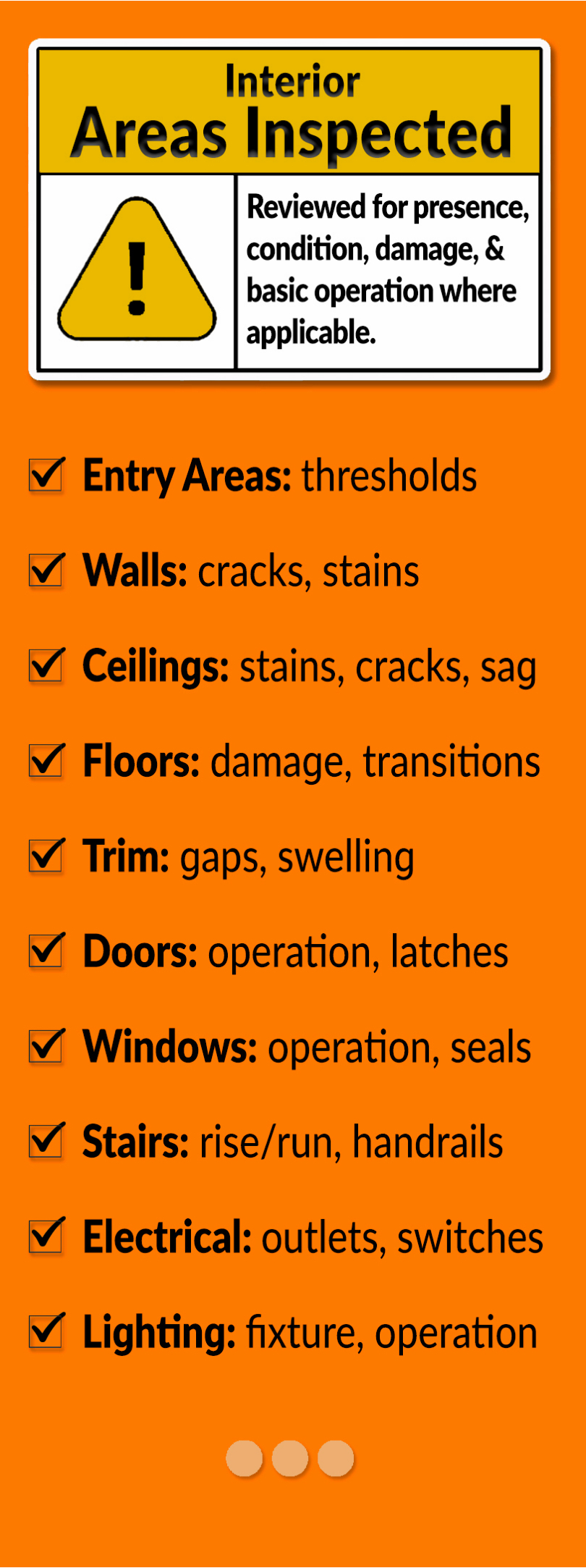
𝗜𝗻𝘁𝗲𝗿𝗶𝗼𝗿 – 𝗔𝗿𝗲𝗮𝘀 𝗜𝗻𝘀𝗽𝗲𝗰𝘁𝗲𝗱Interior components and finishes are reviewed for presence, general condition, visible damage, and basic operation where applicable. This includes commonly accessible areas and systems such as entry spaces, walls, ceilings, floors, trim, doors, windows, stairs, electrical components, lighting, life safety devices, heating and cooling distribution elements, and other visible interior features typically found within the living space of the home. |
|

|
|
Focus Feature Page
These are photos related to the same component or system.
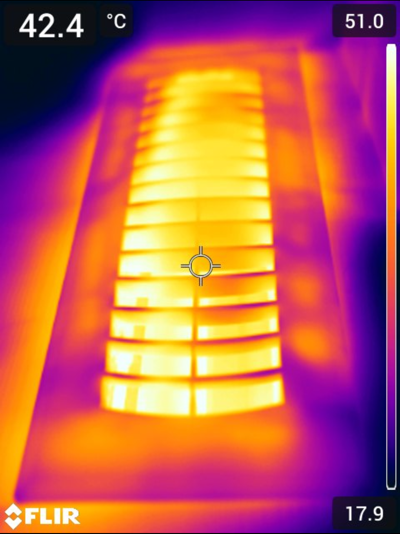
Thermal Heat Supply
|
|
|
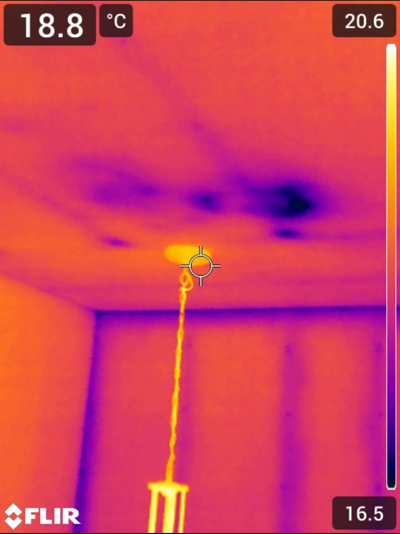
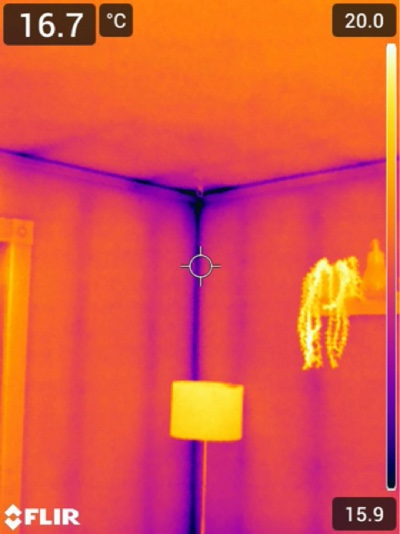
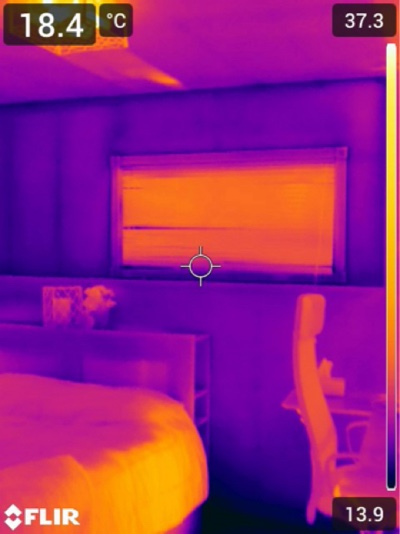
Thermal Wall(s)
|
|
|
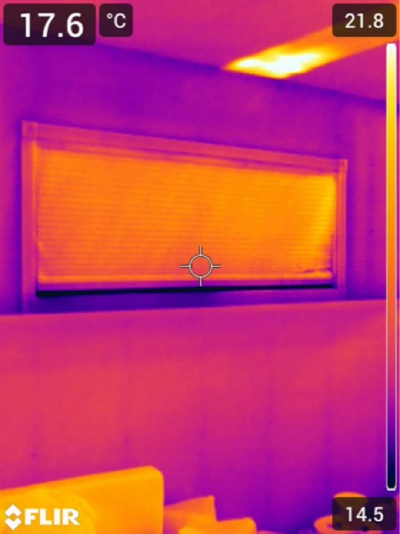
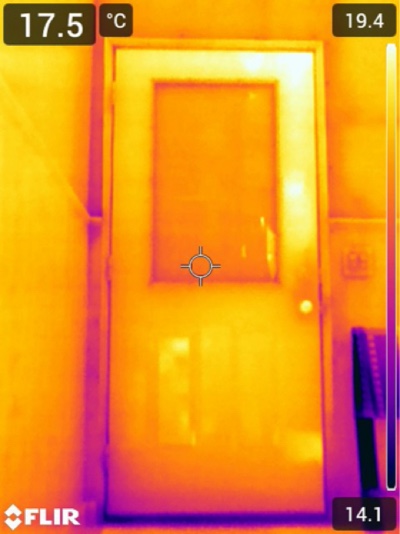
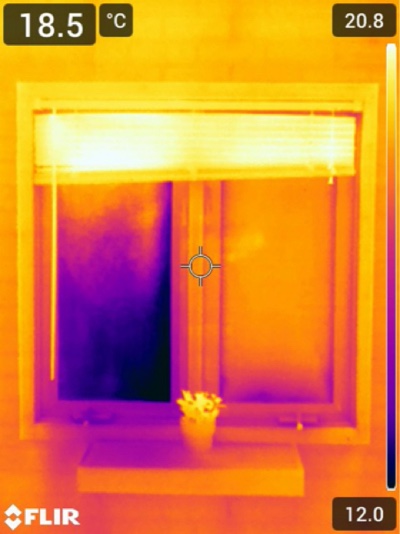
Thermal Window(s)
Thermal Door(s)
|
|
|
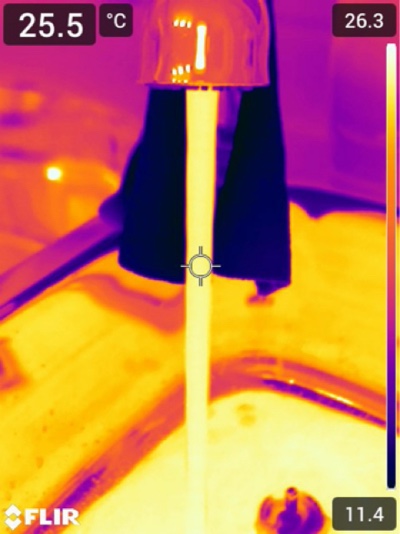
Hot Water Thermal
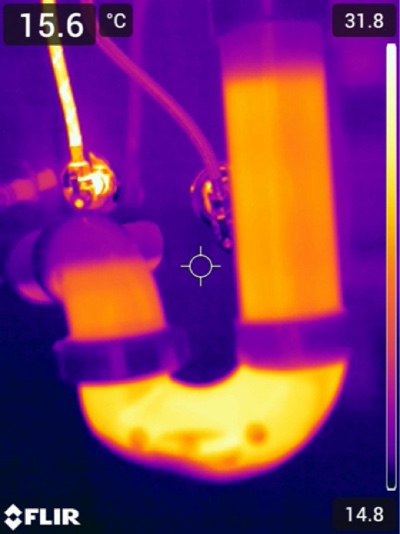
Thermal P-Trap(s)
|
|
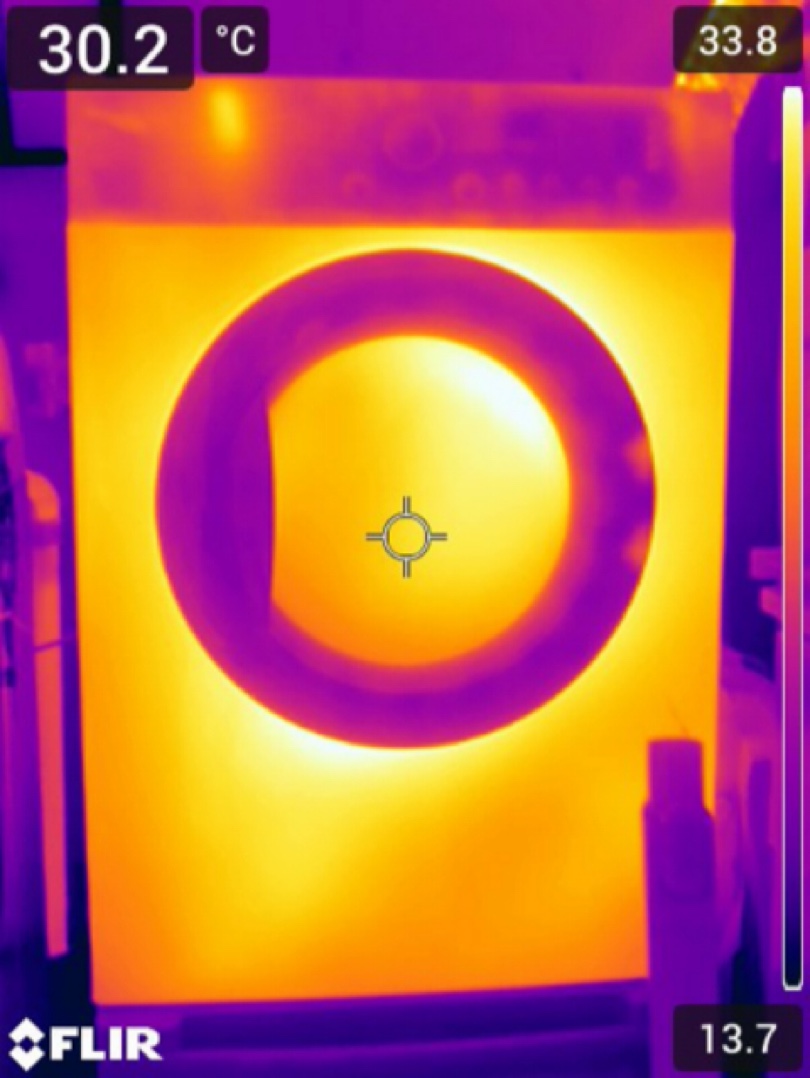
Thermal Dryer(s)
|
|
|
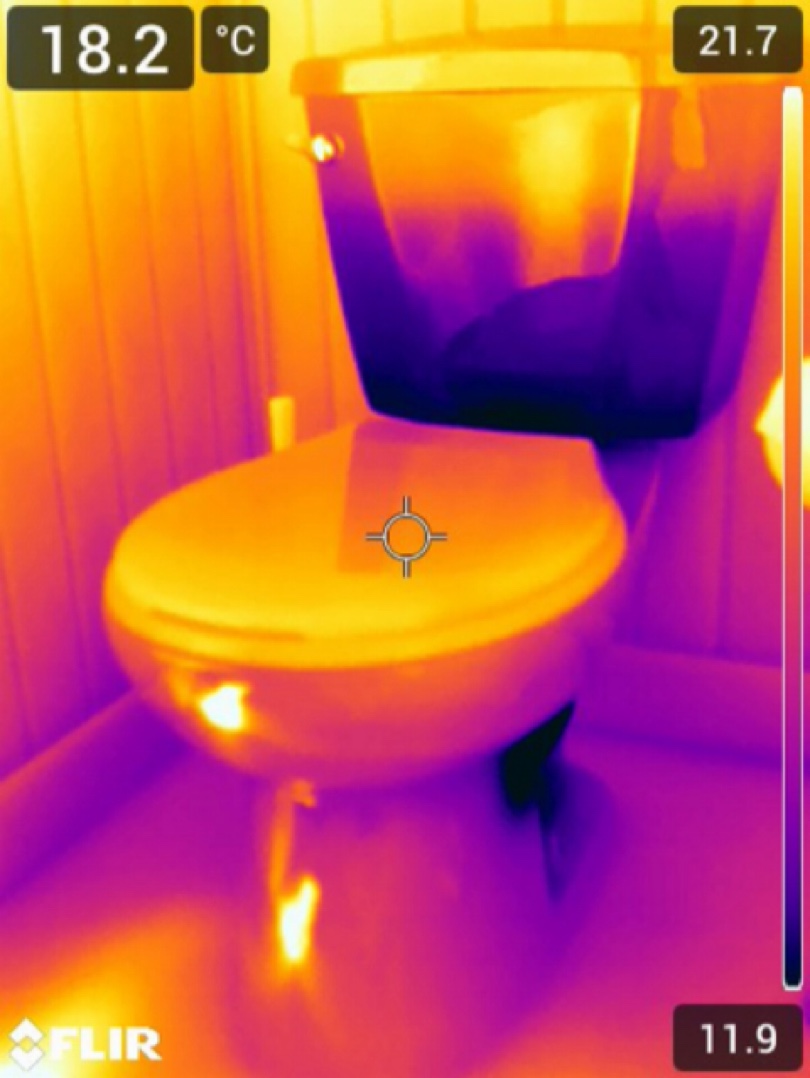
Thermal Toilet(s)
|
|
|
|
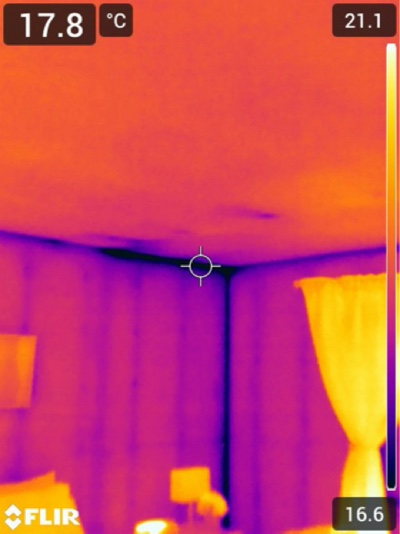
Thermal Scan(s) Windows
|
|
|
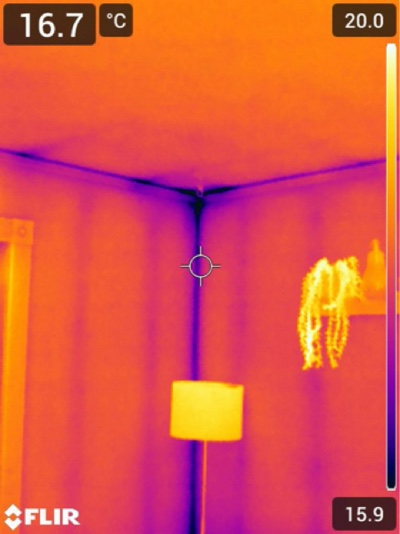
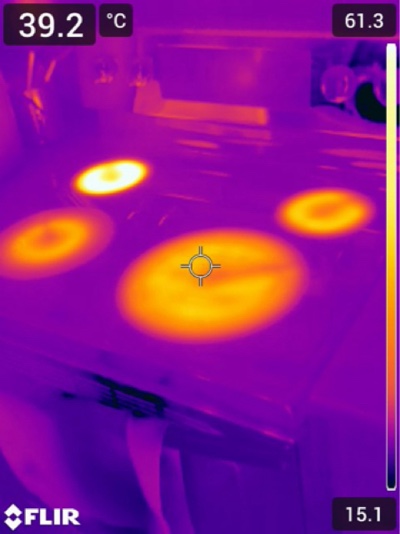
Thermal Scan(s) Walls
|
|
|
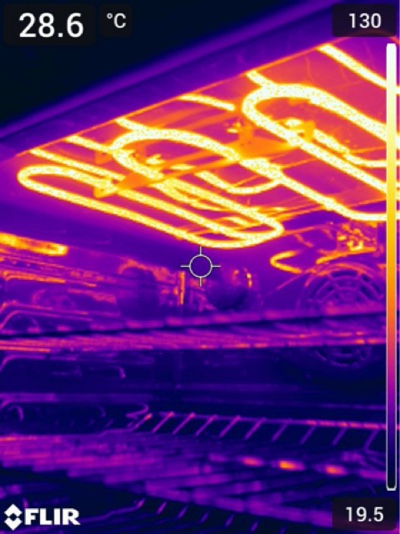
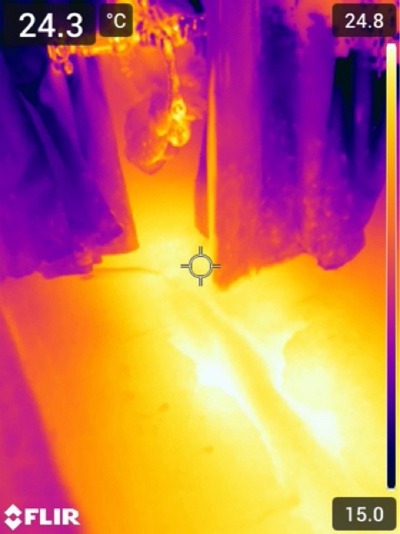
Thermal Scan(s) Appliances
|
|
|
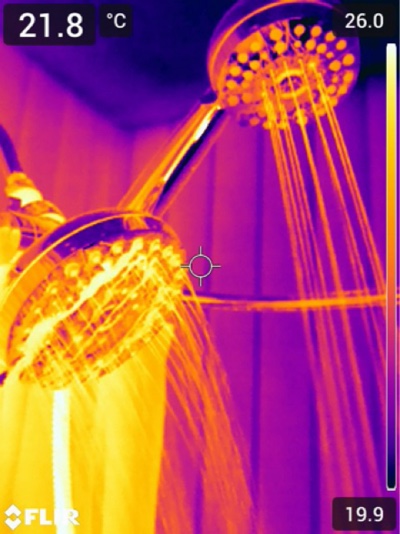
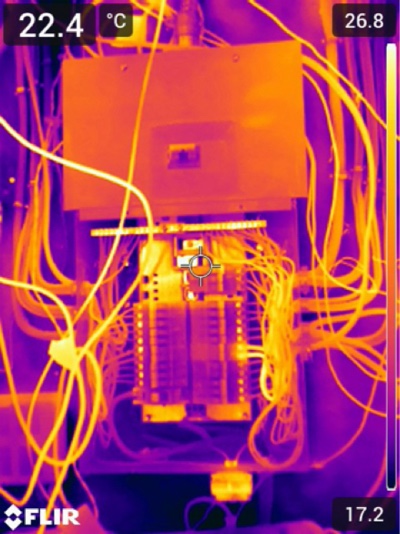
Thermal Scan(s) Bathrooms
|
|
|
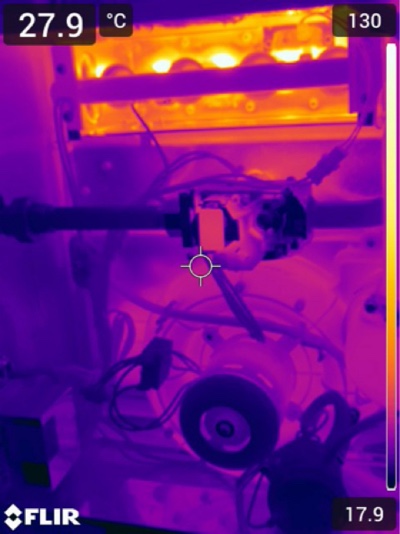
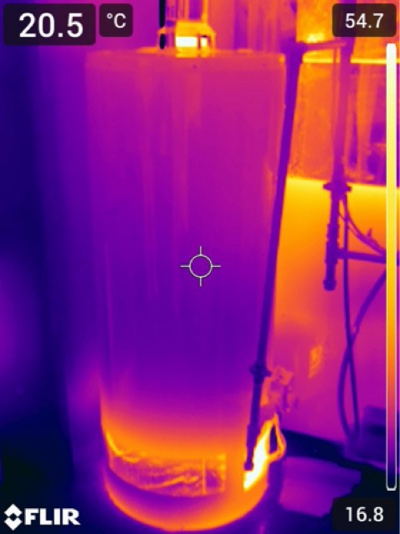
Thermal Scan(s) Mechanical
|
|
|
|
|
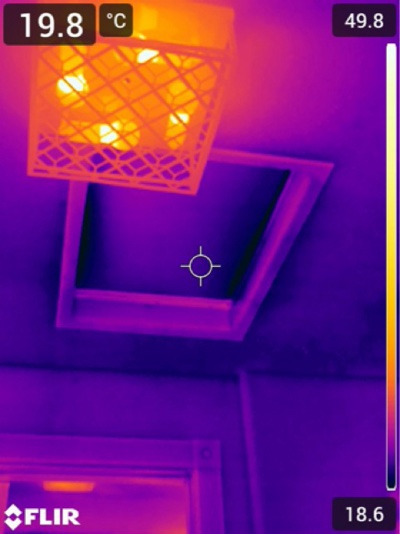
The Thermal Baseline
Observervations of surface temperature variations that may indicate areas of heat loss, moisture intrusion, or abnormal electrical or mechanical conditions where accessible. The review is limited to visible thermal patterns on exposed surfaces and does not determine the exact cause of temperature differences. Findings are influenced by environmental conditions, building materials, and time of day. This review does not include destructive testing, internal wall inspections, or verification of concealed components, and is limited to observable conditions at the time of inspection.
|
|

|
Routine Maintenance Pays
This video is provided as a helpful reference to support everyday home care & maintenance. It highlights simple steps that can reduce common problems & may help avoid unnecessary repairs or expenses over time. Watching this video may make it easier to understand the small actions that help keep a home running smoothly.See video |
|
| K BACK TO SUMMARY |

|
Report Legend
Explains reports symbols.
|
|
|
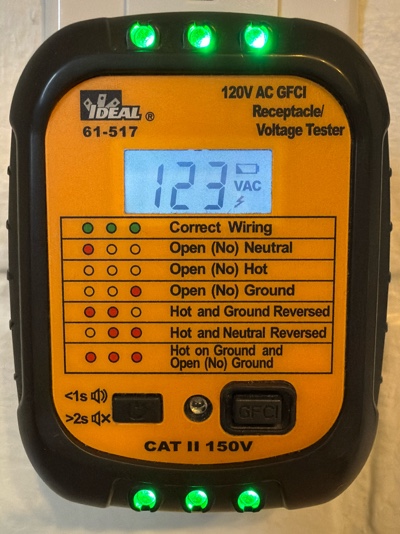
Kitchen Outlet(s)
Inspected for secure mounting, GFCI protection, polarity, grounding, cover condition & visible wiring concerns affecting safe use.
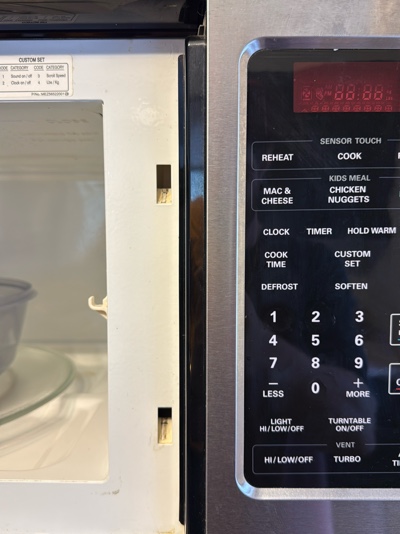
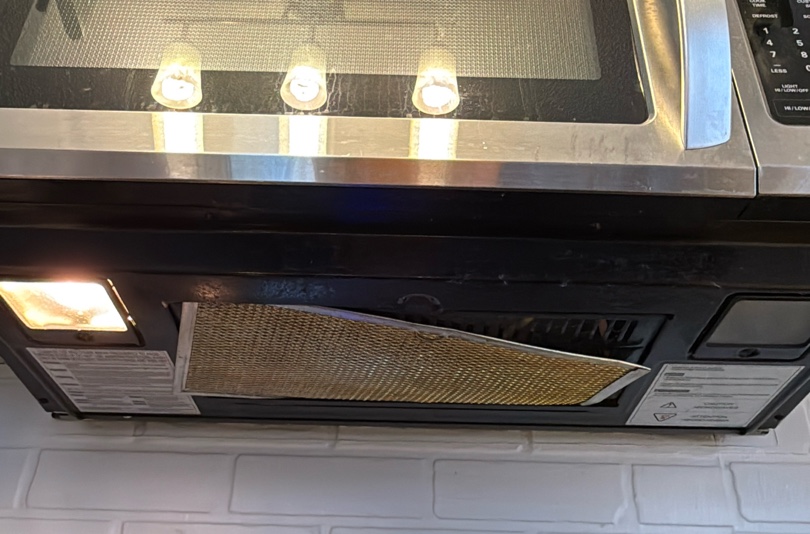
Microwave(s) ⠀
|
|
|
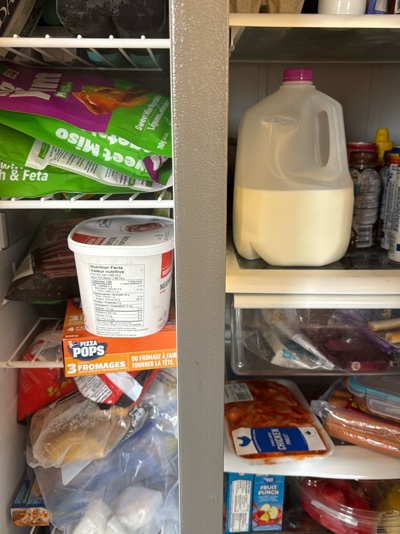
Refrigerator(s)
Inspected for operation, temperature control, door seal condition, water line connections, drainage, and general installation.
Dishwasher(s)
Inspected for operation, mounting, drainage & leakage indicators during short cycle.
|
|
|
Stovetop(s) / Cooktop(s)
Inspected for basic operation, burner function, surface condition & safety concerns.
Oven(s)
Inspected for operation, interior condition, door sealing & visible safety concerns.
|
|
|
|
|
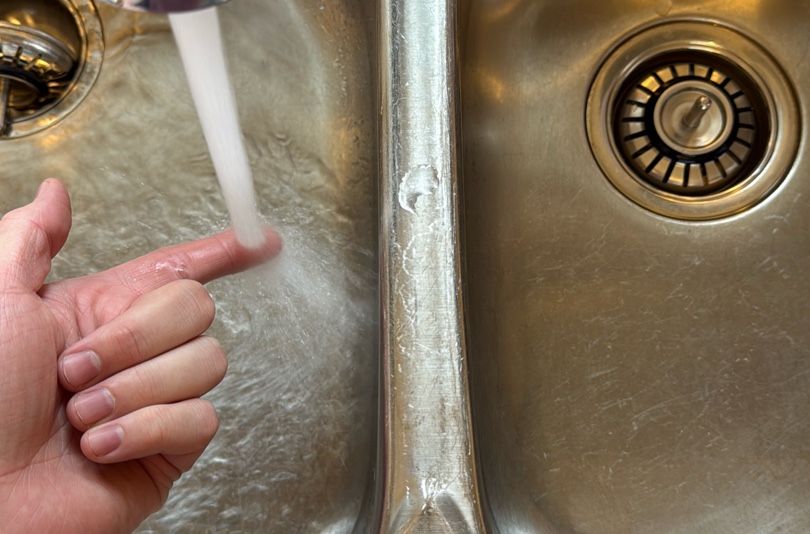
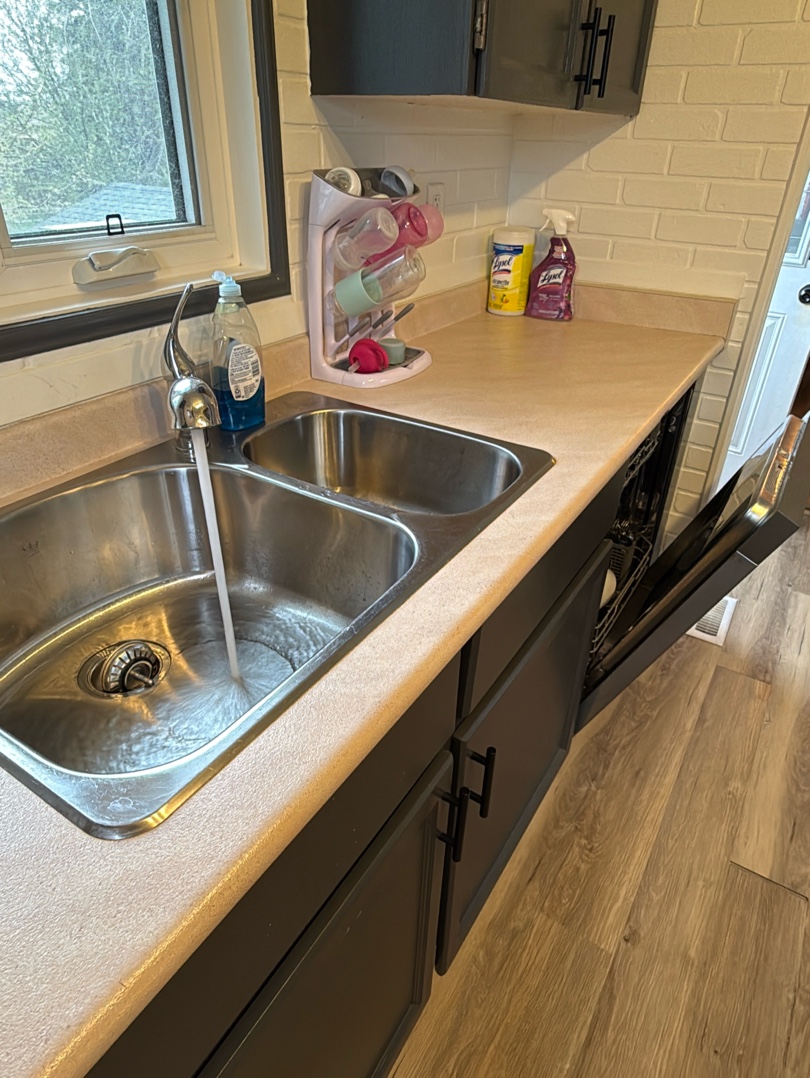
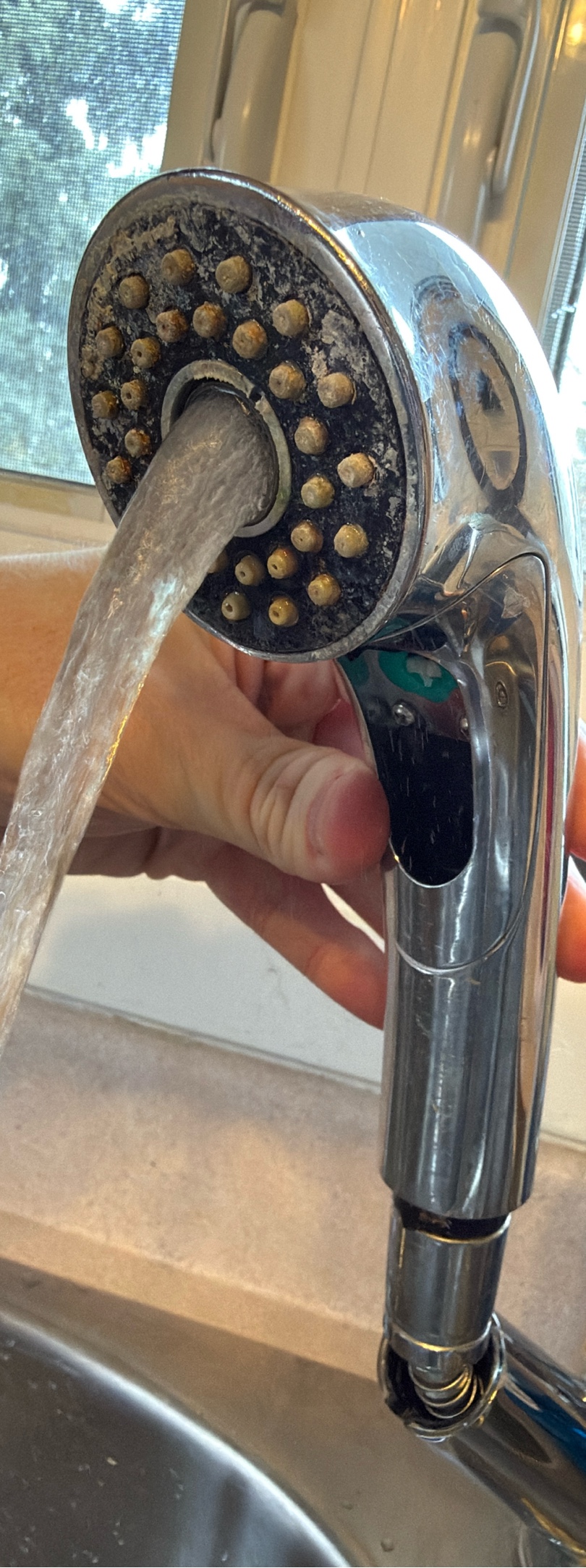
Kitchen Faucet(s), Sink(s) & Drain(s)
Reviewed, focused on operation, temperature, mounting, drainage, odors & leakage indicators.
|
|
|
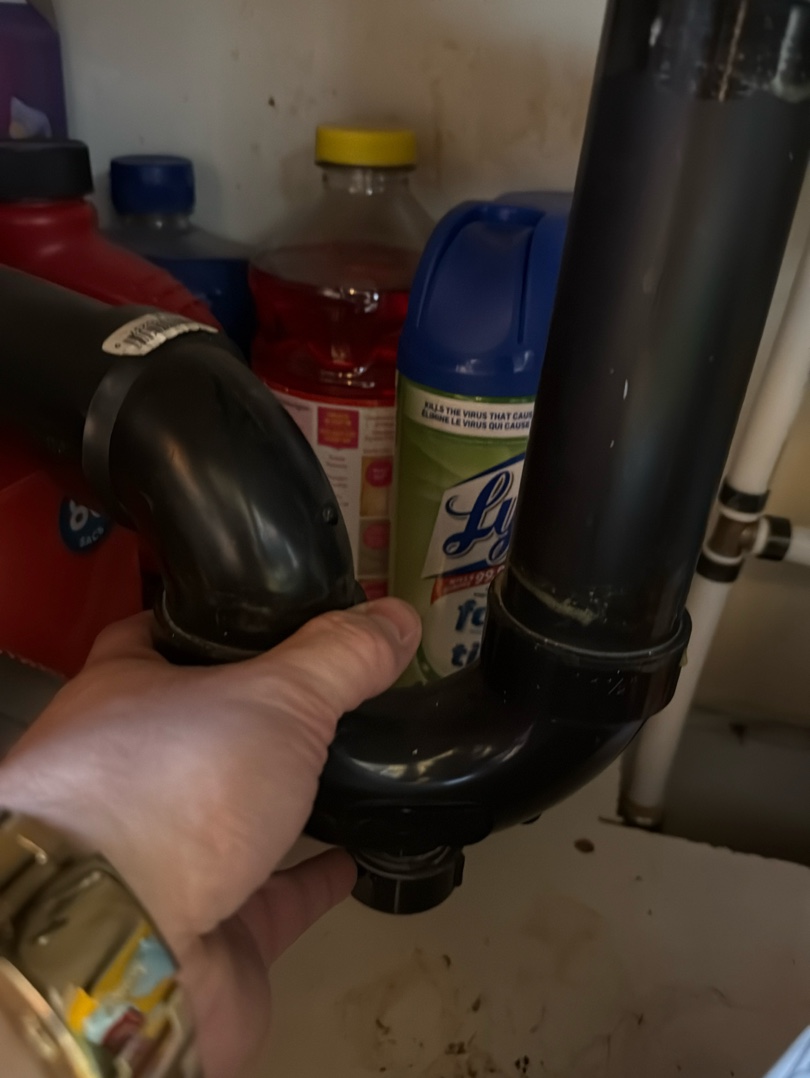
Kitchen P-Trap(s)
Checked for drainage, trap configuration, connection security, leakage indicators & visible corrosion.
|
|
|
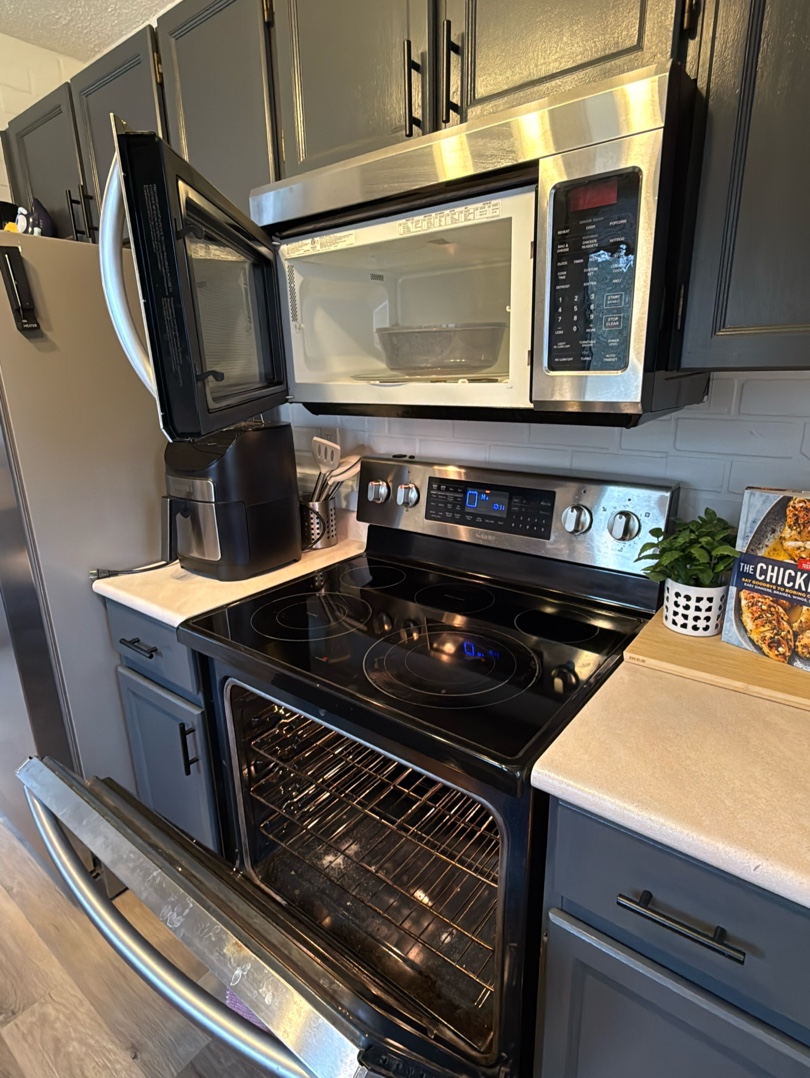
Kitchen Over-all
A record of what was seen this day
|
|
|
Context / Supporting Photo
|
|
|
|
|
|
The Kitchen Baseline
Components are reviewed for presence, general condition, and visible signs of damage or deterioration where accessible. This includes cabinetry, countertops, sinks, faucets, visible plumbing connections, built-in appliances, wall and ceiling finishes, and accessible electrical outlets. Accessible areas are checked for leaks, staining, loose or damaged finishes, improper clearances, and signs of moisture intrusion. The review is limited to observable conditions without moving appliances, dismantling components, or evaluating concealed plumbing, electrical, or ventilation systems.
|
|
|
The Laundry Baseline
Components are reviewed for presence, general condition, and visible signs of damage or deterioration where accessible. This includes cabinetry, countertops, sinks, faucets, built-in appliances, visible plumbing connections, wall and ceiling finishes, and accessible electrical receptacles. Accessible areas are checked for leaks, staining, loose or damaged finishes, improper clearances, and signs of moisture intrusion. The review is limited to observable conditions without moving appliances, dismantling components, or evaluating concealed plumbing, electrical, or ventilation systems.
|
|
| L BACK TO SUMMARY |

|
Report Legend
Explains reports symbols.
|
|
|
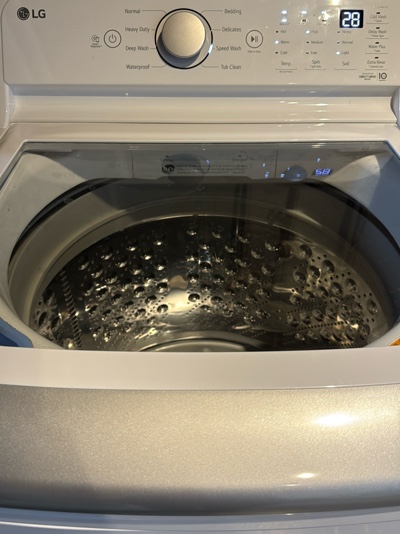
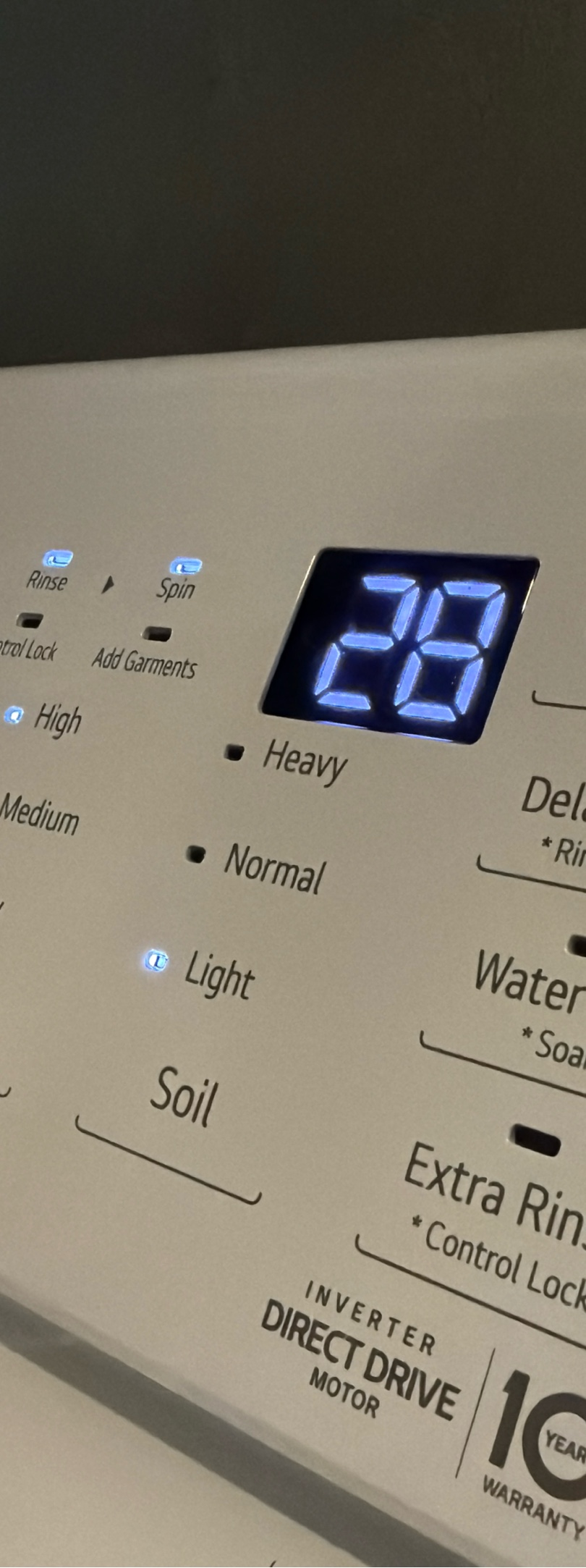
Laundry Washer Machine
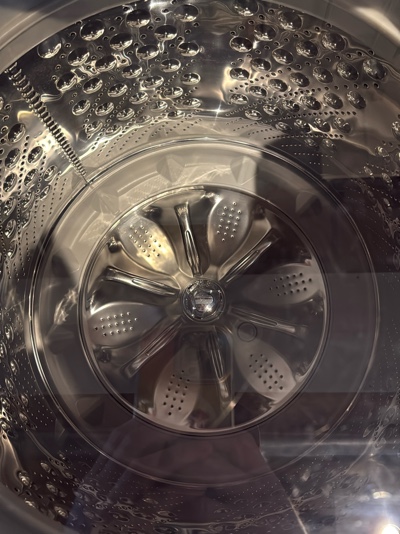
Reviewed, focused on plumbing connections, hoses, drains, seals & visible leakage.
Inside The Washer
|
|
|
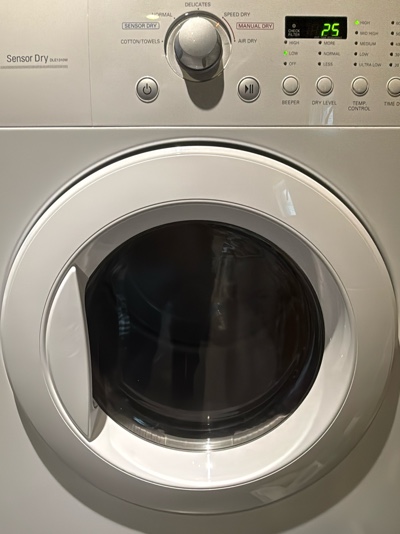
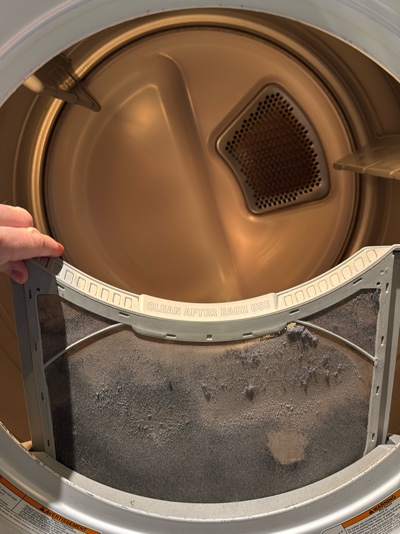
Laundry Dryer(s).
Attention given to operation, temperature variance, vent connections & lint accumulation.
|
|
|
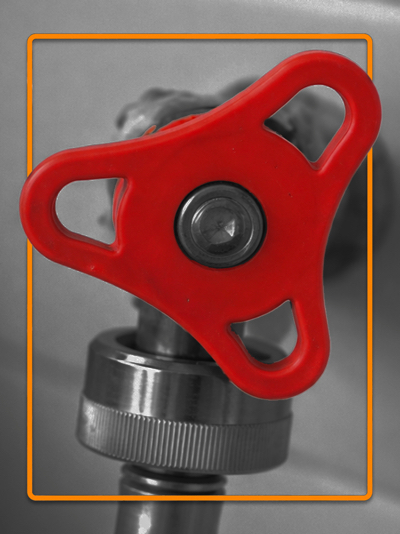
VENT - VENT - VENT
Door & drawer OPEN to let moisture escape & prevent organic growth.
RISK Reduction
Check behind the washer for leaks regularly, and shut off the water when away on vacation.
|
|
⚠️ Laundry General Notes
1. Surfaces: Walls, ceilings, and flooring show lint, scuffs, and minor moisture effects from routine use.
End Statement:
Maintain with routine cleaning, lint control, ventilation care, and periodic checks of connections and hardware.
|
|
| B BACK TO SUMMARY |

|
Report Legend
Explains reports symbols.
|
|
|
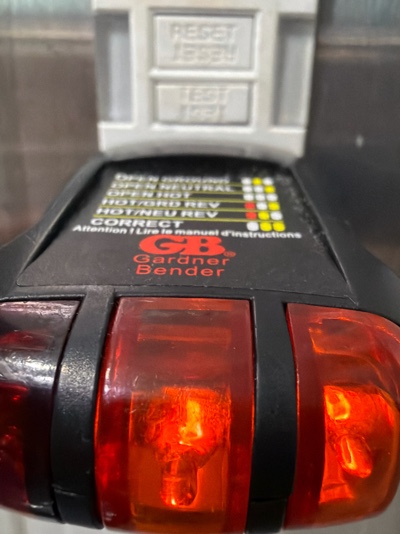
Bathroom Outlet(s)
Tested for anomalies.
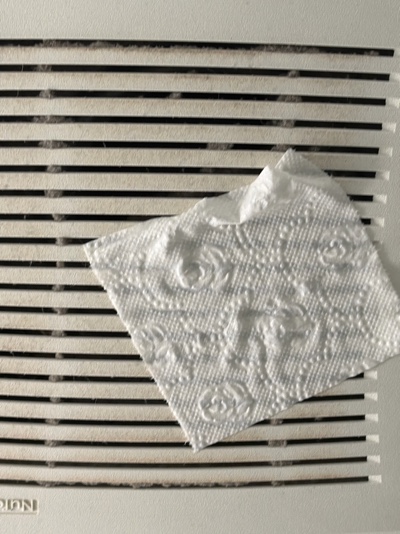
Bathroom Extraction Fan(s)
Observations included basic operation & airflow response using simple draw testing.
|
|
|
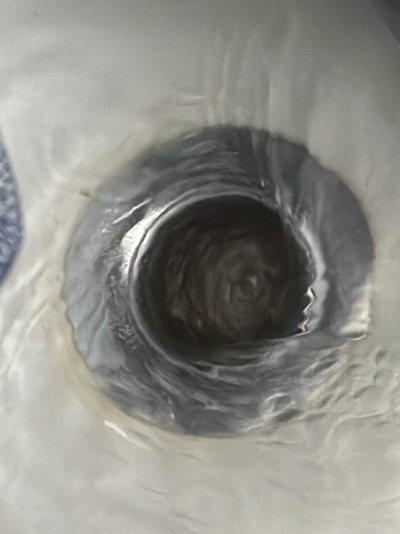
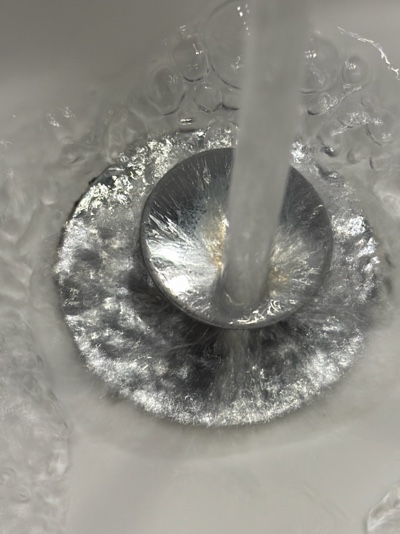
Plumbing Floor Drain(s)
Observations included drainage flow, blockage signs, backups, odors & leakage indicators.
|
|
|
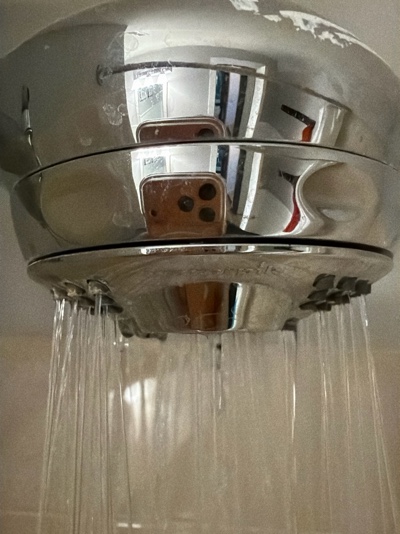
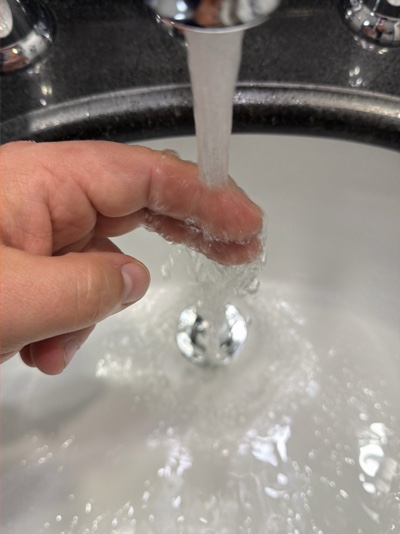
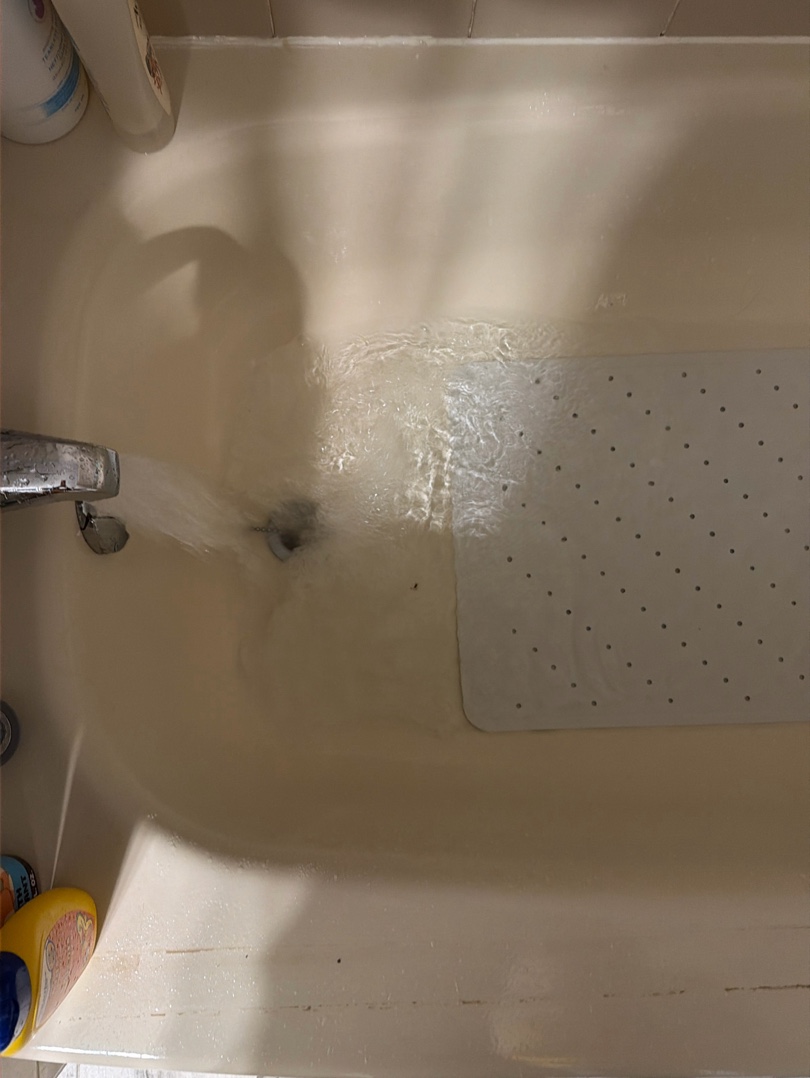
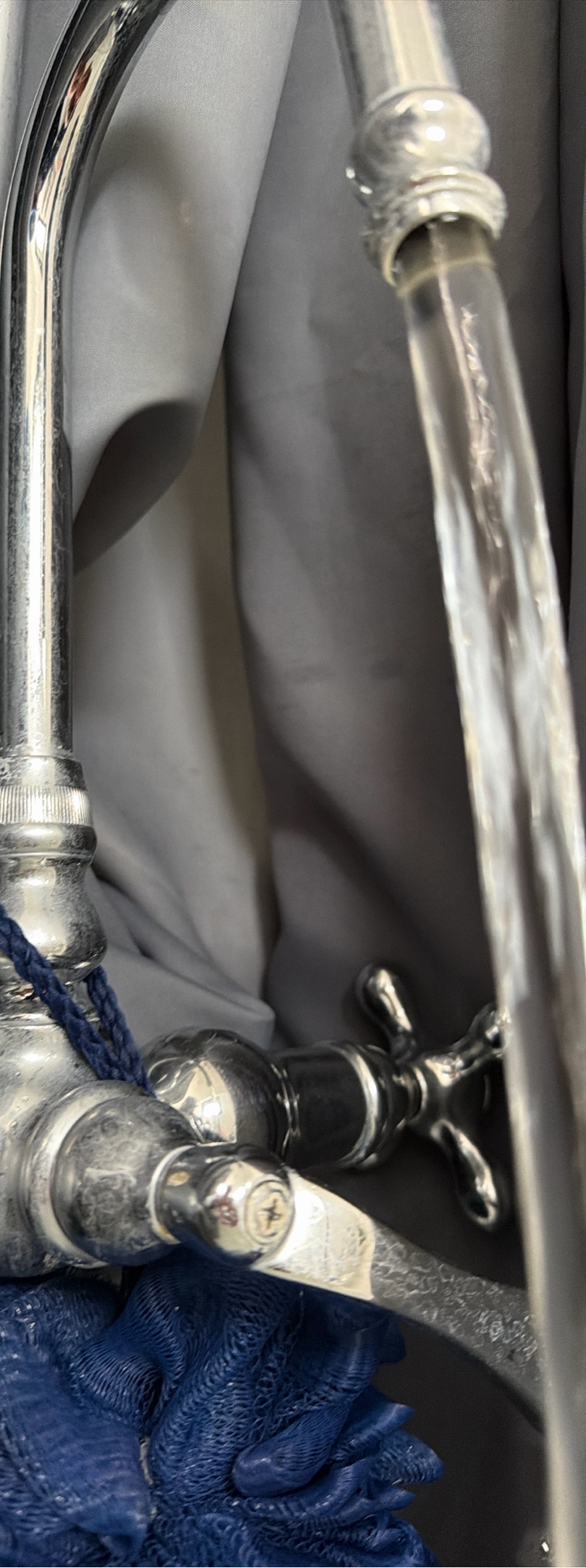
Bathroom Water Faucet(s)
Operated to assess function, flow, mounting, sealing & signs of leakage, corrosion, or wear.
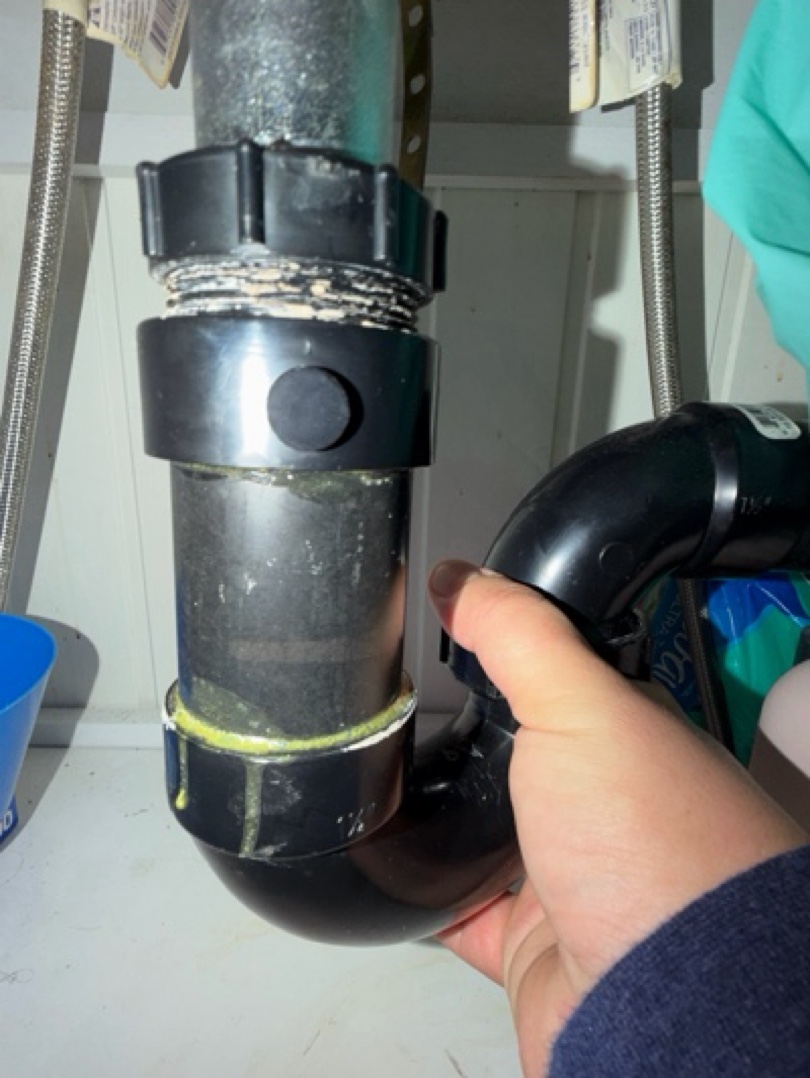
Bathroom Sink Drain(s)
|
|
Bathroom P-Trap(s)
Checked for drainage, trap configuration, connection security, leakage indicators & visible corrosion.
|
|
|
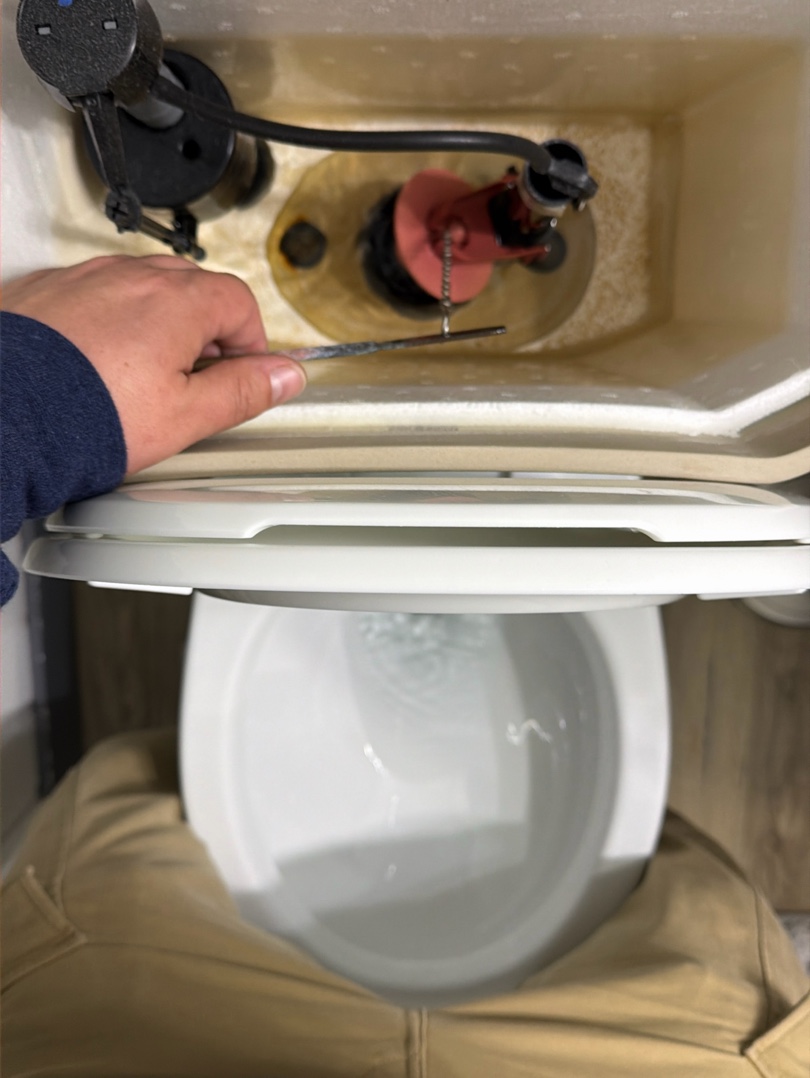
Toilet(s)
Reviewed for stability, operation & visible leakage. X3 flush test per unit.
|
|
|
|
|
|
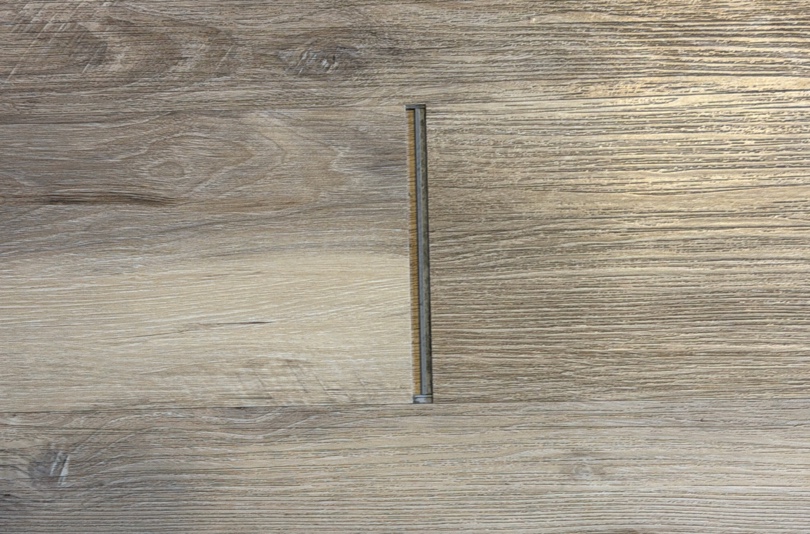
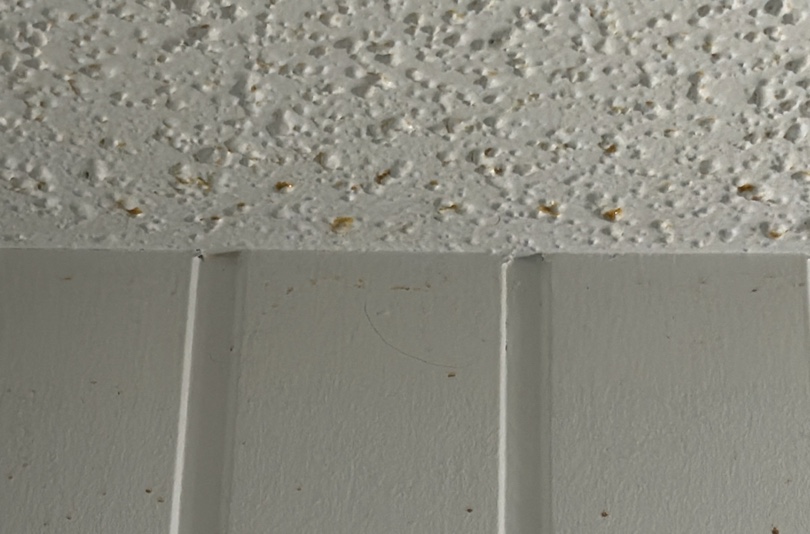
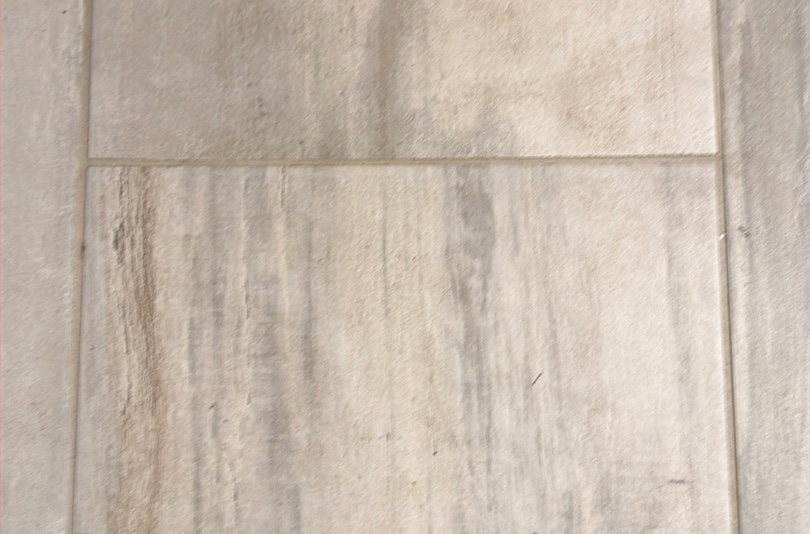
General Flooring
Visually examined for common defects.
|
|
|
|
|
|
|
|
|
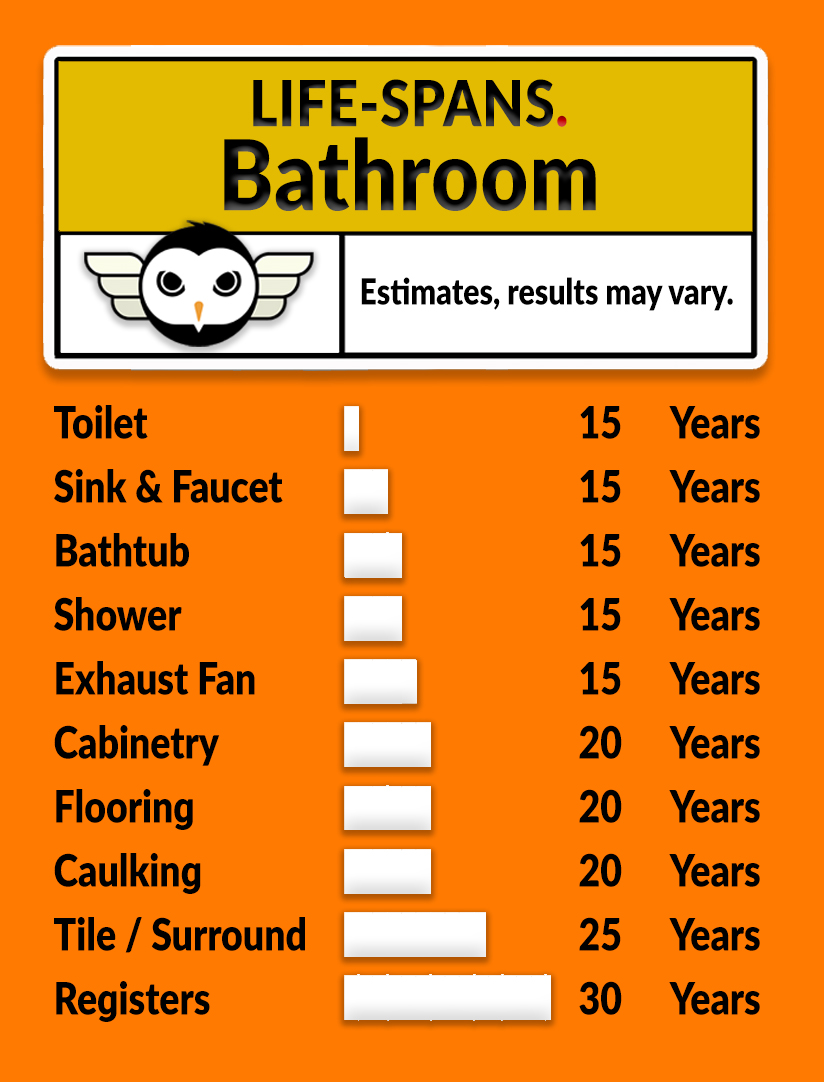
Bathroom Lifespan
ranges shown are general estimates for common bathroom components under typical use. Actual service life may vary based on installation quality, materials, moisture exposure, ventilation, and maintenance. These values are provided for planning purposes only and do not represent a guarantee of remaining life or performance.
|
|
|
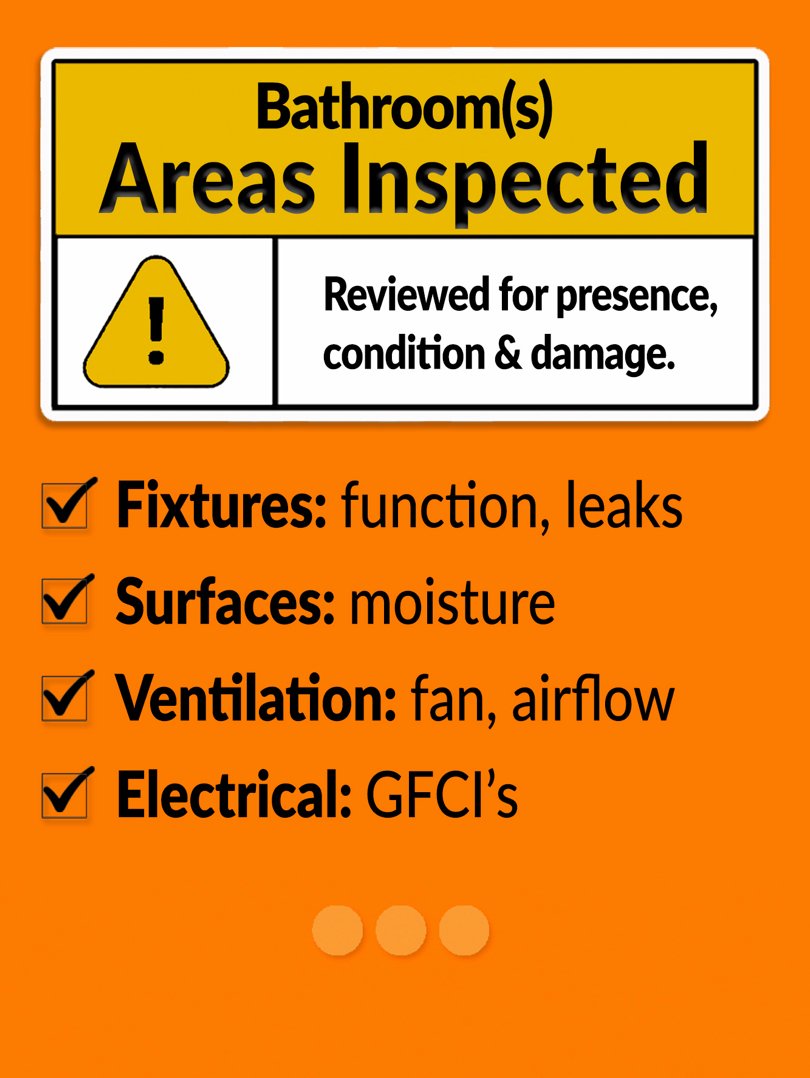
The Bathroom Baseline
Components are reviewed for presence, general condition, and visible signs of damage or deterioration where accessible. This includes cabinetry, countertops, sinks, faucets, visible plumbing, appliances, wall and ceiling finishes, and electrical receptacles. Accessible areas are checked for leaks, staining, loose or damaged finishes, improper clearances, and signs of moisture intrusion. The review is limited to observable conditions without moving appliances, dismantling components, or evaluating concealed plumbing, electrical, or ventilation systems.
|
|
| M BACK TO SUMMARY |

|
Report Legend
Explains reports symbols.
|
|
|
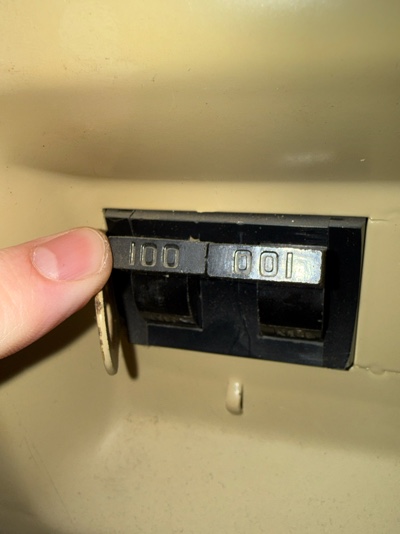
The Main AMP
Generally, this will shut down everything! Designed to interrupt a large amperage load.
|
|
|
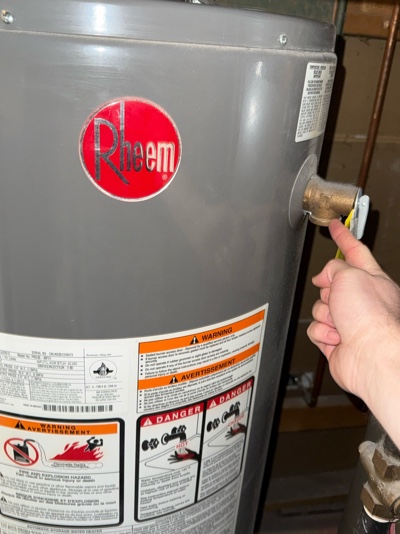
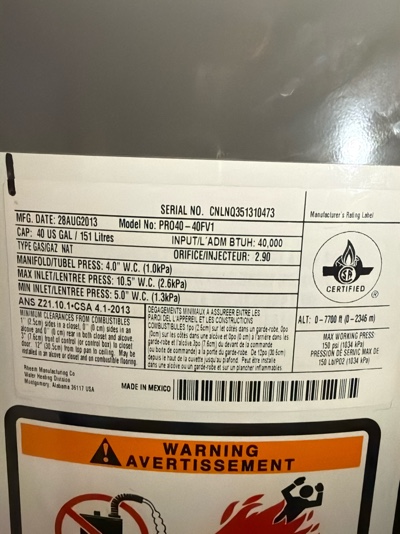
Hot Water Data
Unit detail(s). See also Insurance Section.
|
|
|
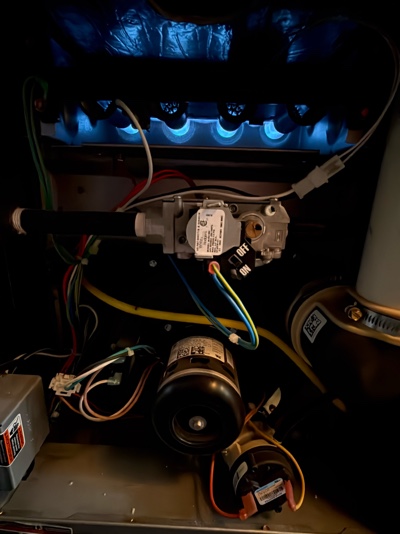
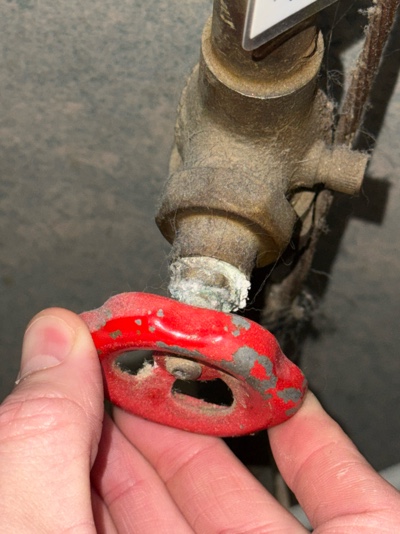
The Main Heating Unit(s)
Observations included mounts, venting, ducts, filters, clearances & visible performance.
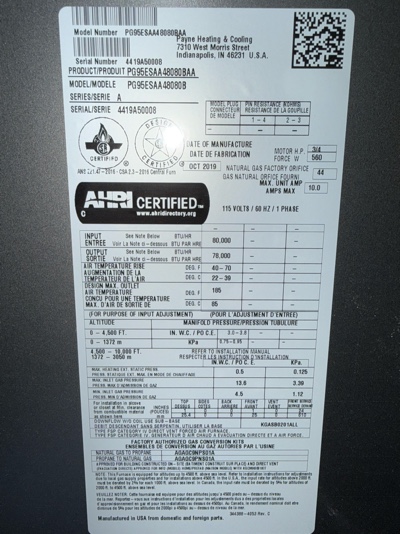
Heating Unit Data Plate
Unit detail(s). See also Insurance Section.
|
|
|
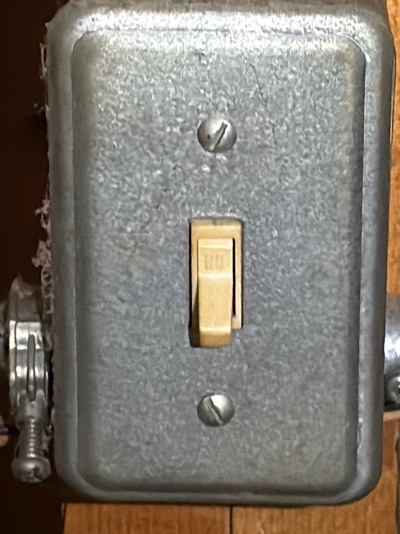
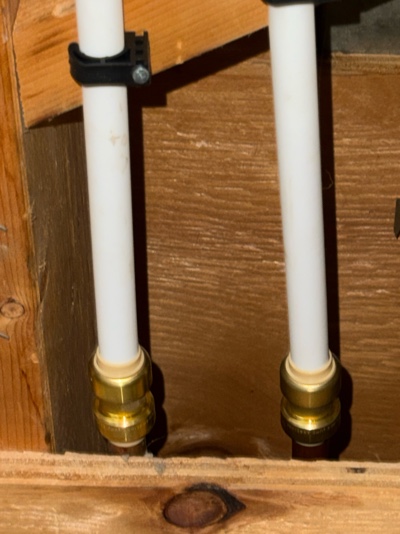
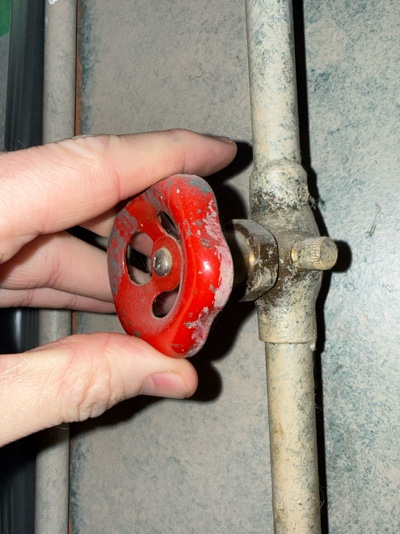
Heating Unit Shutoff
Observed for accessibility, labeling, secure mounting & operation affecting emergency shutoff capability.
|
|
|
Plumbing Waterlines
Inspected for support, connections, leaks & visible corrosion or damage. See also Insurance Section.
Ext. Water Shutoff(s)
Observed for accessibility, labels, valve operation, connection condition & leakage indicators.
|
|
Maintenance Advisory
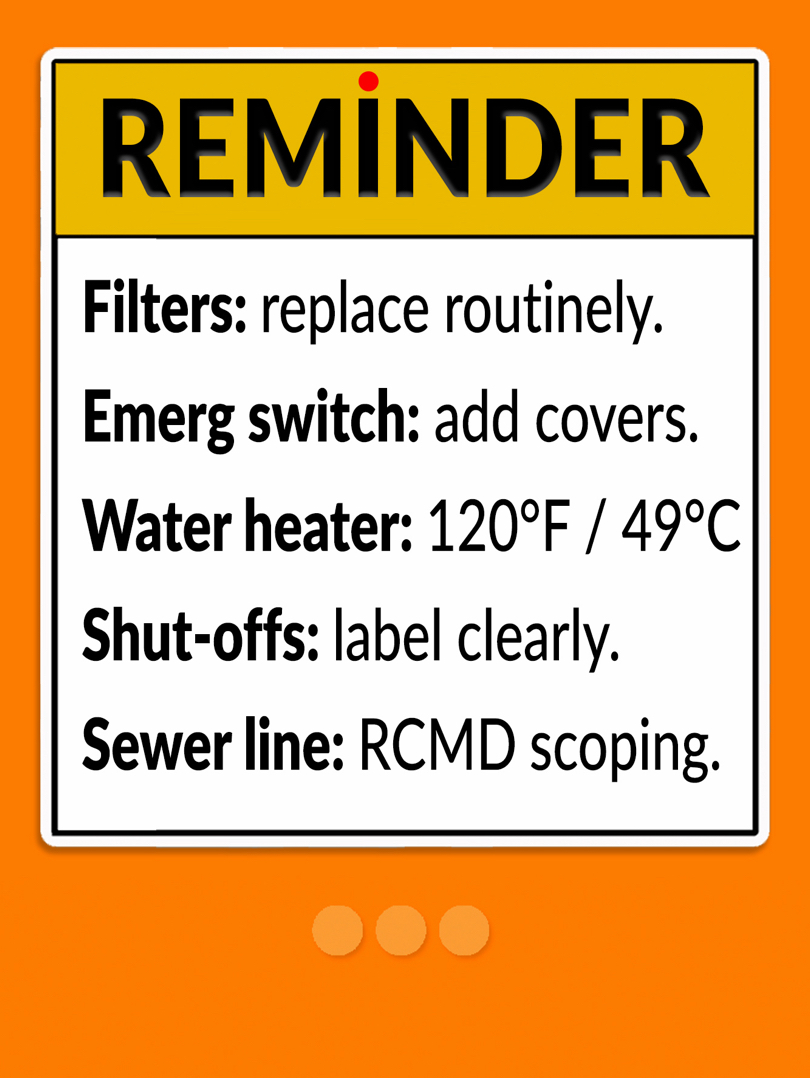
Mechanical systems require routine homeowner maintenance and periodic observation for safe operation. This includes replacing heating system filters as recommended, keeping drains and condensate lines clear of debris, and periodically having sewer lines evaluated by a qualified contractor. Safety measures include maintaining domestic hot water at a safe temperature and installing locking or spring-loaded cover plates on critical controls to prevent accidental shutoff. Occupants should be familiar with all system shutoffs and label them clearly. Mechanical rooms should not be used for storage due to required clearance to combustibles. Homeowners should periodically check the mechanical room for calcification, minor leaks, corrosion, or unusual odors that may indicate developing issues.
|
|

|

|
Focus Feature Page
These are photos related to the same component or system.
More
|
|
|
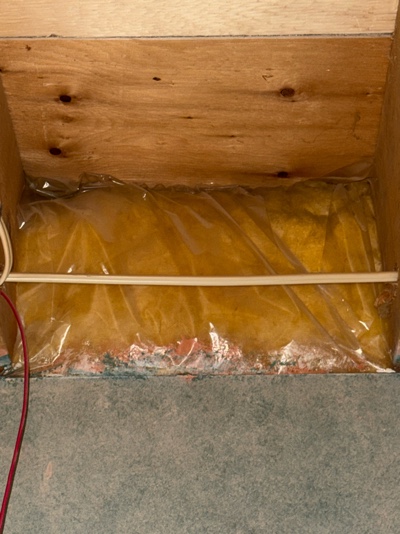
Rim Joist Insulation
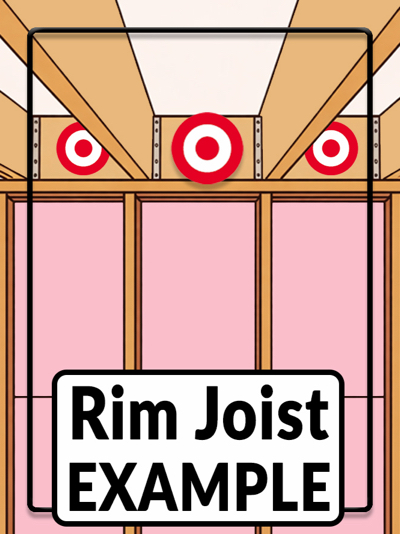
Rim Joist Example
The outer board capping floor joists. Inspected for damage, moisture, air leaks, insulation presence, and pest activity.
|
|
|
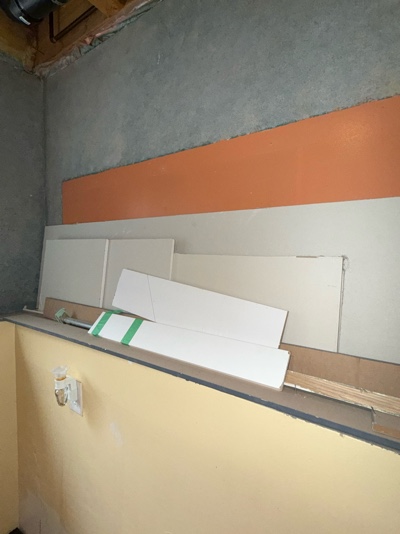
Frost Wall
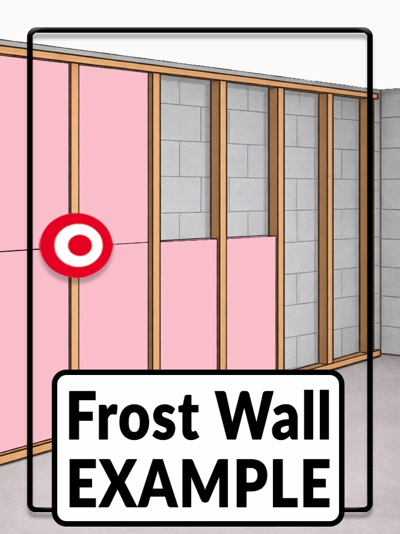
Frost Wall Example
A foundation wall below grade. Inspected for cracks, moisture intrusion, movement, and insulation/air sealing issues.
|
|
|
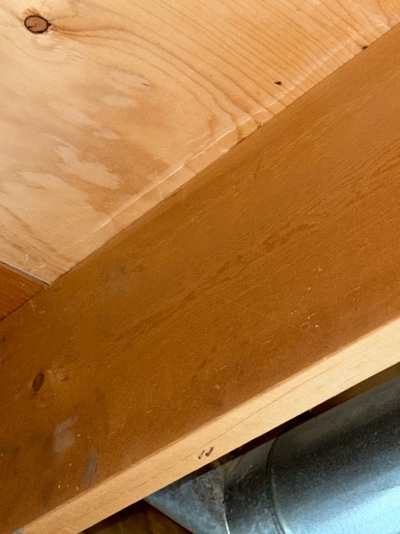
Joist
These serve to provide stiffness to the subfloor sheathing & spread the load.
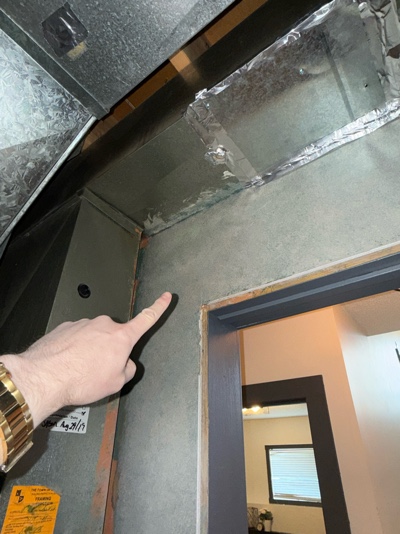
Beam
Not Accessible: Area or item could not be accessed at the time of inspection and was therefore not evaluated.. Not Inspected
|
|
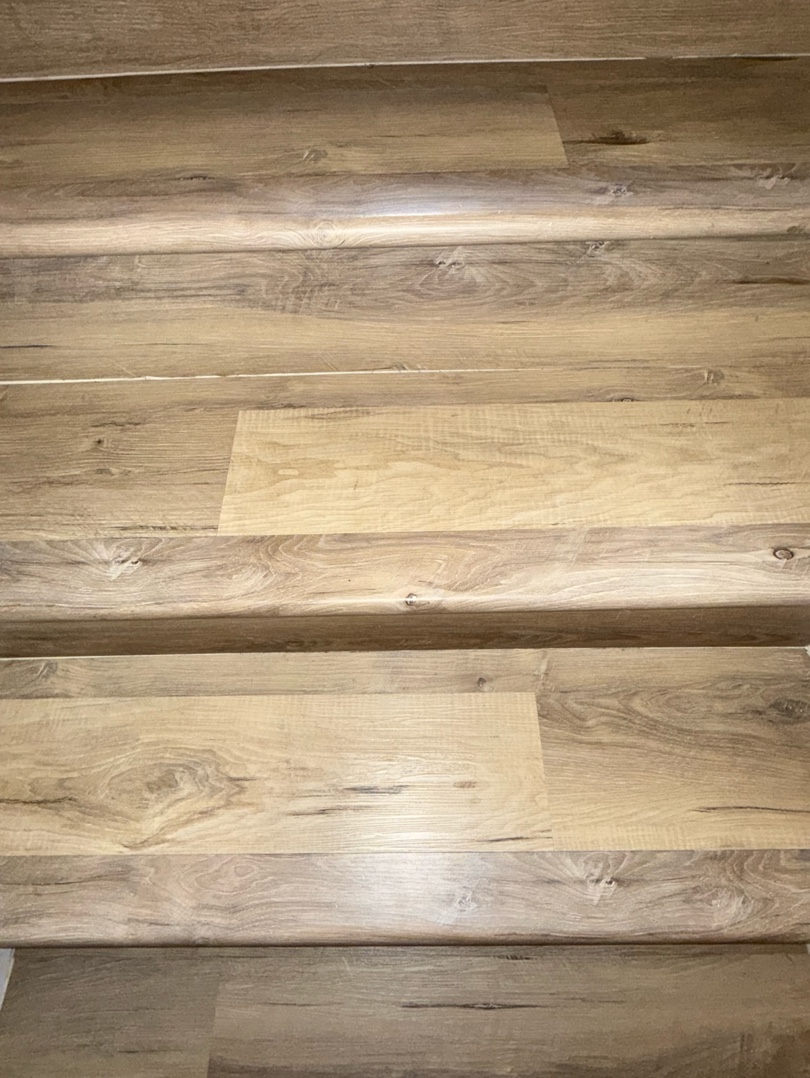
Stair(s) & Railing(s)
Attention was given to structure, rise/run consistency, landings, string if visible, handrails, & visible safety indicators.
|
|
|
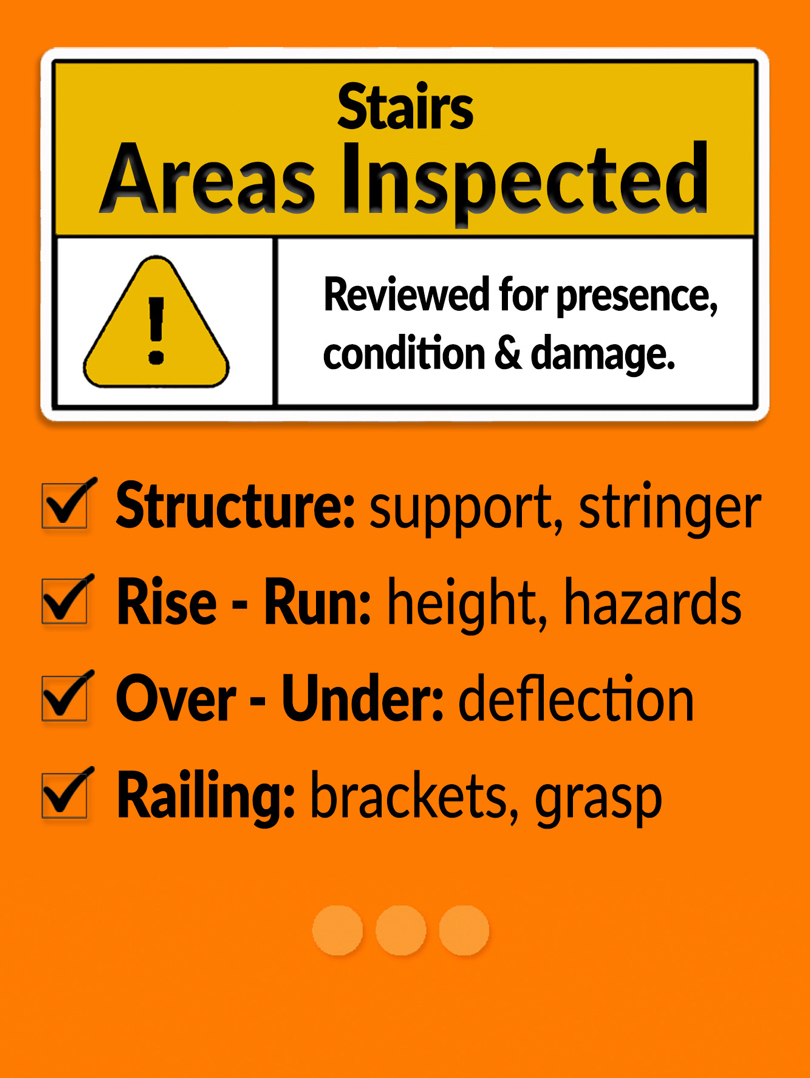
Stairs & Railings Baseline
Stairs & Railings – Areas Inspected Inspection of the stairs focused on accessible structural and safety conditions. This included treads, risers, stringers, landings, handrails, and guards where present. Components were reviewed for secure attachment, uniformity, damage, wear, and trip or fall hazards. The evaluation was limited to visible and accessible areas without dismantling components or assessing concealed structural elements. |
|
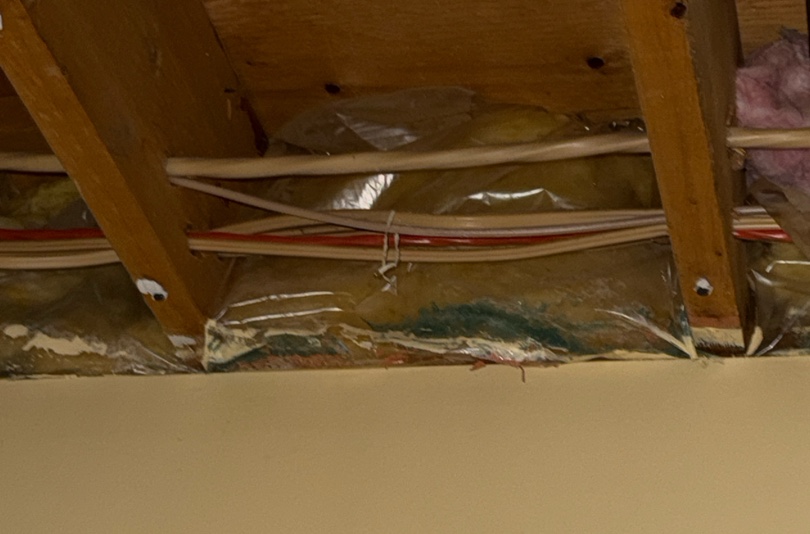
|
General Ceilings / Walls
Visually examined for common defects.
|
|
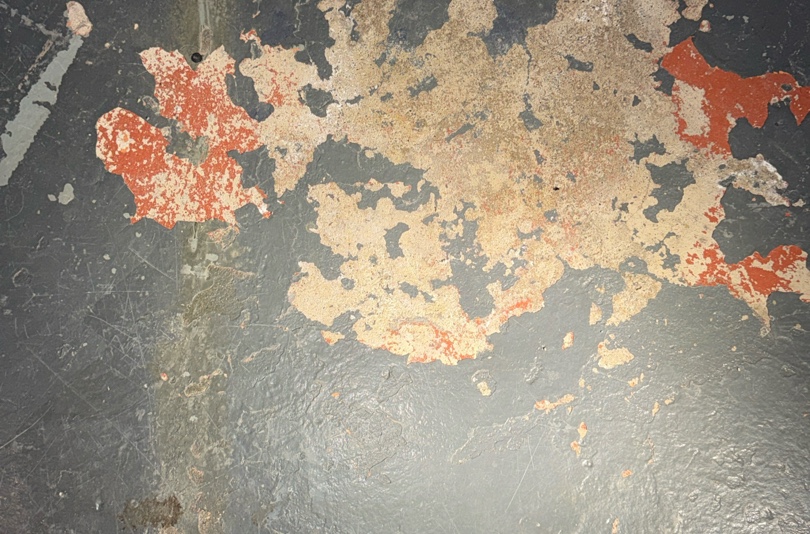
|
General Flooring
Visually examined for common defects.
|
|
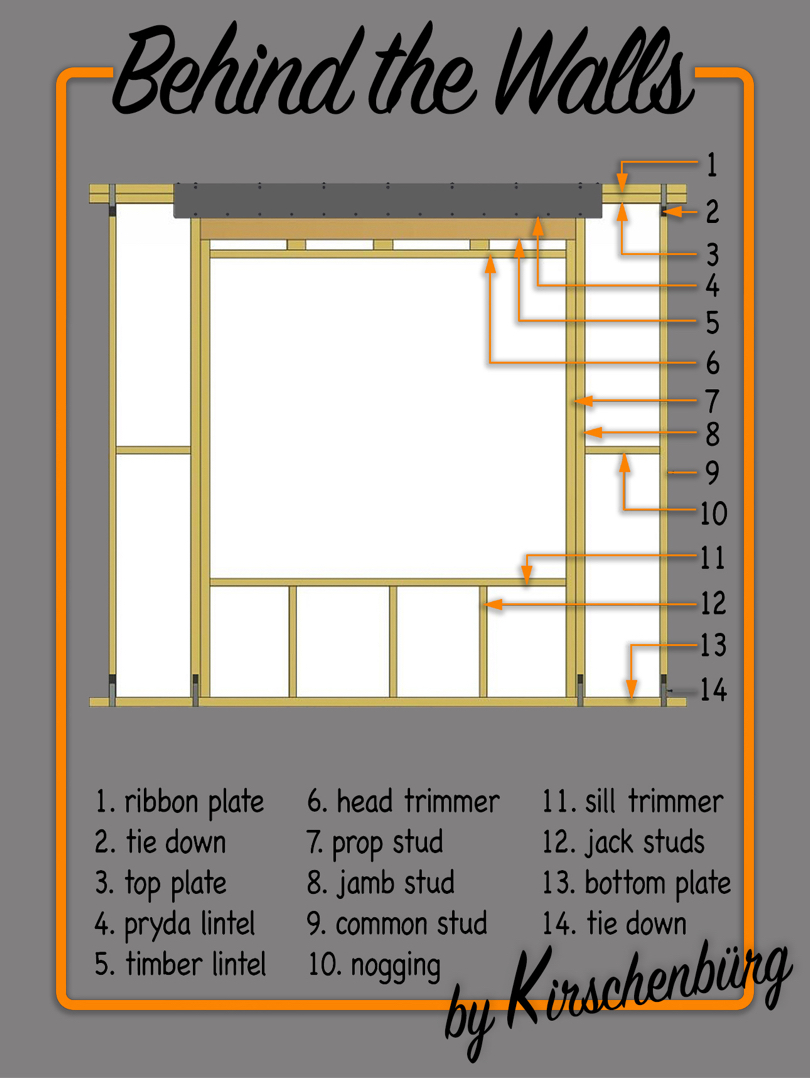
|
Framing 101
Behind every wall is a framework — much like your own skeleton. Vertical studs form the bones, while cripples support around openings. King and jack studs work together to hold up headers over doors and windows, spreading the load. Top plates cap the walls and tie everything together, while bottom plates anchor it all to the floor. This unseen structure is critical to the strength, stability, and alignment of your home. Just like a healthy body depends on solid bones, your home depends on this framing to stand true. ⠀⠀⠀⠀⠀ ⠀ ⚠️ See also Insurance section for more details on your the structural specifications of this property.
|
|
|
|
|
|
The Mechanical Baseline
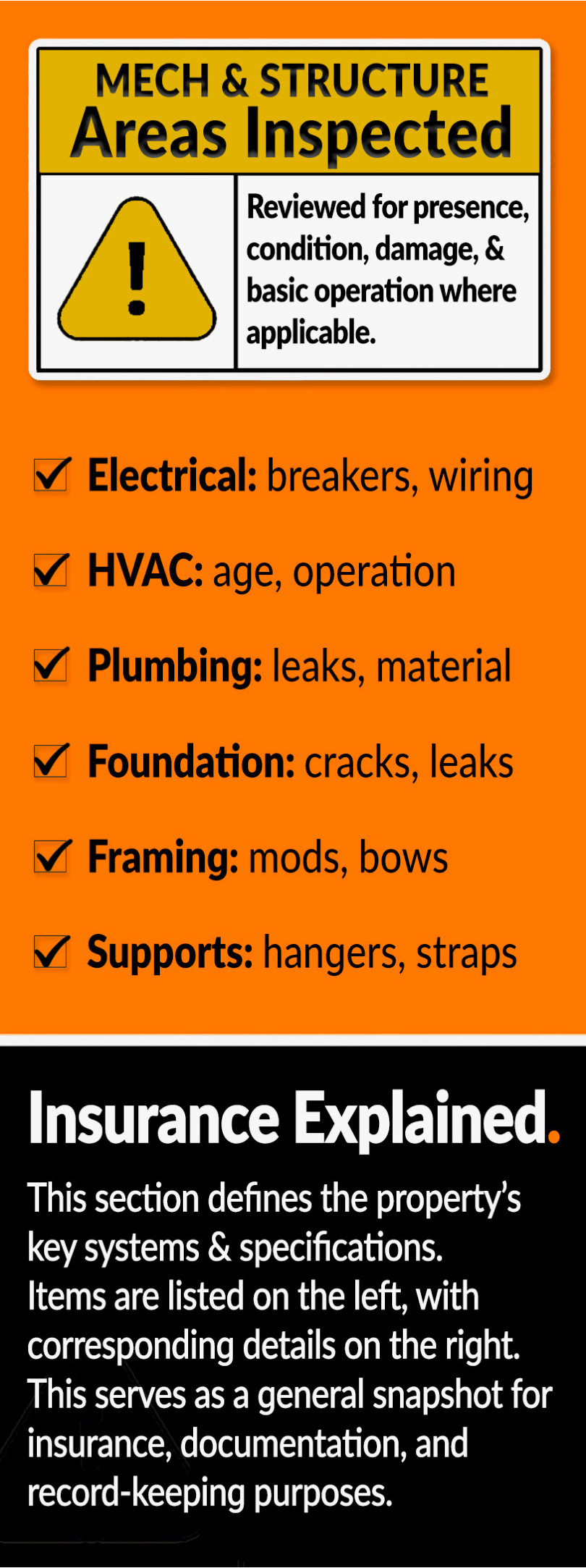
𝗠𝗲𝗰𝗵𝗮𝗻𝗶𝗰𝗮𝗹 – 𝗔𝗿𝗲𝗮𝘀 𝗜𝗻𝘀𝗽𝗲𝗰𝘁𝗲𝗱Mechanical components and systems are reviewed for presence, general condition, visible damage, and basic operation where applicable. This includes commonly accessible heating, cooling, and ventilation equipment, water heating equipment, visible piping and ductwork, pumps, valves, and associated controls. Supporting components and other mechanical features typically found within the home are also visually reviewed where present. 𝗦𝘁𝗿𝘂𝗰𝘁𝘂𝗿𝗲 – 𝗔𝗿𝗲𝗮𝘀 𝗜𝗻𝘀𝗽𝗲𝗰𝘁𝗲𝗱 Structural components are reviewed for presence, general condition, and visible signs of damage or movement where applicable. This includes commonly accessible foundation surfaces, framing elements, beams, posts, columns, load-bearing walls, and other visible structural features. The review focuses on observable conditions within accessible areas and does not include engineering analysis or invasive evaluation. |
|
insurance
| Safety Overview | |
| Site Limitations | ⚠️ Weather - Visibility - Access - Height |
| Inspection Type | ◻️ Pre-Purchase Inspection (non-exhaustive) |
| Property Vacancy | ◻️ Occupied & Furnished (restrictive) |
| Smoke & CO | ⚠️ Expired Units: Past service life |
| Egress Windows | ⚠️ Location: Bedroom(s): Not Verified |
| Stairs & Handholds | ◻️ Structure: Functioning as Intended |
| Roof System | |
| Method of Inspection | ◻️ Ladder at edge, walked & drone |
| Roofing Surface | ◻️ Material: Asphalt - Age; Unknown |
| Drainage Path | ◻️ System: Trough & Downspouts |
| Ventilation System | ◻️ Box Vent(s) - Soffit |
| Exterior Overview | |
| Cooling Type(s) | ⚠️ Location: Backyard - Temp: Not Tested |
| Main Fuel Shutoff | ◻️ Location: Backyard |
| Envelope Cladding | ◻️ Material: Vinyl |
| Steps & Guards | ◻️ Materials: Wood/Concrete Stairs & Wood Railing |
| Barriers & Walls | ◻️ Material: Wood (fence) |
| Grade & Ground Cover | ◻️ Terrain: Steep - Uneven - Vegitation |
| Hardscape Surfaces | ◻️ Material: Paths: Concrete - Drive: Gravel |
| Garage Systems | |
| Fire Seperation | ◻️ Not Applicable |
| Safety Auto Reverse | ◻️ Status: Not Applicable |
| Heating Equipment | ◻️ Unit: Not Present |
| Attic System | |
| Hatch & Insulation | ◻️ Location: Prime Closet - Mat: Blown-In + Batt |
| Sheathing & Poly | ◻️ Material: Ply - Vap Barrier: Present (ltd vis) |
insurance
| Interior Overview | |
| Thermostat Location | ◻️ Location: Main Level - Restored to original |
| Walls & Ceilings | ◻️ Material: Drywall |
| Flooring Surfaces | ◻️ Material: Laminate - Tile - Carpet |
| Other Features | ◻️ Type: Not Present / Not Applicable |
| Kitchen & Bathroom | |
| Safety - GFCI’s | ◻️ Location: Kitchen: Present - Bath: Present |
| Ventilation System | ⚠️ Type: Range Hood: RECIRC - B-Fan: Present |
| Laundry Specs | ◻️ 220V - Vent: Metal - Water: Braided |
| Mechanical System | |
| Heating Unit(s) | ◻️ Type: Mid E Furnace / Forced Air - Age: 2019 |
| Heating Fuel Source | ◻️ Type: Natural Gas - Primary |
| Water Heater Unit | ◻️ Type: Tank - Age: 2013 |
| Water Heating Fuel | ◻️ Type: Natural Gas - Primary |
| Plumbing System | ◻️ Public Water: Copper/PEX - City Sewer: ABS |
| Water Main Shutoff | ◻️ Location: Mechanical Room |
| Back Flow Valve | ⚠️ Installation: Unknown |
| Electrical Service | ◻️ Entry: Underground - Material: Copper |
| Service Disconnect | ◻️ Location: Not Present |
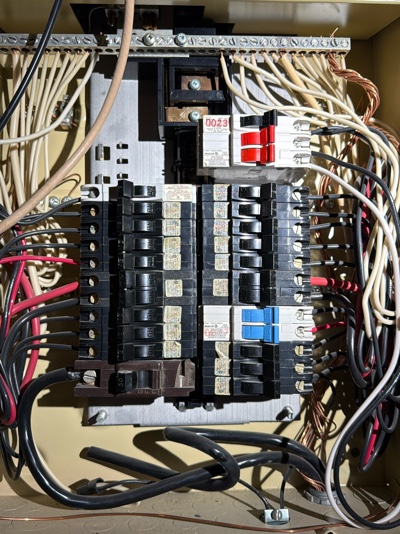
| Main Panel Interior | ◻️ Location: Mech Room - Ground: Unknown |
| Electrical System | ◻️ Service: 100 AMP - Branch: Copper |
| Structure System | |
| Roof Structure | ◻️ Type: Rafter Framing |
| Exterior Wall System | ◻️ Type: Wood Studs |
| Structure System | ◻️ Type: Dimensional Wood Frame |
| Foundation System | ◻️ Type: Poured Concrete |
| Structural Observ. | ◻️ Notes: Typical shrinkage cracking |
playbook

You’ll find tips & tricks on maintenance, recalls, cleaning, preparing your property for sale, dealing with difficult neighbours & more.
🔻press the thumb print.🔻


72 seconds
Positive reviews from awesome customers like you help others to feel confident about choosing our firm & our “to the point” reporting methodology.
We’d so appreciate if you could take 72 seconds to click on our logo below and share your happy experience.
Much Appreciated