#8
Twenty20 & Co Inc


May 9, 2026
"Designed to tell the real story."
⚠️ Tap Here
⚠️ Property Specs

elements

|
May 9, 2026 |

|
#8, 603 15 Ave SW Calgary, Alberta |

|
Townhouse ROW |

|
⛅️Partly Sunny 15° |

|
Agent & Client |

|
Lucas Kirsch
|

|
Kelly Becker #8, 603 15 Ave SW beckerrk@telus.net 4033895753 |

|
Laura Mitchelle |

|
12:45PM Start Time |
method

This inspection is a visual, non-invasive review using normal controls & accessible areas.
We follow a consistent path through all major systems. Findings are structured for clarity so you understand what’s there, what needs attention & what to do next.
Each item lists the component or system, issue defect, recommended action & summary note.
Built to eliminate doubt.
"Turning information into decisions you can trust."


thank you
Thank you for choosing us for your inspection. We truly appreciate your trust.
I will be your primary contact & will do everything I can to ensure you are completely clear on today’s findings.
Please feel free to reach out at any time if you have questions or need further clarification. We’re always happy to help.
Kind Regards,
Lucas Kirsch
stuff.
A property inspection evaluates visible, non-exhaustive conditions & records findings in report form Inspectors examine readily accessible systems & components using a visual, non-invasive method & operate equipment using normal controls when possible. Components, issues, actions, location, trade & summary may be noted. Conditions reflect time of inspection only. Inaccessible or unsafe areas are not inspected (not accessible)
⚠️ We encourage you to read our Standards of Practice (SOP’s), scope, disclamers & limitations. The SOPs outline the scope of the inspection, the systems reviewed & the limitations that apply. They provide the framework inspectors follow to evaluate properties & communicate findings consistently. This structure helps ensure inspections are performed using a clear, proven, nationally recognized standard. Full details by clicking the logo. 🔻🔻🔻

The difference between something good and something great is attention to detail.
legends
 |
It’s a snap! Here are some key terms you’ll see throughout. |
| Iconography | Used for clarity. |
 |
Immediate Attention |
 |
Attention |
| Not Inspected | Limitations. |
| Hand Gestures | Universal. |
| Issue: | Identify the problem if there is one |
| Action: | Recommended path to address the issue |
| L: | Location where it is found |
| T: | Typical Tradesperson |
| R: | Reason why it wasn't inspected |
| $ / $$ / $$$ |
summary
Action: Tune-up/ Service Advised T: ⚫ Roofer L: Throughout
Notes: Service Recommended – Issue(s) should be addressed by a certified professional. If left as is, this could impact performance, safety, and/or reliability.
Action: Seal / Repair / Monitor
Notes: Service Recommended – Issue(s) should be addressed by a certified professional. If left as is, this could impact performance and/or reliability.
Action: Seal / Repair / Monitor
Notes: Service Recommended – Issue(s) should be addressed by a certified professional. If left as is, this could impact performance, safety, and/or reliability.
Action: Further Evaluate / Repair
Notes: Observation – Issue(s) should be monitored; plan for maintenance or correction as needed. Over time, this may affect performance.
summary
Action: Install &/or Replace
Notes: Service Recommended – Issue(s) should be addressed by a certified professional. If left as is, this could impact performance, safety, and/or reliability.
Action: Seal / Repair / Monitor T: 🔵 Plumbing L: 3rd Floor
Notes: Observation – Issue(s) should be monitored; plan for correction.
Action: Further Evaluate / Repair
Notes: Observation – Issue(s) should be monitored; plan for maintenance or correction as needed. Moisture tested. Thermal. DRY THIS DAY. Please have sellers disclose.
Action: Further Evaluate / Repair
Notes: Attention – Issue(s) should be addressed in a timely manner. Further consequences may occur if not rectified. OBSOLETE
| R BACK TO SUMMARY |

|
Report Legend
Explains reports symbols.
|
|
|
|
|
|
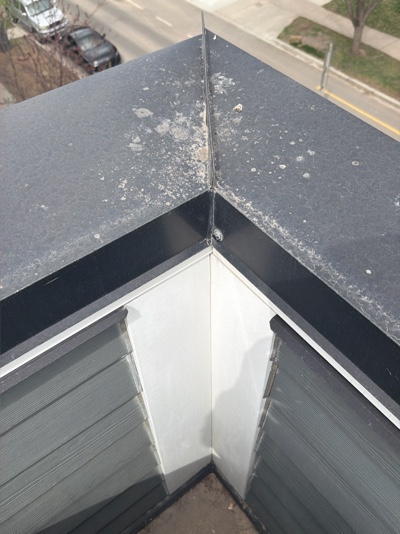
Roof Observation - (3)
⠀ ⠀ ⠀
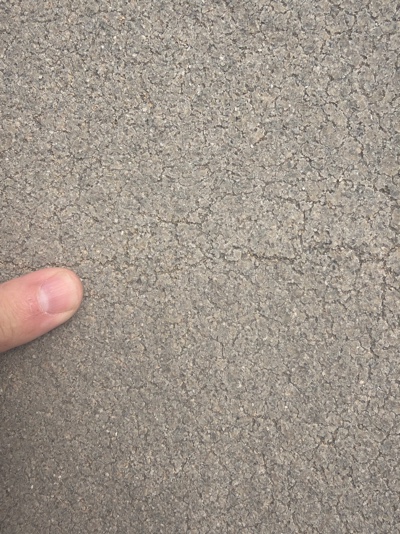
Roof Observation - (4)
⠀ ⠀ ⠀
|
|
|
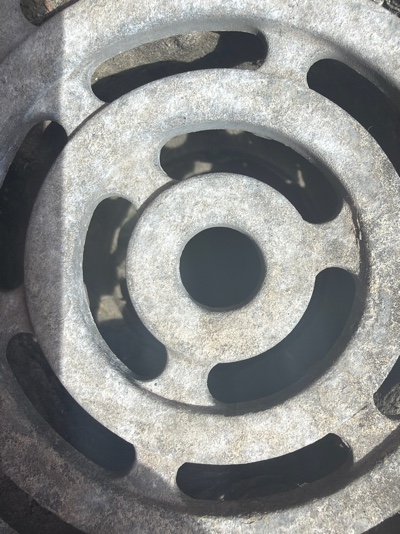
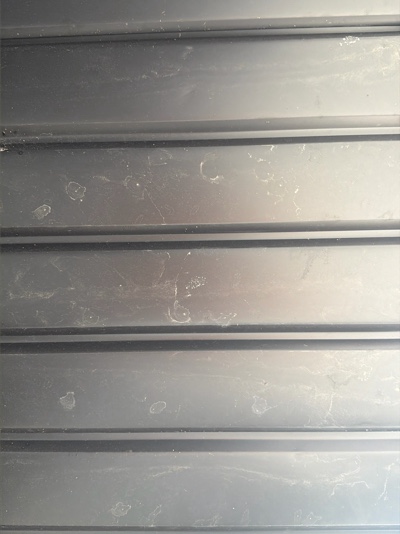
Gutter(s) -Trough(s)
Inspected for debris, drainage flow, interior condition and visible standing water.
Soffit(s) & Fascia(s)
Attn. given to ventilation openings, attachment, clearance & visible staining or obstructions.
|
|
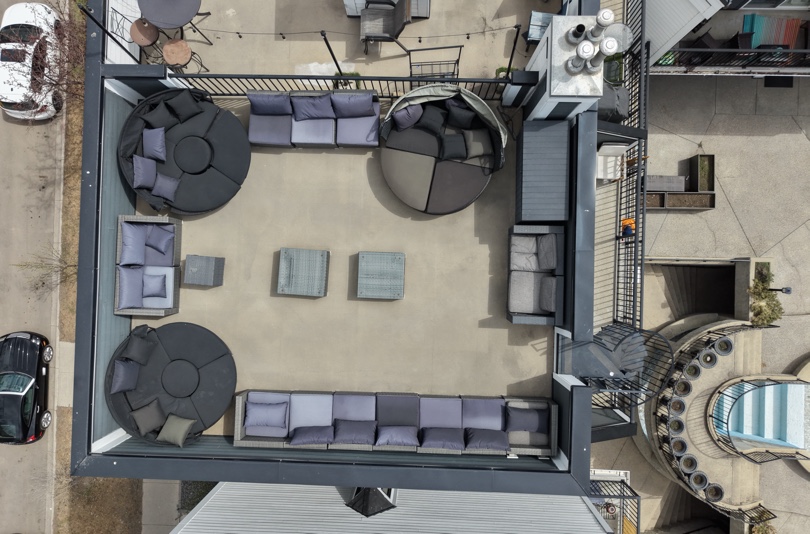
Overview Roof / Property
Survey performed to visually document roof coverings & associated components.This includes material condition, install, flashing, penetrations, drainage paths, & anomalies. See also Insurance Section.
|
|
|
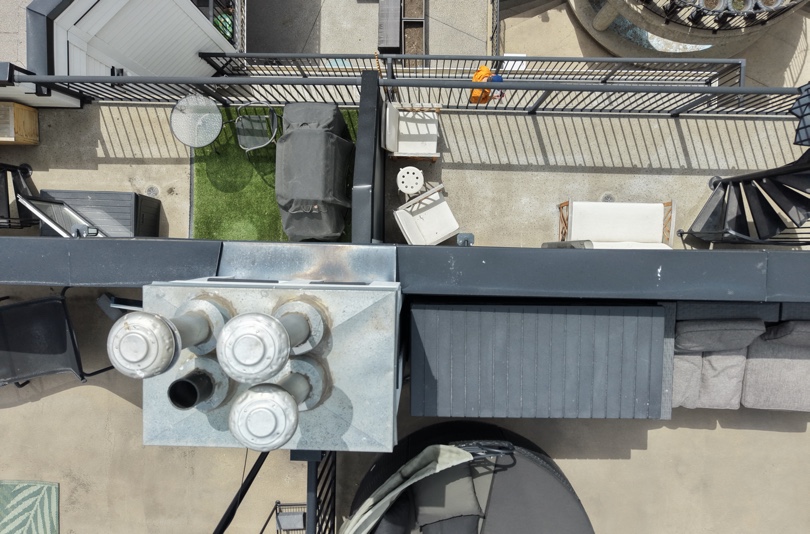
Overview Roof (2)
⠀
|
|

|
Overview Roof (3)
⠀
|
|
|
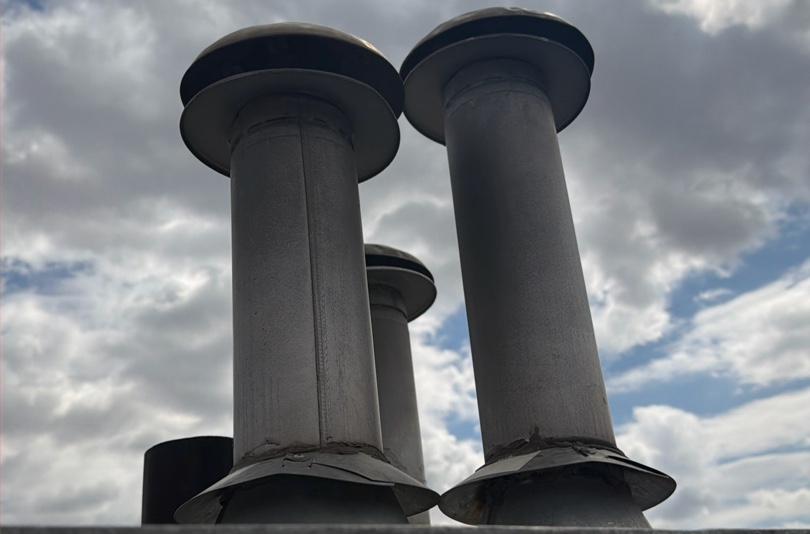
Overview Roof Utilitie(s)
Visually inspected for secure mounting, proper sealing, venting, clearances, and signs of damage, leakage, or improper installation.
|
|

|
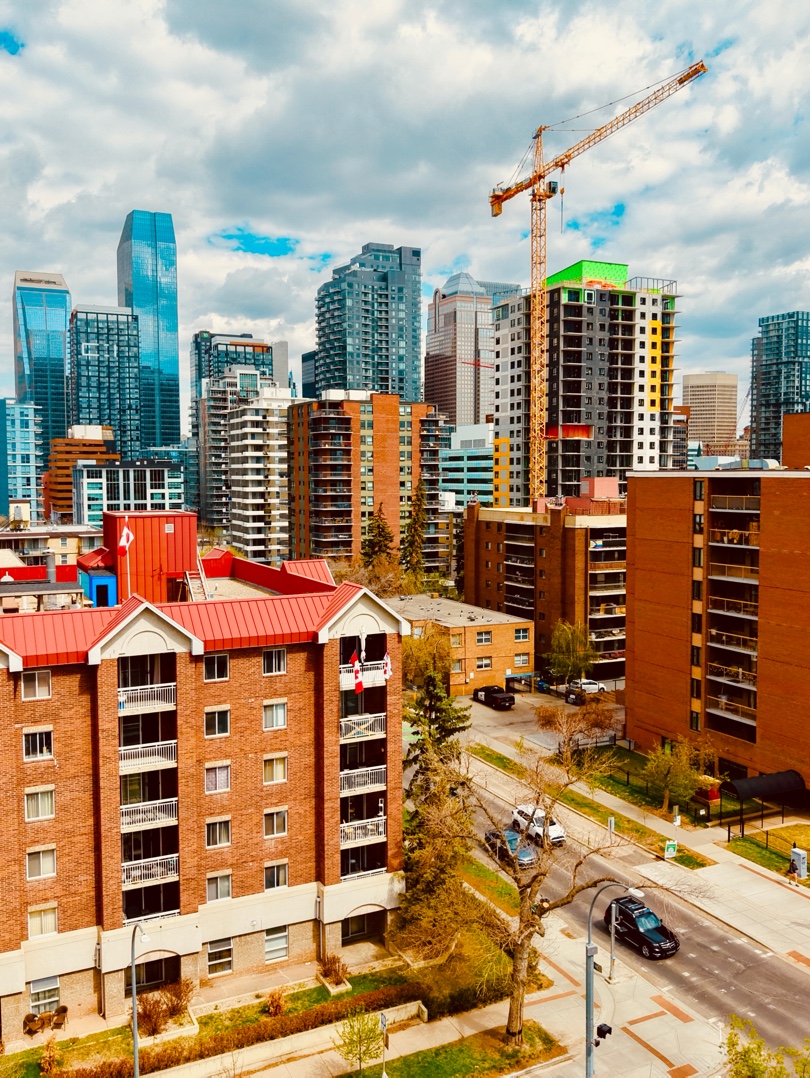
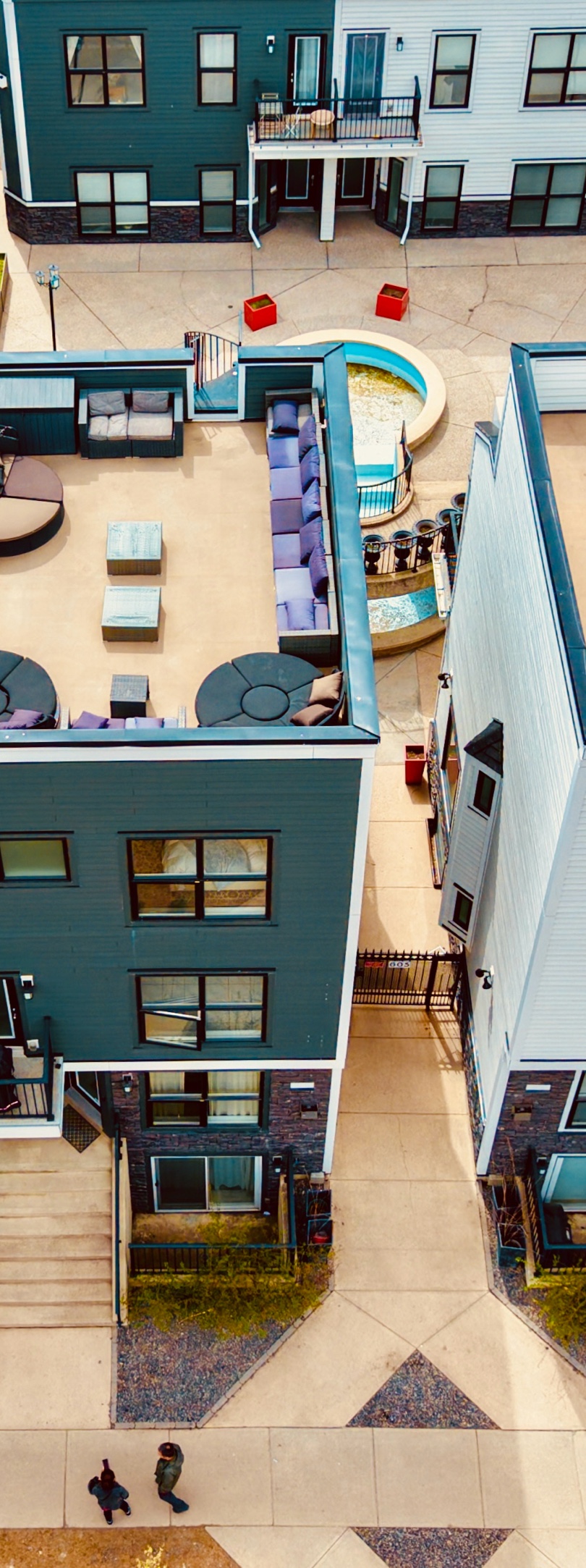
Gram-Shot
We’ve included a couple additional drone shots to provide a broader perspective of the property and its surroundings. These images offer a unique vantage point, showcasing the property’s placement within the neighborhood, nearby features, and the overall landscape.
|
|
|
Gram-Shot ⭐️
❤️
|
|
|
|
|
|
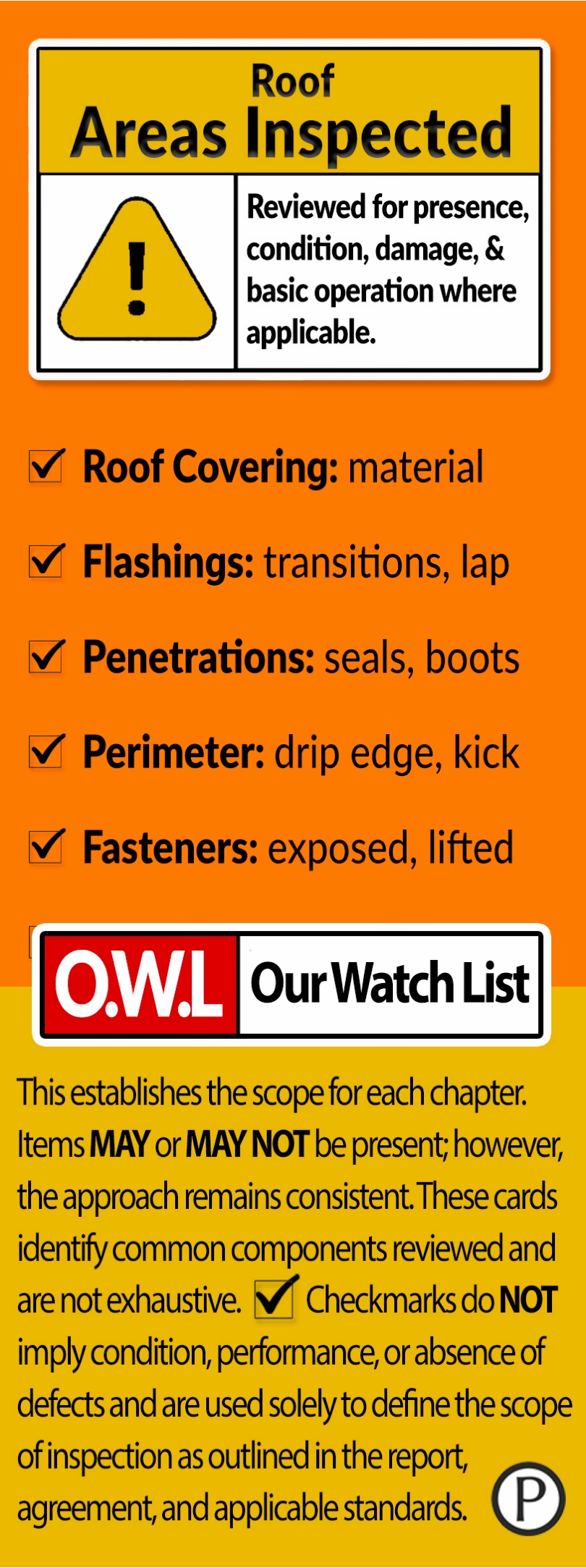
The Roof Baseline O.W.L
𝗥𝗼𝗼𝗳 – 𝗔𝗿𝗲𝗮𝘀 𝗜𝗻𝘀𝗽𝗲𝗰𝘁𝗲𝗱Roof components are reviewed for presence, general condition, visible damage, and basic performance characteristics where applicable. This includes commonly accessible roofing materials, flashings, roof penetrations, drainage features, and visible edges and transitions. The review focuses on observable conditions from accessible vantage points and does not include destructive testing or prediction of remaining service life. |
|
| E BACK TO SUMMARY |

|
|
|
|
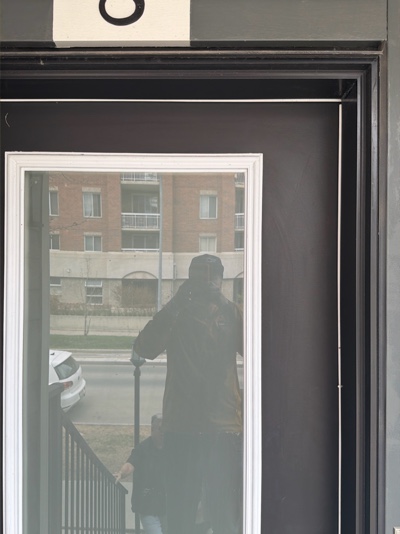
Exterior Entry Door(s)
Inspected for condition, glazing, sealing, flashing, alignment & operation.
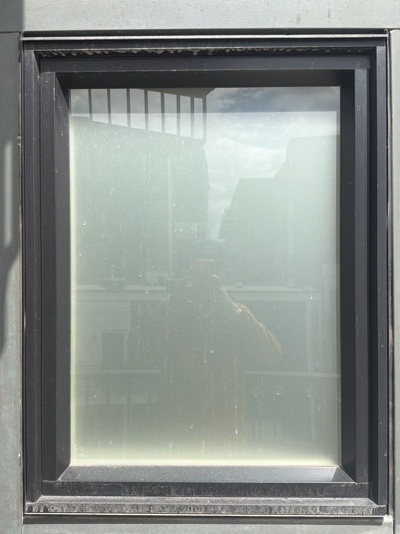
Window(s) & Trim-Casing
Reviewed for glazing, condition, cracking, flashing, gaps & sealant deterioration.
|
|
|
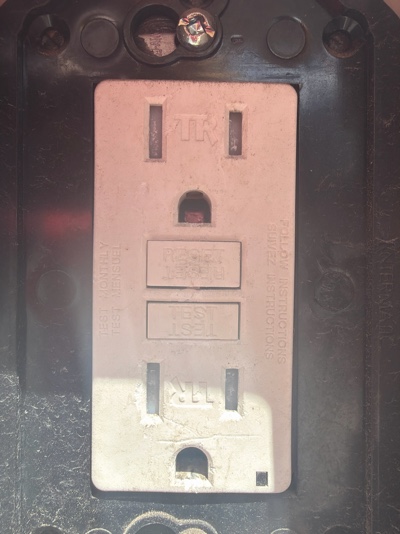
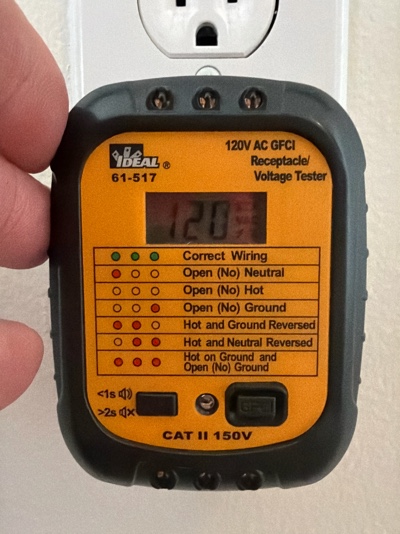
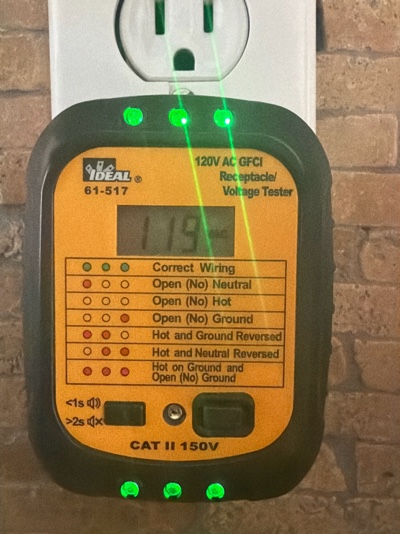
Exterior Outlet(s).
Inspected for safety, GFCI presence (using a standard plug tester.)
Support Photo
|
|
|
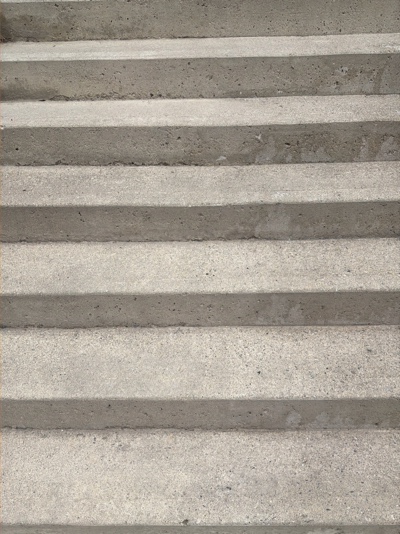
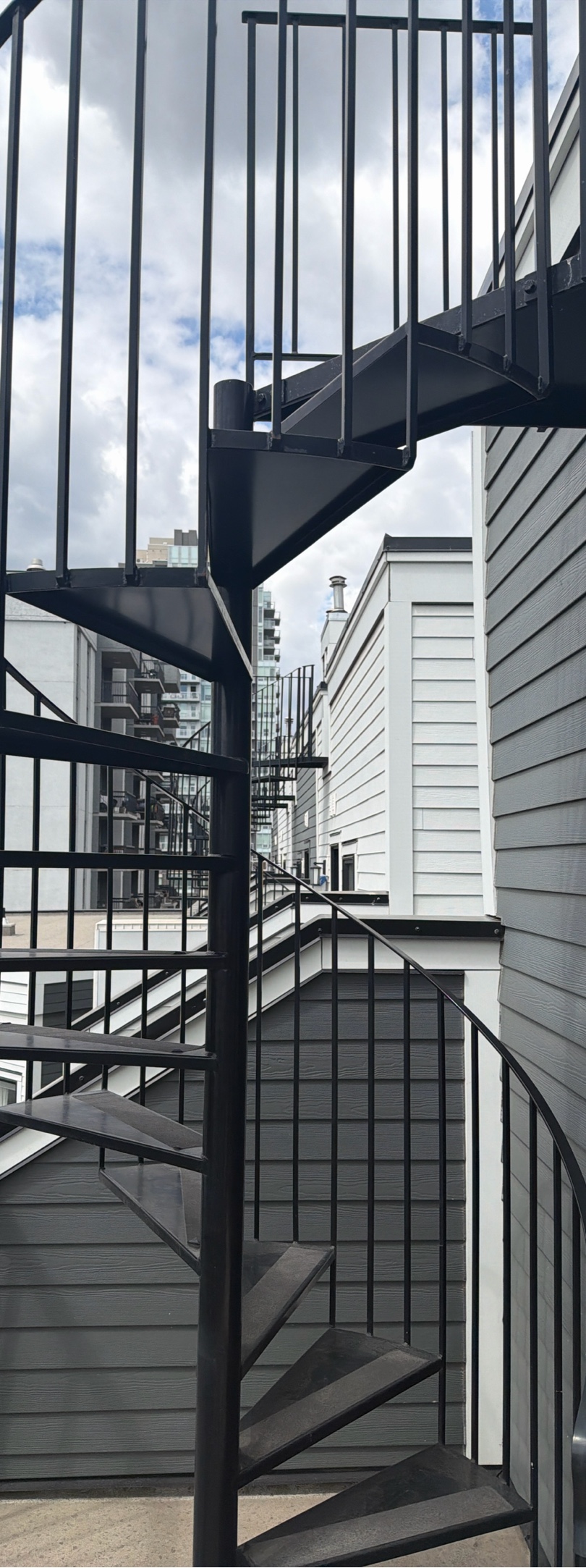
Stairs
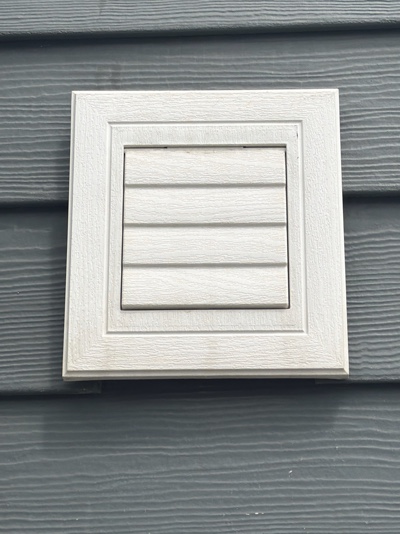
Without the gift of X-ray vision, our inspection process relies on keen observation and tactile assessment. We carefully examine & scan
Additional Vent(s)
⠀⠀⠀⠀⠀⠀⠀⠀
|
|
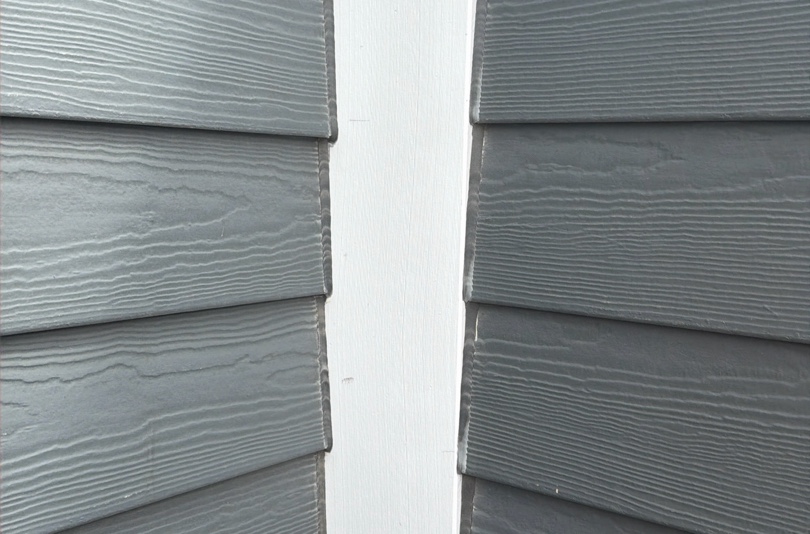
Cladding / Material(s)
Inspected for cracks, gaps, clearance from grade, installation & surface deterioration. See also Insurance Section.
|
|
|
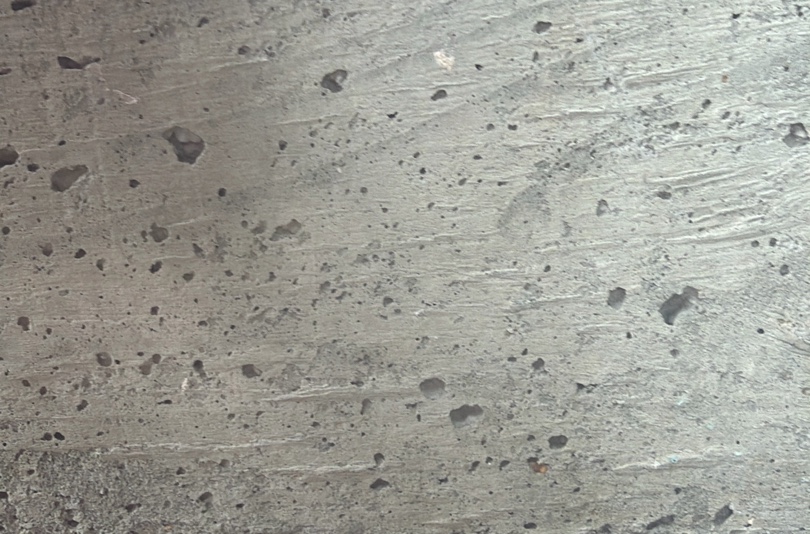
Foundation / Structure
Inspected for flaking, cracking, displacement, moisture indicators & visible movement.
|
|
|
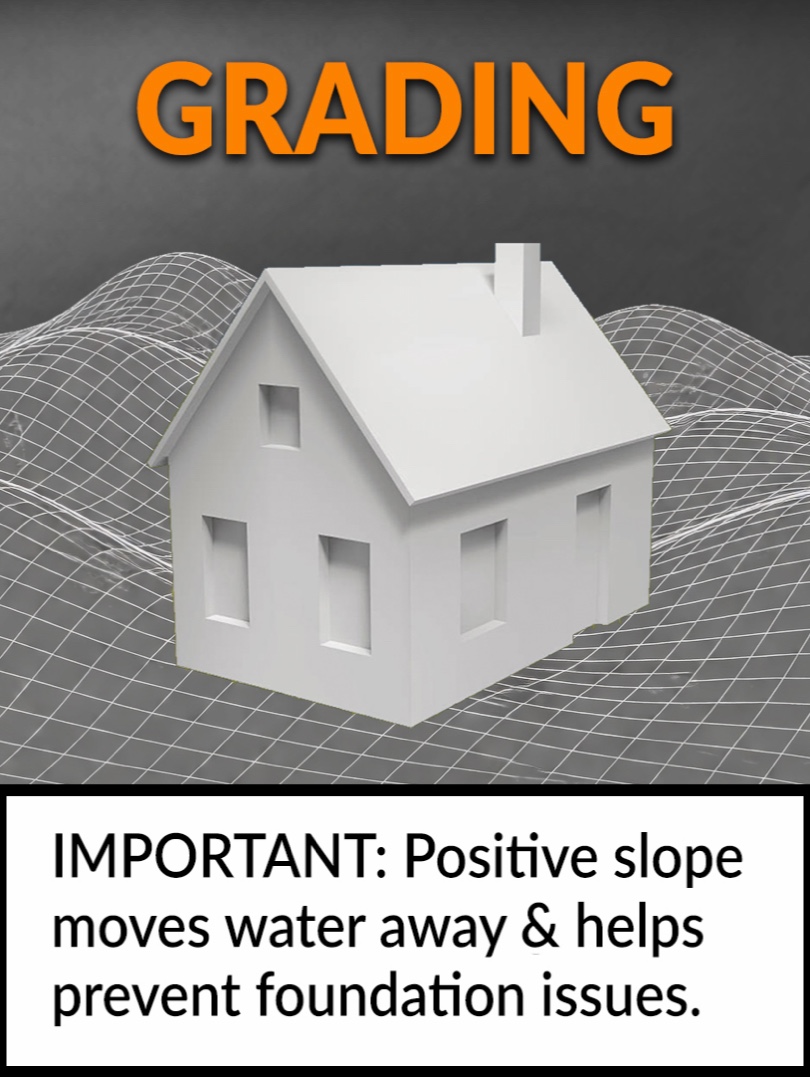
⚠️ SLOPE & Grade Management
Proper grading should slope away from the foundation, not remain flat or create negative slope that directs water toward the property. Watch for heaving, settling, and high or low spots that can trap moisture near walls. Ensure downspouts discharge well away from the structure and that gutters are level and draining correctly. Poor alignment or overflow can erode soil over time, increasing the risk of moisture intrusion and foundation movement.
|
|

|
|
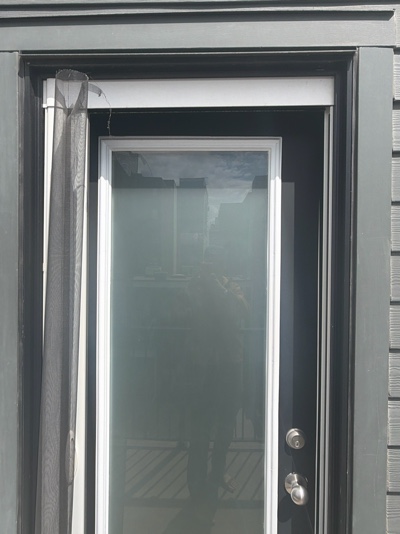
Balcony Access / Door(s)
Inspected for sealing, glazing, hardware, drainage, & signs of damage, air leakage, or intrusion.
|
|
|
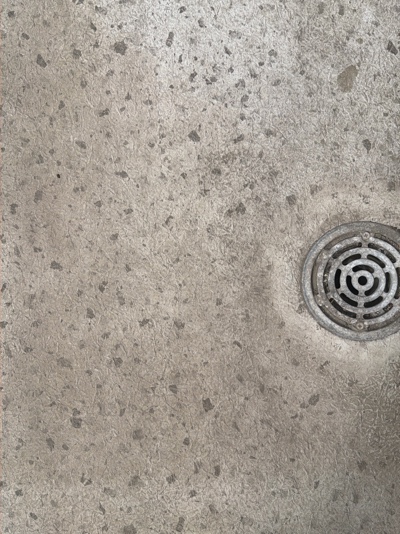
Balcony Surface Material
Inspected to assess material condition, slope, surface wear & signs of damage,
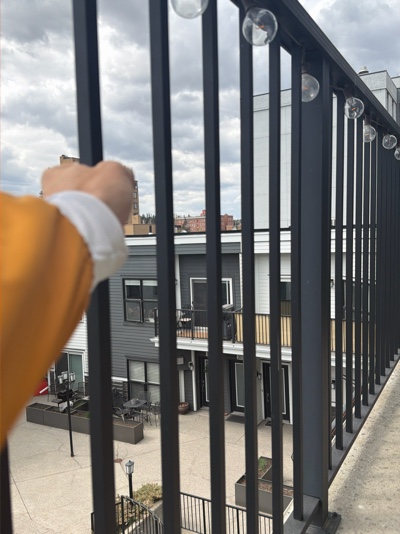
Balcony Guards / Railing(s)
Inspected for attachments, height, stability, & signs of damage, movement, or deterioration.
|
|
The Balcony Baseline
Components are reviewed for presence, general condition, and visible signs of damage or deterioration where accessible. This includes the walking surface, guardrails, drainage, and visible structural connections. Accessible areas are checked for cracking, corrosion, rot, loose fasteners, and signs of water intrusion or improper slope. The review is limited to observable conditions without load testing, removing finishes, or evaluating concealed waterproofing or structural components.
|
|
|
|
|
|
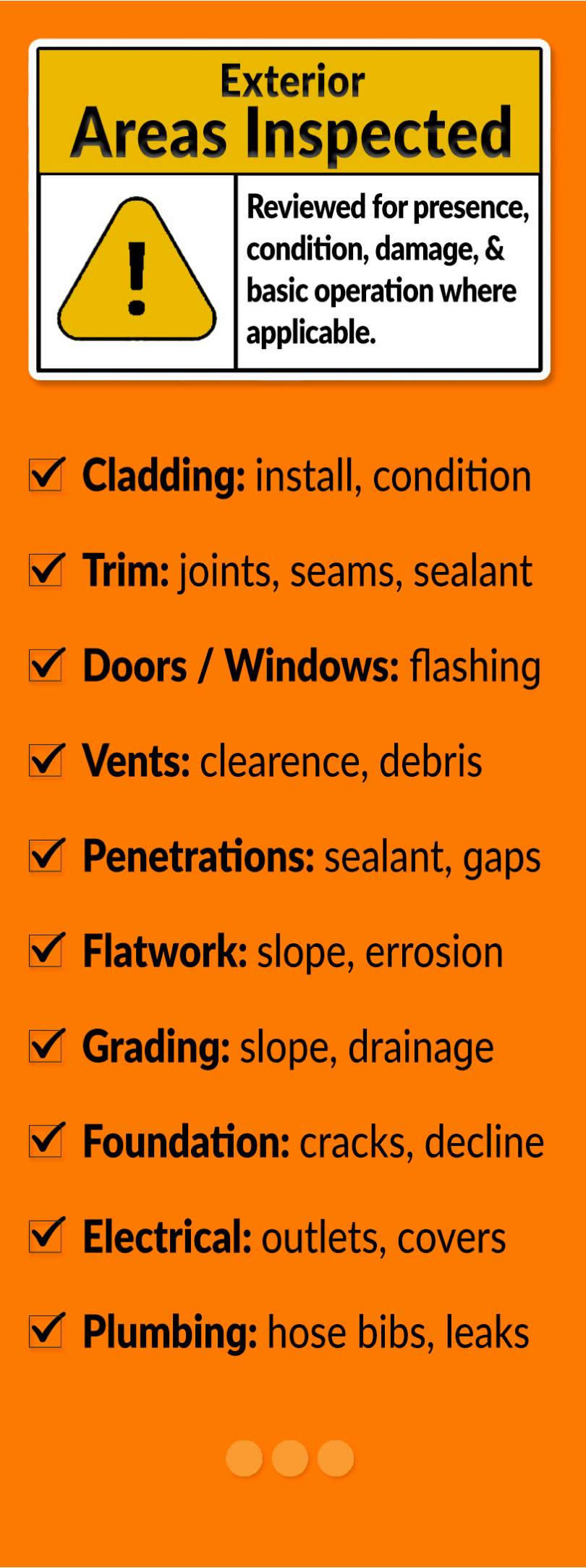
The Exterior Baseline
𝗘𝘅𝘁𝗲𝗿𝗶𝗼𝗿 – 𝗔𝗿𝗲𝗮𝘀 𝗜𝗻𝘀𝗽𝗲𝗰𝘁𝗲𝗱Exterior components and finishes are reviewed for presence, general condition, visible damage, and basic operation where applicable. This includes commonly accessible elements such as exterior walls and cladding, doors and windows, trim and sealants, decks, steps, railings, porches, balconies, and visible foundation surfaces. Drainage features, surface grading, and other exterior elements that may affect moisture management and overall performance are also visually reviewed where present. |
|
| I BACK TO SUMMARY |

|
|
|
|
Outlet(s)
Inspected for operation, secure mounting, polarity, grounding, cover condition & visible wiring concerns.
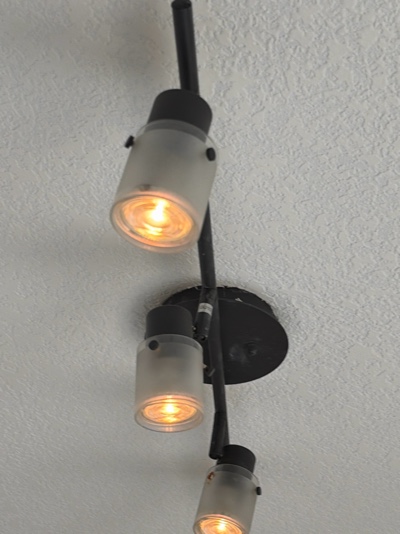
Interior Light(s)
Inspected for operation using normal switching procedures & visible deficiencies.
|
|
|
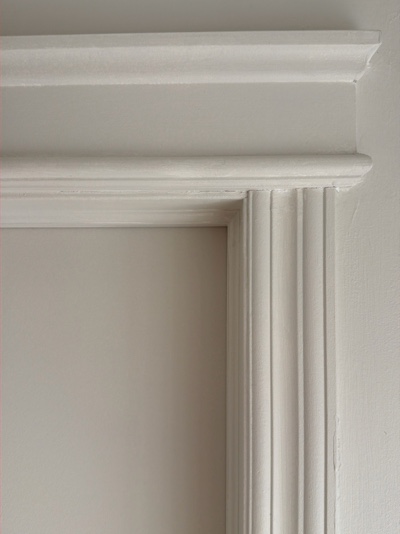
Interior Door(s) ⠀
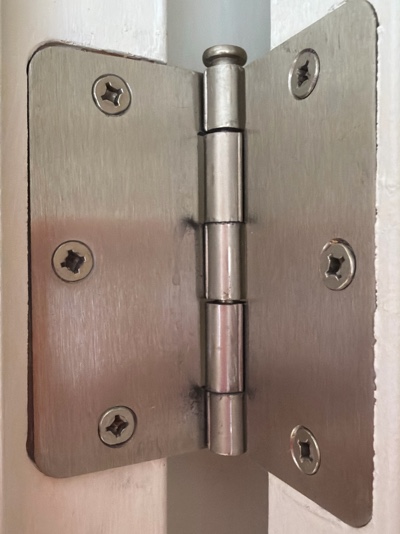
Attention given to alignment, operation, hardware, hinges, latching, & indicators affecting use.
Door Hinge.
|
|
|
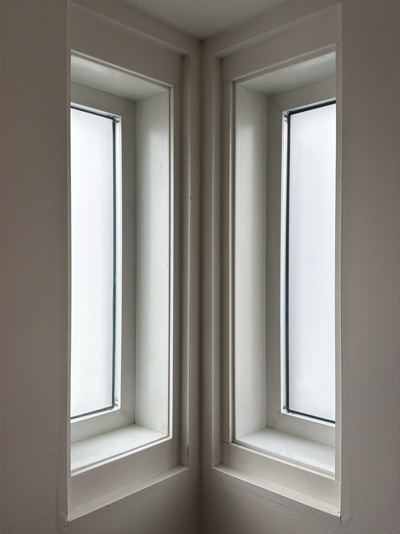
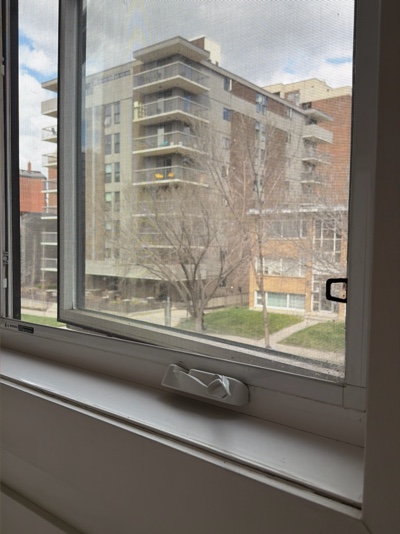
Interior Window(s) ⠀
Observations included glazing, operation, seals, & conditions affecting performance.
|
|
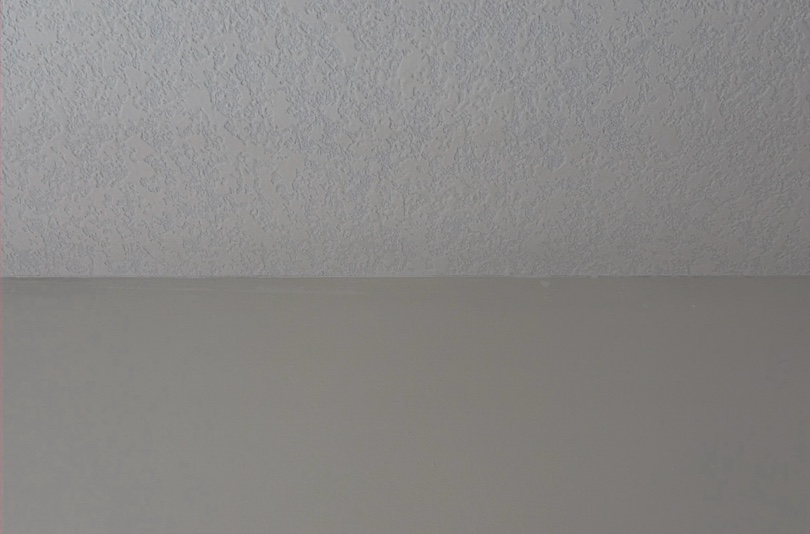
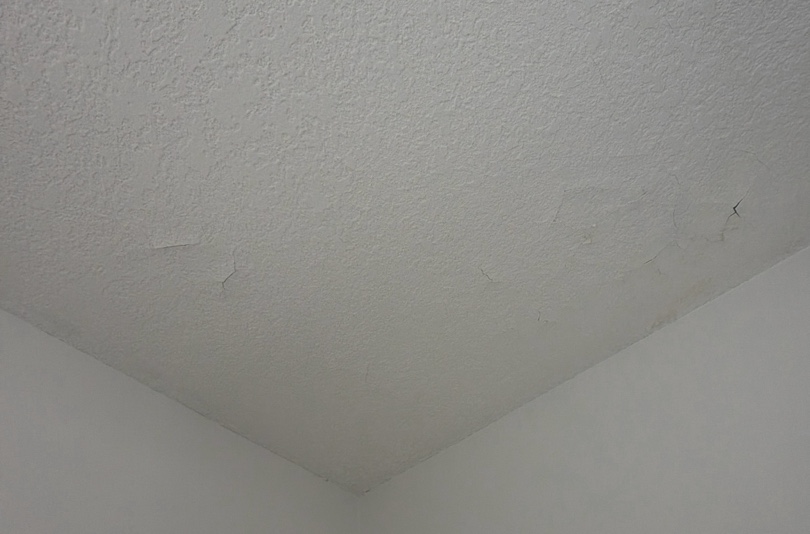
General Ceilings / Walls
Visually examined for common defects.
|
|
|
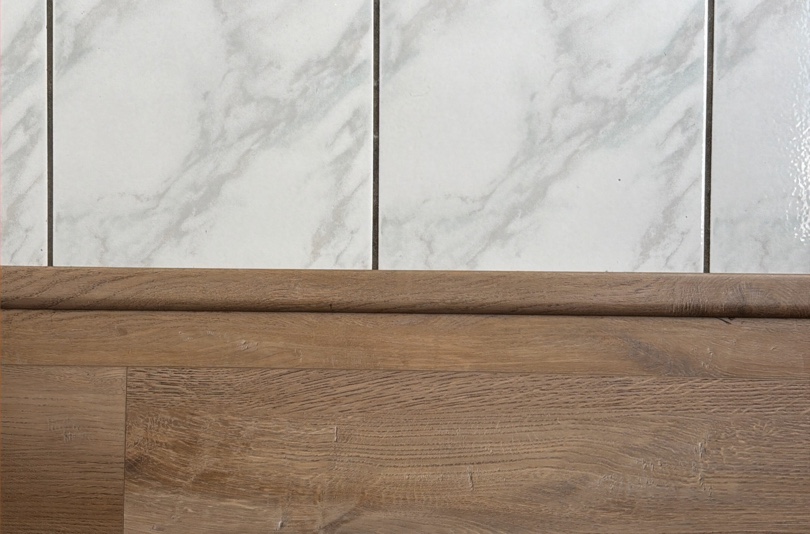
General Flooring
Visually examined for common defects.
|
|
|
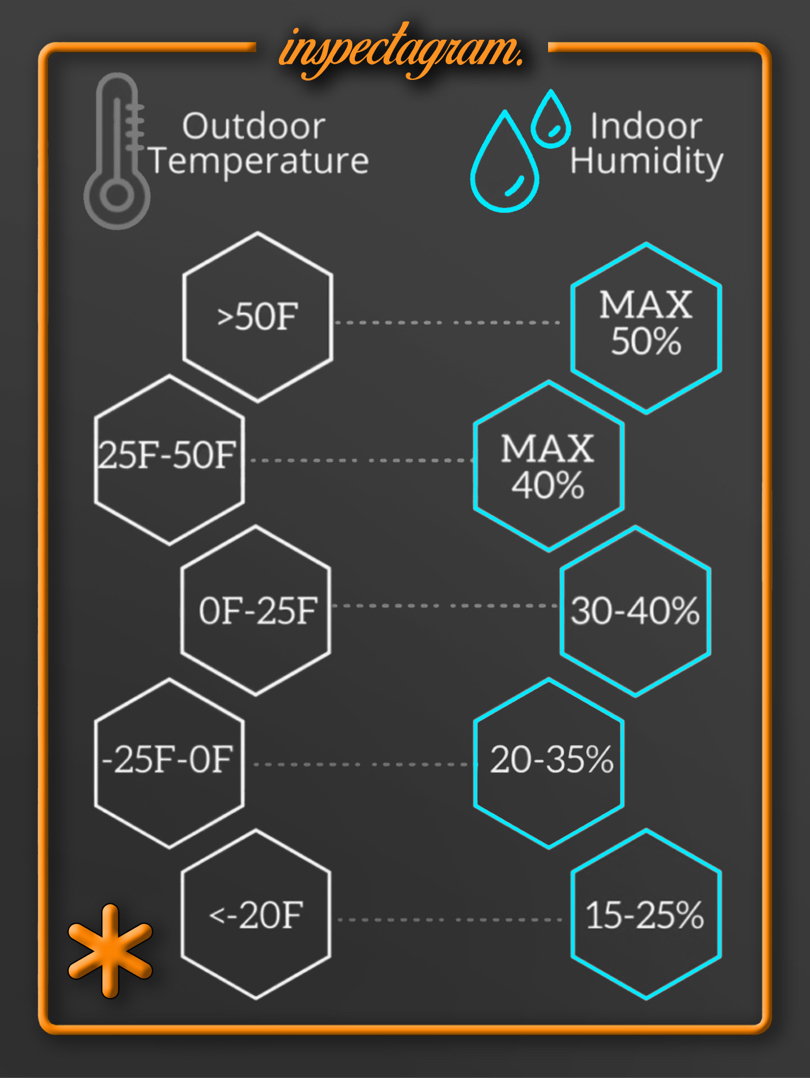
About Humidity’
Maintaining proper indoor relative humidity in winter is crucial to health and comfort. Cold air holds less moisture, leading to dry indoor air when heated. Optimal indoor humidity (30-50%) prevents respiratory issues, dry skin, and damage to wood furnishings. Balancing it with outdoor temperature prevents condensation on windows and mold growth, ensuring a healthy and comfortable living environment.
|
|
|
|
|
|
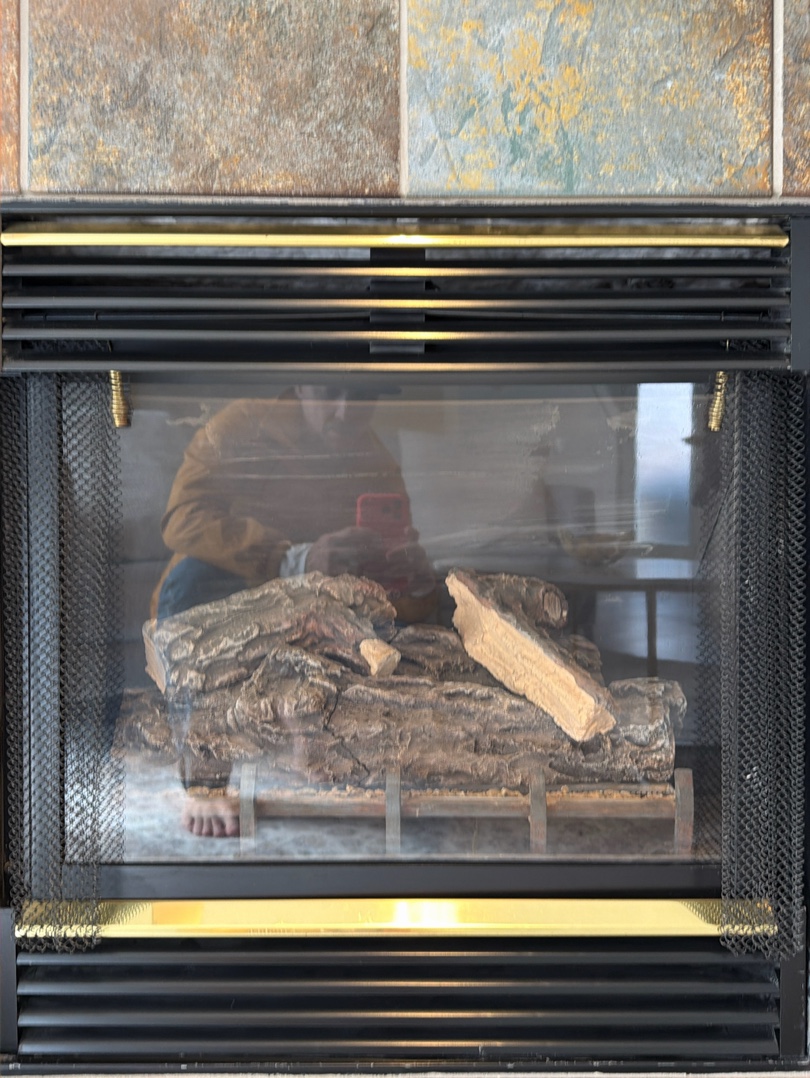
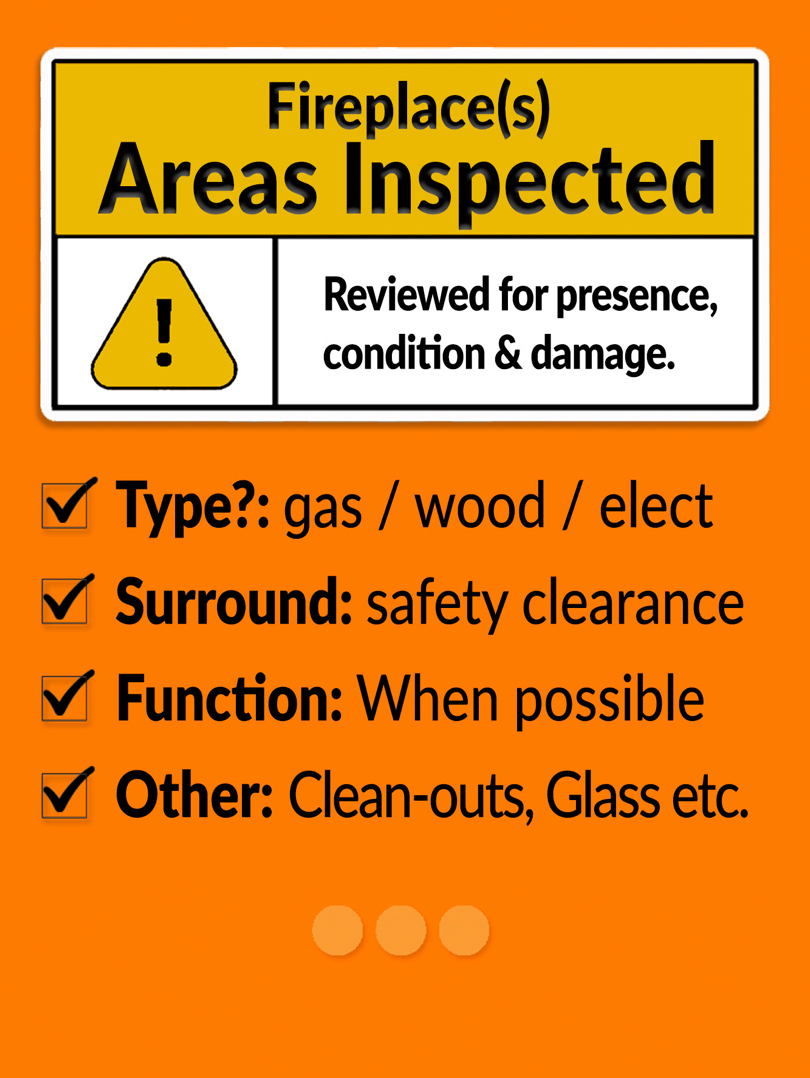
The Fireplace Baseline
Components are reviewed for presence, general condition, and visible signs of damage or deterioration where accessible. This includes the fuel type, firebox, hearth, mantel, damper, and visible portions of the chimney and flue. Accessible areas are checked for soot accumulation, creosote buildup, cracks, or moisture intrusion. The review is limited to observable conditions without dismantling components or conducting internal chimney inspections.
|
|

|
|
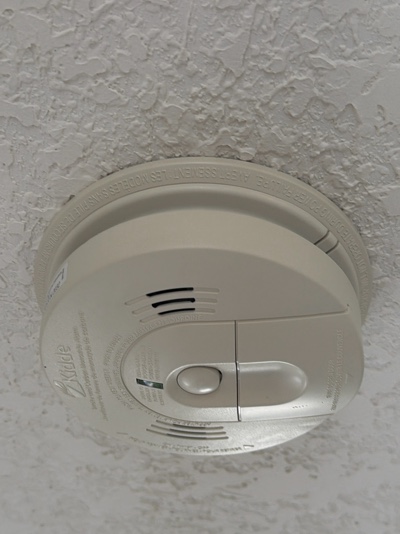
Smoke - CO Detector(s).
Visually inspected for presence, placement, condition & power source. See also Insurance Section.
|
|
|
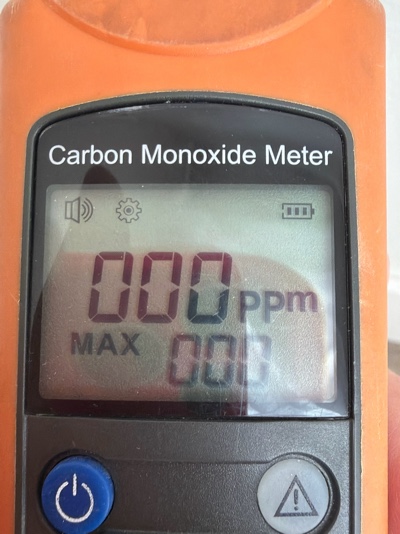
Carbon Monoxide Test(s)
Used to detect colorless, Odourless, & tasteless flammable gas. Spot checks performed in high-risk areas.
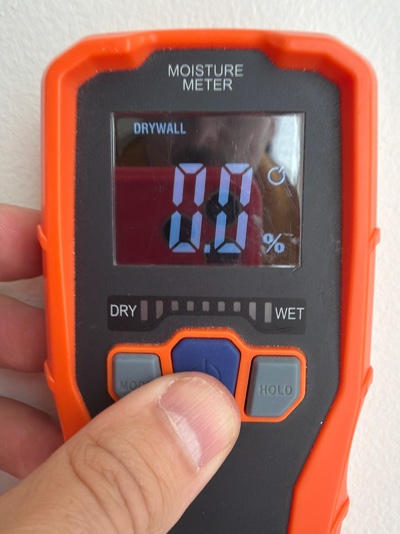
Moisture Meter Instrument
Used to measure the % of water in a given product. X10 Spot checks performed.
|

|
Safety First
Smoke and carbon monoxide alarms are essential life safety devices. Install smoke alarms in bedrooms, outside sleeping areas, and on every level. Install CO monitors outside sleeping areas and on each level near fuel burning appliances and attached garages.Test monthly. Replace batteries yearly. Replace units every 7 to 10 years.Keep fire extinguishers accessible in the kitchen, garage, and near mechanical equipment.
|
|

|
On the way out
All items tested & operated during this inspection were returned to their prior settings & positions. Windows, doors, locks, switches, and appliances are restored to their original condition, and reasonable efforts are made to tidy and leave the home as it was found at the time of inspection.
|
|
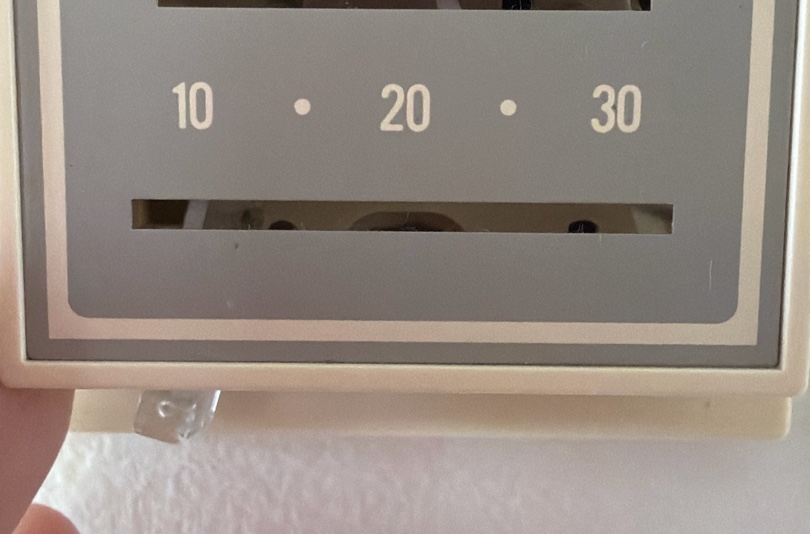
|
Stats set back
|
|
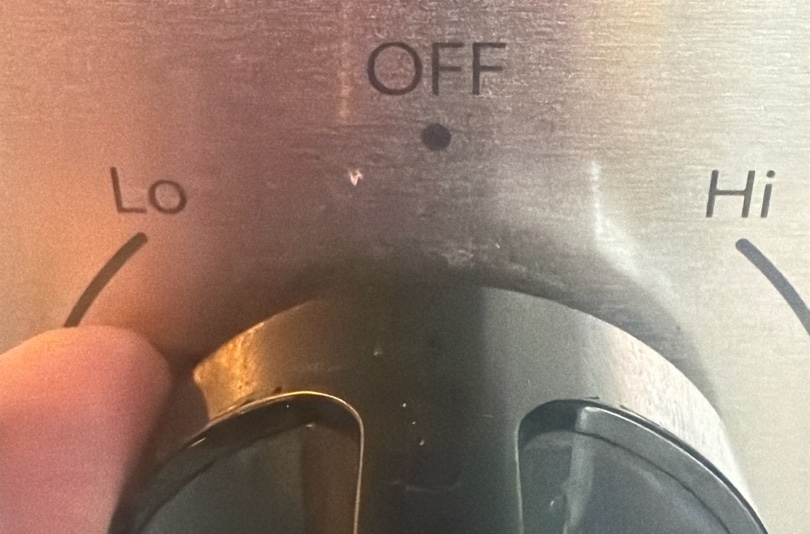
|
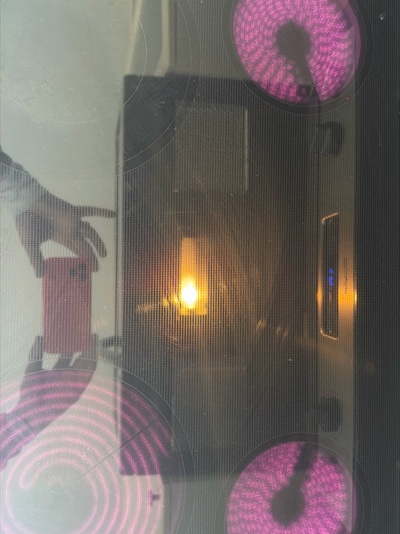
Stove / Oven Off
|
|
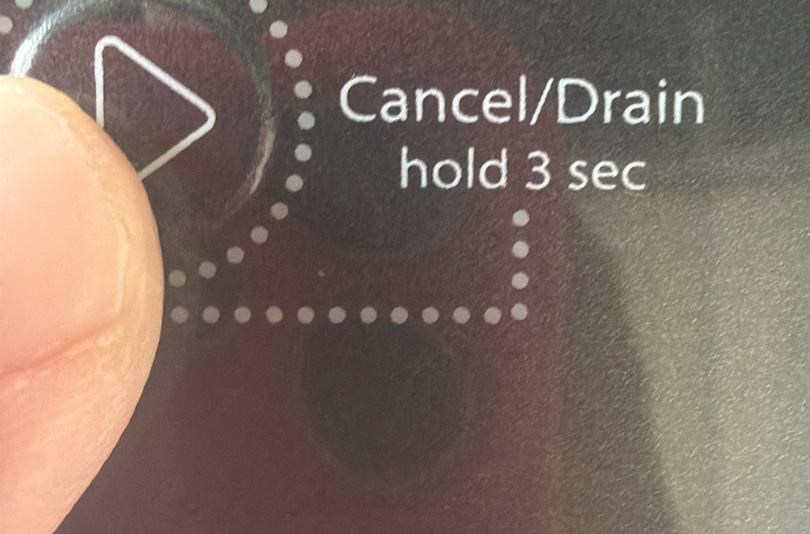
|
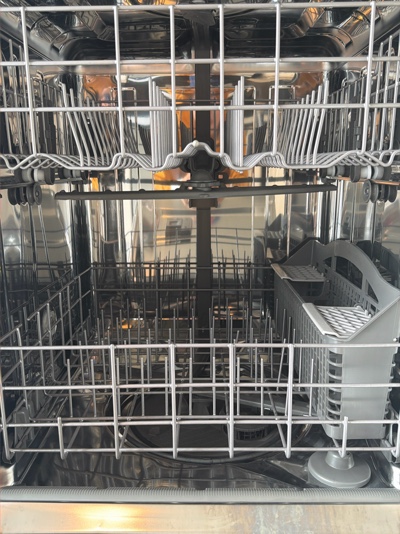
Dishwasher Off / Open
|
|
|
|
|
|
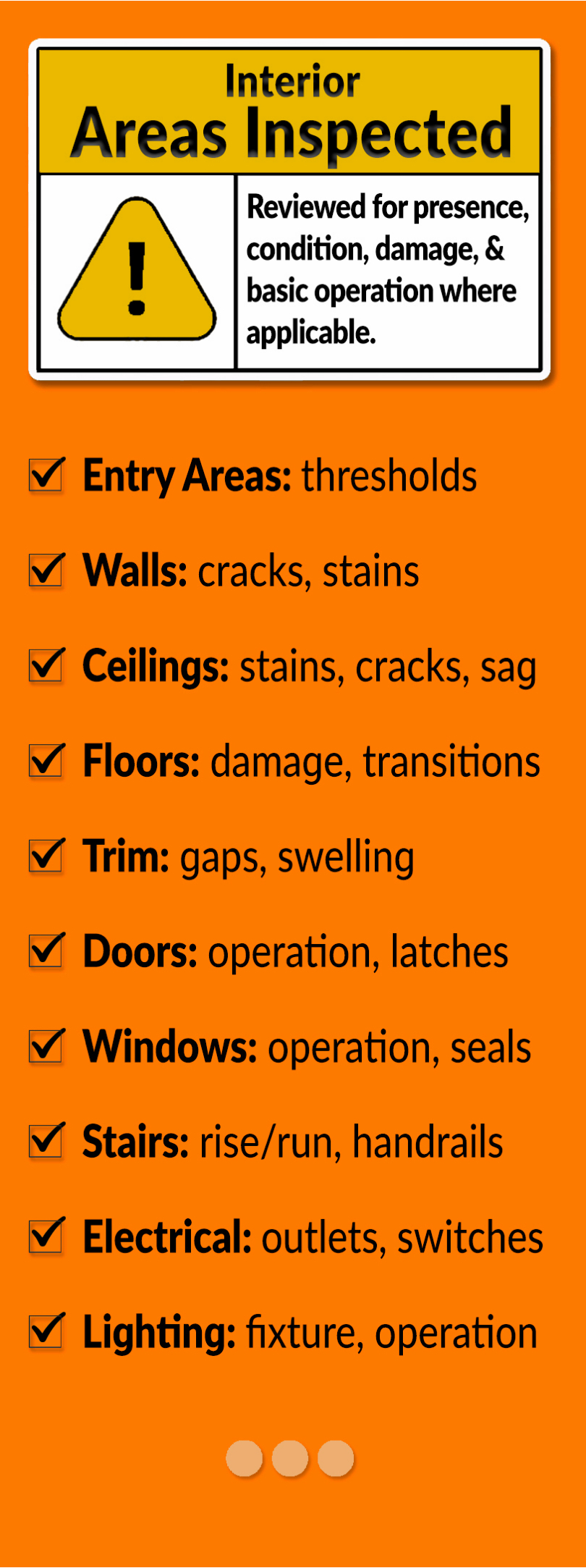
The Interior Baseline
𝗜𝗻𝘁𝗲𝗿𝗶𝗼𝗿 – 𝗔𝗿𝗲𝗮𝘀 𝗜𝗻𝘀𝗽𝗲𝗰𝘁𝗲𝗱Interior components and finishes are reviewed for presence, general condition, visible damage, and basic operation where applicable. This includes commonly accessible areas and systems such as entry spaces, walls, ceilings, floors, trim, doors, windows, stairs, electrical components, lighting, life safety devices, heating and cooling distribution elements, and other visible interior features typically found within the living space of the home. |
|

|
|
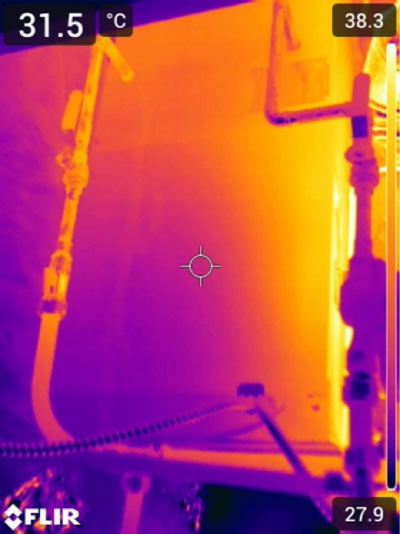
Thermal Heat Supply
|
|
|
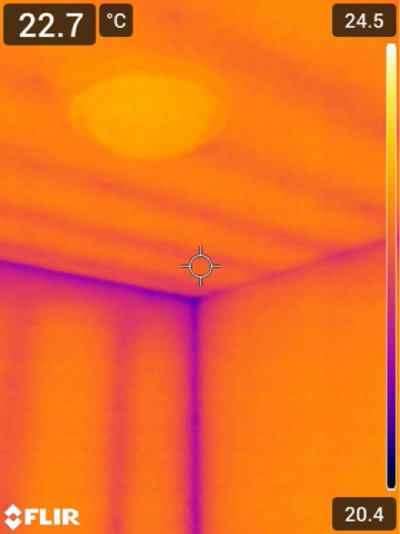
Thermal Ceilings
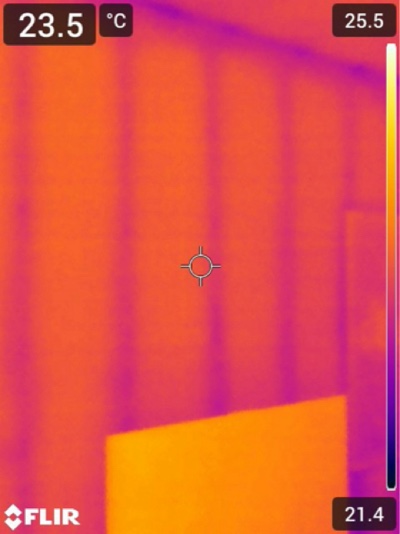
Thermal Wall(s)
|
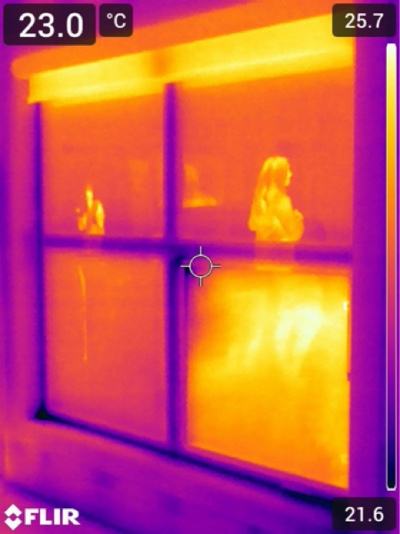
|
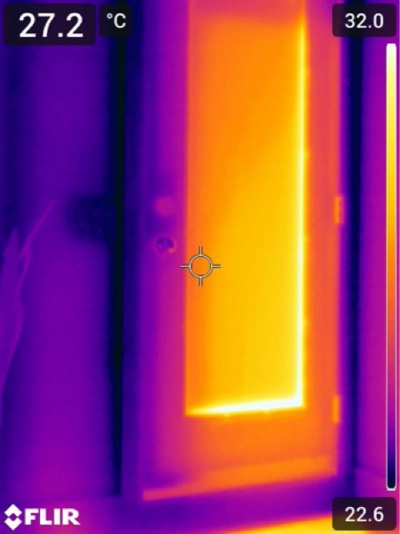
|
Thermal Window(s)
Thermal Door(s)
|
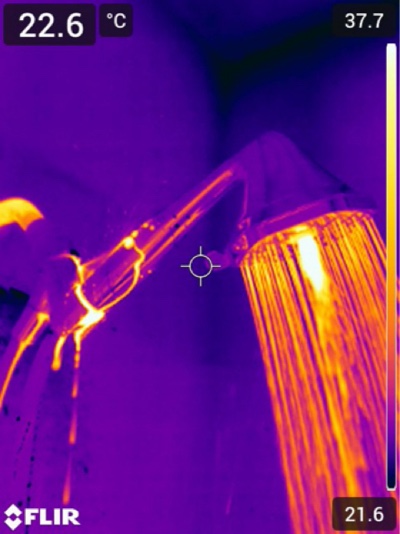
|
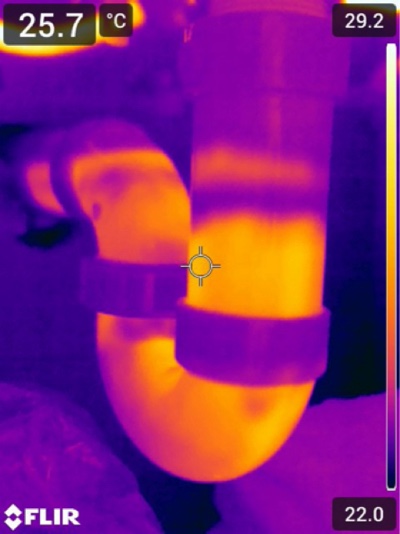
|
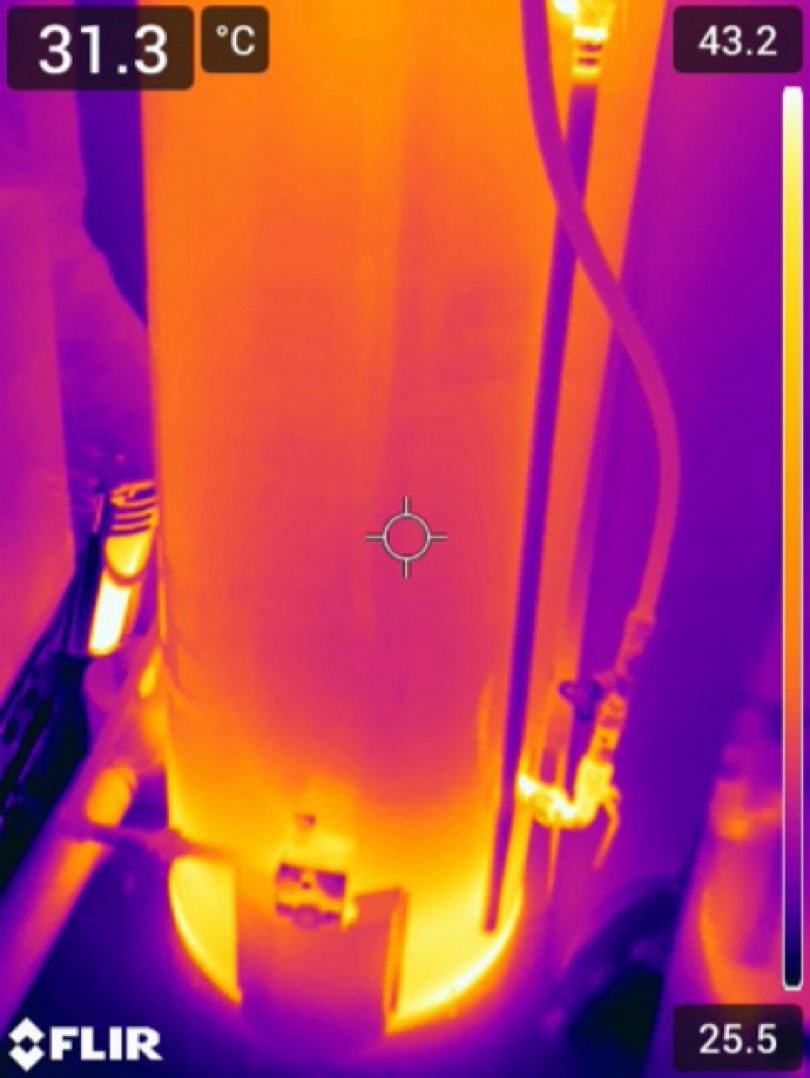
Hot Water Thermal
Thermal P-Trap(s)
|
|
Hot Water Tank
|
|
|
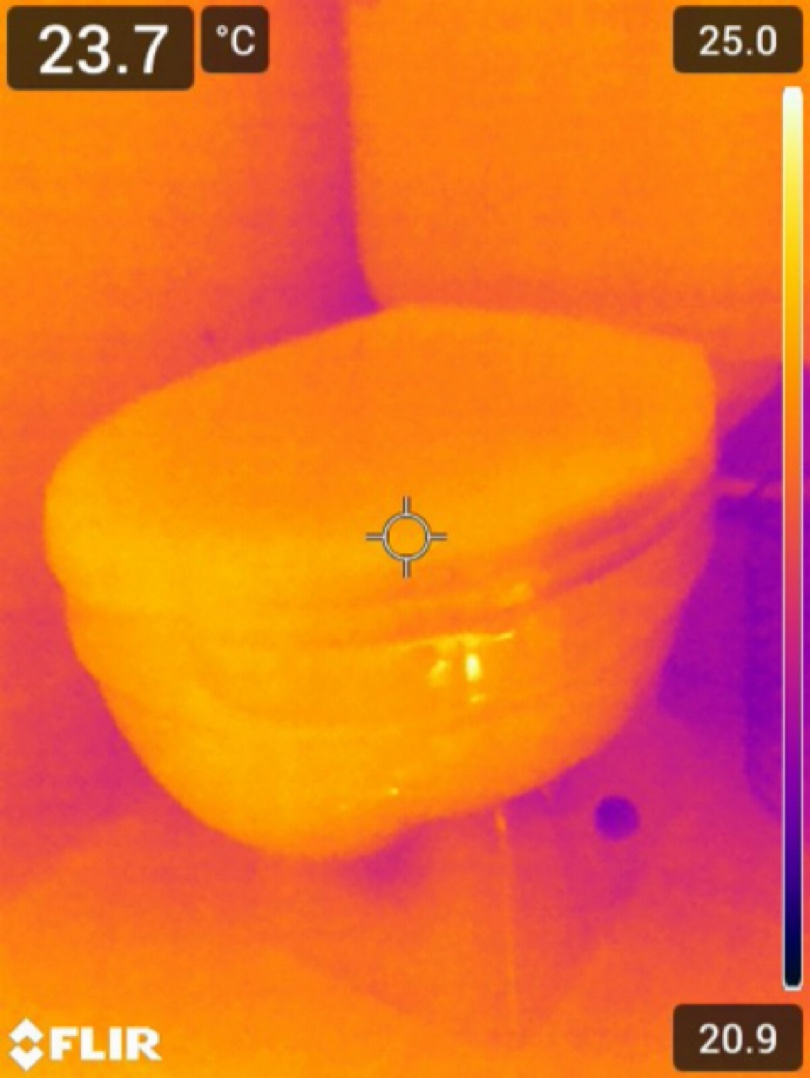
Thermal Toilet(s)
|
|
|
|
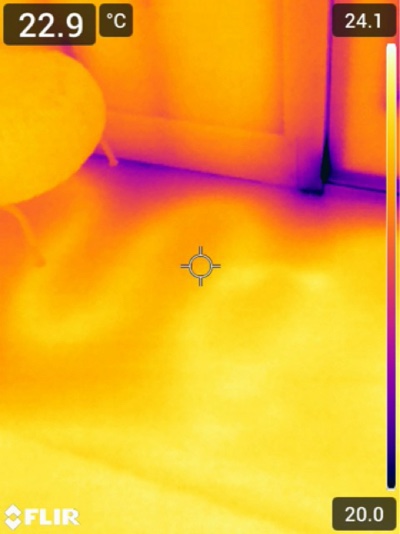
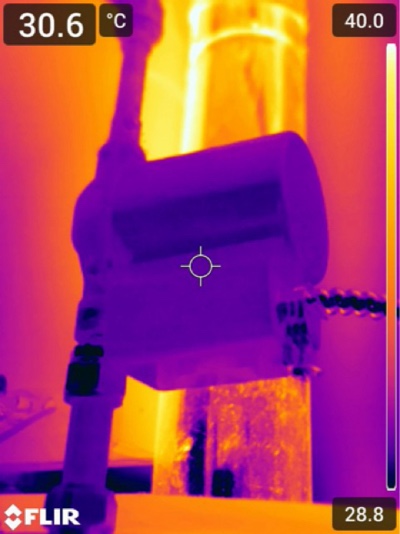
Thermal Scan(s)
Thermal Scan(s)
|
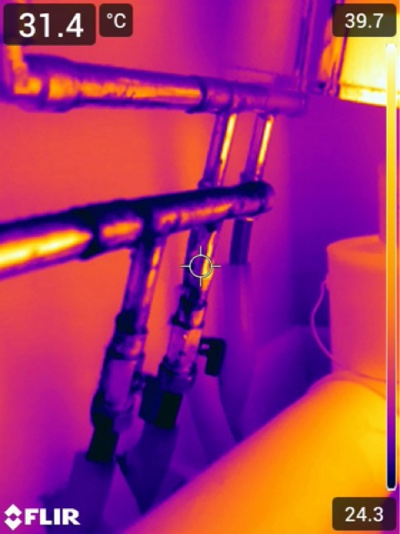
|
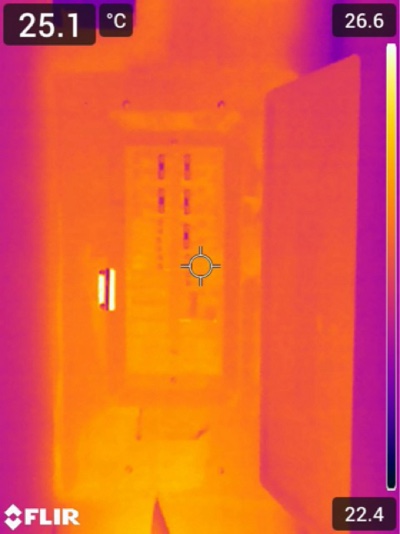
|
Thermal Scan(s)
Thermal Scan(s)
|
|
The Thermal Baseline
Observervations of surface temperature variations that may indicate areas of heat loss, moisture intrusion, or abnormal electrical or mechanical conditions where accessible. The review is limited to visible thermal patterns on exposed surfaces and does not determine the exact cause of temperature differences. Findings are influenced by environmental conditions, building materials, and time of day. This review does not include destructive testing, internal wall inspections, or verification of concealed components, and is limited to observable conditions at the time of inspection.
|
|

|
Routine Maintenance Pays
This video is provided as a helpful reference to support everyday home care & maintenance. It highlights simple steps that can reduce common problems & may help avoid unnecessary repairs or expenses over time. Watching this video may make it easier to understand the small actions that help keep a home running smoothly.See video |
|
| K BACK TO SUMMARY |

|
|
|
|
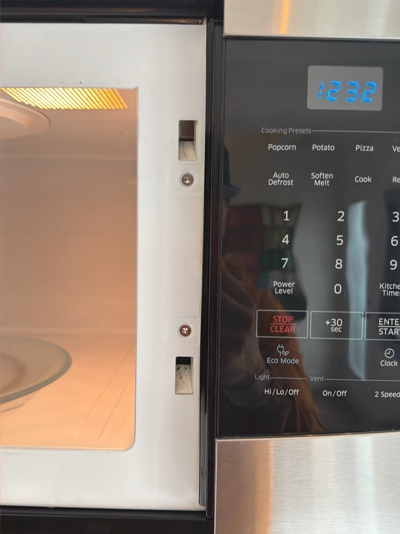
Microwave(s) ⠀
|
|
|
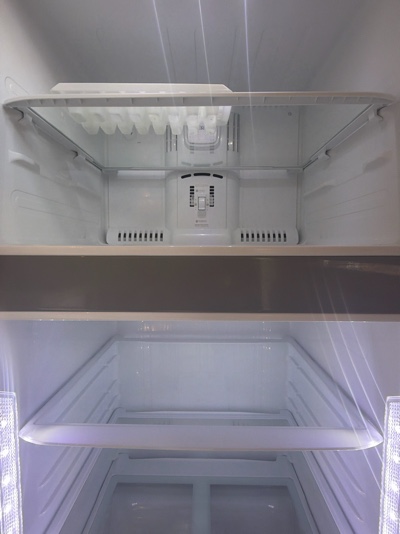
Refrigerator(s)
Inspected for operation, temperature control, door seal condition, water line connections, drainage, and general installation.
Dishwasher(s)
Inspected for operation, mounting, drainage & leakage indicators during short cycle.
|
|
|
Stovetop(s) / Cooktop(s)
Inspected for basic operation, burner function, surface condition & safety concerns.
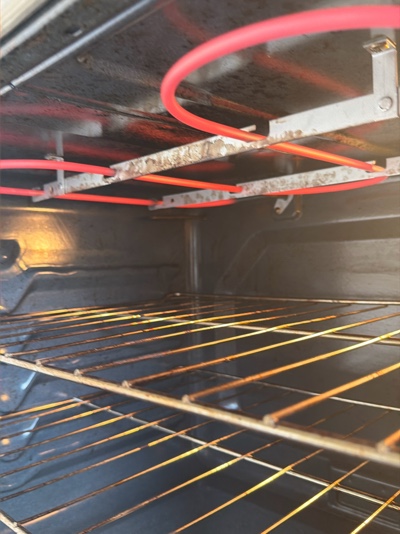
Oven(s)
Inspected for operation, interior condition, door sealing & visible safety concerns.
|
|
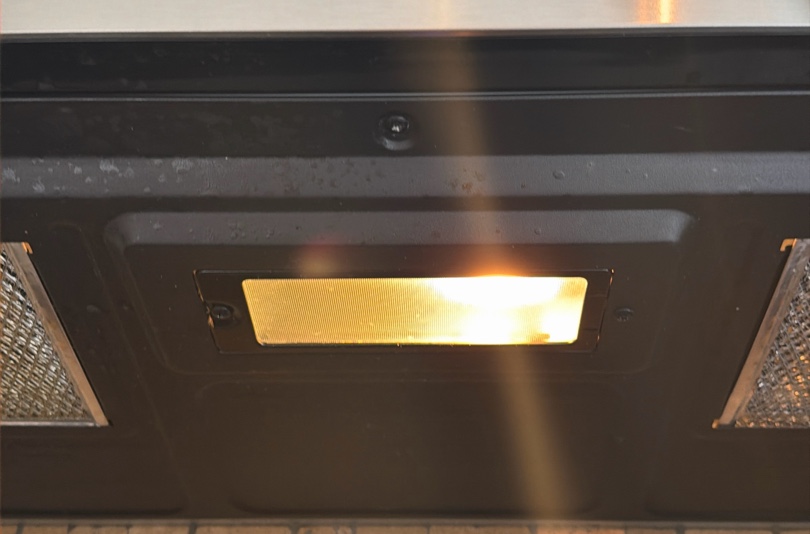
Hood Fan(s) / OTR
Attention was given to general operation, connections, & ventilation path where visible.
|
|
|
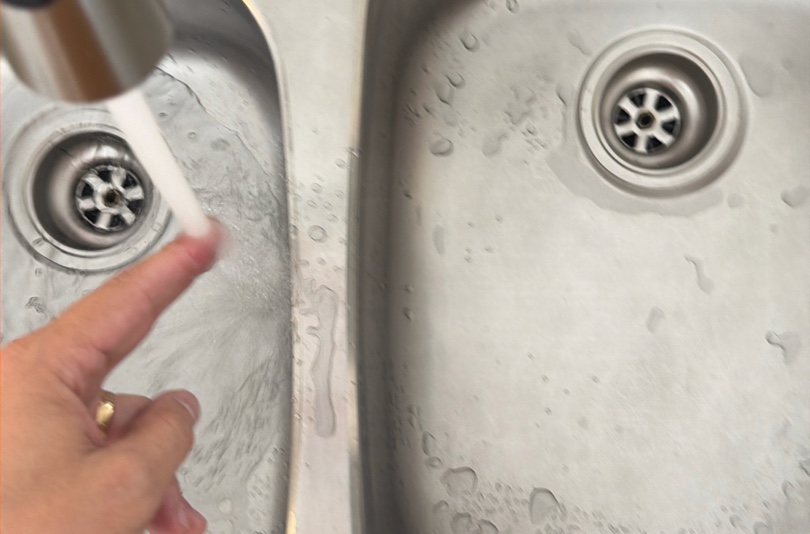
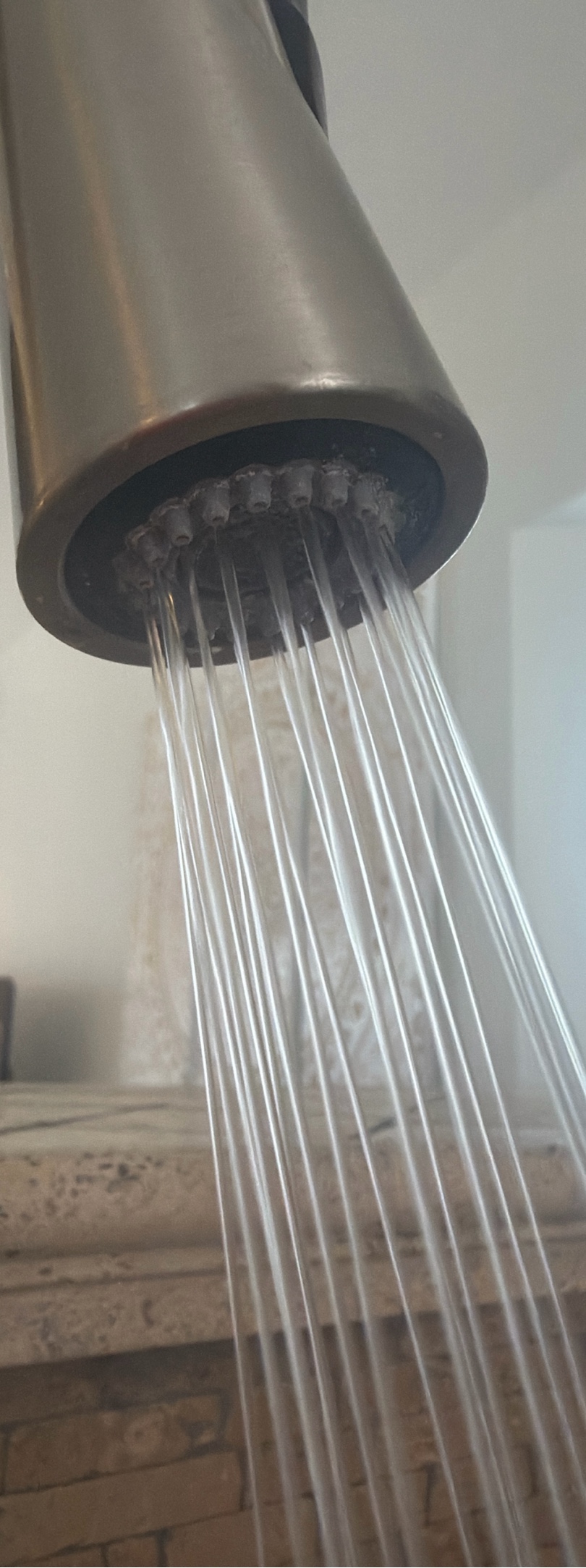
Kitchen Faucet(s), Sink(s) & Drain(s)
Reviewed, focused on operation, temperature, mounting, drainage, odors & leakage indicators.
|
|
|
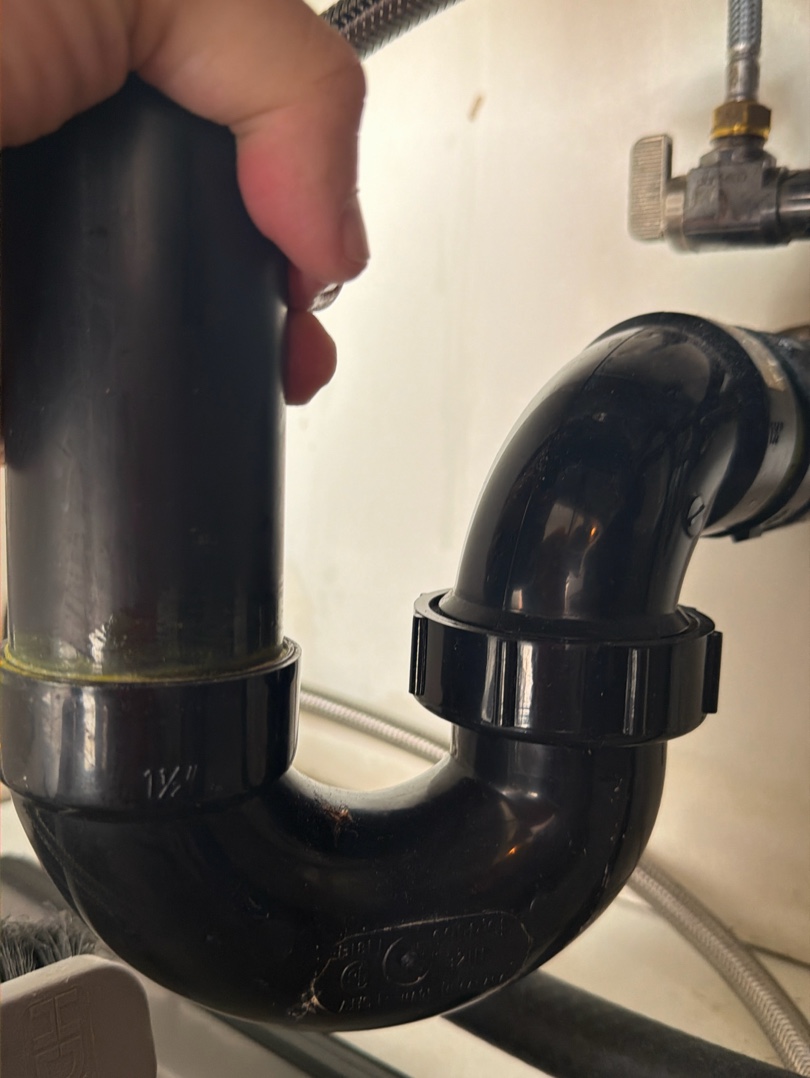
Kitchen P-Trap(s)
Checked for drainage, trap configuration, connection security, leakage indicators & visible corrosion.
|
|
|
|
|
|
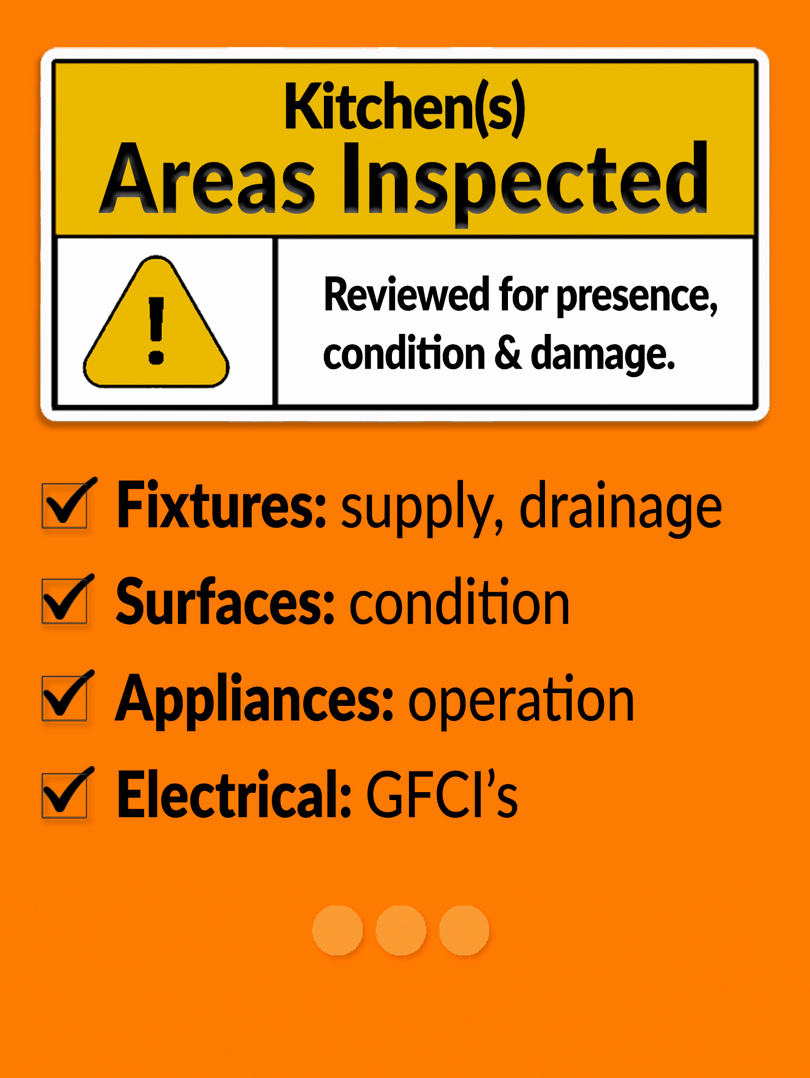
The Kitchen Baseline
Components are reviewed for presence, general condition, and visible signs of damage or deterioration where accessible. This includes cabinetry, countertops, sinks, faucets, visible plumbing connections, built-in appliances, wall and ceiling finishes, and accessible electrical outlets. Accessible areas are checked for leaks, staining, loose or damaged finishes, improper clearances, and signs of moisture intrusion. The review is limited to observable conditions without moving appliances, dismantling components, or evaluating concealed plumbing, electrical, or ventilation systems.
|
|
|
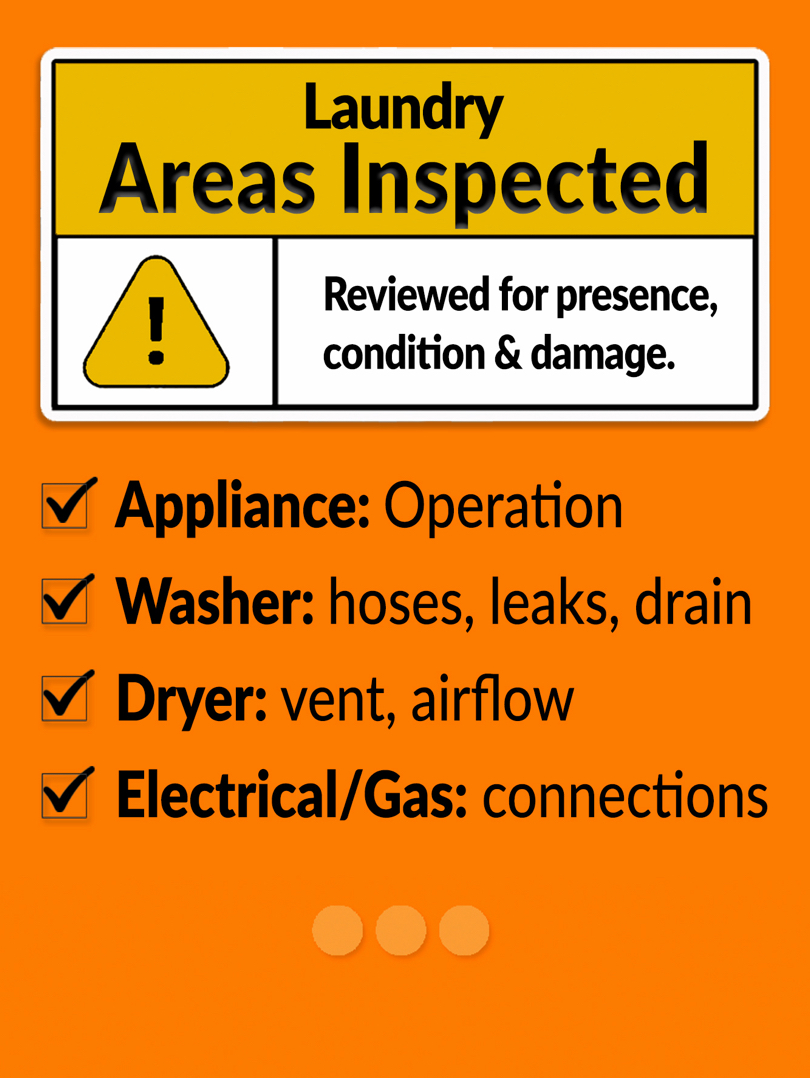
The Laundry Baseline
Components are reviewed for presence, general condition, and visible signs of damage or deterioration where accessible. This includes cabinetry, countertops, sinks, faucets, built-in appliances, visible plumbing connections, wall and ceiling finishes, and accessible electrical receptacles. Accessible areas are checked for leaks, staining, loose or damaged finishes, improper clearances, and signs of moisture intrusion. The review is limited to observable conditions without moving appliances, dismantling components, or evaluating concealed plumbing, electrical, or ventilation systems.
|
|
| B BACK TO SUMMARY |

|
|
|
|
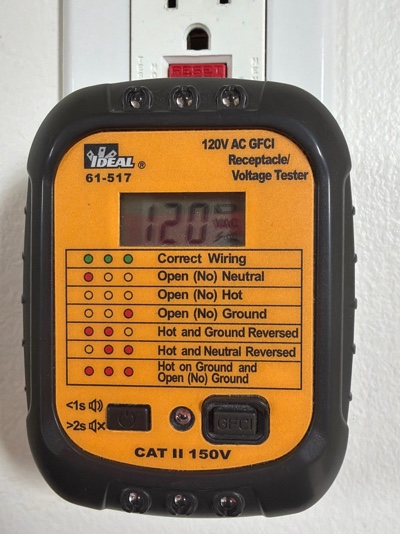
Bathroom Outlet(s)
Tested for anomalies.
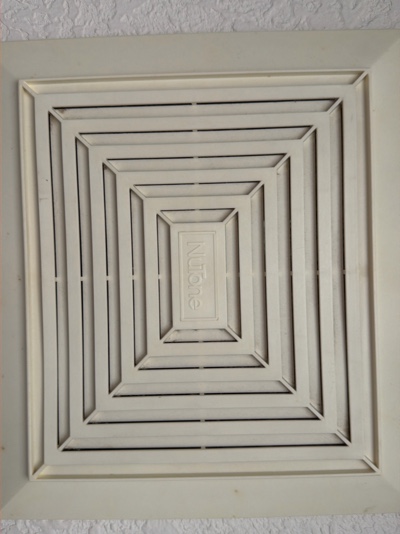
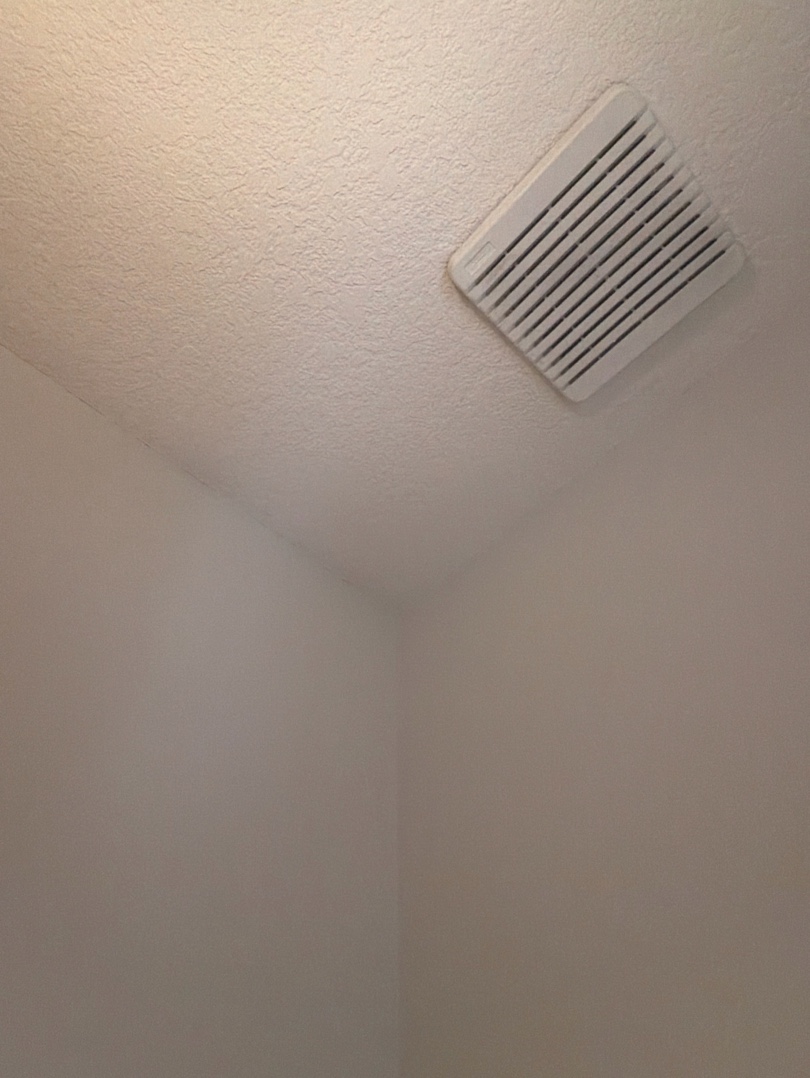
Bathroom Extraction Fan(s)
Observations included basic operation & airflow response using simple draw testing.
|
|
|
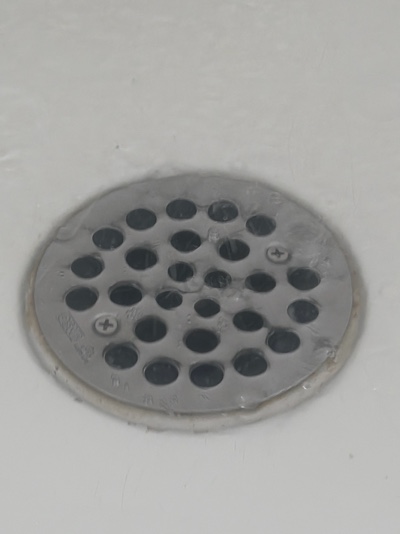
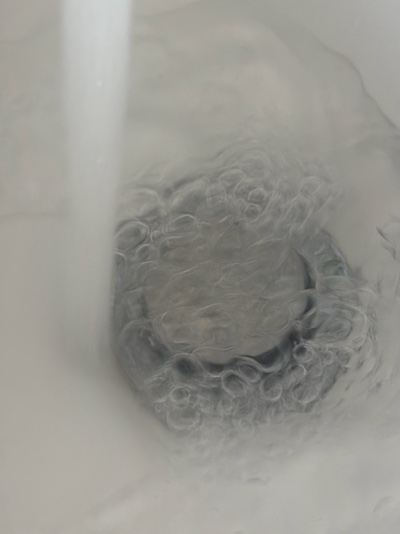
Plumbing Floor Drain(s)
Observations included drainage flow, blockage signs, backups, odors & leakage indicators.
|
|
|
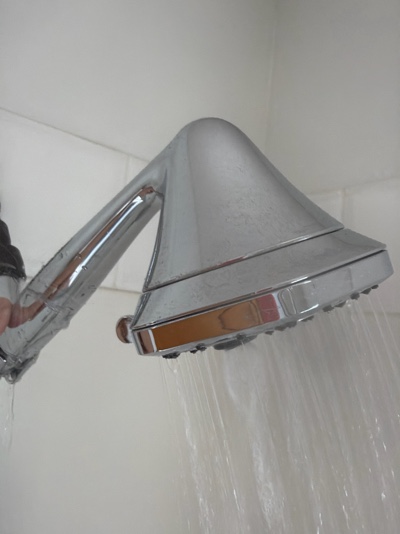
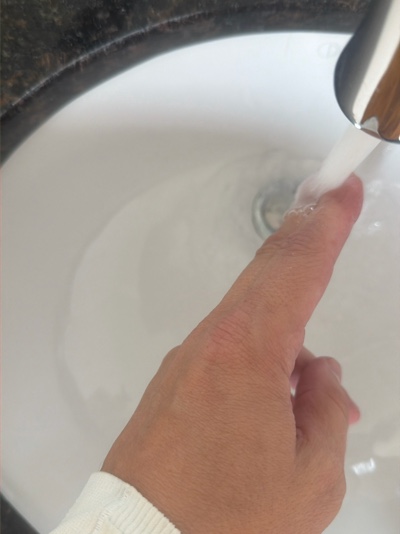
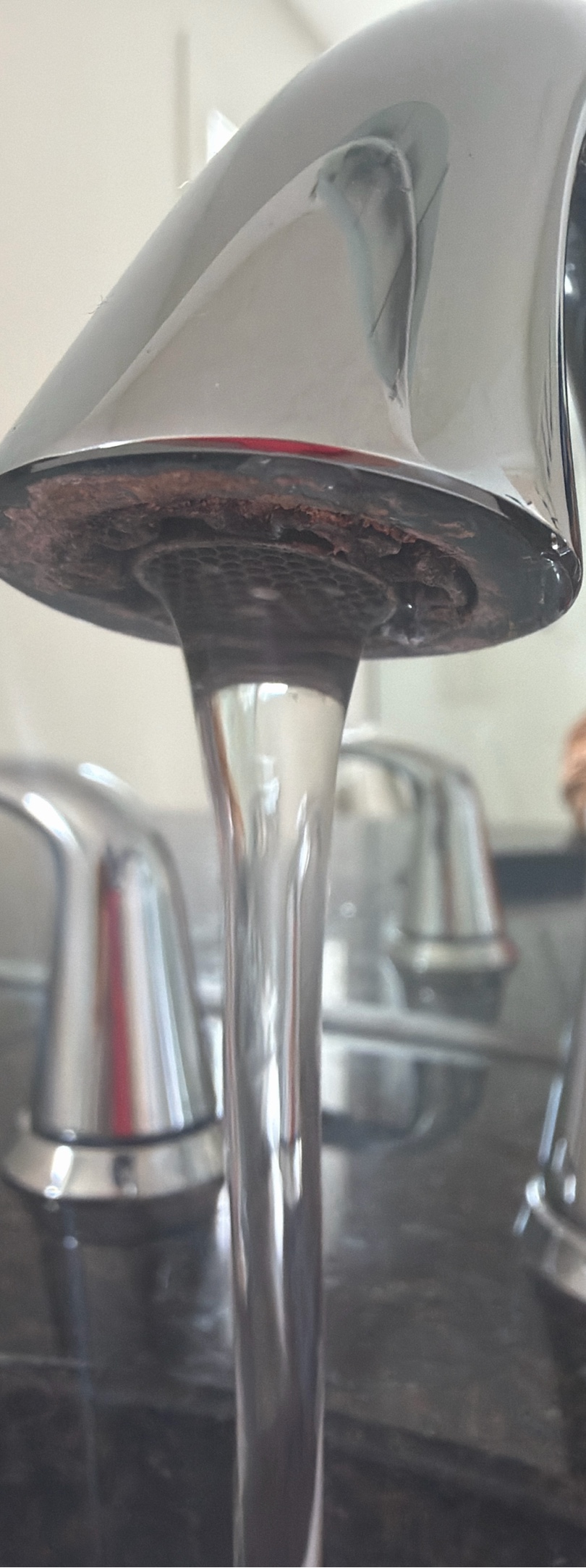
Bathroom Water Faucet(s)
Operated to assess function, flow, mounting, sealing & signs of leakage, corrosion, or wear.
Bathroom Sink Drain(s)
|
|
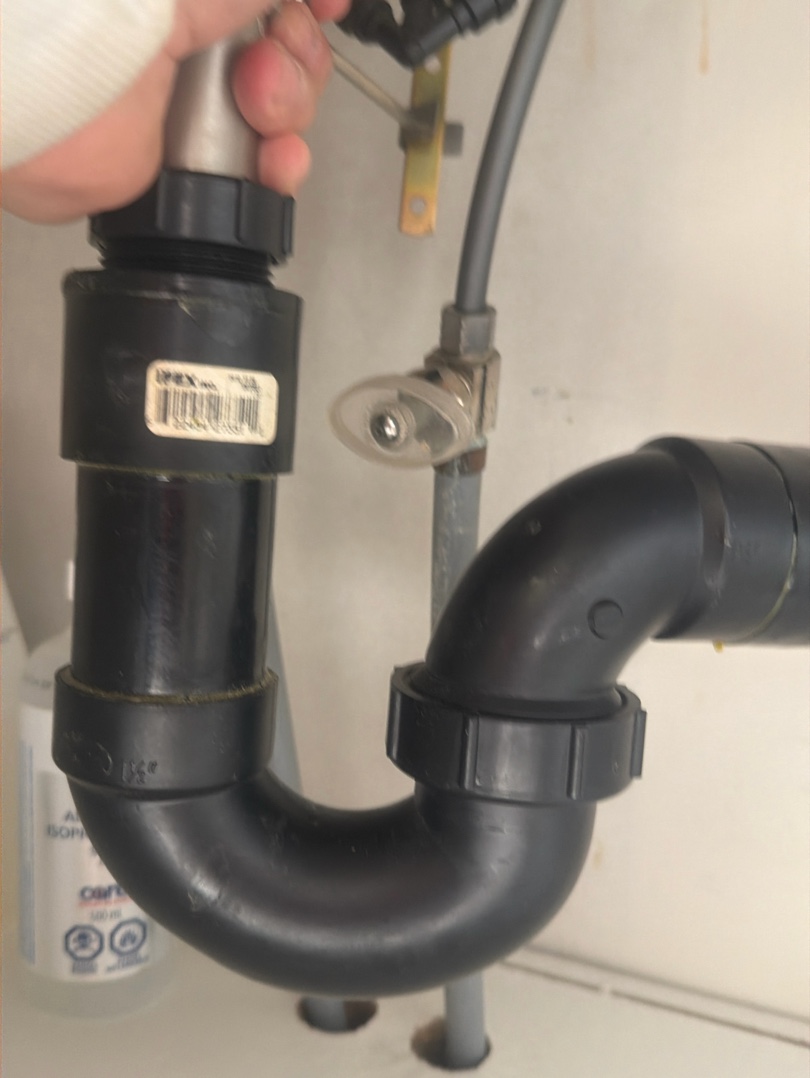
Bathroom P-Trap(s)
Checked for drainage, trap configuration, connection security, leakage indicators & visible corrosion.
|
|
|
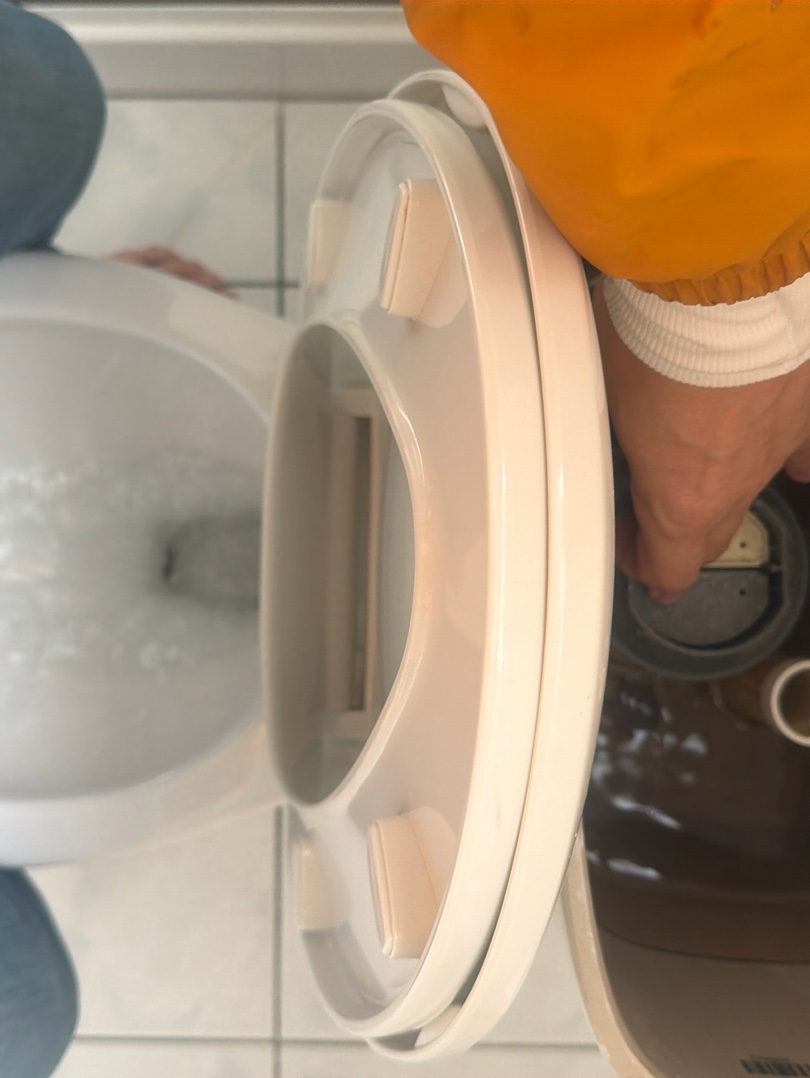
Toilet(s)
Reviewed for stability, operation & visible leakage. X3 flush test per unit.
|
|
|
|
|
|
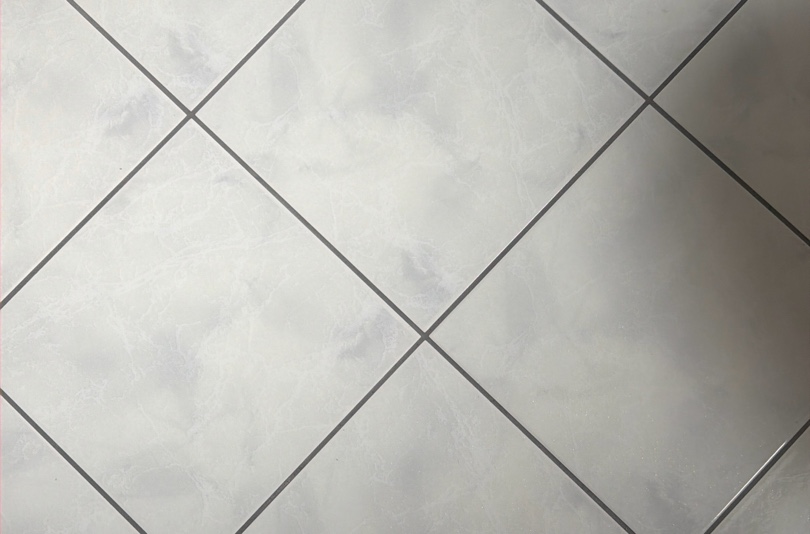
General Flooring
Visually examined for common defects.
|
|
|
|
|
|
|
|
|
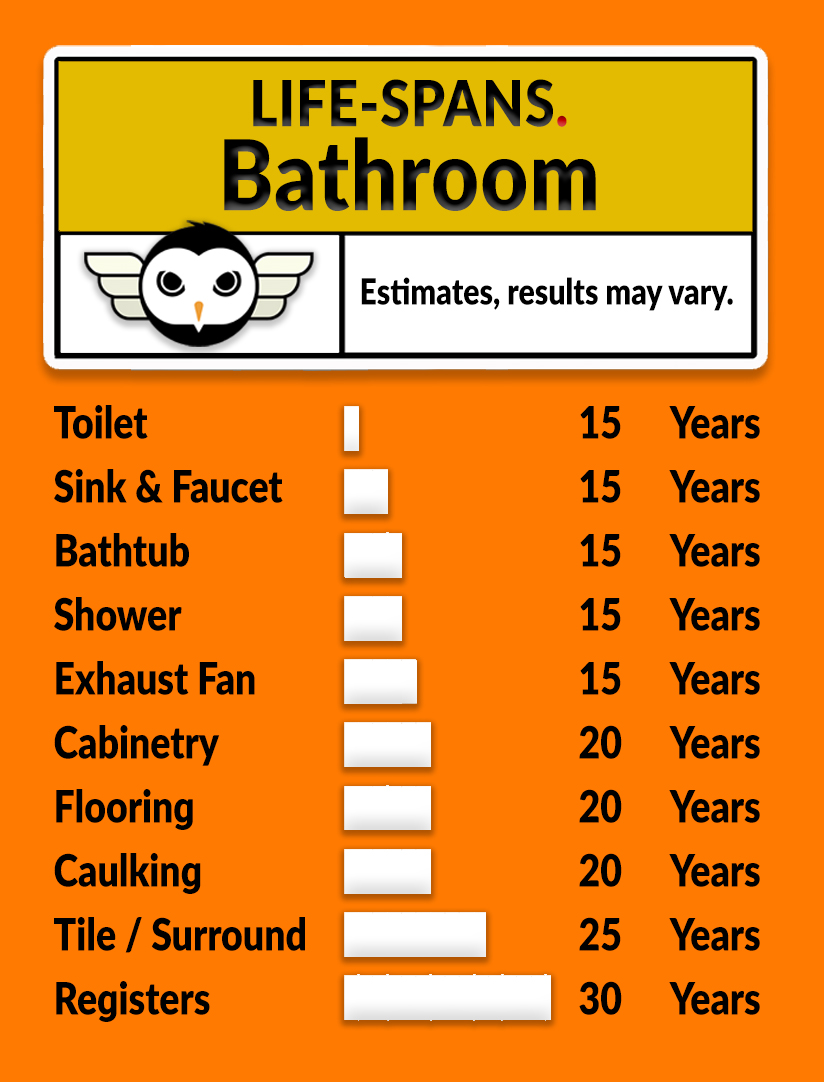
Bathroom Lifespan
ranges shown are general estimates for common bathroom components under typical use. Actual service life may vary based on installation quality, materials, moisture exposure, ventilation, and maintenance. These values are provided for planning purposes only and do not represent a guarantee of remaining life or performance.
|
|
|
The Bathroom Baseline
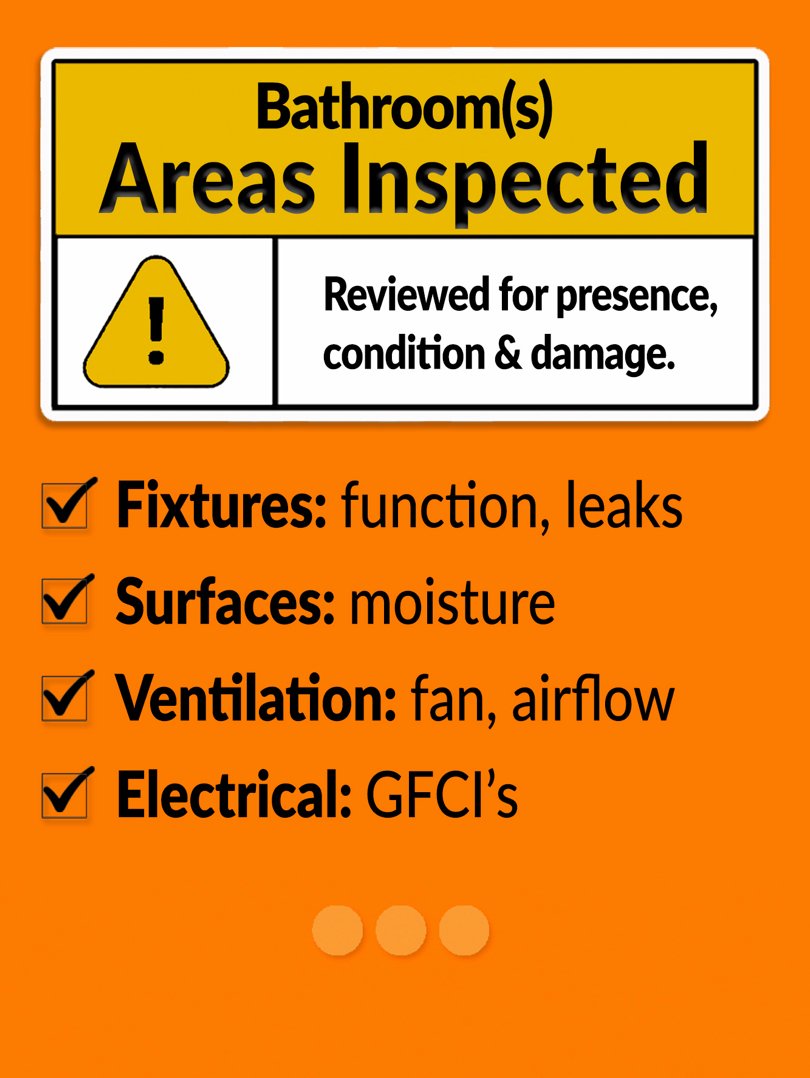
Components are reviewed for presence, general condition, and visible signs of damage or deterioration where accessible. This includes cabinetry, countertops, sinks, faucets, visible plumbing, appliances, wall and ceiling finishes, and electrical receptacles. Accessible areas are checked for leaks, staining, loose or damaged finishes, improper clearances, and signs of moisture intrusion. The review is limited to observable conditions without moving appliances, dismantling components, or evaluating concealed plumbing, electrical, or ventilation systems.
|
|
| M BACK TO SUMMARY |

|
|
|
|
Electrical Panel(s) ⠀
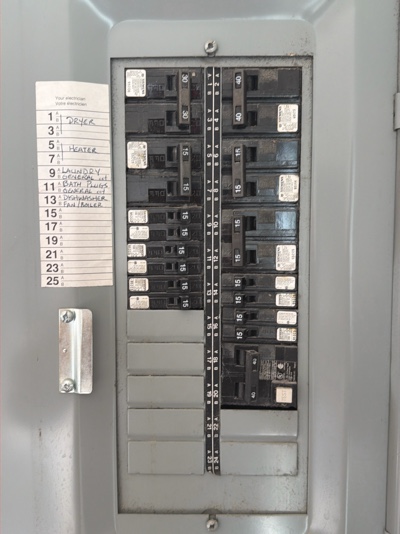
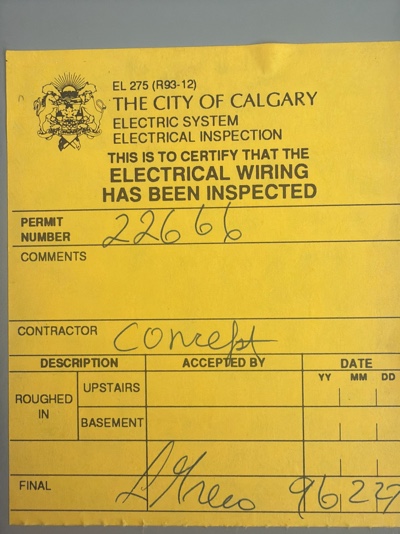
Assessing breakers, wires, bond, 30" clearance, corrosion & damage. See also Insurance Section.
Support Photo
|
|
|
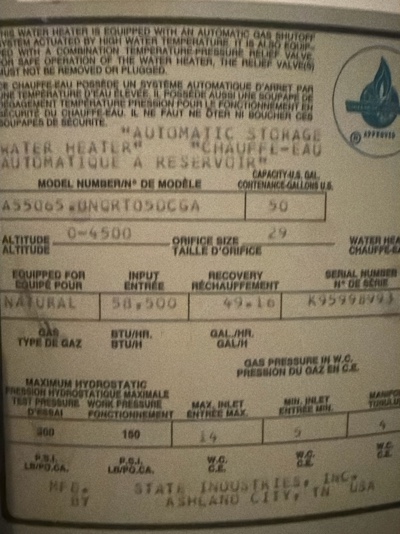
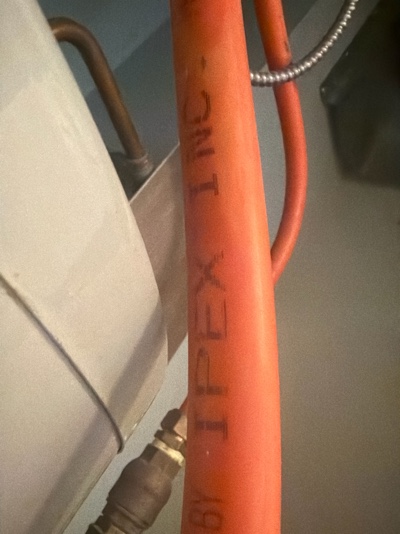
Hot Water Unit(s) ⠀
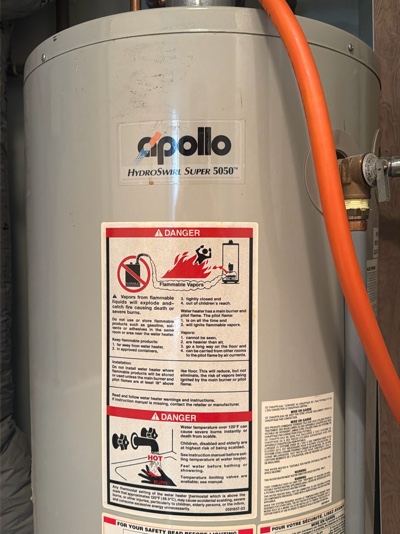
Attention was given to unit mounting, venting, safety components, temperature controls & visbile operation.
Hot Water Data
Unit detail(s). See also Insurance Section.
|
|
|
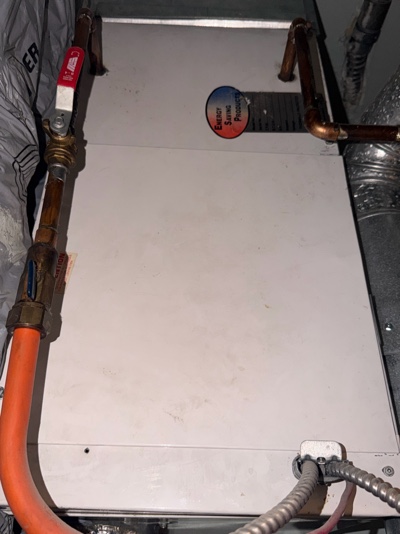
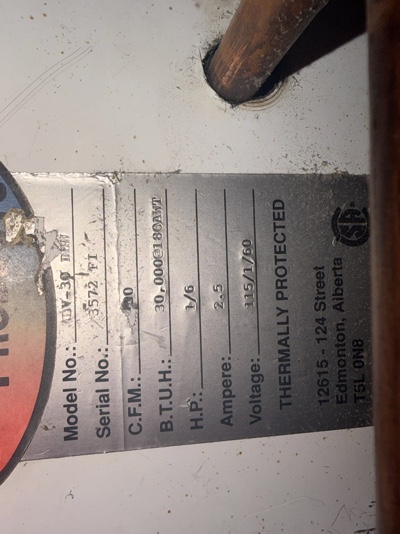
The Main Heating Unit(s)
Observations included mounts, venting, ducts, filters, clearances & visible performance.
Heating Unit Data Plate
Unit detail(s). See also Insurance Section.
|
|
|
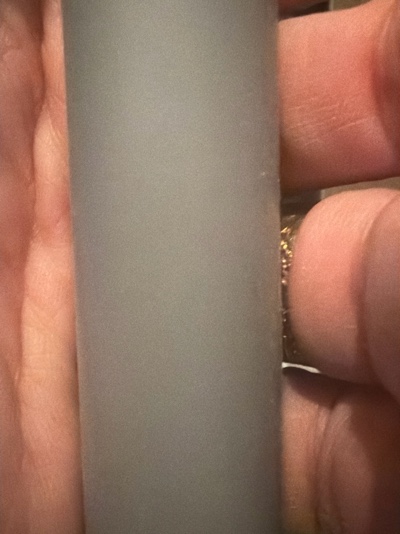
Heating Unit Shutoff ⠀⠀⠀
Observed for accessibility, labeling, secure mounting & operation affecting emergency shutoff capability.
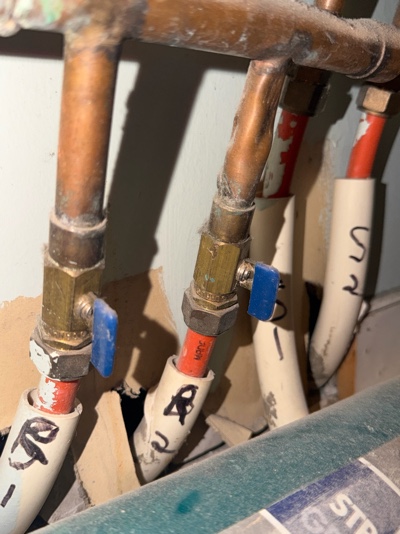
Hydronic Manifold(s)
Observed for mounting, valve condition, labeling, leakage indicators & visible piping connections.
|
|
|
Support Photo
|
|
Maintenance Advisory
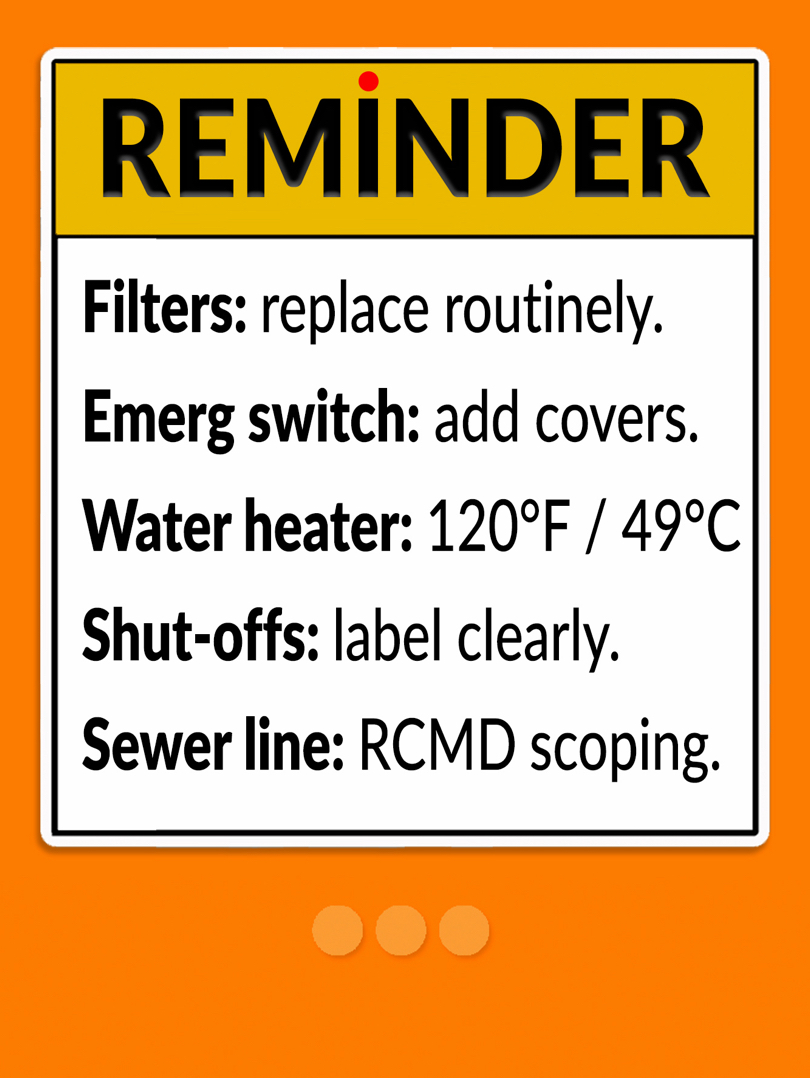
Mechanical systems require routine homeowner maintenance and periodic observation for safe operation. This includes replacing heating system filters as recommended, keeping drains and condensate lines clear of debris, and periodically having sewer lines evaluated by a qualified contractor. Safety measures include maintaining domestic hot water at a safe temperature and installing locking or spring-loaded cover plates on critical controls to prevent accidental shutoff. Occupants should be familiar with all system shutoffs and label them clearly. Mechanical rooms should not be used for storage due to required clearance to combustibles. Homeowners should periodically check the mechanical room for calcification, minor leaks, corrosion, or unusual odors that may indicate developing issues.
|
|
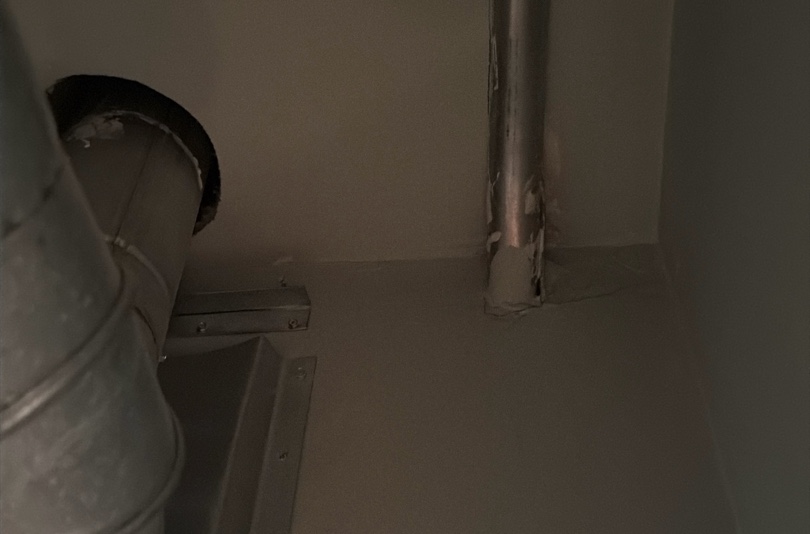
|
General Ceilings / Walls
Visually examined for common defects.
|
|
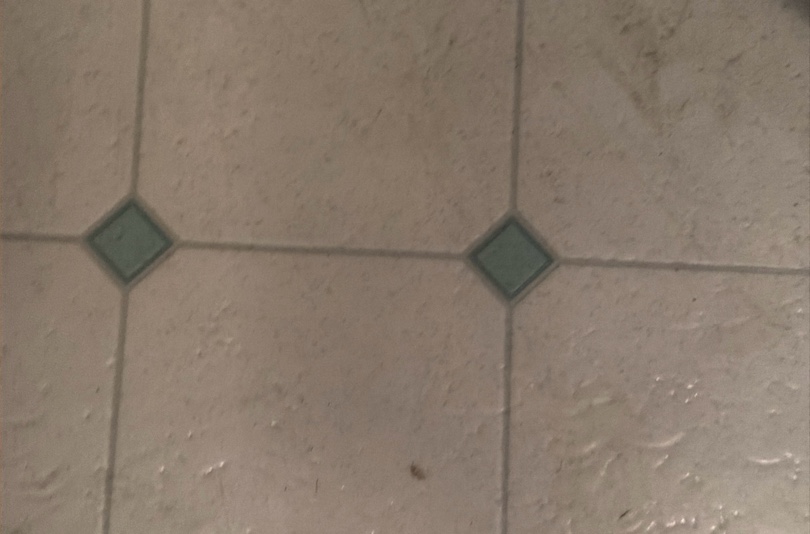
|
General Flooring
Visually examined for common defects.
|
|
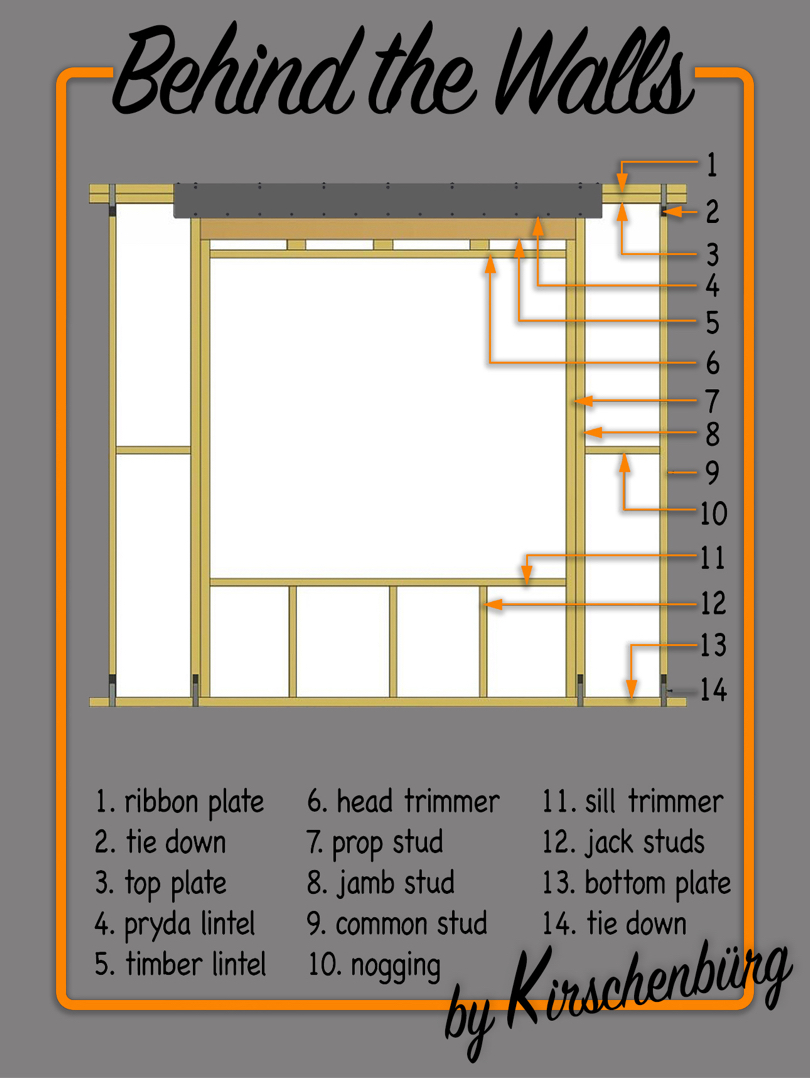
|
Framing 101
Behind every wall is a framework — much like your own skeleton. Vertical studs form the bones, while cripples support around openings. King and jack studs work together to hold up headers over doors and windows, spreading the load. Top plates cap the walls and tie everything together, while bottom plates anchor it all to the floor. This unseen structure is critical to the strength, stability, and alignment of your home. Just like a healthy body depends on solid bones, your home depends on this framing to stand true. ⠀⠀⠀⠀⠀ ⠀ ⚠️ See also Insurance section for more details on your the structural specifications of this property.
|
|
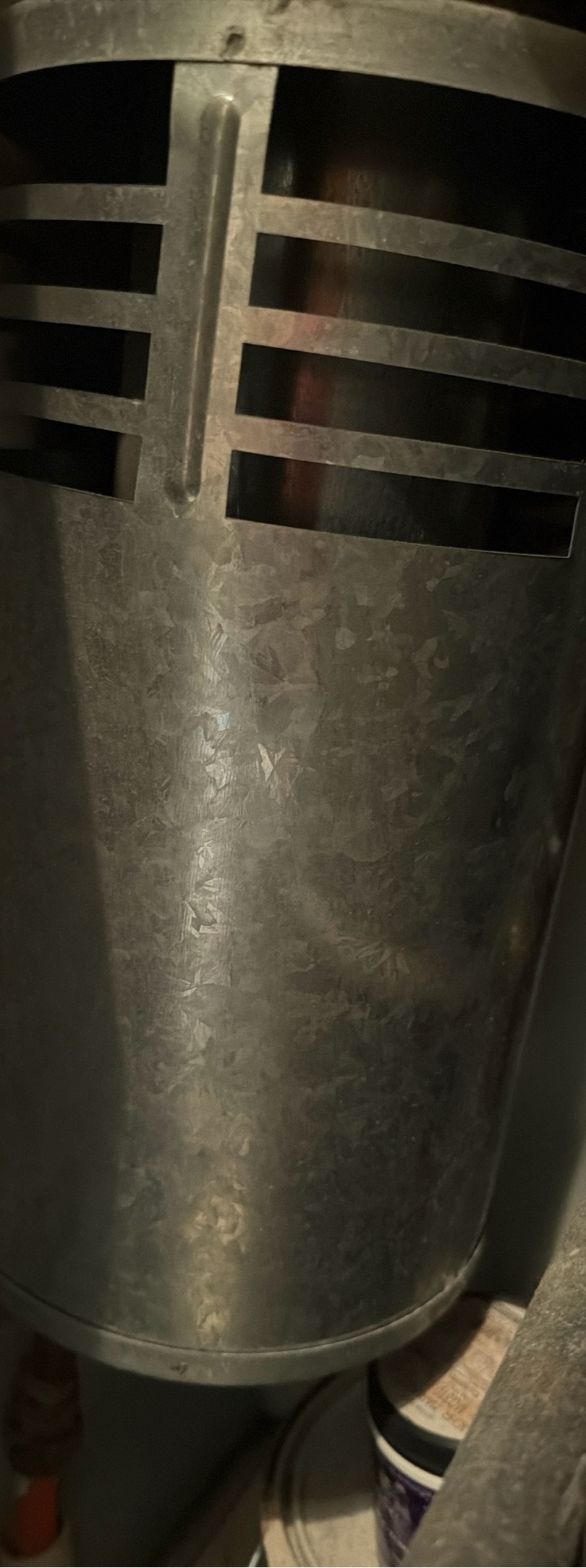
|
|
|
|
The Mechanical Baseline
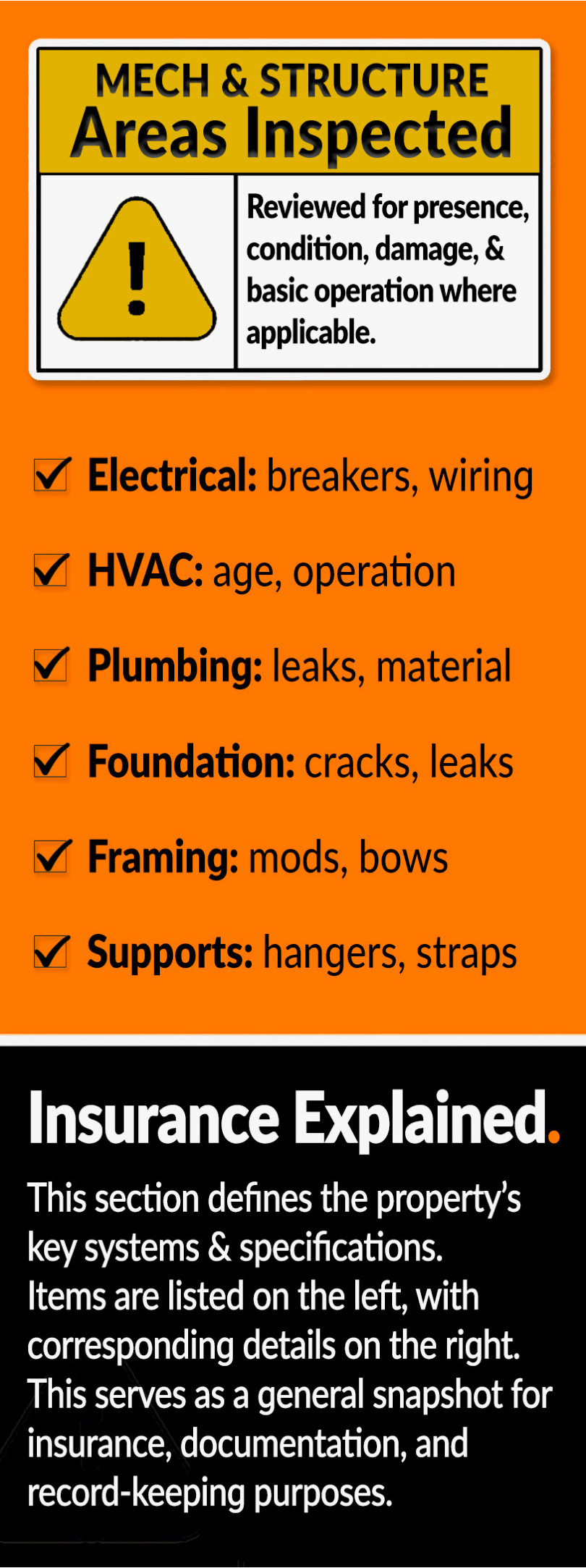
𝗠𝗲𝗰𝗵𝗮𝗻𝗶𝗰𝗮𝗹 – 𝗔𝗿𝗲𝗮𝘀 𝗜𝗻𝘀𝗽𝗲𝗰𝘁𝗲𝗱Mechanical components and systems are reviewed for presence, general condition, visible damage, and basic operation where applicable. This includes commonly accessible heating, cooling, and ventilation equipment, water heating equipment, visible piping and ductwork, pumps, valves, and associated controls. Supporting components and other mechanical features typically found within the home are also visually reviewed where present. 𝗦𝘁𝗿𝘂𝗰𝘁𝘂𝗿𝗲 – 𝗔𝗿𝗲𝗮𝘀 𝗜𝗻𝘀𝗽𝗲𝗰𝘁𝗲𝗱 Structural components are reviewed for presence, general condition, and visible signs of damage or movement where applicable. This includes commonly accessible foundation surfaces, framing elements, beams, posts, columns, load-bearing walls, and other visible structural features. The review focuses on observable conditions within accessible areas and does not include engineering analysis or invasive evaluation. |
|
insurance
| Safety Overview | |
| Site Limitations | ⚠️ Visibility - Access - Height |
| Inspection Type | ◻️ Pre-Purchase Inspection (non-exhaustive) |
| Property Vacancy | ◻️ Occupied & Furnished (restrictive) |
| Smoke & CO | ⚠️ Not Verified: Unable to confirm function |
| Egress Windows | ◻️ Location: All Bedroom(s): Present |
| Stairs & Handholds | ◻️ Structure: Functioning as Intended |
| Roof System | |
| Method of Inspection | ◻️ Drone ONLY |
| Roofing Surface | ◻️ Material: Mixed - Age: Unknown |
| Drainage Path | ◻️ System: Trough & Downspouts |
| Ventilation System | ◻️ Box Vent(s) - Soffit |
| Exterior Overview | |
| Cooling Type(s) | ◻️ Not Present - Not Applicable |
| Main Fuel Shutoff | ◻️ Location: Side Yard |
| Envelope Cladding | ◻️ Material: Vinyl & Brick - Stone Veneer |
| Steps & Guards | ◻️ Materials: Concrete Stairs & Metal Railing |
| Barriers & Walls | ◻️ Material: Not Present / Not Applicable |
| Grade & Ground Cover | ◻️ Terrain: Flat & Level - Vegitation |
| Hardscape Surfaces | ◻️ Material: Paths: Concrete - Drive: Concrete |
| Garage Systems | |
| Fire Seperation | ◻️ Not Applicable |
| Safety Auto Reverse | ◻️ Status: Not Applicable |
| Heating Equipment | ◻️ Unit: Not Present |
| Attic System | |
| Hatch & Insulation | ⚠️ NO Access - Further Evaluation |
| Sheathing & Poly | ⚠️ Material: Unknown - Vap Barrier: Unknown |
insurance
| Interior Overview | |
| Thermostat Location | ◻️ Location: Main Level - Restored to original |
| Walls & Ceilings | ◻️ Material: Drywall |
| Flooring Surfaces | ◻️ Material: Laminate - Tile - Carpet |
| Other Features | ◻️ Type: Not Present / Not Applicable |
| Kitchen & Bathroom | |
| Safety - GFCI’s | ⚠️ Location: Undetermined - Unknown |
| Ventilation System | ◻️ Type: Range Hood: to EXT. - B-Fan: Present |
| Laundry Specs | ⚠️ Supply: Undetermined - Unknown |
| Mechanical System | |
| Heating Unit(s) | ◻️ Type: Hydronic - Age: underdetermined |
| Heating Fuel Source | ◻️ Type: Natural Gas - Primary |
| Water Heater Unit | ◻️ Type: Tank - Age: undetermined |
| Water Heating Fuel | ◻️ Type: Natural Gas - Primary |
| Plumbing System | ◻️ Public Water: Copper - City Sewer: ABS |
| Water Main Shutoff | ◻️ Location: Mechanical Room |
| Back Flow Valve | ◻️ Installation: Present |
| Electrical Service | ⚠️ Entry: Underground - Material: Unknown |
| Service Disconnect | ◻️ Location: Not Present |
| Main Panel Interior | ◻️ Location: Mech Room - Ground: Unknown |
| Electrical System | ◻️ Service: 100 AMP - Branch: Copper |
| Structure System | |
| Roof Structure | ◻️ Type: JOIST? |
| Exterior Wall System | ◻️ Type: Wood Studs |
| Structure System | ◻️ Type: Dimensional Wood Frame |
| Foundation System | ◻️ Type: Poured Concrete |
| Structural Observ. | ◻️ Notes: Typical shrinkage cracking |
playbook

You’ll find tips & tricks on maintenance, recalls, cleaning, preparing your property for sale, dealing with difficult neighbours & more.
🔻press the thumb print.🔻


72 seconds
Positive reviews from awesome customers like you help others to feel confident about choosing our firm & our “to the point” reporting methodology.
We’d so appreciate if you could take 72 seconds to click on our logo below and share your happy experience.
Much Appreciated

agreement
Twenty20 & Co Inc
2017 27 Avenue SW
Calgary, Alberta
4038365528
www.2020mhi.com
License #349599
Inspection Date
May 9, 2026 at 12:45pm MDT
Inspection Address
#8, 603 15 Ave SW
Calgary, Alberta
This Agreement is Between
Kelly Becker as ("Client") and Twenty20 & Co Inc as ("Company")
Sample Contract Disclaimer
This document is provided as a sample template only. It is intended to customized and reviewed by the user for their specific jurisditcion and needs. Before using this contract, you must remove this disclaimer and ensure all terms are accurate and legally compliant in your area. Inspectagram assumes no liability for the use of this sample, and users are strongly advised to consulat with there legal counsel to finalize the contract.
0. Universal Services Agreement
This Agreement sets out the terms and conditions that apply to those inspection services that may be offered by the Inspector or Company, including but not limited to home inspections, commercial inspections, mold assessments, sewer scopes, pool and spa inspections, air quality assessments, thermal imaging, pest evaluations, and any other present or future inspection service (“Inspection Services”). Only the specific Inspection Service(s) expressly identified in the written Report as selected and performed on the Inspection Date, by inclusion of a corresponding chapter in the Report (the “Chapter”), are included within the scope of this Agreement. All Inspection Services not expressly identified as selected and performed are expressly excluded and shall not be interpreted as included, implied, or promised. All Inspection Services performed are strictly visual and non-invasive in nature, limited to what is readily accessible at the time of the visit, and subject to the limitations, exclusions, disclaimers, and liability restrictions set forth in this Agreement.
1. Preamble
Subject to the terms and conditions of this service contract (the “Service Contract”), dated as of the date signed by the Client, the Client wishes to engage the Company and the Inspector, and the Company and the Inspector agree to perform the specific Inspection Service(s) at the property address provided above (the “Dwelling”) on the date and time noted above (“Inspection Date”), in consideration of the payments, covenants, and agreements set out herein. For specialty inspections (such as mold, radon, sewer scope, air quality or other single-service assessments), the term “Dwelling” refers only to the specific area(s), component(s), or system(s) associated with the selected Inspection Service.
agreement
2. Purpose / Scope
The purpose of the Inspection is to take reasonable efforts to endeavour to detect the presence of defects or material issues in connection with the specific Inspection Service(s) performed. The Inspection consists of a visual, non-invasive assessment of readily accessible components, followed by a same-day written Report (or within one business day) identifying high-level findings and material defects observed and deemed significant by the Inspector (the “Report”). The Inspector shall inspect and report on systems and components in accordance with applicable Standards of Practice, (INSERT WHICH SOPS AND URL WEBSITE LINK), which are incorporated by reference into this Agreement. Client acknowledges that they have had the opportunity to review the referenced Standards of Practice at the above URL. The inspection is designed to identify observed material defects. The Inspector shall inspect and report on systems and components in accordance with applicable Standards of Practice. The Chapers within the Report correspond to building systems, including roofing, structure, exterior, interior, plumbing, electrical, and mechanical systems. The scope of the Inspection is limited to a visual, non-invasive inspection of the readily accessible components relevant to the actual Inspection Service(s) performed on the date and time of the Inspection. The inspection is performed in accordance with applicable Standards of Practice, unless superseded by governing laws or regulations. The applicable Standards of Practice are linked to the Disclaimers page in the Reportl. The Inspection excludes latent defects that cannot reasonably be detected during a one-day visit aimed at producing a same-day report. The Inspection is not a building code, title, regulatory, zoning, or by-law compliance inspection. As a courtesy only, the Inspector may note conditions, observations, or provide commentary outside the selected Inspection Service(s); however such comments are informational only and are not part of the Inspection. For clarity, the scope of the Inspection is determined solely by the Report Chapter(s) expressly identified as selected and performed. Narrative references, observations, comments, photographs, measurements, incidental findings, generalized statements, or descriptive information contained anywhere in the Report shall not be construed as the performance, offer, inclusion, or completion of any Inspection Service unless that Inspection Service is expressly identified as selected and performed through a corresponding Report Chapter. In the event of any inconsistency between narrative content and the Inspection Service Chapters, the Inspection Service Chapters shall control.
3. Client Responsibilities / Exclusivity
It is the responsibility of the Client to obtain from the Dwelling owner a disclosure of any known defects on or before the Inspection Date. The Report is intended for the exclusive use and benefit of the Client. The Client agrees to give the Inspector permission to discuss observations with real estate agents or other interested parties, and INSPECTOR AND COMPANY (AND THEIR SUPPLIERS) ACCEPT NO RESPONSIBILITY FOR USE BY THIRD PARTIES, and IF THE REPORT IS PROVIDED TO ANY THIRD PARTY BY YOU OR ANY PERSON ACTING ON YOUR BEHALF, YOU RELEASE THE INSPECTOR AND COMPANY (AND THEIR SUPPLIERS) FROM ANY LIABILITY AND AGREE TO PAY ANY ASSOCIATED COSTS.
agreement
4. Assignment / Litigation
This Agreement is not transferable or assignable by the Client. Any dispute, claim, or litigation arising out of or relating to this Agreement shall be brought exclusively in a court of competent jurisdiction located in the region where the Inspection was performed unless otherwise required by local law, and if the Inspector and/or Company is the substantially prevailing party in any such litigation, the Client shall pay all costs, expenses, and legal fees of the Inspector and Company in defending such claims.
5. Excluded / Included
The Inspection will NOT address environmental concerns including, but not limited to air quality, water quality or quantity, sealed or underground fuel storage tanks, asbestos, radon gas, molds, toxins, lead paint, or soil contamination. The Inspection will also NOT address infestation by wood-boring insects, rodents, or other vermin. The Client acknowledges that specialists may be needed to identify or evaluate these risks. This Inspection contract does not include outbuildings or structures not attached to the Dwelling other than a garage or carport. For clarity, if the Inspection Service selected and expressly identified by Report Chapter is mold, radon, air-quality, pest or other specialty-related, this exclusion does not apply solely to the specific service performed. References to excluded items within the Report that appear outside a corresponding Inspection Service Chapter are provided for informational purposes only and do not alter the scope of the Inspection. The Inspection will include the following components of the Dwelling unless access is limited, weather interferes, or other conditions prevent it: Roofing, Flashings / Chimney, Exterior (grading, walkways, driveways, retaining walls, patios, decks), Structure, Electrical, Heating & Cooling Systems (external, visual assessment only), Insulation, Plumbing, Interior. For specialty inspections (mold, radon, sewer scope, air quality, thermal imaging, or any single-service inspection), the above list does not apply unless directly related to the specific Inspection Service expressly identified by Report Chapter.
6. Release / Disclaimer of Warranty
TO THE MAXIMUM EXTENT PERMITTED BY APPLICABLE LAW, THE CLIENT HEREBY RELEASES AND WAIVES ANY CLAIM IT MAY HAVE AGAINST THE INSPECTOR OR COMPANY (AND THEIR SUPPLIERS) FOR DEFECTS, ISSUES, OR CONDITIONS THAT MAY NOT REASONABLY BE DETERMINED DURING A VISUAL INSPECTION OF READILY ACCESSIBLE COMPONENTS, AND THE CLIENT ACKNOWLEDGES THAT THE INSPECTION AND REPORT ARE NOT A GUARANTEE, WARRANTY, OR INSURANCE POLICY OF ANY KIND, AND ARE PROVIDED “AS IS” WITHOUT ANY REPRESENTATION, WARRANTY, OR CONDITION, EXPRESS OR IMPLIED, INCLUDING ACCURACY, AVAILABILITY, MERCHANTABILITY, OR FITNESS FOR A PARTICULAR PURPOSE, AND NEITHER THE INSPECTOR NOR THE COMPANY (NOR THEIR SUPPLIERS) WARRANT THAT THE INSPECTION OR REPORT WILL MEET THE CLIENT’S REQUIREMENTS OR BE ERROR-FREE.
7. Limitation of Liability
TO THE MAXIMUM EXTENT PERMITTED BY APPLICABLE LAW, (I) The Inspector and Company (and their suppliers) shall not be liable for any consequential, exemplary, special, or incidental damages or loss of use of the Dwelling, and (II) Total liability shall be limited to direct and provable damages and shall not exceed the fee paid by the Client for the Inspection.
agreement
8. Entire Agreement
This Agreement represents the entire agreement between the parties, and no statement or promise made by the Company or its officers, agents, contractors, or employees shall be binding unless set forth herein.
9. Payment / Report Delivery
Payment of the inspection fee is due upon completion of the Inspection, and the Client agrees to pay all legal and time expenses incurred in collecting overdue payments, including attorney’s fees if applicable. Unless otherwise agreed, the Report will be delivered to the Client on the same day or within one business day of the Inspection Date.
10. Severance and Enforceability
If any provision of this Agreement is found invalid or unenforceable, it shall be deemed severed, and the remainder of the Agreement shall continue in full force and effect.
11. Local Requirements ( Mandatory )
Inspectors may paste the following prompt into an AI tool to identify mandatory local requirements: “I am a home inspector preparing a contract for [your province or state], can you provide any mandatory language, disclosures, or required contract elements under local regulations, and please specify any sections requiring Client initials.”
12. Authorization
If more than one Client signs, the signatory represents that they are authorized to sign on behalf of all Clients, and if the Client is a corporation or similar entity, the signatory personally guarantees payment.
13. Software Disclaimer
The Client acknowledges that the Inspector and/or Company may use software, applications, templates, or digital tools provided by third-party vendors in connection with performing the Inspection and preparing the Report, and the Client agrees that such third parties are not a party to this Agreement, and such third parties have no liability for any loss, claim, or damage arising from the Inspection, Report, or the Inspector’s use of their software, and all responsibility for the Inspection and Report remain solely with the Inspector and Company under this Agreement and the Report. The Client acknowledges that software is an administrative aid only and does not alter the visual, non-invasive nature or limitations of the Inspection.
Lucas Kirsch
Lic#:334028
Kelly Becker
Signed May 9, 2026 at 1:09pm MDT