76 Dieppe Dr
Twenty20 & Co Inc


Jun 22, 2026
"Designed to tell the real story."
⚠️ Tap Here
⚠️ Property Specs

elements

|
Jun 22, 2026 |

|
76 Dieppe Dr Calgary, Alberta |

|
Detached & Suite |

|
🌧️Partly Sunny 15°C |

|
Agent & Client |

|
Jeff Clegg MHI, MHB
|

|
Jason Hamm Not Applicable hammfam99@gmail.com 4039695750 |

|
Rob Jansons REMAX |

|
2:47PM Start Time |
method

This inspection is a visual, non-invasive review using normal controls & accessible areas.
We follow a consistent path through all major systems. Findings are structured for clarity so you understand what’s there, what needs attention & what to do next.
Each item lists the component or system, issue defect, recommended action & summary note.
Built to eliminate doubt.
"Turning information into decisions you can trust."


thank you
Thank you for choosing us for your inspection. We truly appreciate your trust.
I will be your primary contact & will do everything I can to ensure you are completely clear on today’s findings.
Please feel free to reach out at any time if you have questions or need further clarification. We’re always happy to help.
Kind Regards,

Jeff Clegg
stuff.
A property inspection evaluates visible, non-exhaustive conditions & records findings in report form Inspectors examine readily accessible systems & components using a visual, non-invasive method & operate equipment using normal controls when possible. Components, issues, actions, location, trade & summary may be noted. Conditions reflect time of inspection only. Inaccessible or unsafe areas are not inspected (not accessible)
⚠️ We encourage you to read our Standards of Practice (SOP’s), scope, disclamers & limitations. The SOPs outline the scope of the inspection, the systems reviewed & the limitations that apply. They provide the framework inspectors follow to evaluate properties & communicate findings consistently. This structure helps ensure inspections are performed using a clear, proven, nationally recognized standard. Full details by clicking the logo. 🔻🔻🔻

The difference between something good and something great is attention to detail.
legends
 |
It’s a snap! Here are some key terms you’ll see throughout. |
| Iconography | Used for clarity. |
 |
Immediate Attention |
 |
Attention |
| Not Inspected | Limitations. |
| Hand Gestures | Universal. |
| Issue: | Identify the problem if there is one |
| Action: | Recommended path to address the issue |
| L: | Location where it is found |
| T: | Typical Tradesperson |
| R: | Reason why it wasn't inspected |
| $ / $$ / $$$ |
summary
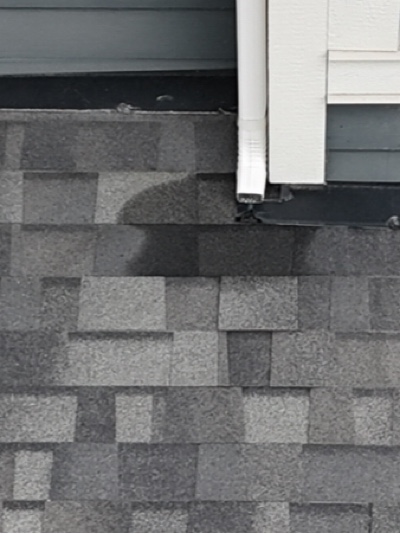
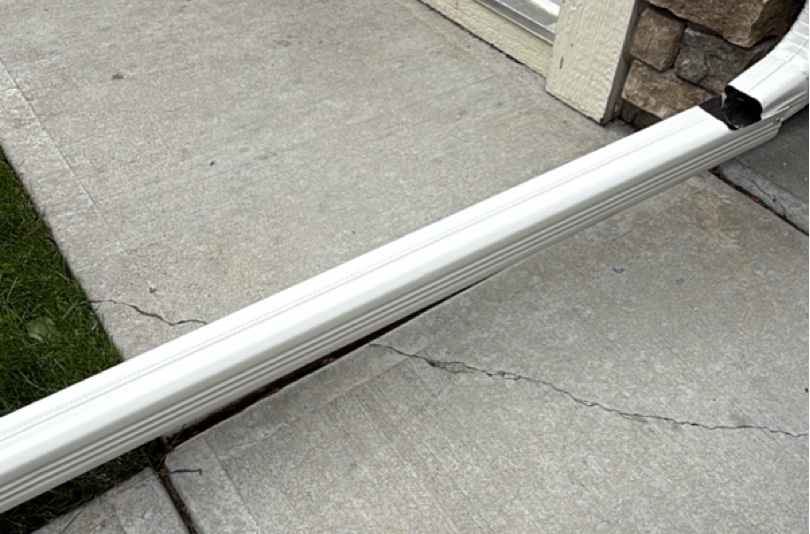
A downspout at the location shown was noted to be short or not fully extended. This condition may reduce drainage effectiveness near the discharge area. Recommend extending or improving the spout; a roofer may assist as needed.
Debris buildup was observed within the gutters throughout. Obstructions may affect drainage performance over time and should be monitored. Recommend cleaning and routine maintenance by a roofer.
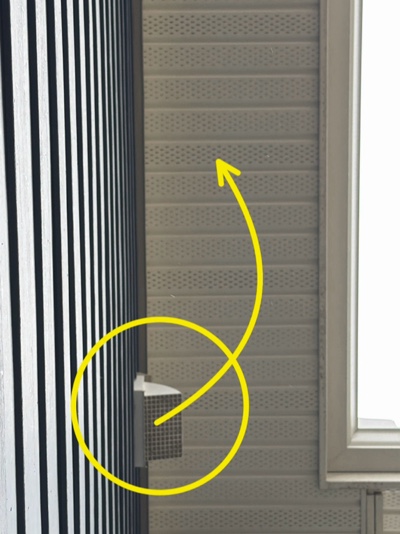
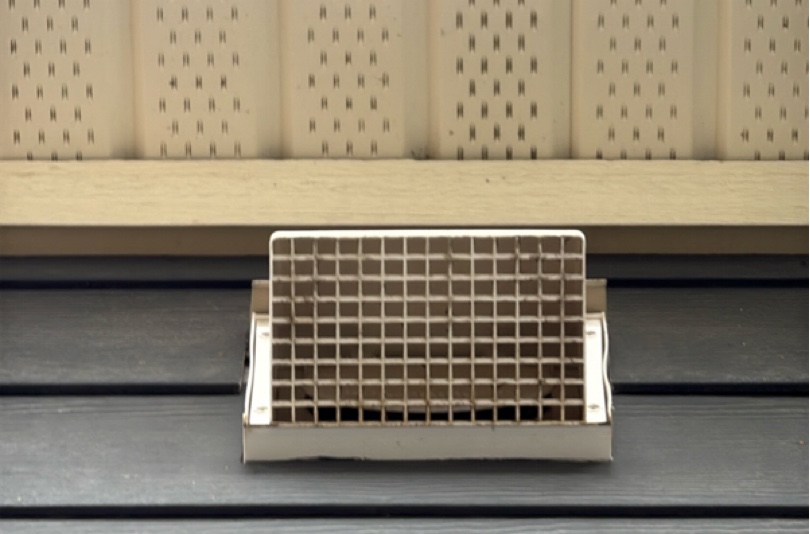
A vent was observed in close proximity to the soffit at the suite front. This arrangement may affect overall performance if left unchanged. Recommend evaluation and relocation by an envelope professional.
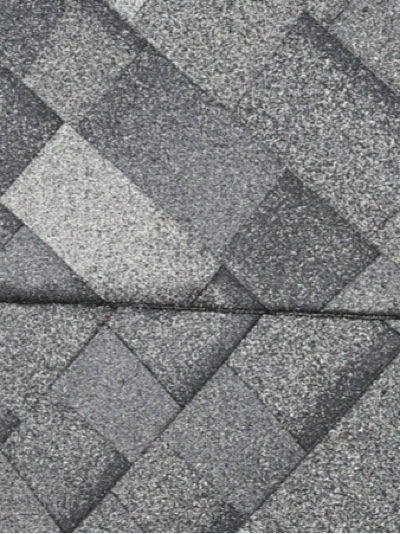
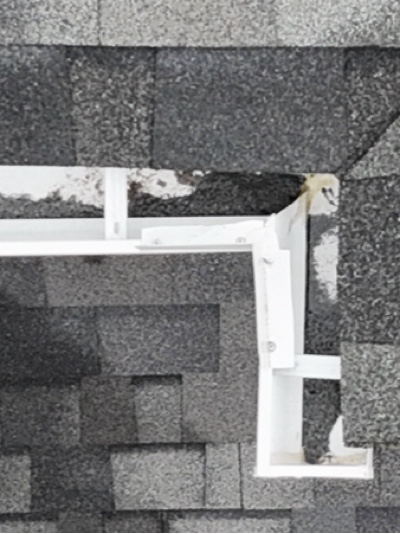
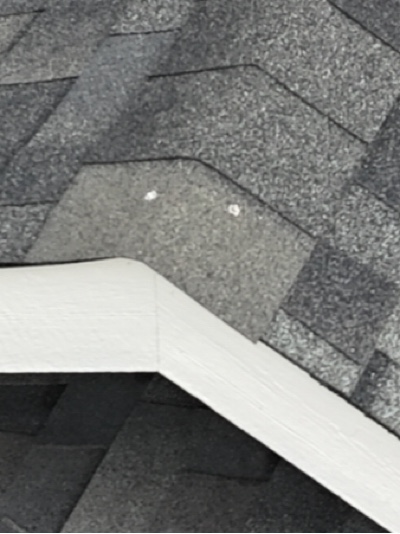
The side roof valley was noted to be missing metal flashing consistent with current best practices. Monitoring is advised as part of ongoing maintenance. Recommend installation or upgrading by a roofer.
summary
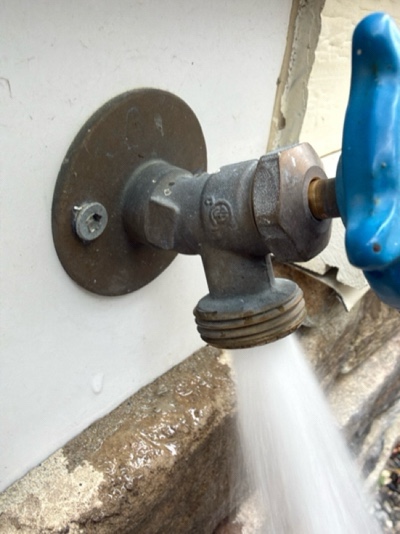
Multiple exterior faucets were noted with missing anti-siphon protection and/or leakage. Continued use may contribute to ongoing wear or water loss. Recommend repair or replacement as needed.
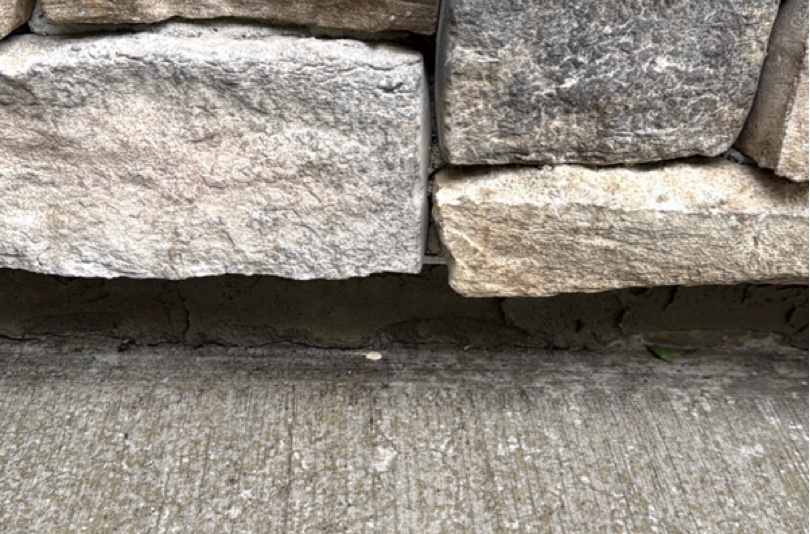
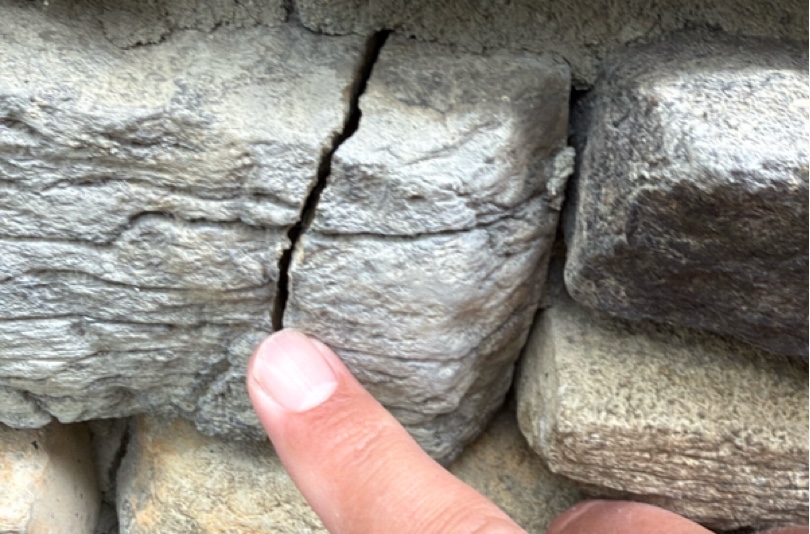
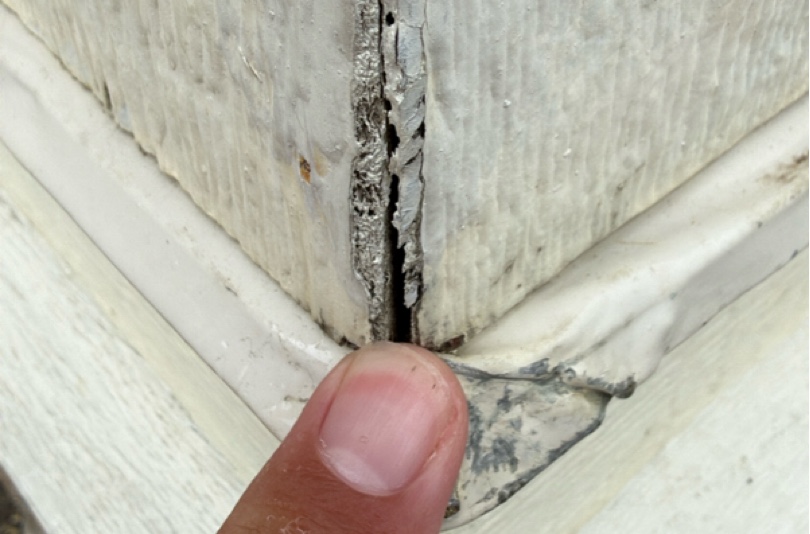
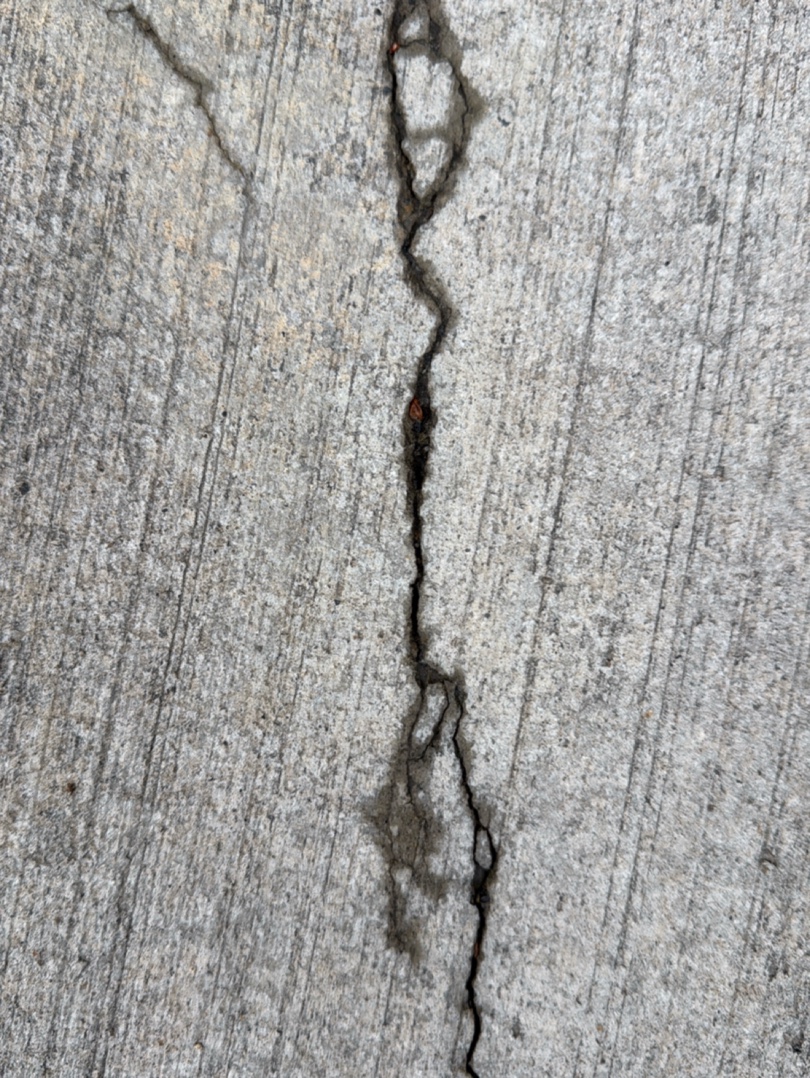
Small hairline cracks were observed within the foundation structure. While commonly monitored, proactive repairs may help limit future deterioration. Recommend sealing, repair, and ongoing monitoring.
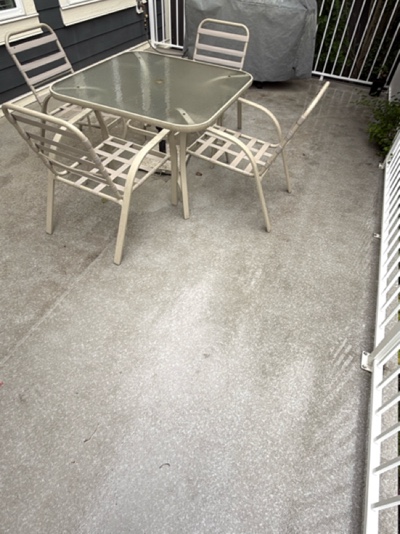
No visible access or breathway was observed beneath the deck covering. Limited ventilation may contribute to moisture retention and premature deterioration of supporting framing. Recommend further evaluation and improvement.
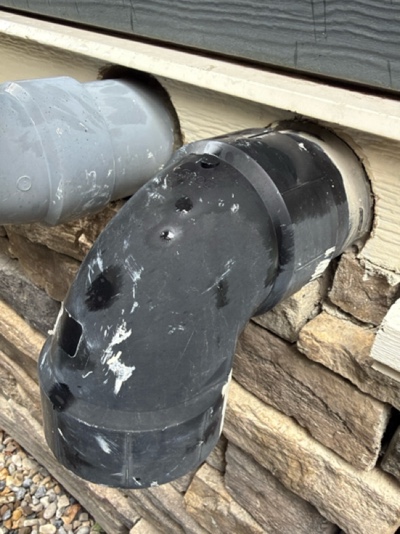
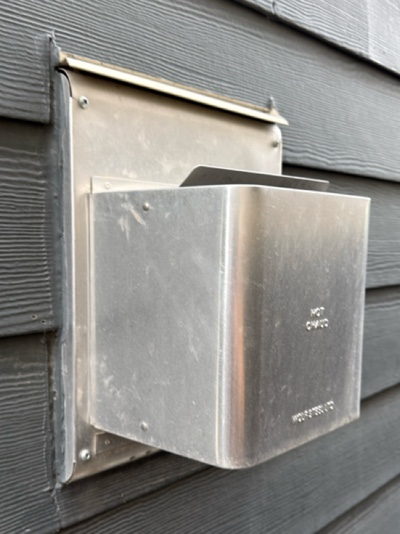
The exhaust vent was observed terminating below the soffit. This arrangement may affect nearby soffit areas over time. Recommend further evaluation and improvement, including soffit modifications where appropriate.
Reason: No function. Temperature below 16°C. Ask sellers on functionality and further evaluate/retest
summary
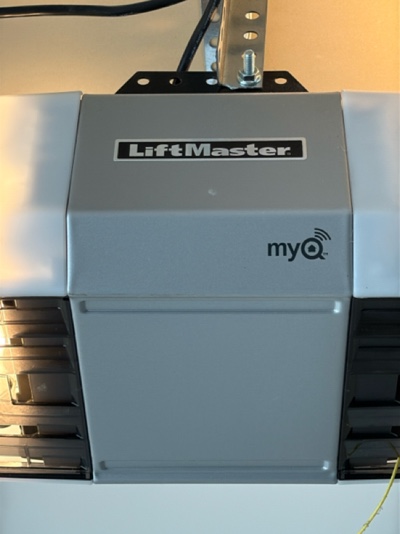
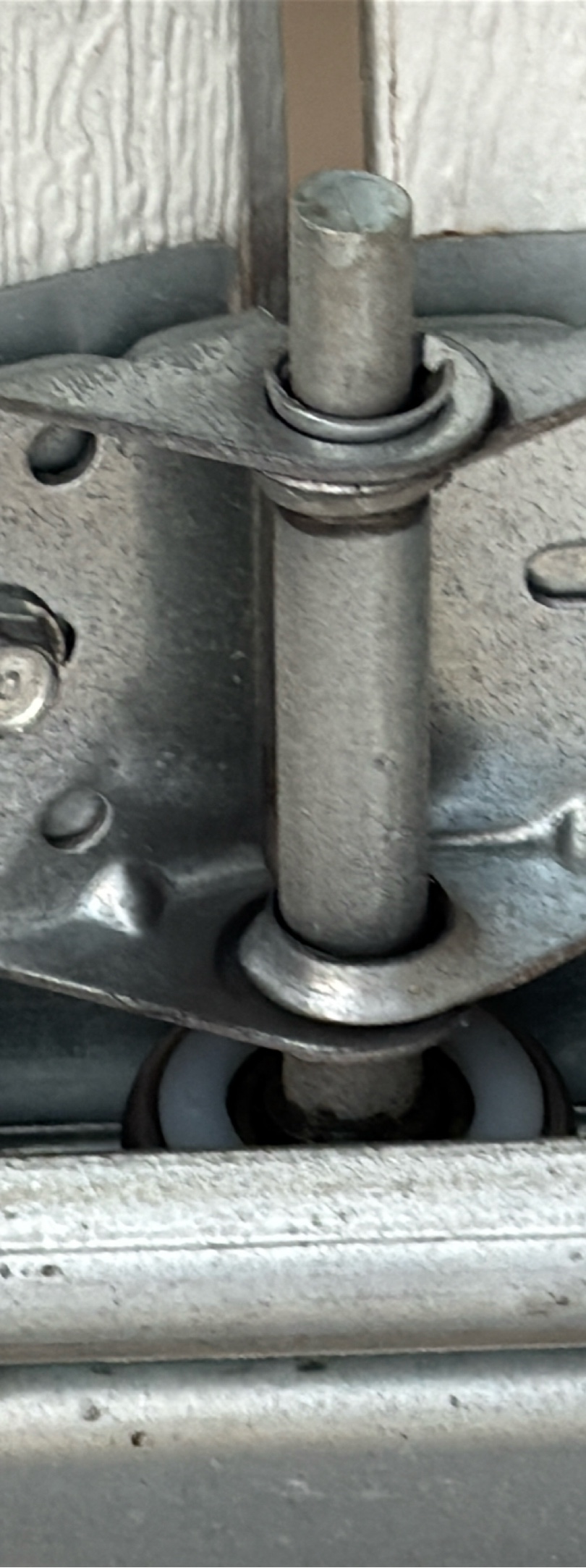
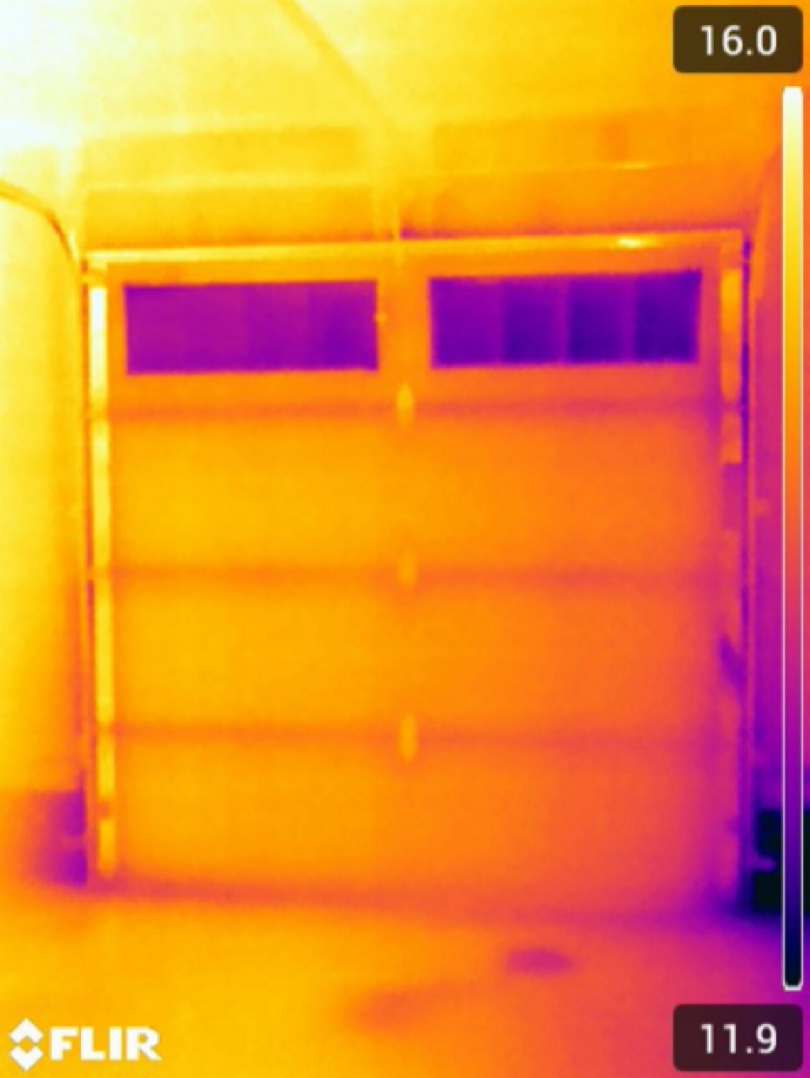
The garage overhead door operated loudly and spring function appeared in need of service. Performance and reliability may be affected if conditions worsen. Recommend a tune-up and professional servicing.
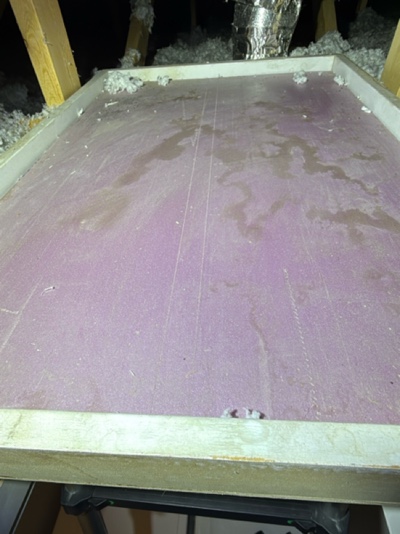
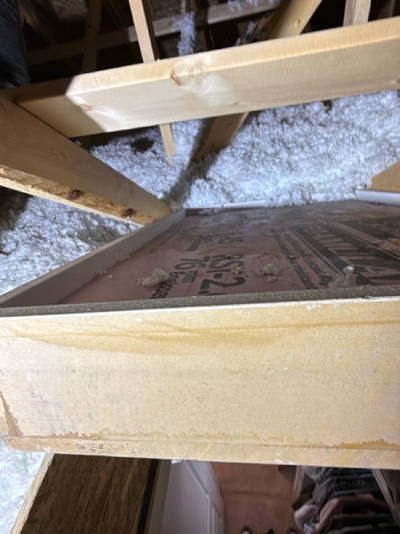
Moisture staining and blackening were observed near both attic entries. Continued moisture-related conditions may lead to further deterioration if not addressed. Recommend evaluation and improved hatch protection.
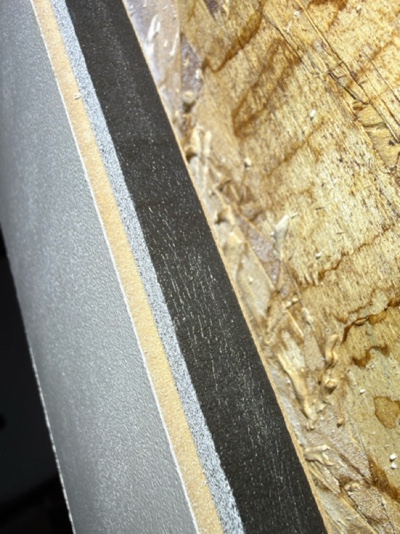
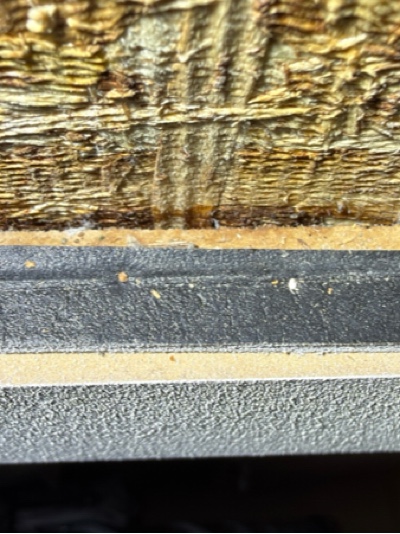
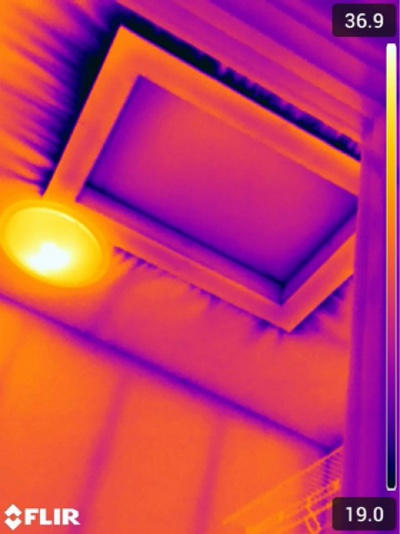
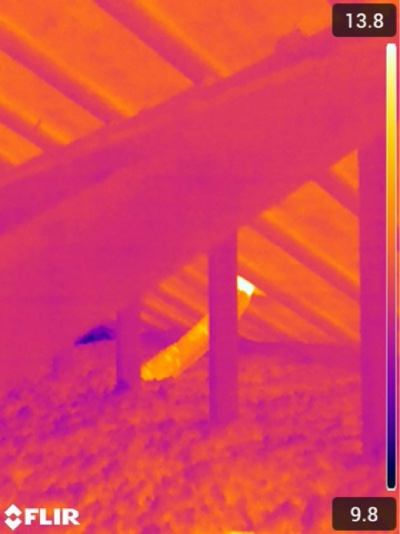
The attic hatch showed staining and appeared poorly insulated. Conditioned air leakage may contribute to attic moisture buildup over time. Recommend upgrading and improving insulation and sealing.
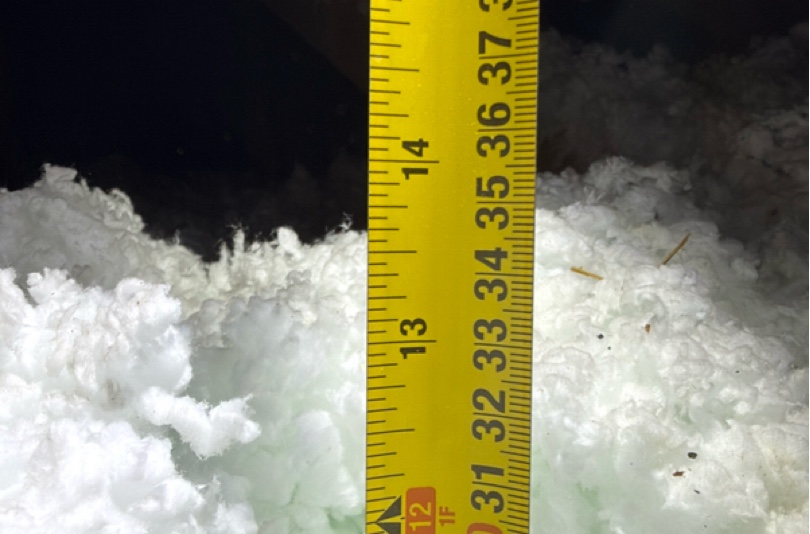
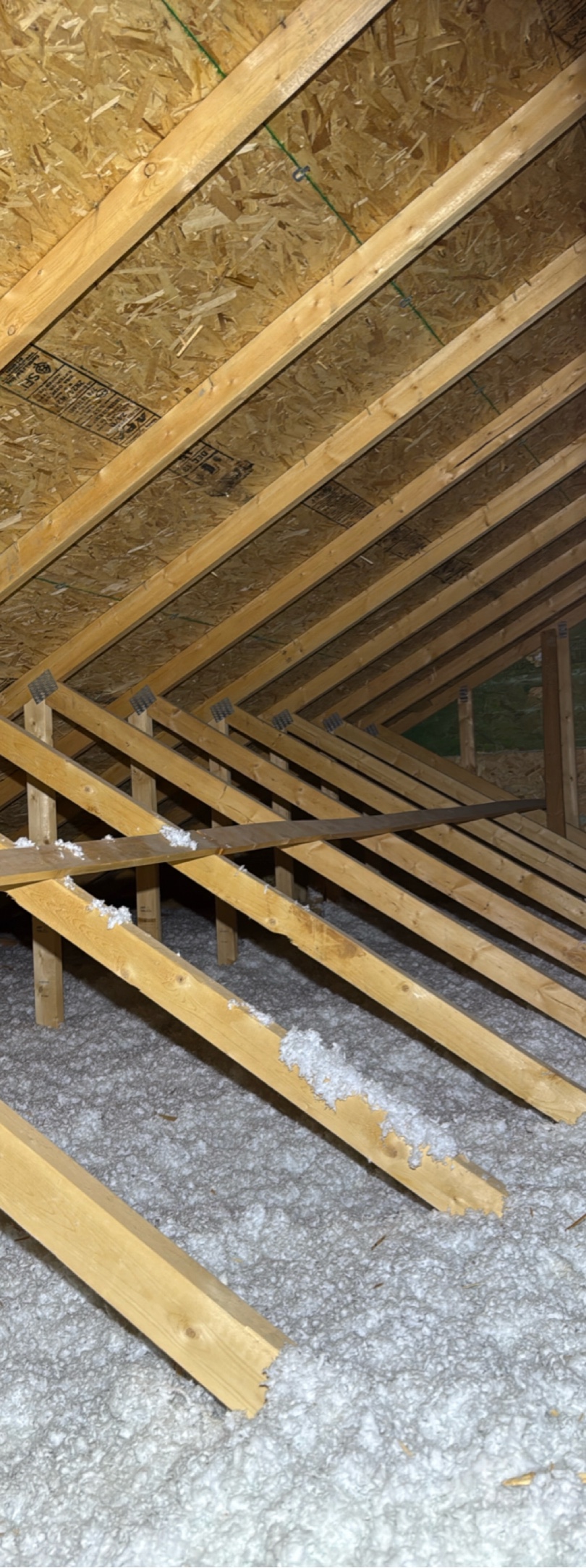
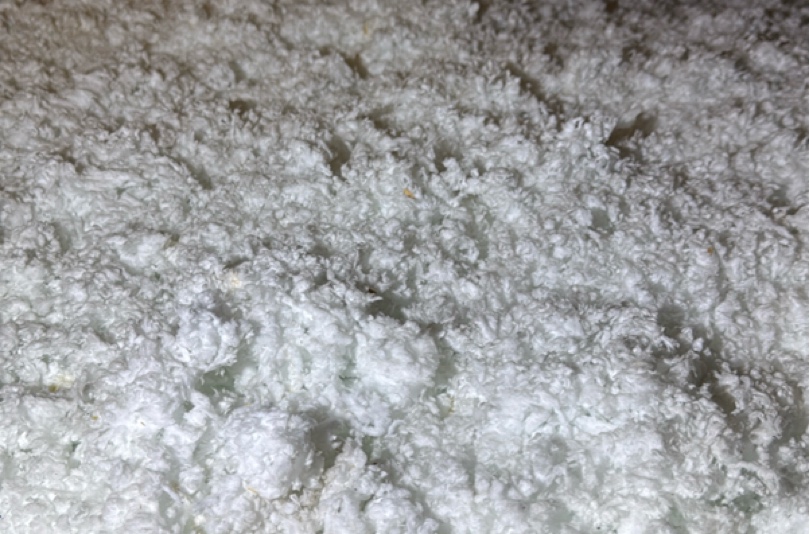
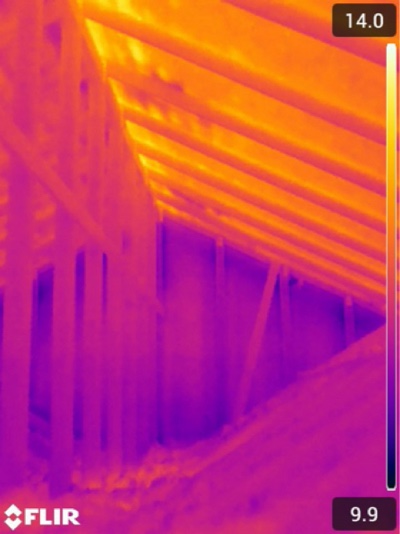
Insulation depth was noted to be low or disturbed in multiple areas. Reduced coverage may contribute to condensation or related concerns. Recommend restoring insulation levels and overall function.
summary
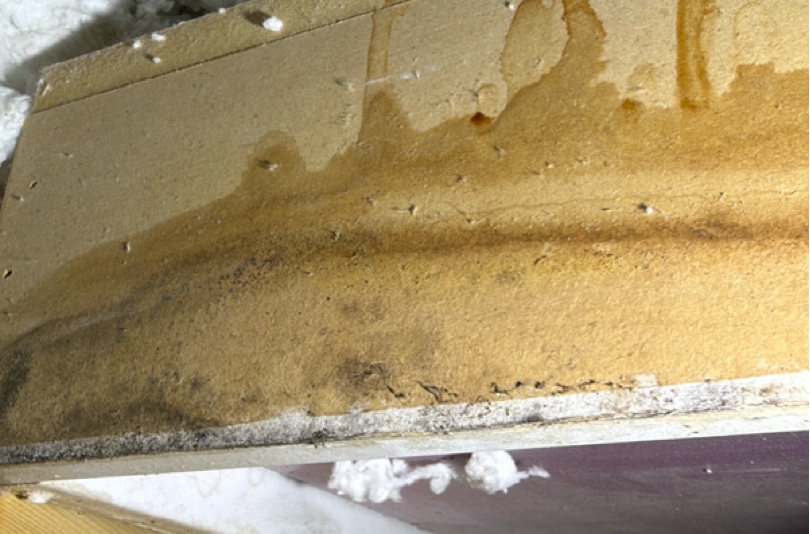
Staining was observed around the attic hatch area. Air leakage may contribute to moisture accumulation and attic rain conditions. Recommend further evaluation, improved sealing, and upgraded hatch protection.
Limited cross ventilation was observed within the attic at the front and back areas. Reduced airflow may contribute to ongoing attic concerns. Recommend further evaluation and ventilation improvements.
Moisture staining was observed on ceilings or walls within the carriage house. The source and extent were not determined during inspection. Recommend further evaluation and repairs as needed.
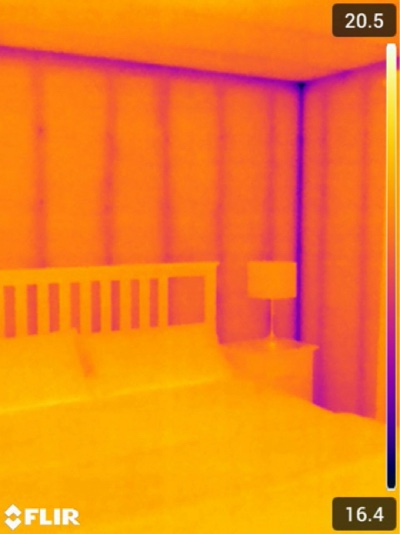
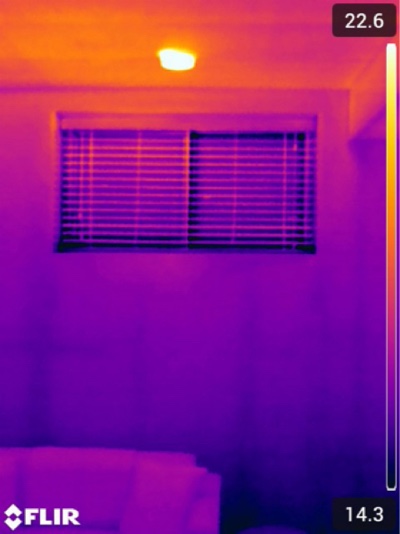
Thermal imaging identified cold spots consistent with possible air intrusion in both closets. This condition may reduce thermal performance. Recommend correction and verification by an insulation contractor.
summary
The refrigerator weatherstrip was noted to be dirty and stained. Routine maintenance may help preserve performance and cleanliness. Recommend cleaning and ongoing maintenance.
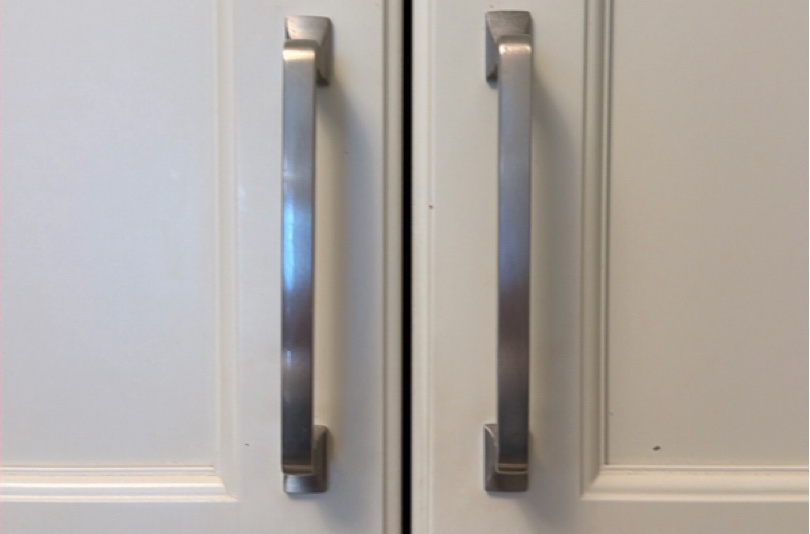
Cabinetry was noted to be unlevel with staining and general dirt accumulation. These conditions should be monitored as part of routine upkeep. Recommend adjustment, cleaning, and verification as needed.
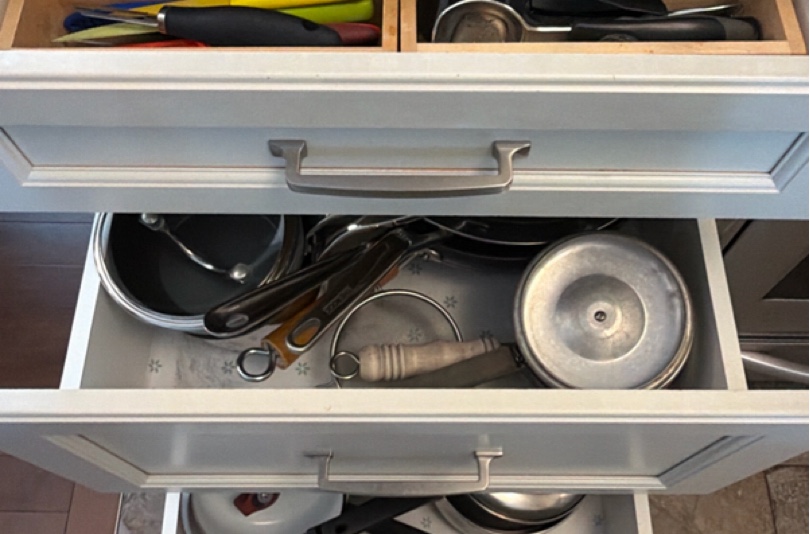
Several drawers were loose, sticking, and showed staining. Continued use may affect operation over time. Recommend cleaning, repair, and maintenance by a general contractor if desired.
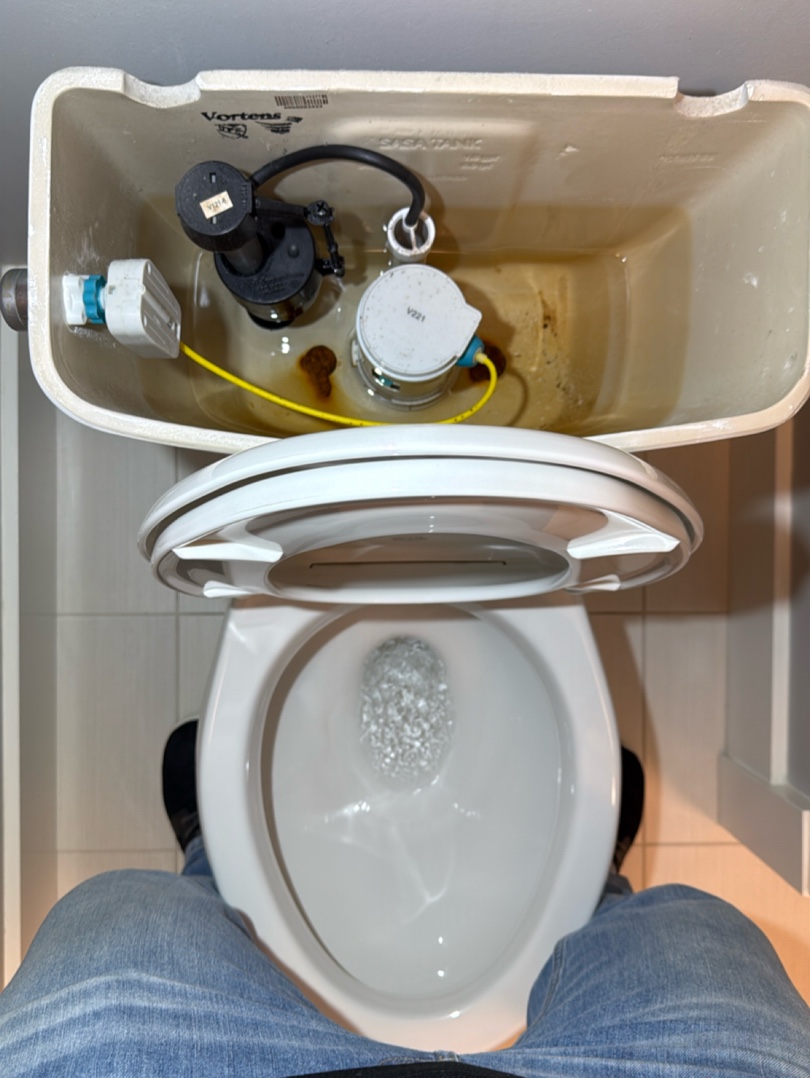
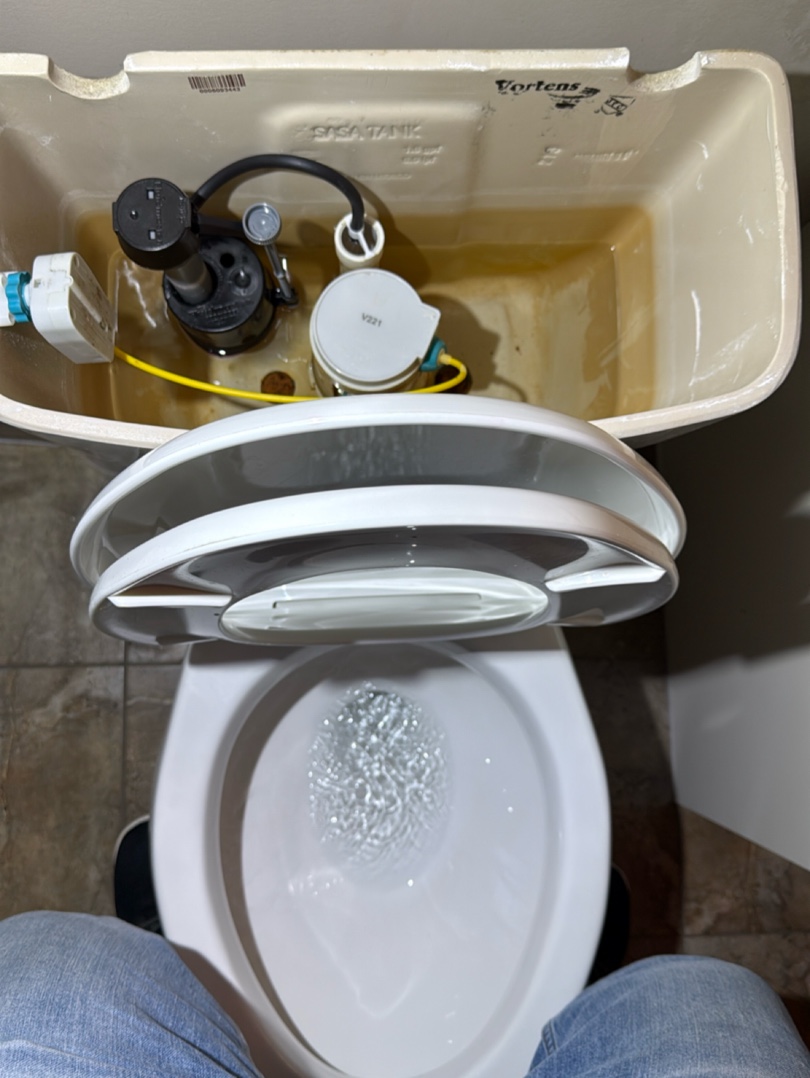
A loose toilet was noted in the powder room and rusting components were observed within multiple tanks. Leakage or operational concerns may develop if left uncorrected. Recommend sealing, repair, and monitoring.
summary
A loose toilet and/or seat was observed in the carriage house. Movement may contribute to leakage or functional concerns over time. Recommend sealing, repair, and continued monitoring.
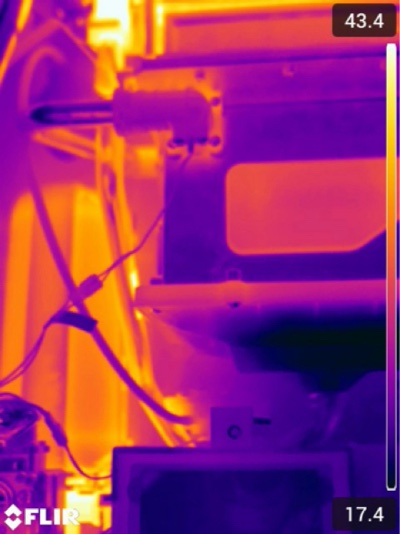
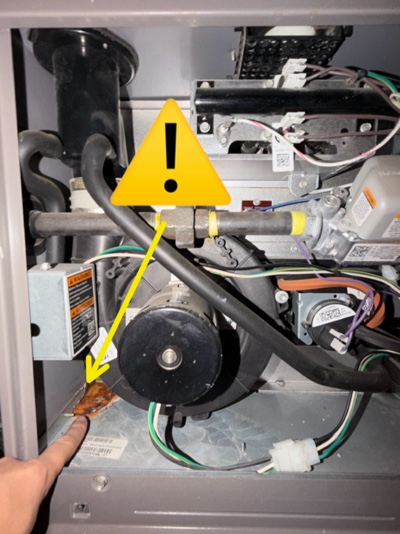
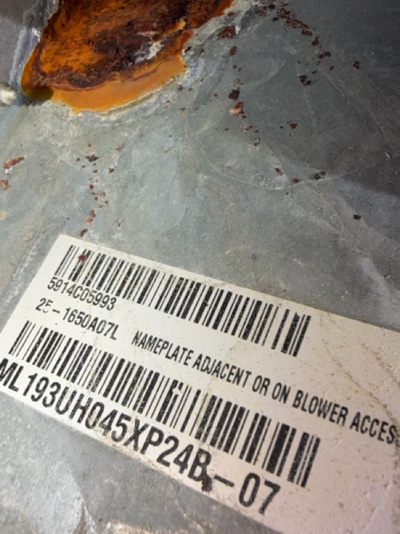
Evidence of a past leak and associated rust was observed at the main heating unit. This condition may affect long-term reliability or performance. Recommend further evaluation and repair by an HVAC technician.
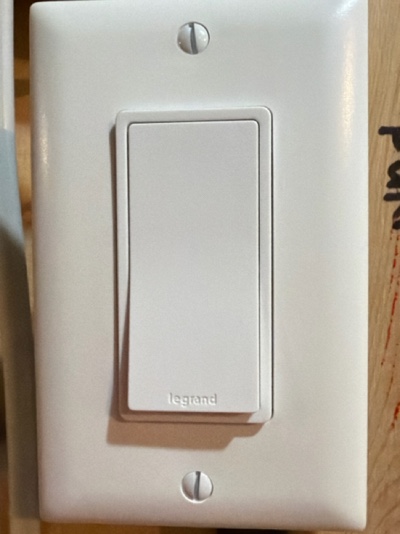
The heating unit shutoff was located at the mechanical room entry in a position considered less than ideal. Accidental operation may occur. Recommend correction or relocation by an electrician.
Rust and evidence of condensate leakage were observed at the suite heating unit. Continued moisture exposure may affect performance and reliability. Recommend correction and verification by an HVAC technician.
Reason: Undetermined: Results unclear due to conditions or limitations. Further review may be needed to confirm the situation.

|
⚠️The Business of People
Rob & Kim play an important role throughout the transaction, coordinating communication, conducting behind-the-scenes research, and helping create a smoother overall buying or selling experience. Our role is a little different. Think of agents as the red clothing and inspectors as the whites, both important parts of the process, but never washed together. While agents help keep the process organized and flowing, we help iron out the details through a clear, objective evaluation of the property. Although we may work alongside one another throughout the transaction, our responsibility remains completely independent and focused solely on you, the client, and the condition of the home at the time of inspection. |
|
|
▶︎Gentle Reminder
A home inspection is a non-invasive, visual evaluation of the home’s major systems and components at the time of inspection. The inspector reviews accessible areas including roofing, exterior, structure, attic, interior, plumbing, electrical, heating, and cooling systems to identify visible defects, safety concerns, and material deficiencies. The inspection is designed to help clients better understand the general condition of the property and make more informed decisions. |
|
| R BACK TO SUMMARY |

|
|
|
|
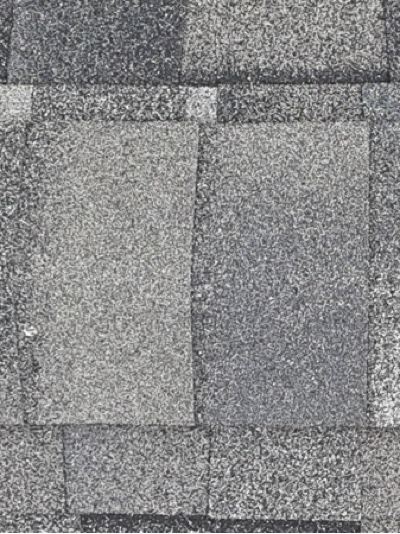
Roof Observations - (1)
Reviewing condition, flashings, drainage flow, debris, & intrusion points. See also Insurance Section.
Roof Observation - (2) Valley
⠀ ⠀
|
|
|
Roof Observation - (3) Achi
⠀ ⠀ ⠀
|
|
|
|
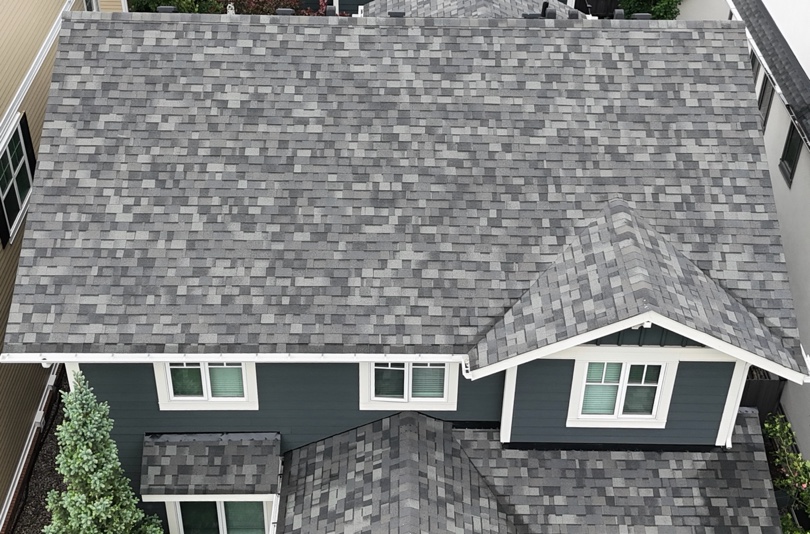
|
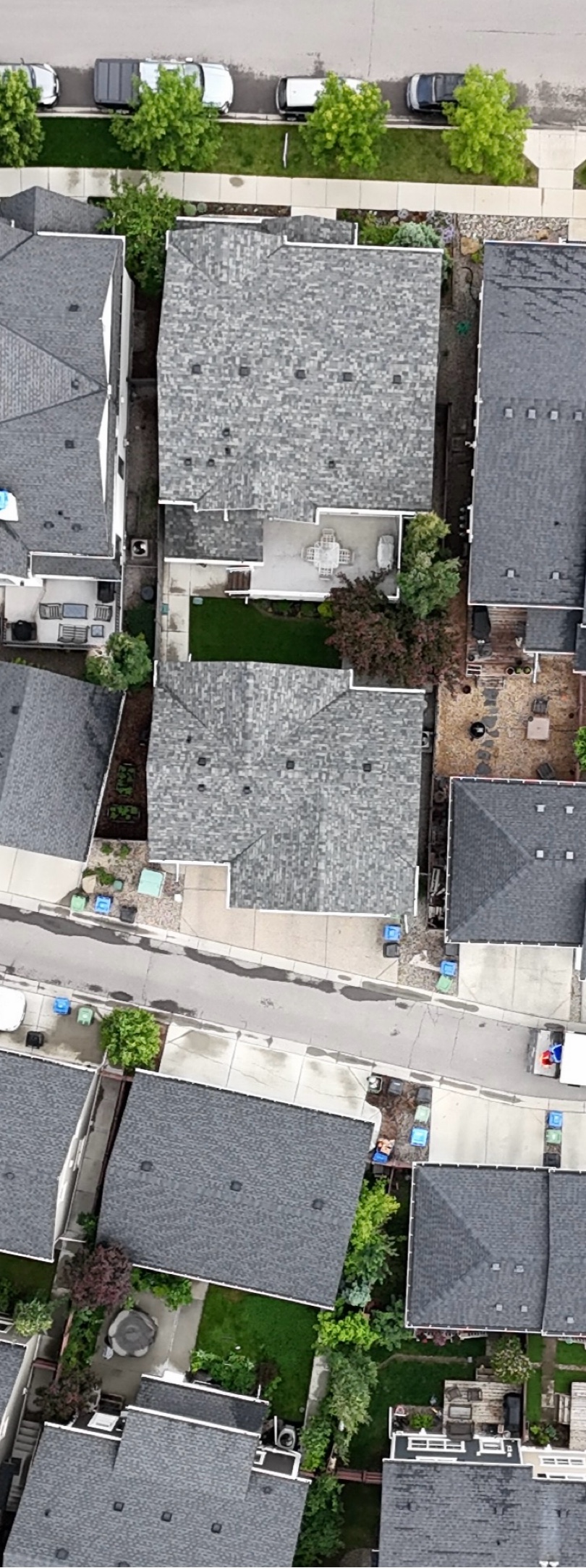
Front Roof - 1
Survey performed to visually document roof coverings & associated components. This includes material condition, install, flashing, penetrations, drainage paths, & anomalies. See also Insurance Section.
|
|
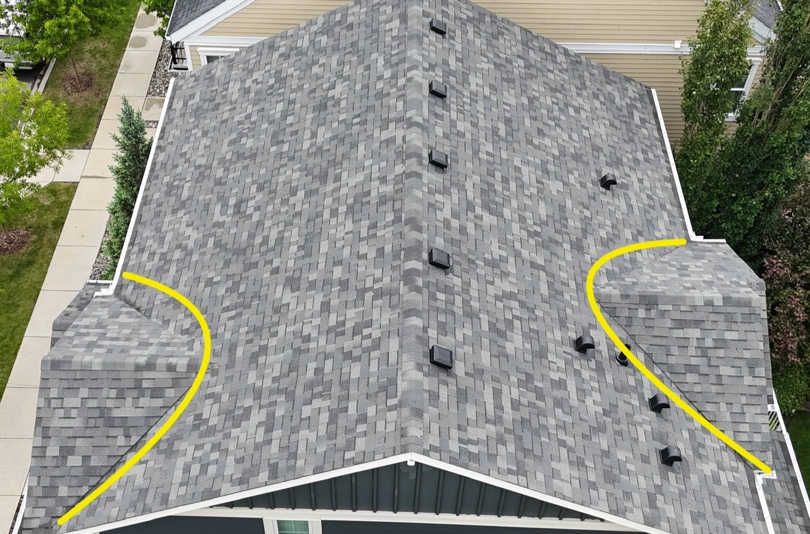
|
|
|
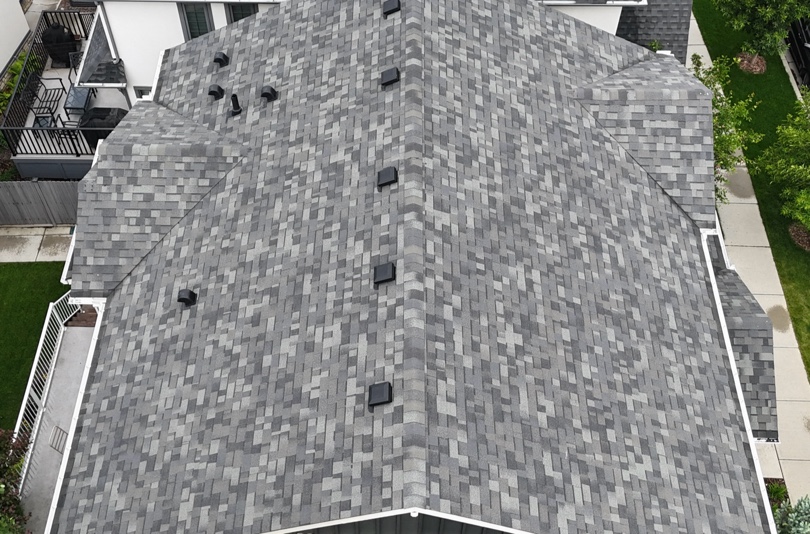
|
Side Roof - 3 OVER-ALL
|
|
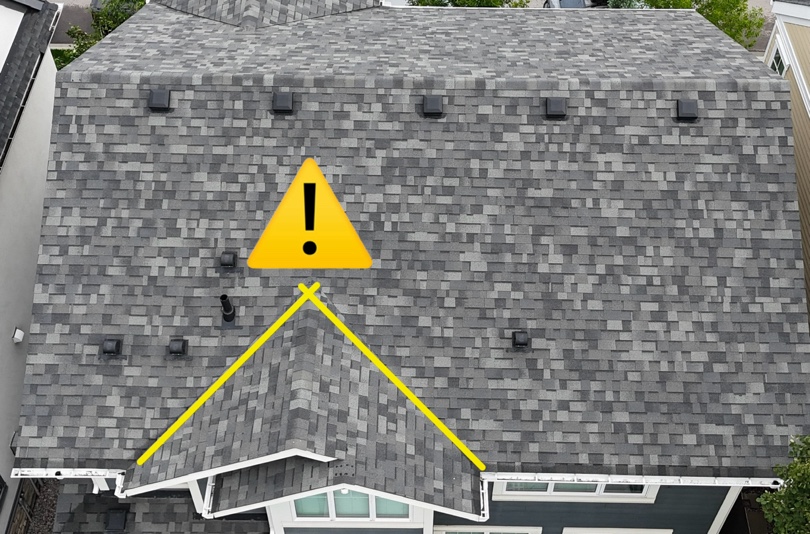
|
Back Roof - 4 VALLEY
You may need to upgrade splashguards in future.
|
|
|
⚠️ Roof Observations
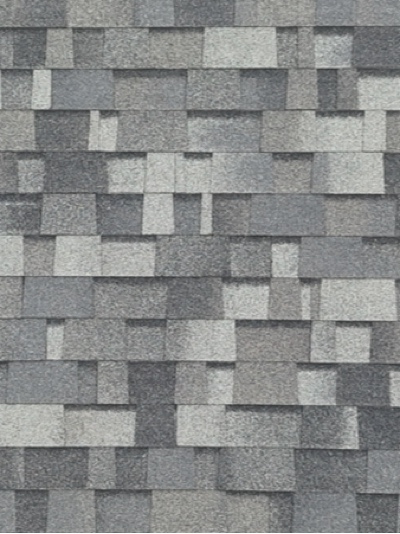
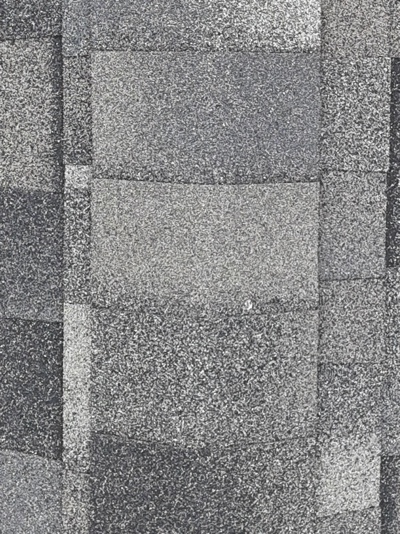
1. Surface Materials: Wear consistent with climate & exposure.
End Statement:
Routine maintenance and inspections are recommended, including cleaning gutters and reviewing roof materials from inside the attic. Seasonal or annual tune-ups are encouraged to replace damaged or aging segments.
|
|

|
|
Suite / Property Focus
Overview
Roof Observations - (1)
Reviewing condition, flashings, drainage flow, debris, & intrusion points. See also Insurance Section.
|
|
|
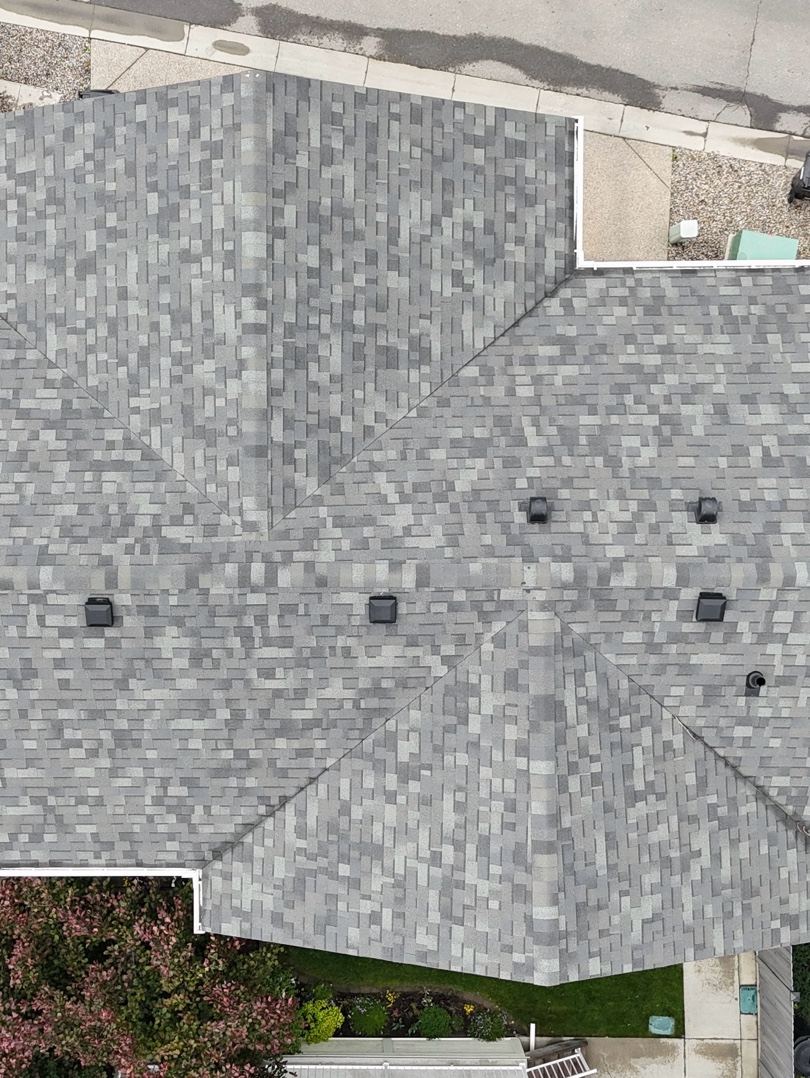
Roof Observation - (2) ridge
⠀ ⠀
Roof Observation - (2) ..
⠀ ⠀
|
|
Roof Observation - (3)Over-All
⠀ ⠀ ⠀
|
|
|
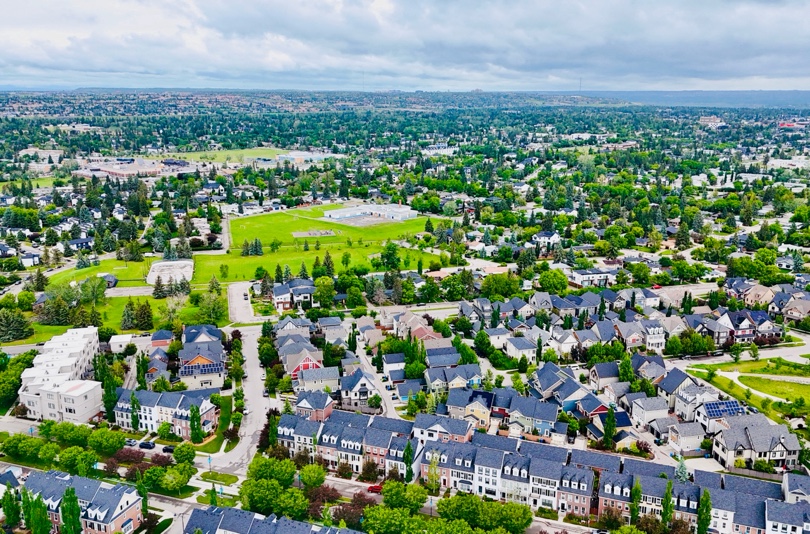
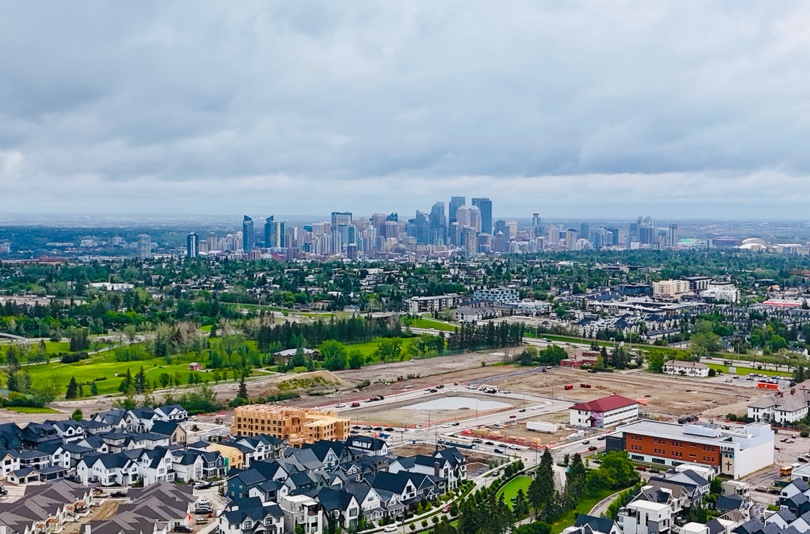
Extra Photos
|
|
|
|
|
|
|
|
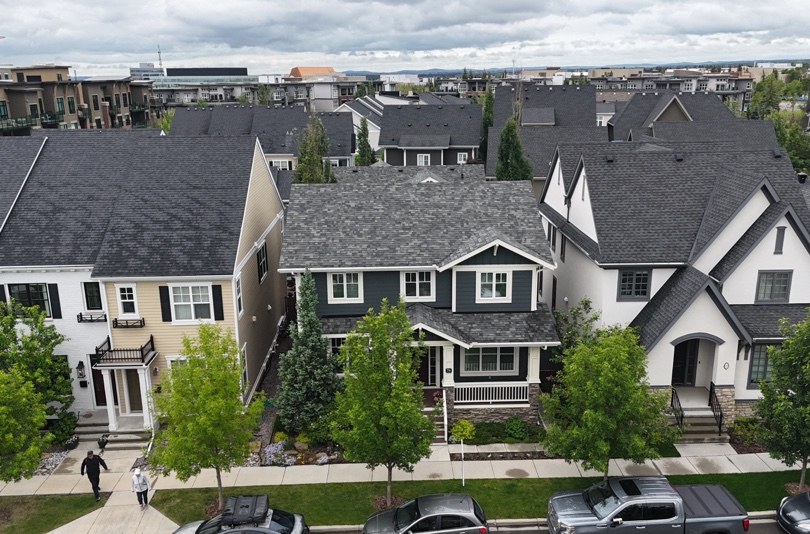
|
|
|
|
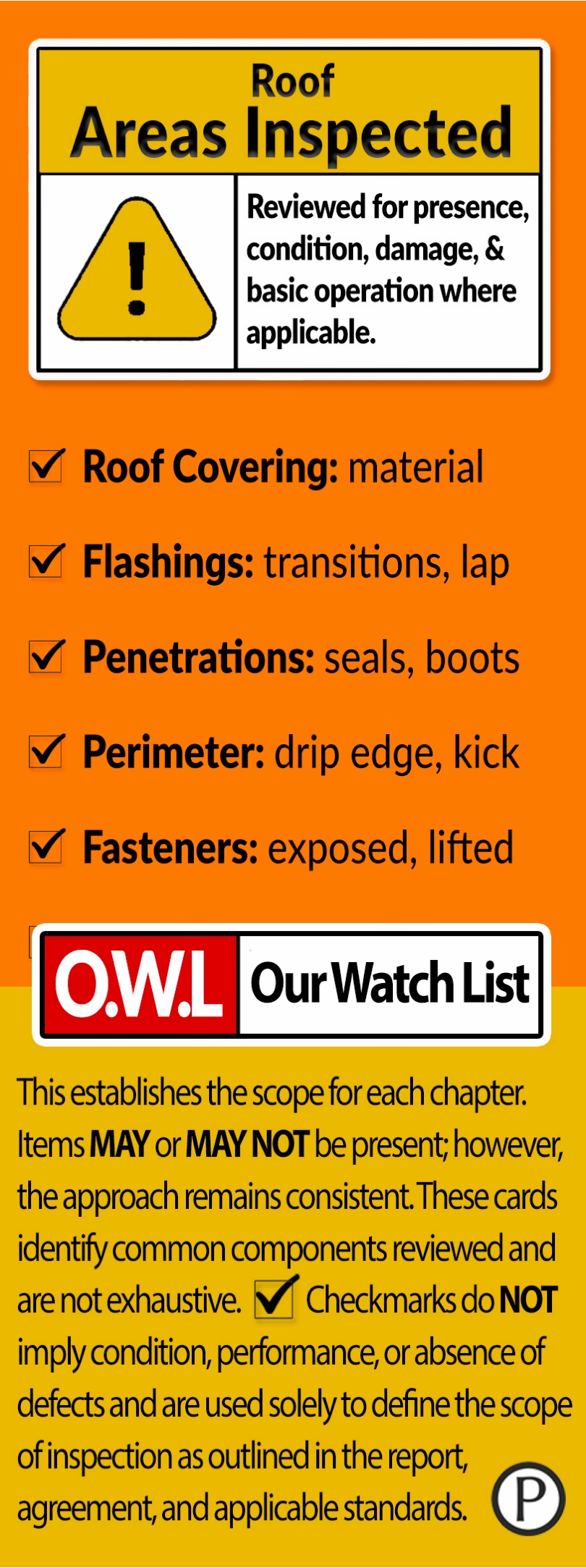
The Roof Baseline O.W.L
𝗥𝗼𝗼𝗳 – 𝗔𝗿𝗲𝗮𝘀 𝗜𝗻𝘀𝗽𝗲𝗰𝘁𝗲𝗱Roof components are reviewed for presence, general condition, visible damage, and basic performance characteristics where applicable. This includes commonly accessible roofing materials, flashings, roof penetrations, drainage features, and visible edges and transitions. The review focuses on observable conditions from accessible vantage points and does not include destructive testing or prediction of remaining service life. |
|
| E BACK TO SUMMARY |

|
|
|
|
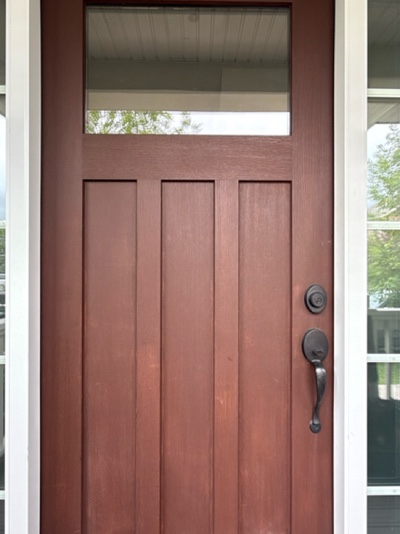
Exterior Entry Door(s)
Inspected for condition, glazing, sealing, flashing, alignment & operation.
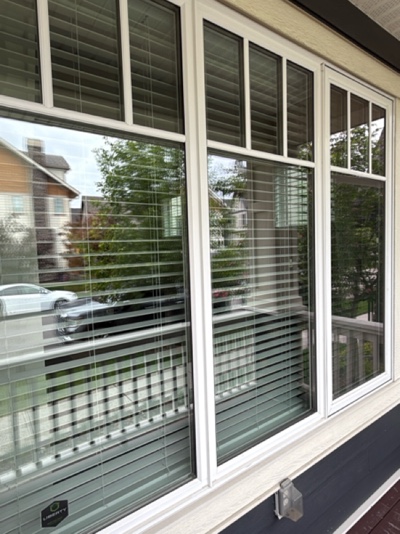
Window(s) & Trim-Casing
Reviewed for glazing, condition, cracking, flashing, gaps & sealant deterioration.
|
|
|
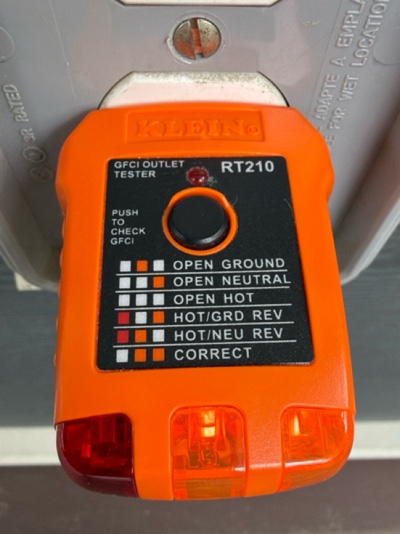
Exterior Outlet(s).
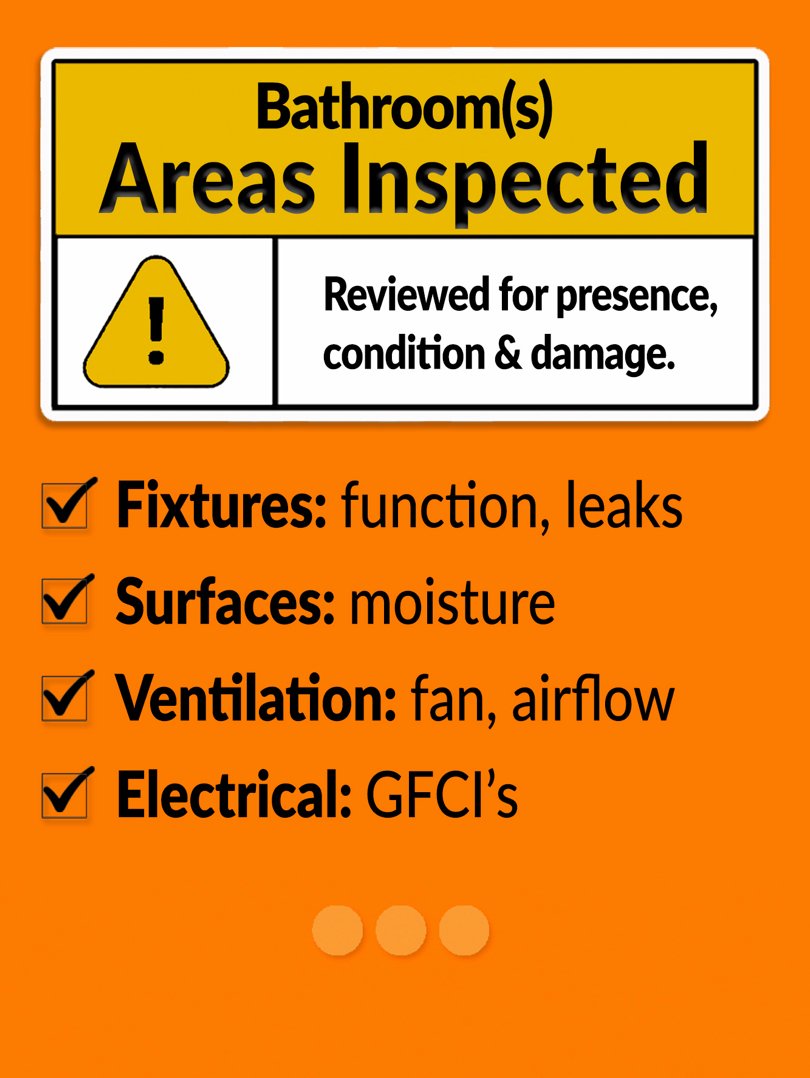
Inspected for safety, GFCI presence (using a standard plug tester.)
|
|
|
HVAC Utility Vent(s)
Inspected for installation, fittings, clearances, penetrations & sealant condition.
Additional Vent(s)
⠀⠀⠀⠀⠀⠀⠀⠀
|
|
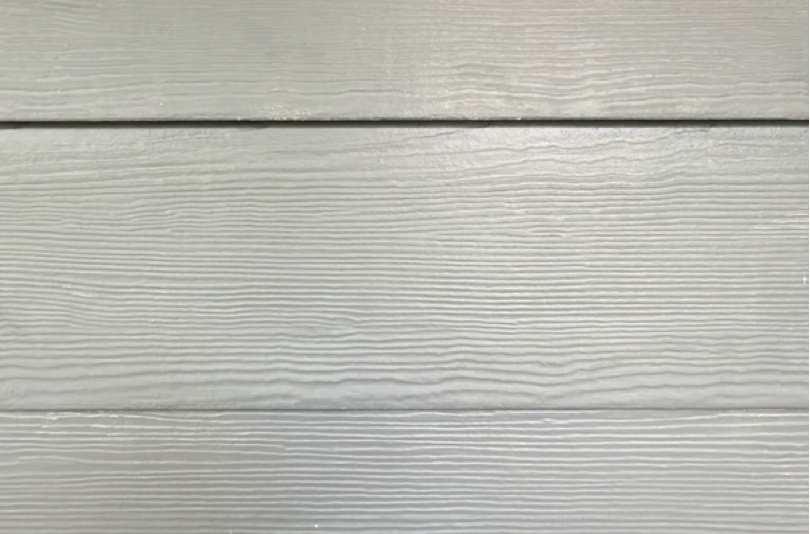
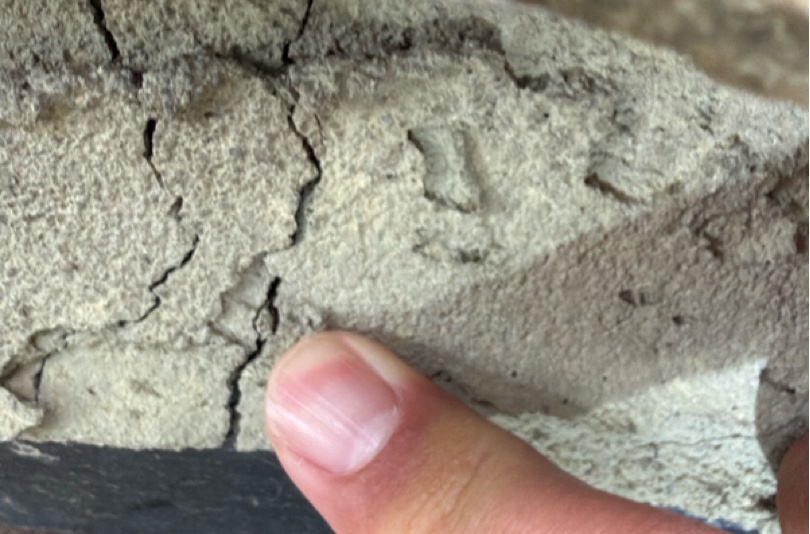
Cladding / Material(s)
Inspected for cracks, gaps, clearance from grade, installation & surface deterioration. See also Insurance Section.
|
|
|
|
|
|
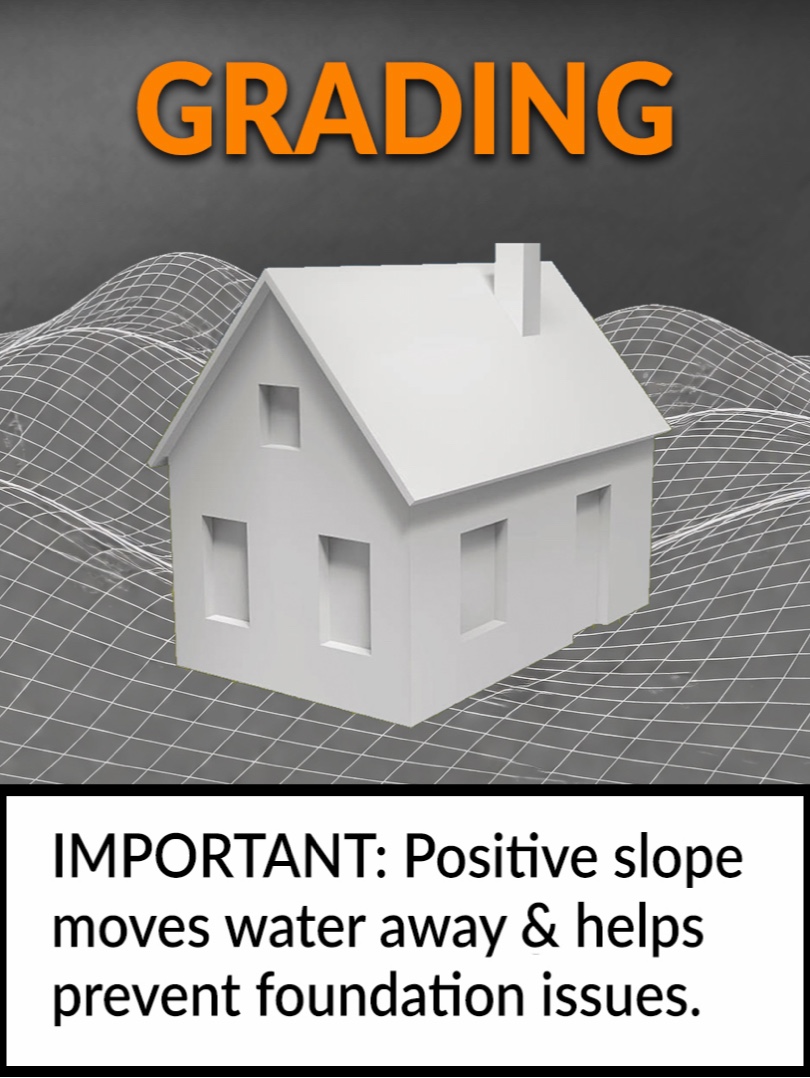
⚠️ SLOPE & Grade Management
Proper grading should slope away from the foundation, not remain flat or create negative slope that directs water toward the property. Watch for heaving, settling, and high or low spots that can trap moisture near walls. Ensure downspouts discharge well away from the structure and that gutters are level and draining correctly. Poor alignment or overflow can erode soil over time, increasing the risk of moisture intrusion and foundation movement.
|
|
|
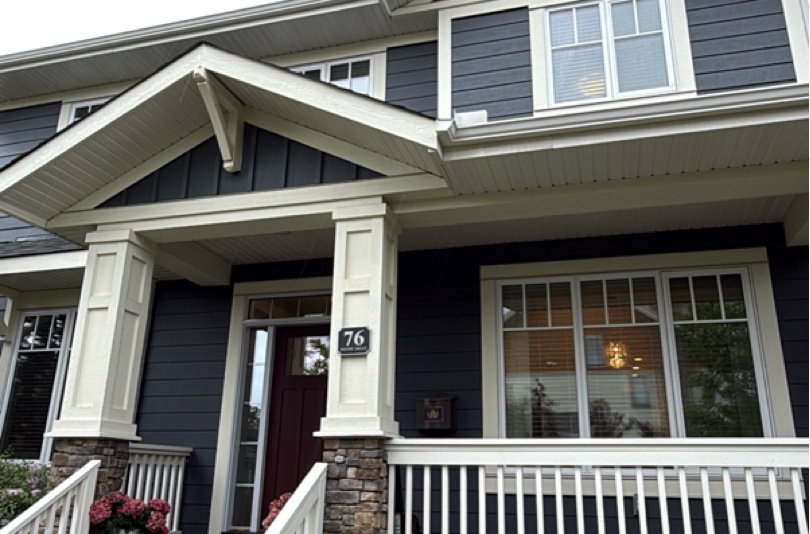
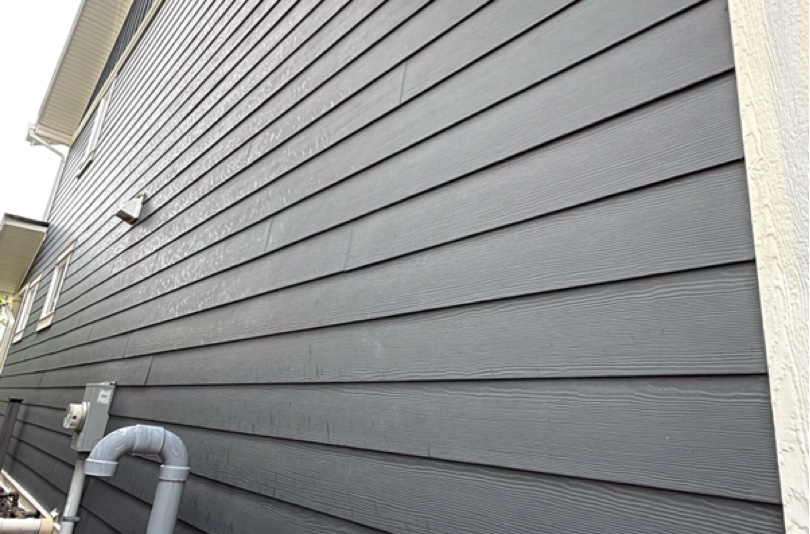
Front Elevation - 1
Inspected for cracks, gaps, clearance from grade, installation & surface deterioration. See also Insurance Section.
|
|
|
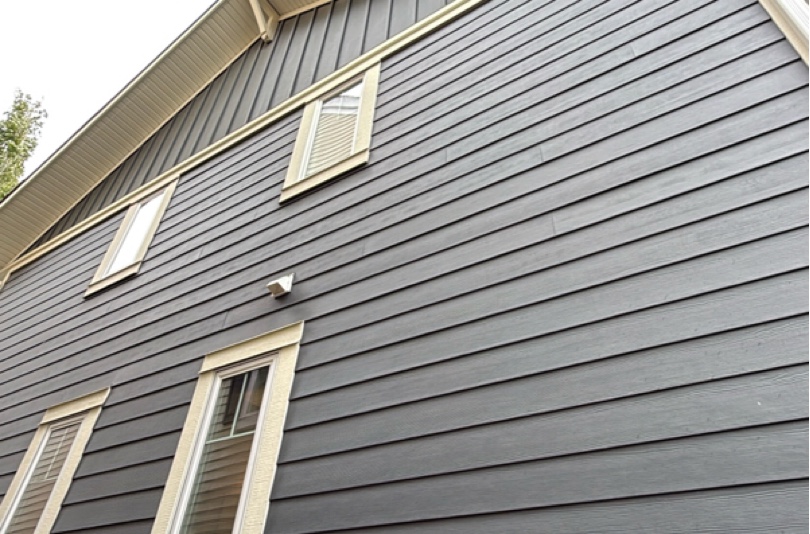
Side Elevation - 2
|
|
|
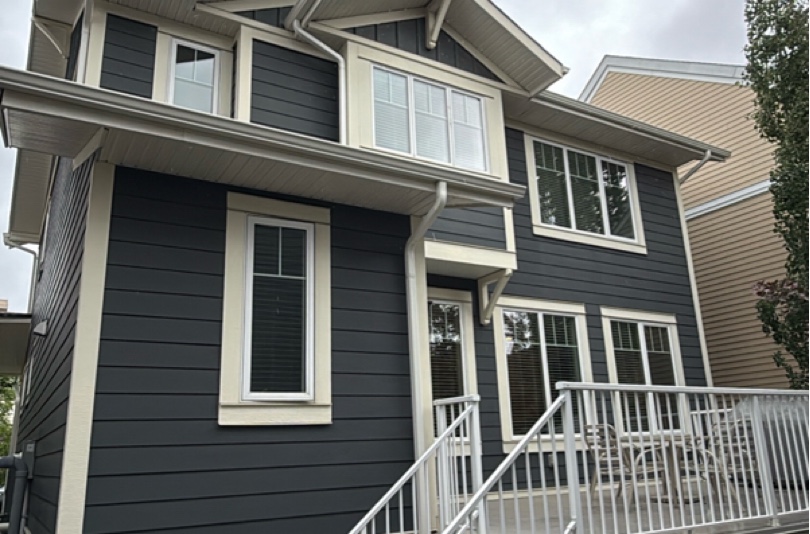
Side Elevation - 3
|
|
|
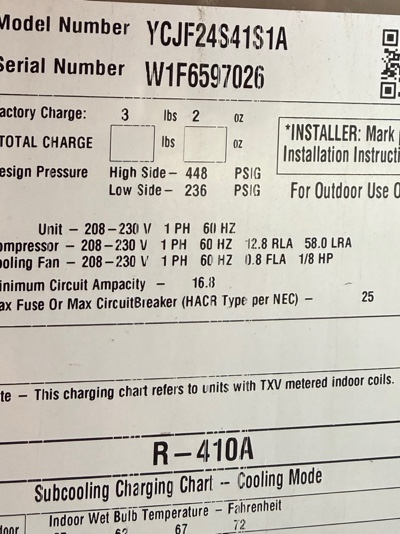
Back Elevation - 4
|
|

|
|
AC Data Plate(s)
Unit detail(s). See also Insurance Section.
|
|
|
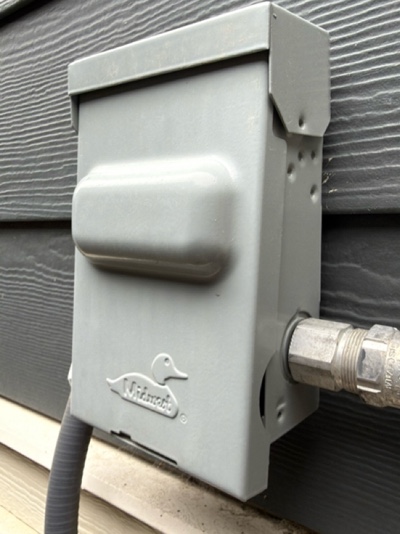
AC Disconnect(s) ⠀⠀
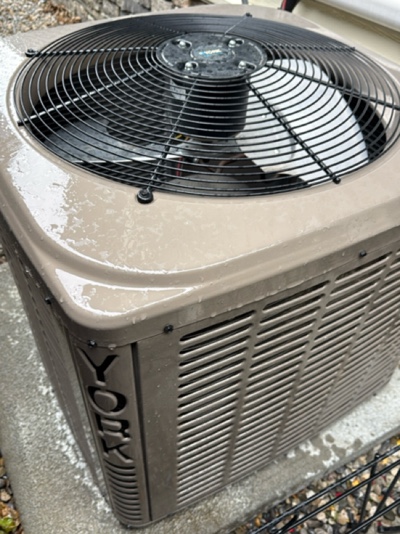
Air Conditioner Unit(s)
No function. Temperature below 16°C. Ask sellers on functionality and further evaluate/retest. Not Inspected
|
|
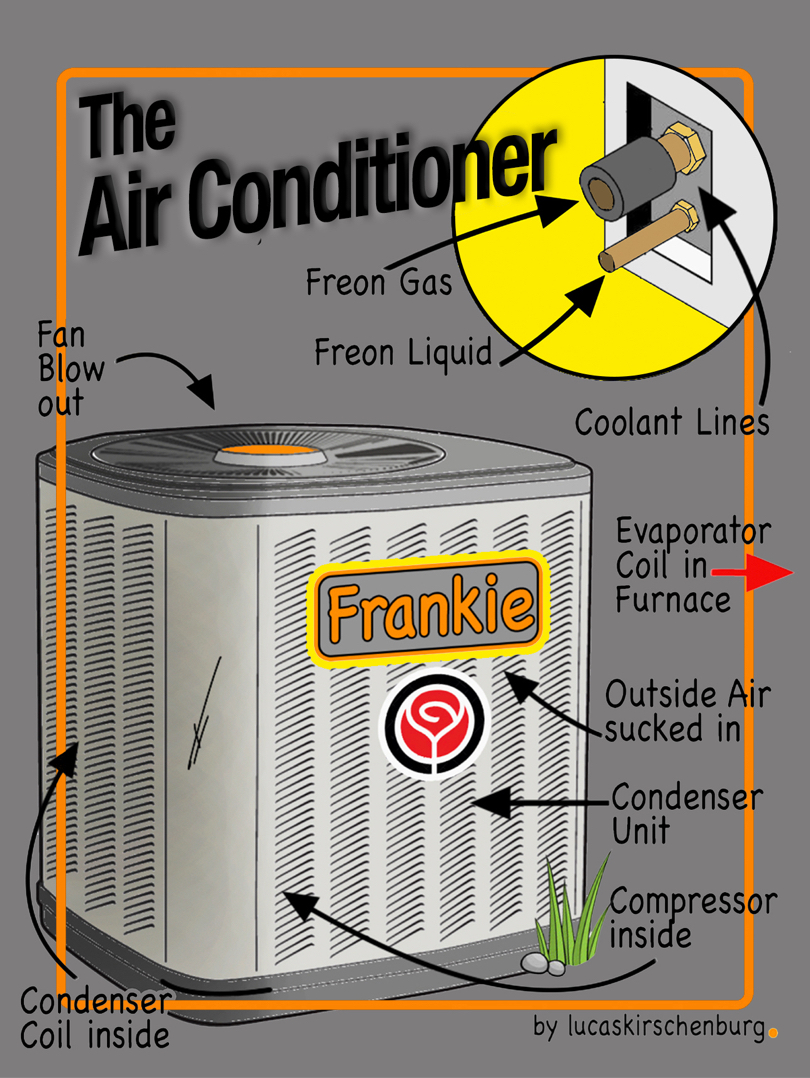
Overview Air Conditioner(s)
Routine AC maintenance includes cleaning the condenser coil, confirming the unit is level and secure, checking refrigerant line insulation, ensuring the disconnect is accessible, and verifying proper airflow at the exterior unit. Filters should be replaced regularly, vegetation kept clear, and unusual noise or vibration monitored to help extend equipment life and maintain efficiency.
|
|

|
|
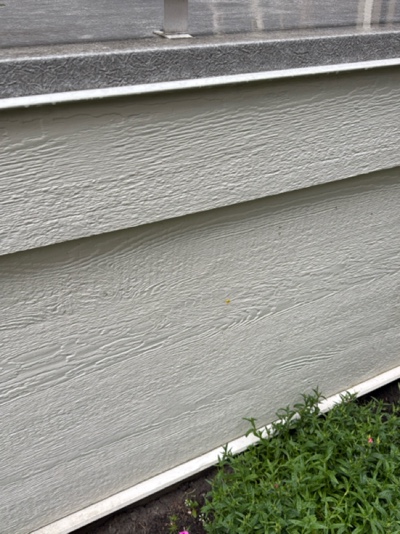
Deck Material(s)
|
|
|
Overview Deck 2
|
|
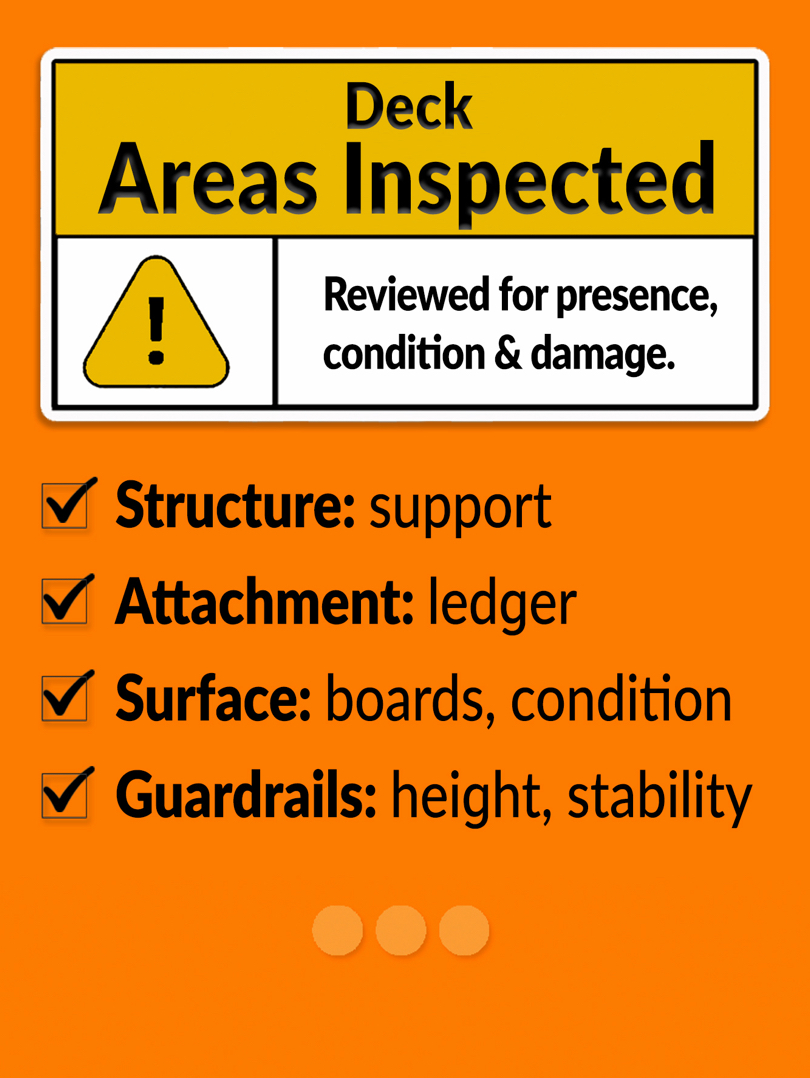
The Deck Baseline
Visually inspected structural components including posts, beams, and joists for condition & movement. Looking for ledger attachments & visible flashing at the house connection. Assess decking boards for deterioration or damage, & review guardrails & stairs for stability & general safety.
|
|
|
|
|
|
|
|
Suite / Property Focus
Overview
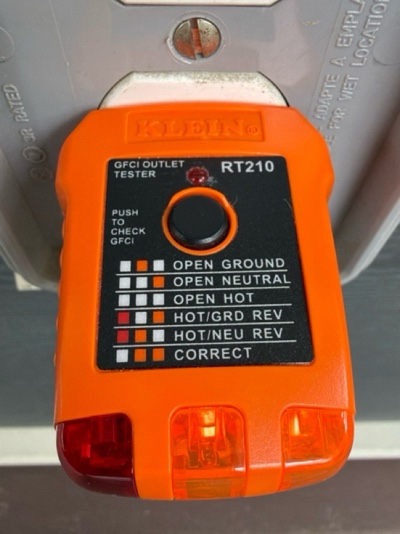
Exterior Outlet(s).
Inspected for safety, GFCI presence (using a standard plug tester.)
|
|
|
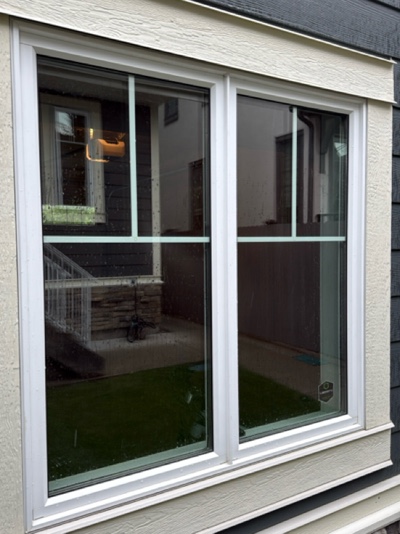
Window(s) & Trim-Casing
Reviewed for glazing, condition, cracking, flashing, gaps & sealant deterioration.
|
|
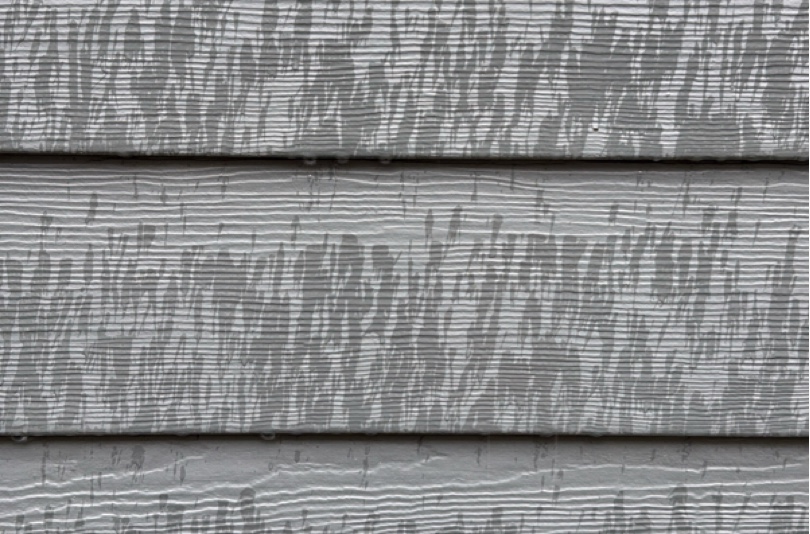
Cladding / Material(s)
Inspected for cracks, gaps, clearance from grade, installation & surface deterioration. See also Insurance Section.
|
|
|
Foundation & Structure
Inspected for flaking, cracking, displacement, moisture indicators & visible movement.
|
|
|
|
|
|
|
|
|
Irrigation System
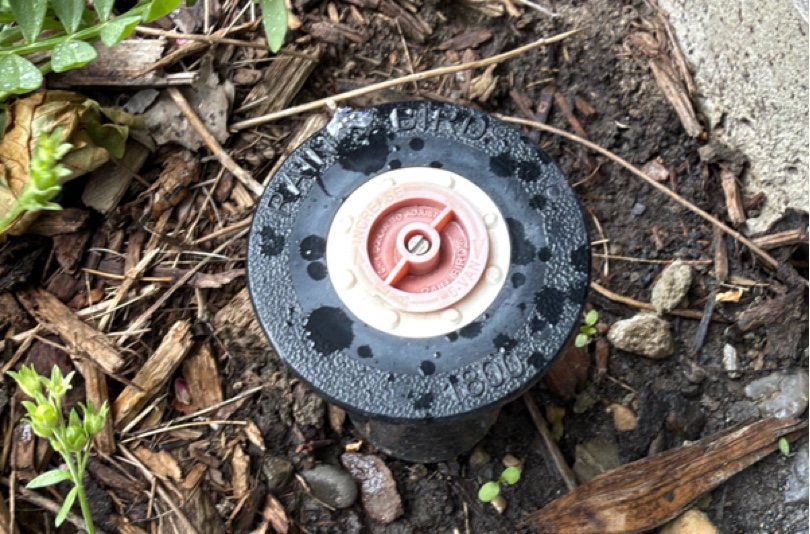
The method of applying water in a controlled manner to the greens outside. Outside of SOPs: Item falls outside the Standards of Practice and is not included in the scope of this inspection.. Not Inspected
|
|
|
|
|
|
|
|
|
|
|
|
|
|
|
The Exterior Baseline
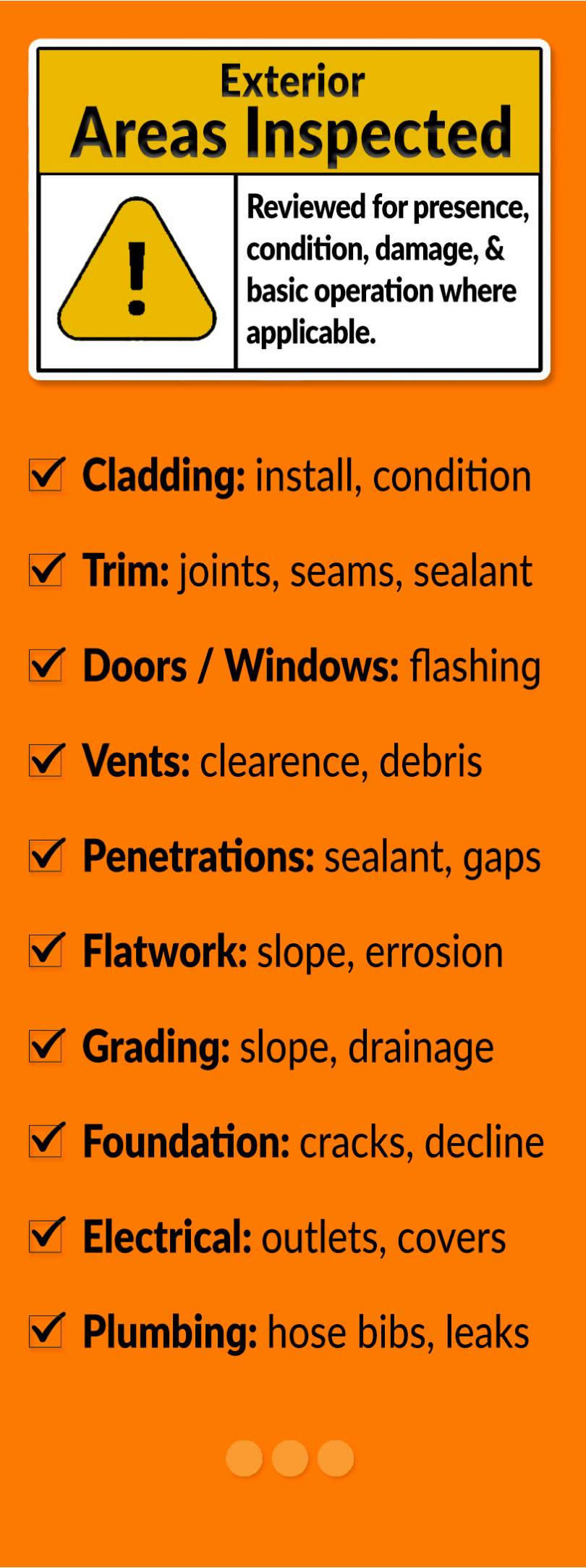
𝗘𝘅𝘁𝗲𝗿𝗶𝗼𝗿 – 𝗔𝗿𝗲𝗮𝘀 𝗜𝗻𝘀𝗽𝗲𝗰𝘁𝗲𝗱Exterior components and finishes are reviewed for presence, general condition, visible damage, and basic operation where applicable. This includes commonly accessible elements such as exterior walls and cladding, doors and windows, trim and sealants, decks, steps, railings, porches, balconies, and visible foundation surfaces. Drainage features, surface grading, and other exterior elements that may affect moisture management and overall performance are also visually reviewed where present. |
|
| G BACK TO SUMMARY |

|
|
|
|
Garage Overhead Door Motor(s)
Review focused on the support mount, basic operation, safety & visible indicators affecting function.
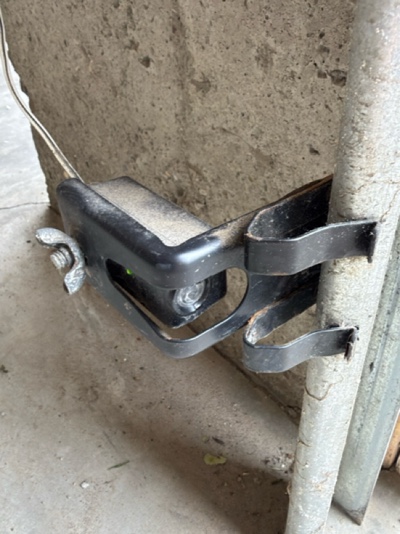
Garage Safety Track Sensor(s)
Observations included sensor presence, alignment, height & response during basic operational testing.
|
|
|
|
|
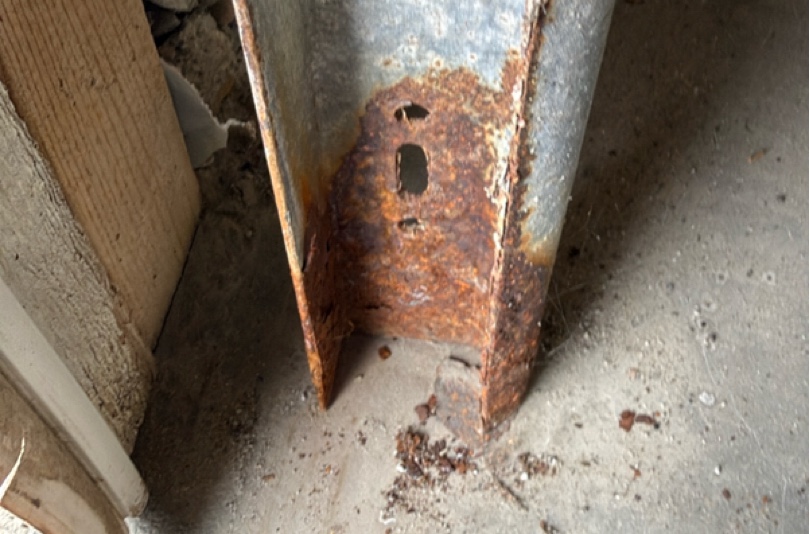
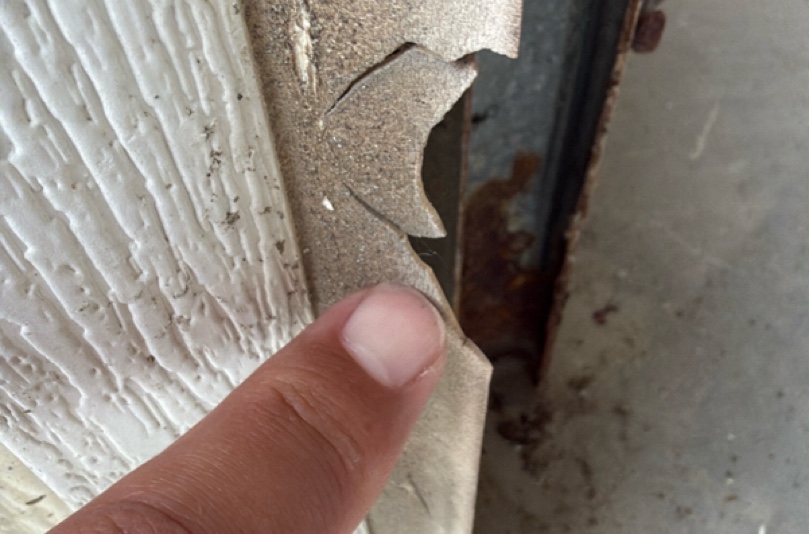
⚠️ Garage Observations
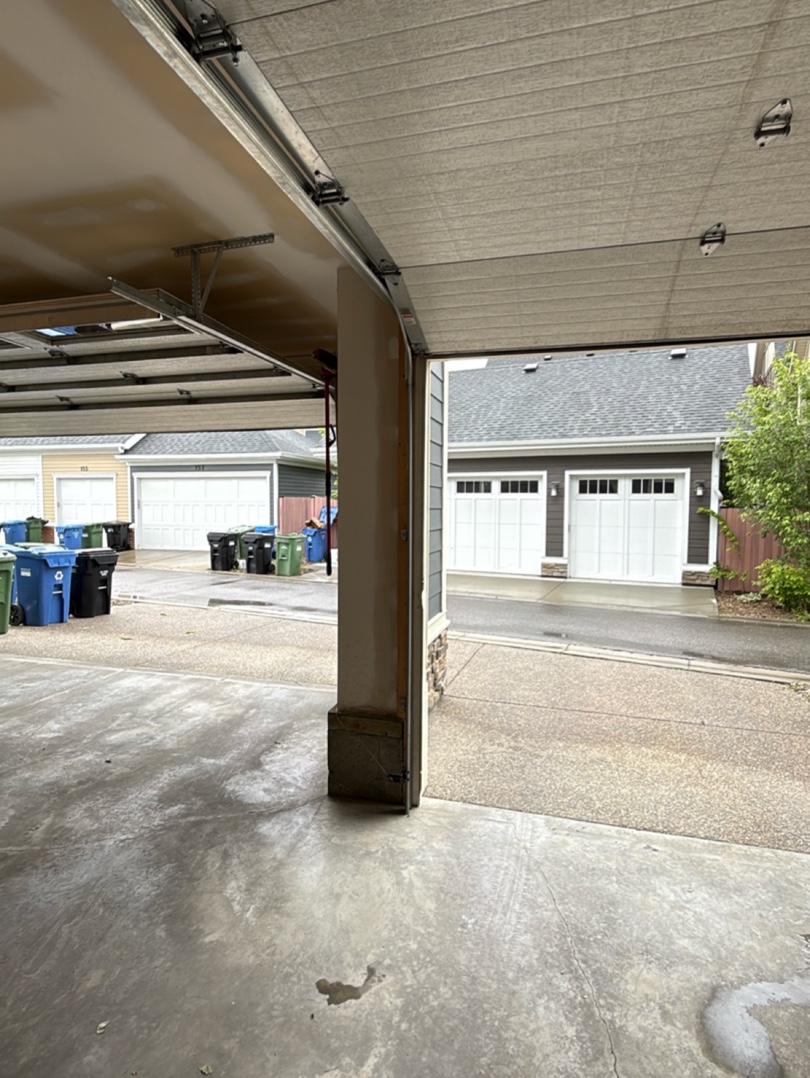
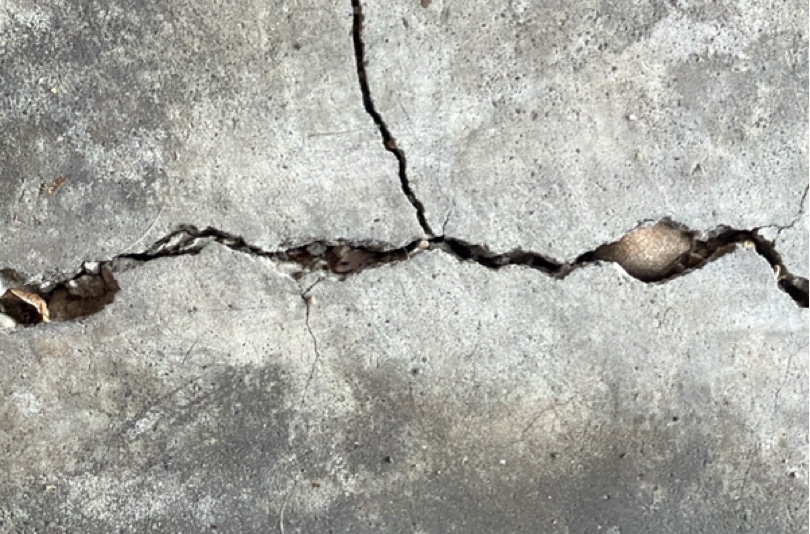
1. Slab: Surface wear & discoloration consistent with age.
Routine maintenance & minor repairs are recommended to help maintain condition & function. |
|
|
|
|
|
|
|
|
|
|
|
|
|
|
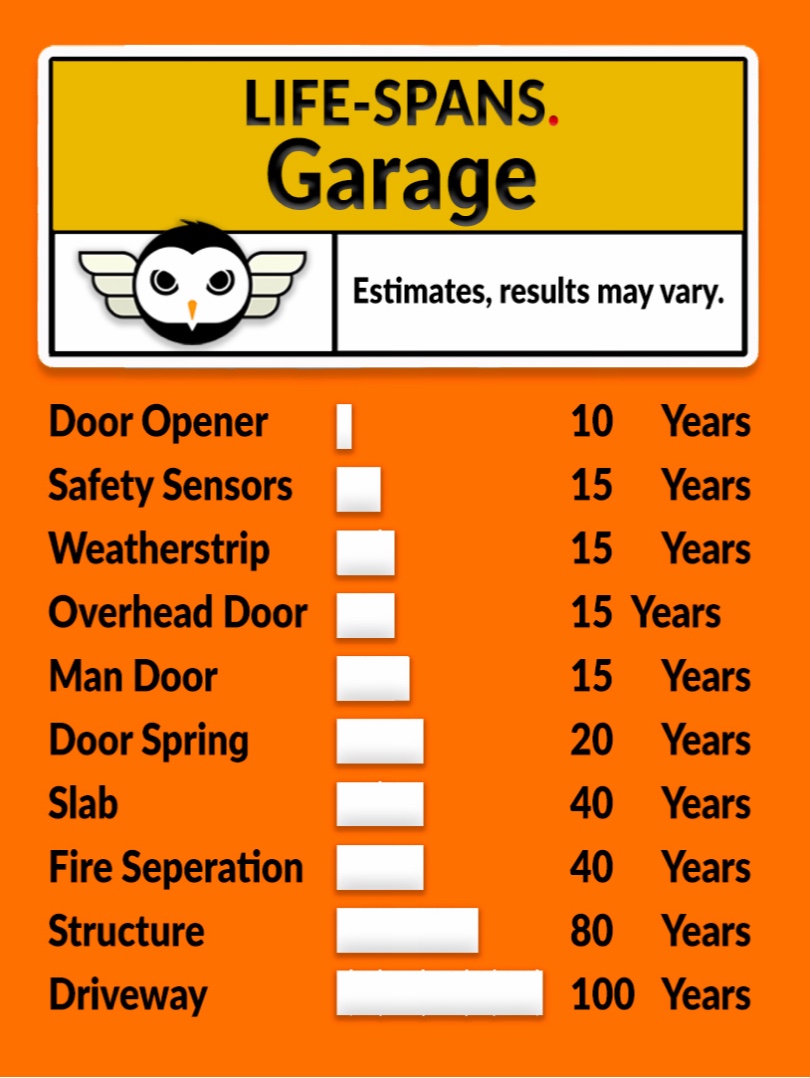
Garage Lifespans
Provides rough lifespan ranges under standard use, including garage components. Actual performance may vary based on usage, exposure, installation & maintenance. Values are general guidance only.
|
|
|
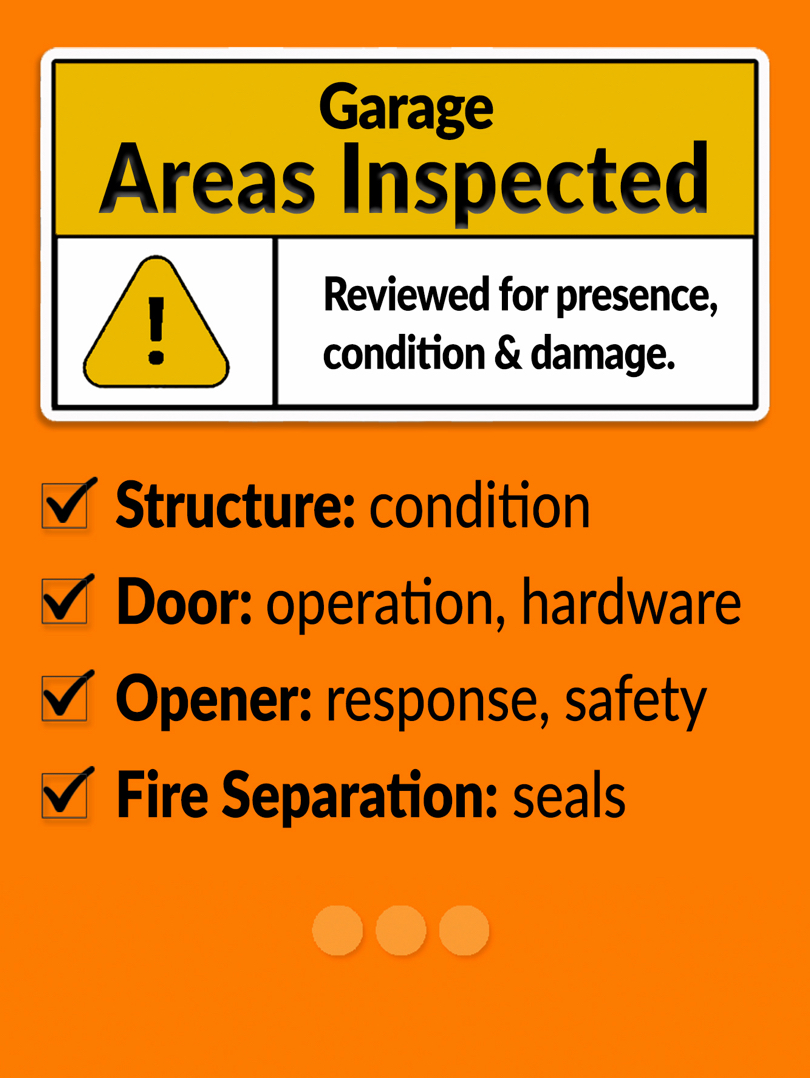
The Garage Baseline
Components are reviewed for presence, general condition, and visible signs of damage or deterioration where accessible. This includes wall and ceiling finishes, visible framing, overhead door assemblies, fire separation elements, service doors, and accessible electrical components. Accessible areas are checked for moisture damage, staining, cracks, corrosion, pest activity, and improper storage or clearance to combustibles. The review is limited to observable conditions without operating door openers, moving stored items, or evaluating concealed structural, electrical, or fire-resistance assemblies.
|
|
| A BACK TO SUMMARY |

|
|
|
|
Attic Hatch Weatherstrip
|
|
Sheathing / Roof Decking
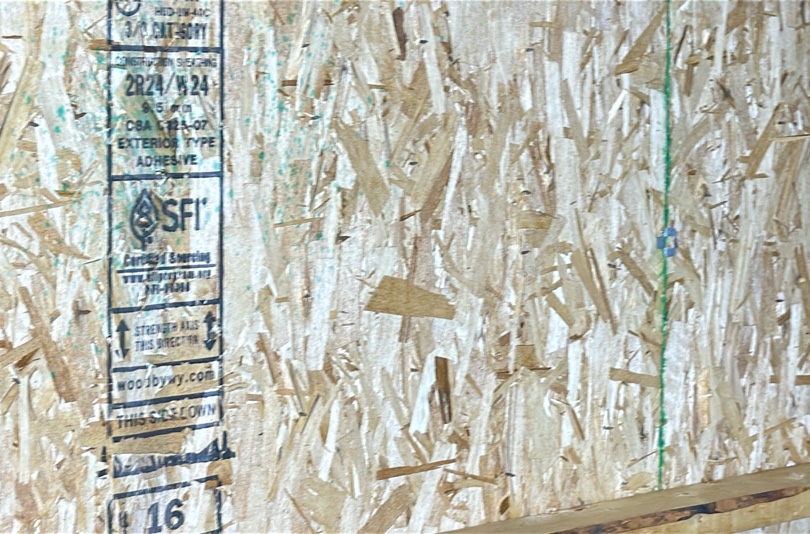
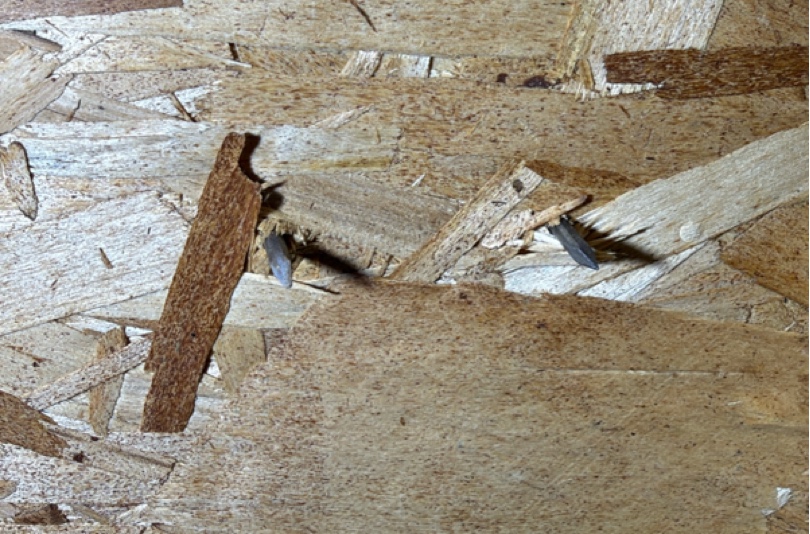
Observations include material type, fastening pattern, visible sagging or deflection, moisture staining, delam & signs of past or active deterioration.
|
|
|
|
|
|
⚠️ Attic Observations
1. Structure: Surface variation typical for age.
End Statement:
Routine monitoring & maintenance recommended to help maintain attic condition.
|
|
|
|

|
Suite / Property Focus
Overview
|
|
|
Attic Hatch Weatherstrip
|
|
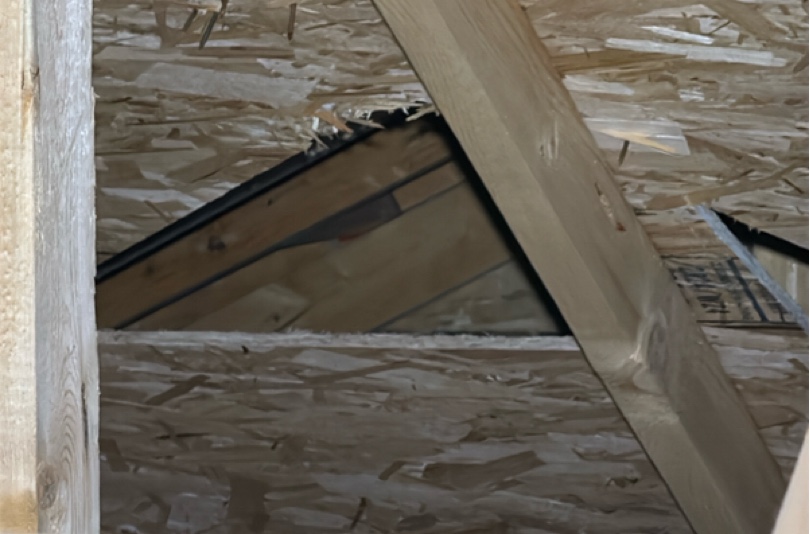
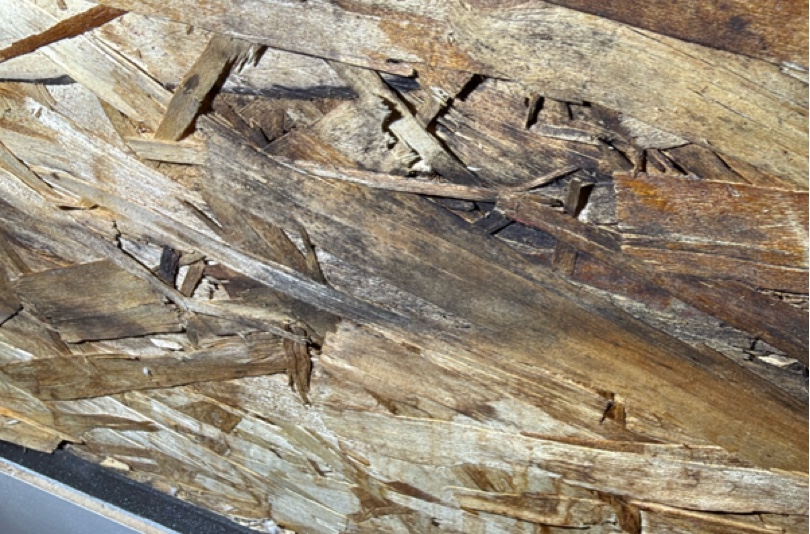
Sheathing / Roof Decking
Observations include material type, fastening pattern, visible sagging or deflection, moisture staining, delam & signs of past or active deterioration.
|
|
|
|
|
|
|
|
|
|
|
|
|
|
|
Support Photo
|
|
|
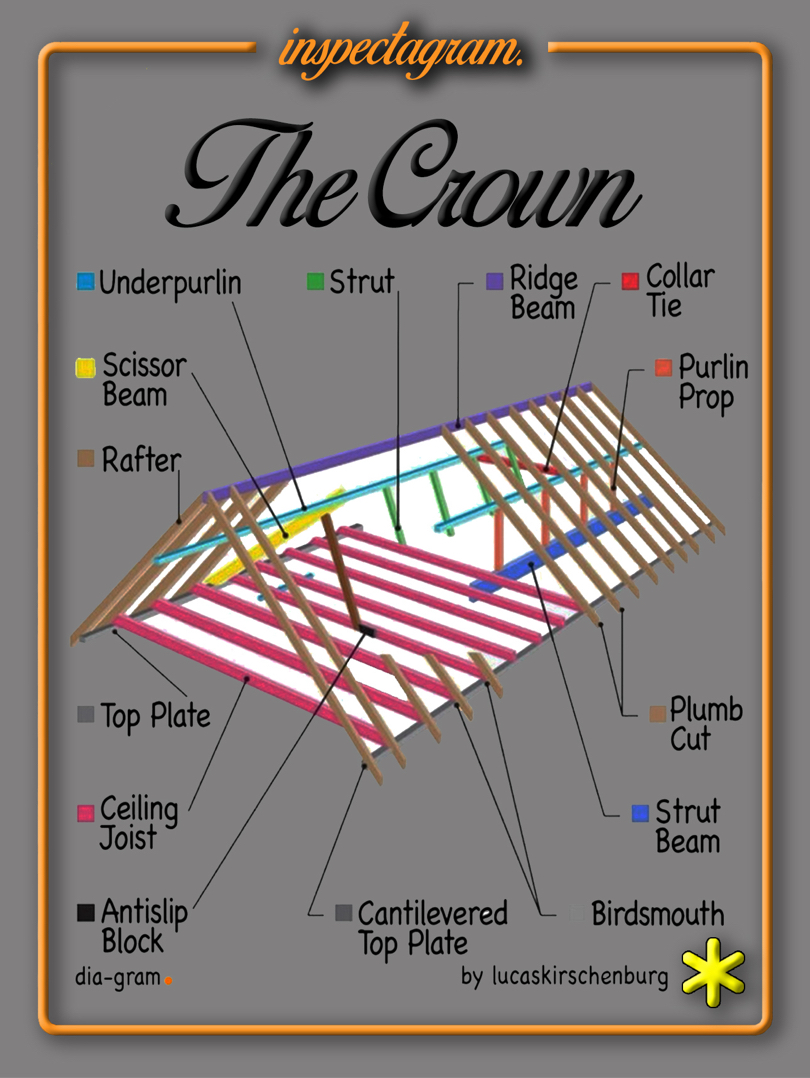
The Crown’
The roof structure of a home is composed of several critical elements. Rafters and trusses, made from wood or metal, form the skeleton of the roof, supporting the outer layers and shaping the roof’s slope and style. Sheathing, typically plywood or OSB, is attached to the rafters/trusses, providing a base for roofing materials. Underlayment, a water-resistant layer, is placed over the sheathing for added protection against moisture. The roof covering, which can be shingles, tiles, metal, or other materials, serves as the outermost barrier against weather elements. Flashing is used around vents, chimneys, and valleys to prevent leaks, and gutters are installed to channel water away from the structure.
|
|
|
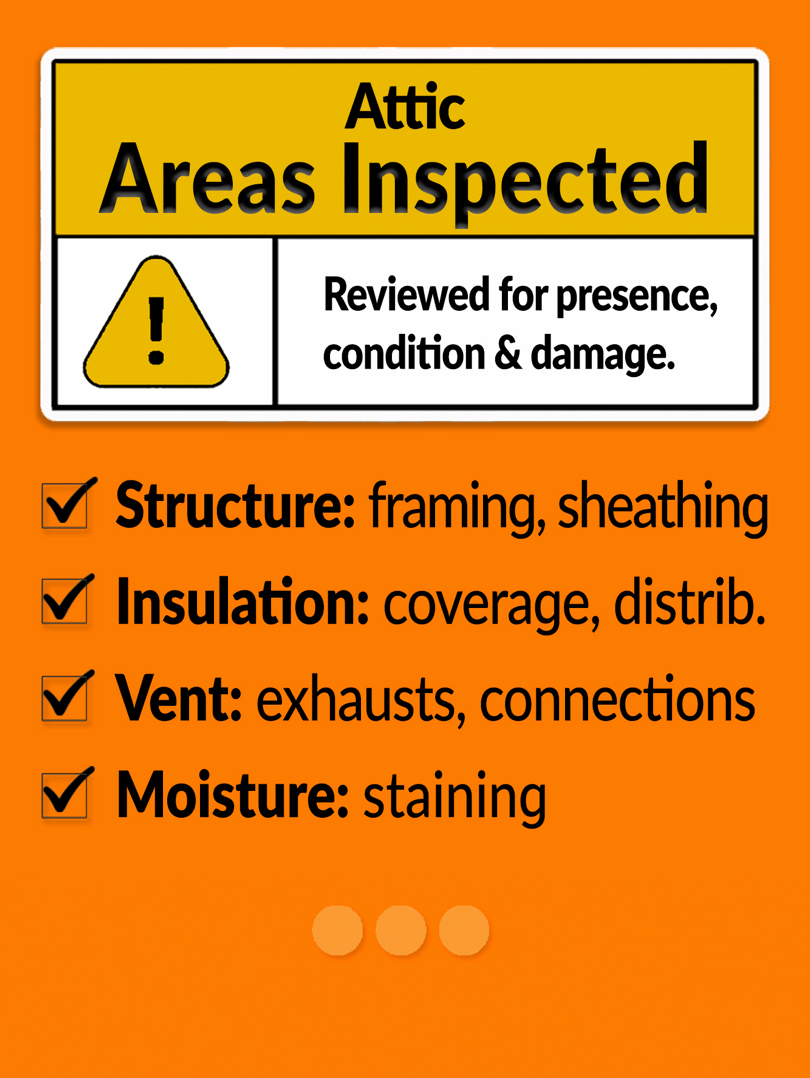
The Attic Baseline
Components are reviewed for presence, general condition, and visible signs of damage or deterioration where accessible. This includes visible roof framing, sheathing, insulation, ventilation components, attic access, and observable wiring or mechanical penetrations. Accessible areas are checked for moisture staining, microbial growth, pest activity, displaced or compressed insulation, and improper ventilation. The review is limited to observable conditions without moving insulation, dismantling components, or evaluating concealed framing, wiring, or roof coverings.
|
|
| I BACK TO SUMMARY |

|
|
|
|
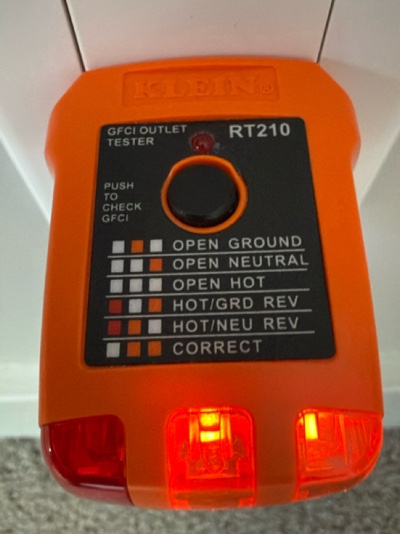
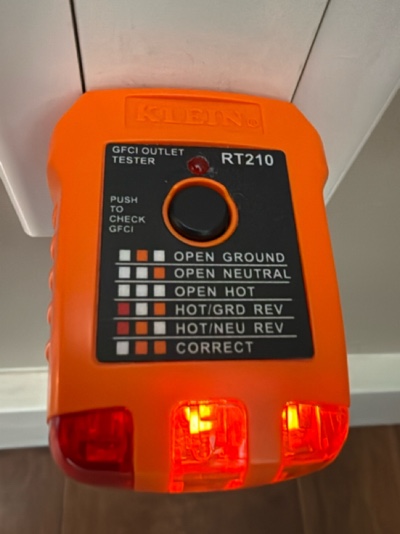
Outlet(s)
Inspected for operation, secure mounting, polarity, grounding, cover condition & visible wiring concerns.
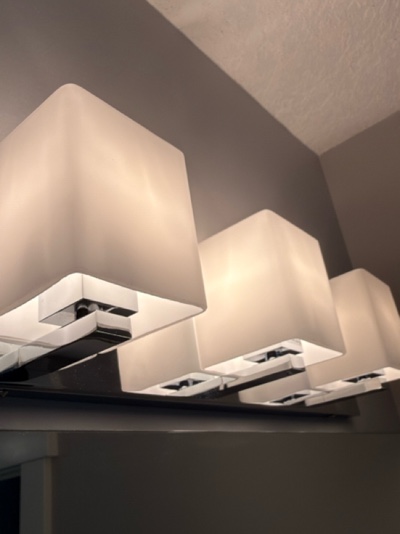
Interior Light(s)
Inspected for operation using normal switching procedures & visible deficiencies.
|
|
|
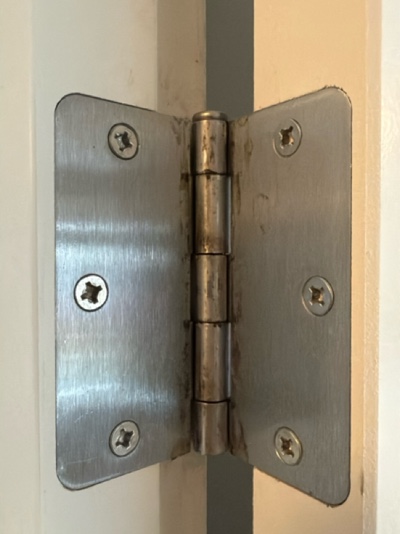
Door Hinge.
|
|
|
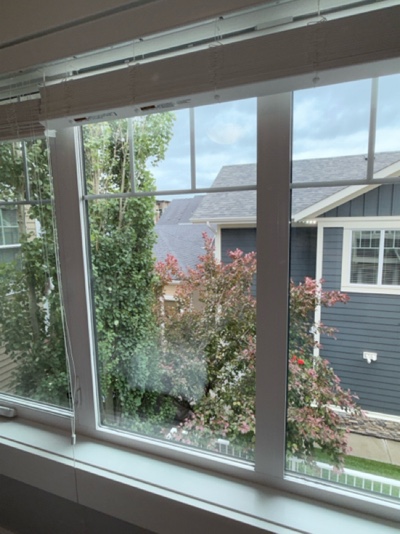
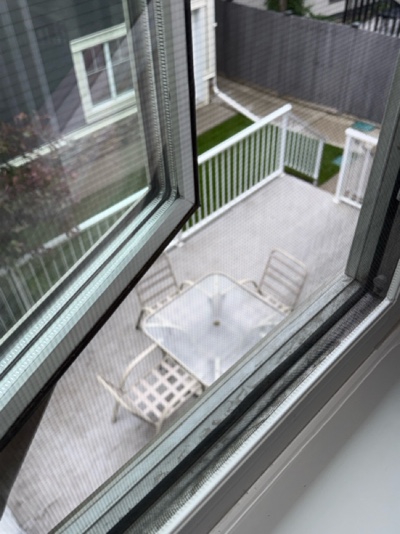
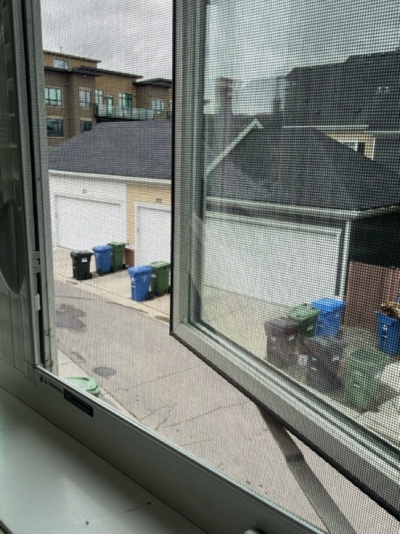
Interior Window(s) ⠀
Observations included glazing, operation, seals, & conditions affecting performance.
|
|
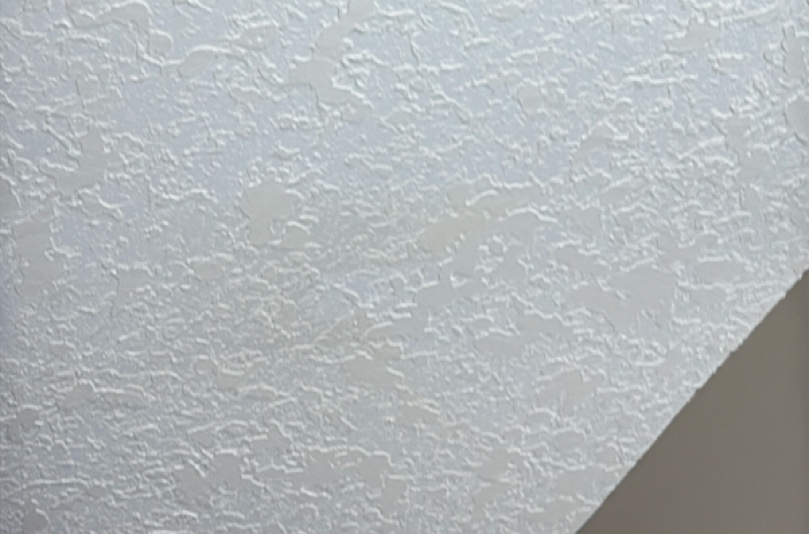
General Ceilings / Walls
Visually examined for common defects.
|
|
|
General Flooring
Visually examined for common defects.
|
|
|
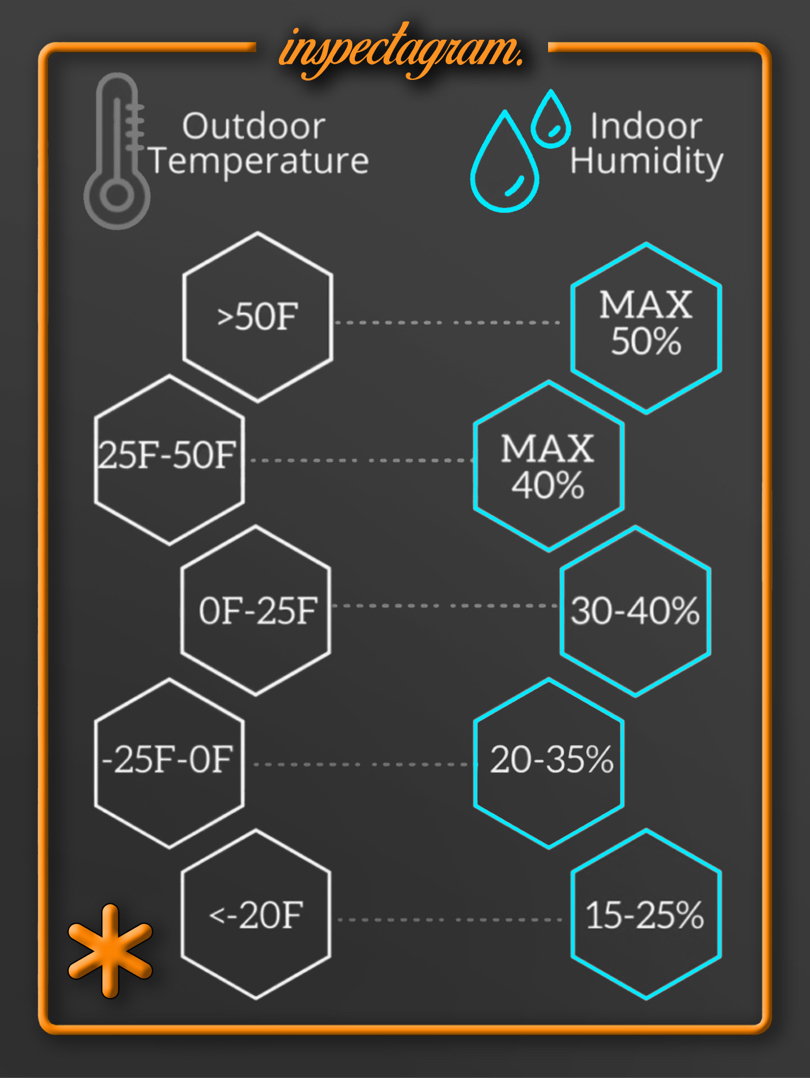
About Humidity’
Maintaining proper indoor relative humidity in winter is crucial to health and comfort. Cold air holds less moisture, leading to dry indoor air when heated. Optimal indoor humidity (30-50%) prevents respiratory issues, dry skin, and damage to wood furnishings. Balancing it with outdoor temperature prevents condensation on windows and mold growth, ensuring a healthy and comfortable living environment.
|
|
|
|
|
|
|
|
Suite / Property Focus
Overview
|
|
|
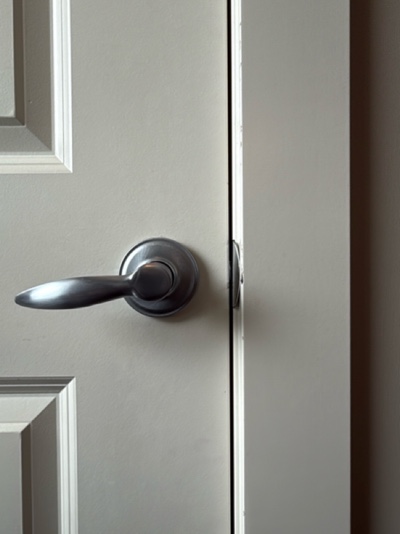
Interior Door(s) ⠀
Attention given to alignment, operation, hardware, hinges, latching, & indicators affecting use.
|
|
|
|
|
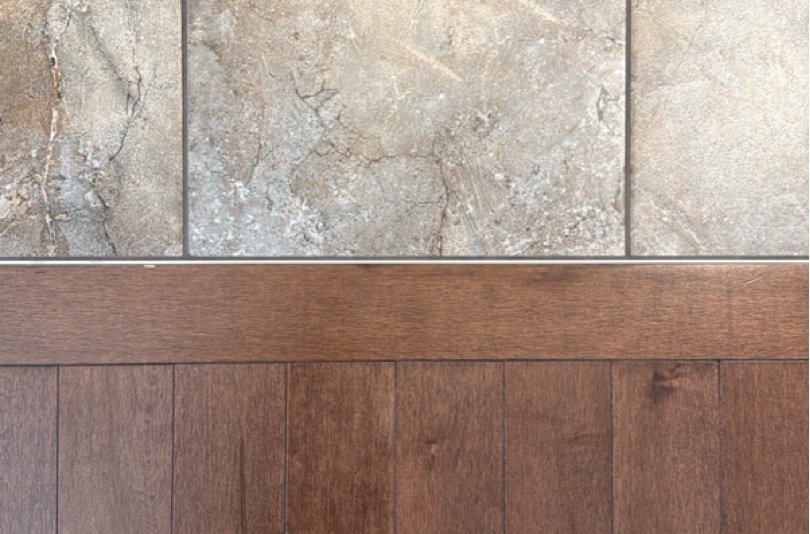
Flooring
We’re not here for flooring inspections, but we keep an eye out for significant issues.
|
|
|
⚠️ Suite Interior Obser.
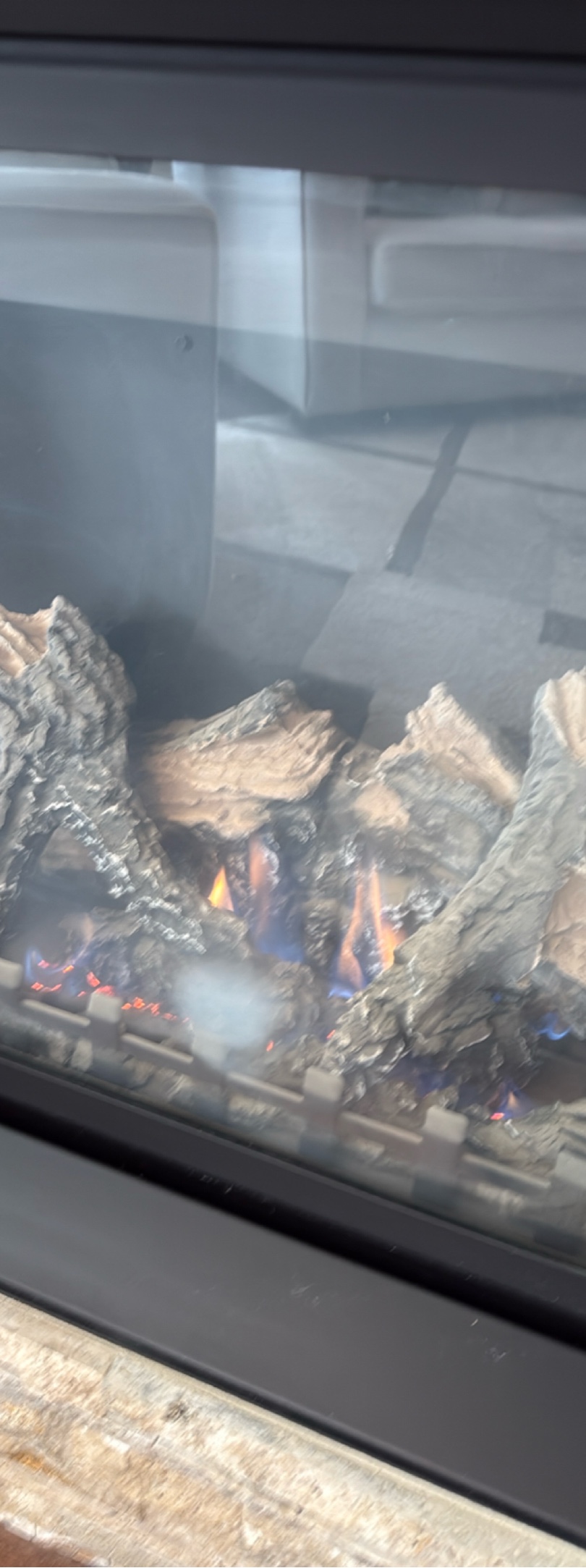
1. Areas covered by sellers belongings not inspected FE when clear. 2. Cosmetic deficiencies noted. Fix and improve to your preferences. 3. Carpet is matted, worn, and torn in areas. Repair or replacement is recommended. 4. Caulking is depleted at portions of the base trim. Re-caulking is recommended. 5. Evidence of past window condensation was noted, likely due to elevated humidity and/or limited ventilation. 6. The air conditioning system was not operating at the time of inspection. Sellers should disclose any known defects, repairs, or service history. 7. Evidence of past ceiling repairs was noted in the kitchen and a bedroom. 8. General wear and tear was observed throughout portions of the flooring. 9. Evidence of previous ceiling damage was noted. Moisture meter testing indicated dry conditions at the time of inspection with no elevated moisture detected. Sellers should disclose any known history of leaks or repairs. |
|
|
The Interior Baseline
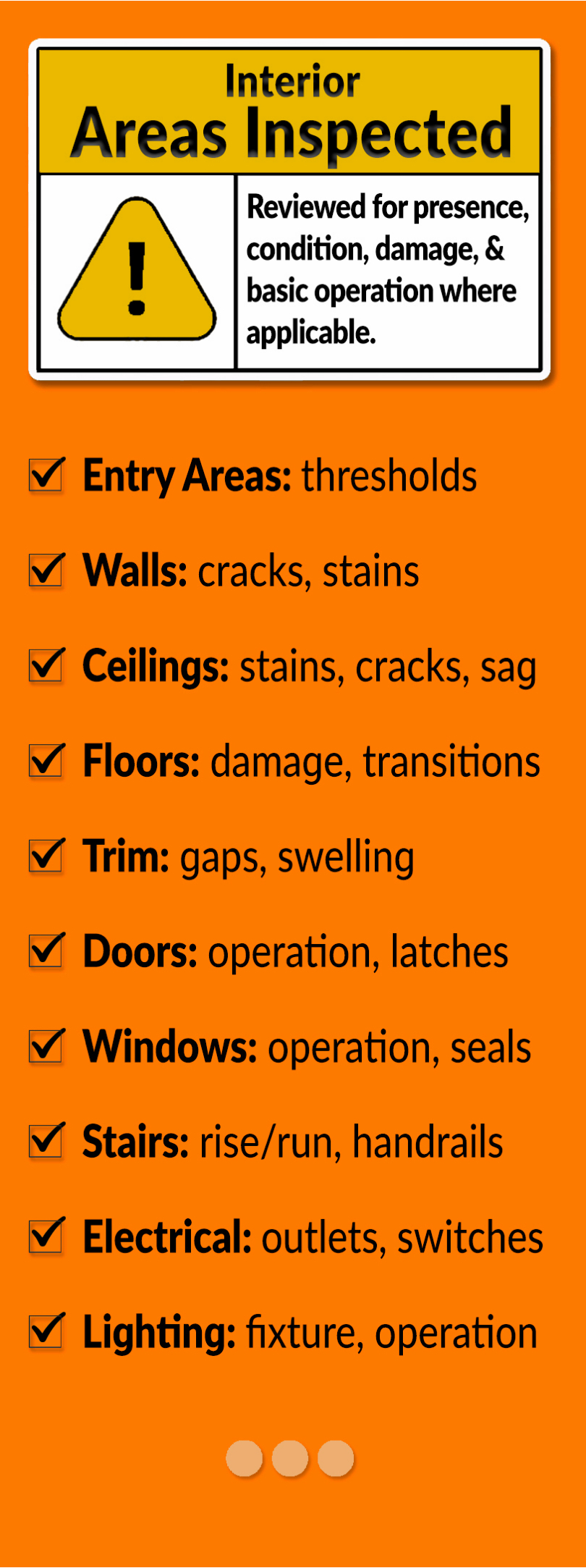
𝗜𝗻𝘁𝗲𝗿𝗶𝗼𝗿 – 𝗔𝗿𝗲𝗮𝘀 𝗜𝗻𝘀𝗽𝗲𝗰𝘁𝗲𝗱Interior components and finishes are reviewed for presence, general condition, visible damage, and basic operation where applicable. This includes commonly accessible areas and systems such as entry spaces, walls, ceilings, floors, trim, doors, windows, stairs, electrical components, lighting, life safety devices, heating and cooling distribution elements, and other visible interior features typically found within the living space of the home. |
|

|
|
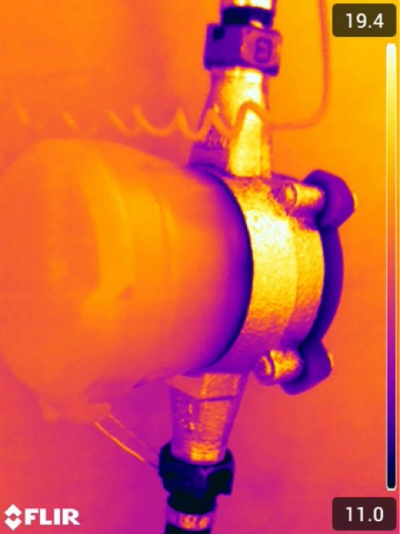
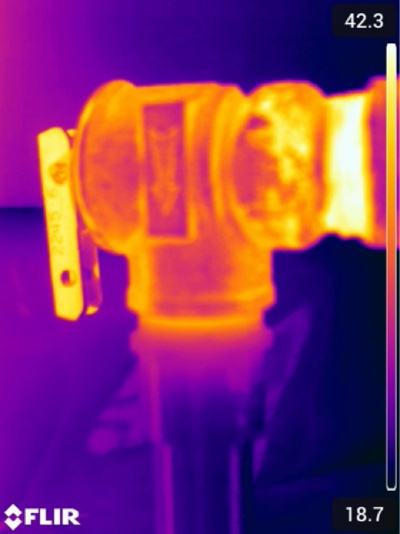
Thermal Heat Supply
|
|
|
Thermal Wall(s)
|
|
|
Thermal Window(s)
Thermal Door(s)
|
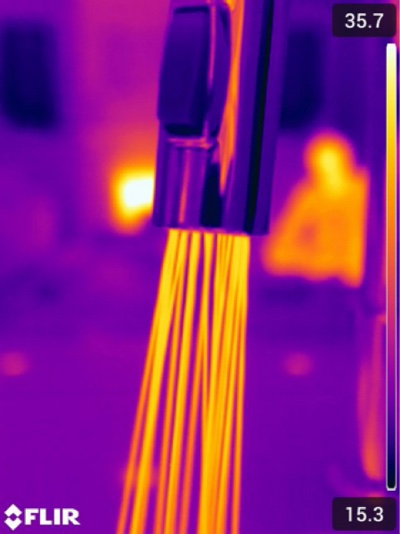
|
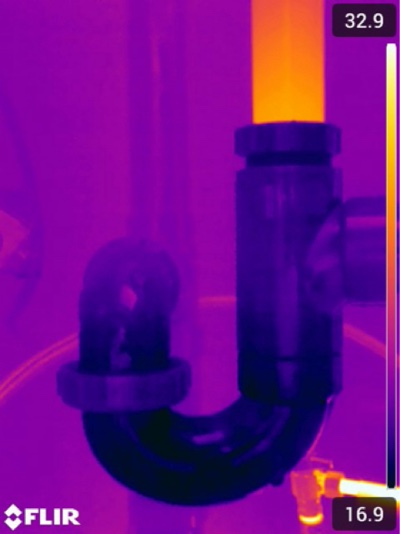
|
Hot Water Thermal
Thermal P-Trap(s)
|
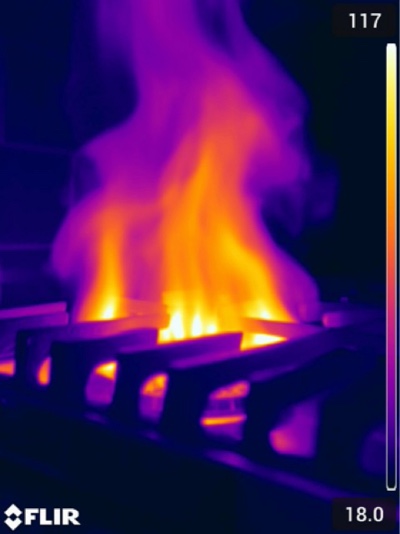
|
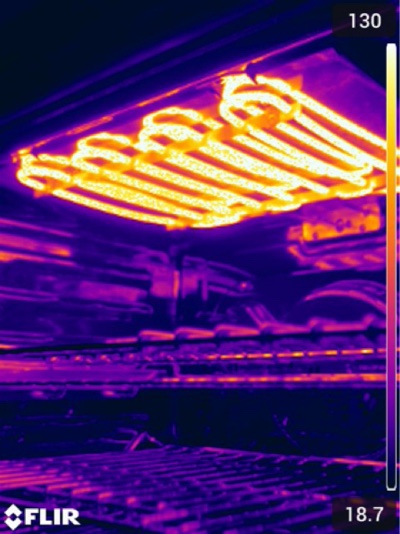
|
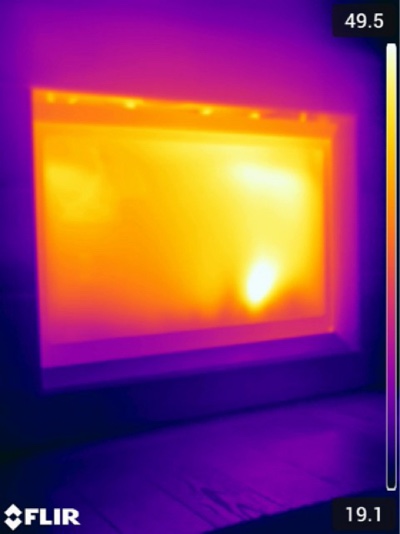
Stove Toos
Ovens
|
|
|
Fireplaces
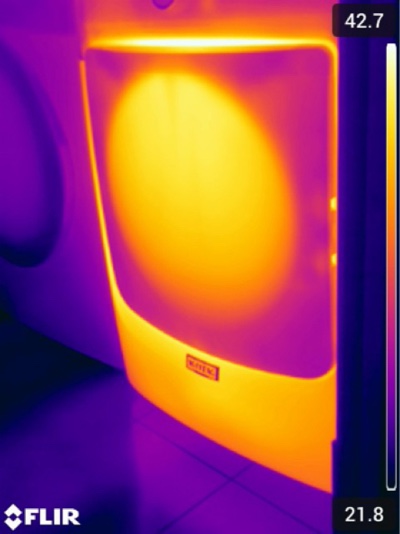
Dryers
|
|
|
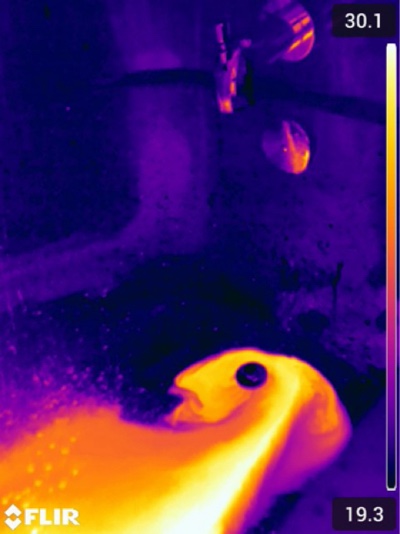
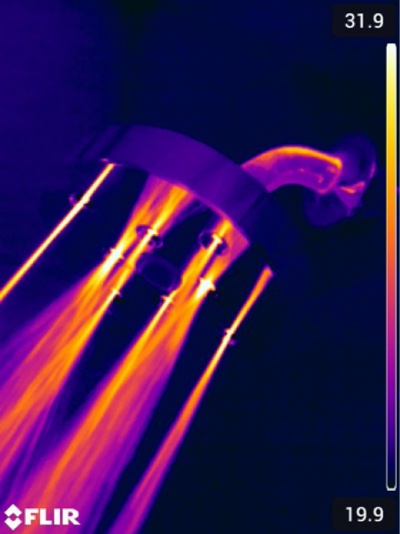
Drains
Fixtures
|
|
|
Basement Windows
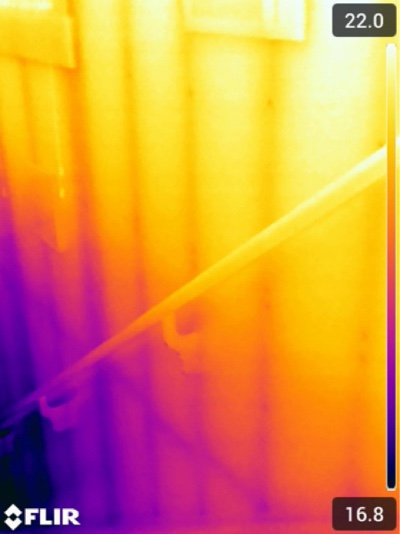
Tall walls
|
|
|
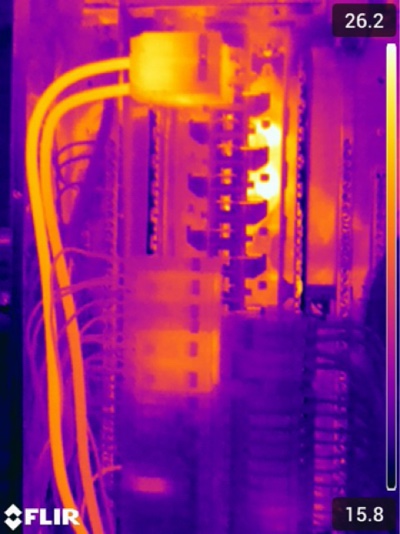
Panels
On Demand
|
|
|
Water Main
Tpr’s
|
|
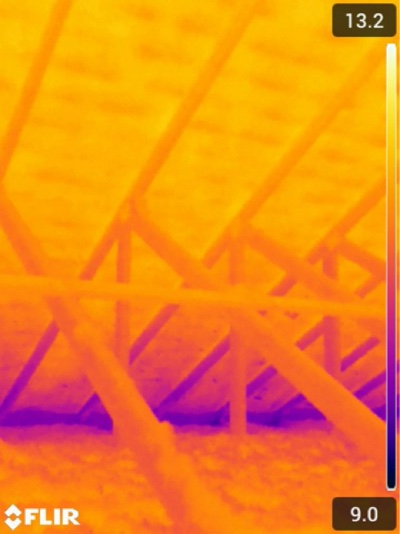
The Thermal Baseline
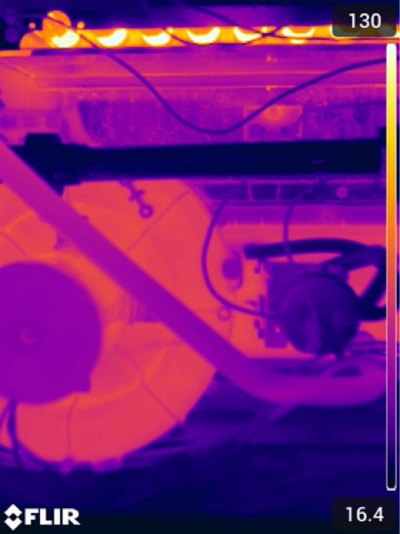
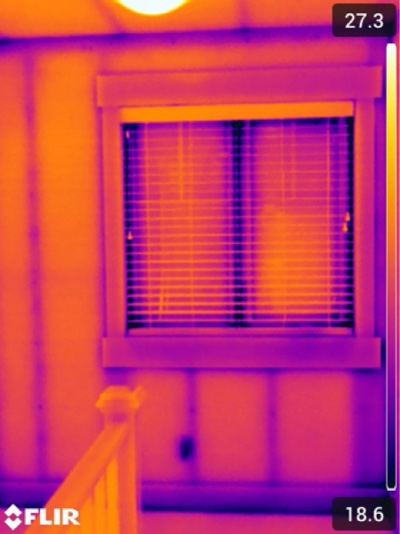
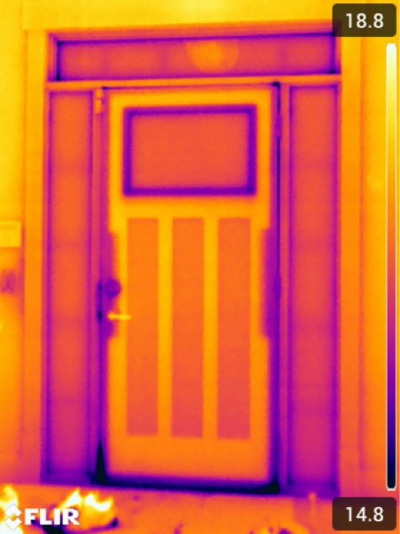
Observervations of surface temperature variations that may indicate areas of heat loss, moisture intrusion, or abnormal electrical or mechanical conditions where accessible. The review is limited to visible thermal patterns on exposed surfaces and does not determine the exact cause of temperature differences. Findings are influenced by environmental conditions, building materials, and time of day. This review does not include destructive testing, internal wall inspections, or verification of concealed components, and is limited to observable conditions at the time of inspection.
|
|
|
|
|
Attic Spaces
Overview
|
|
|
|
|
Garage Doors
|
|

|
Routine Maintenance Pays
This video is provided as a helpful reference to support everyday home care & maintenance. It highlights simple steps that can reduce common problems & may help avoid unnecessary repairs or expenses over time. Watching this video may make it easier to understand the small actions that help keep a home running smoothly.See video |
|
| K BACK TO SUMMARY |

|
|
|
|
Kitchen Outlet(s)
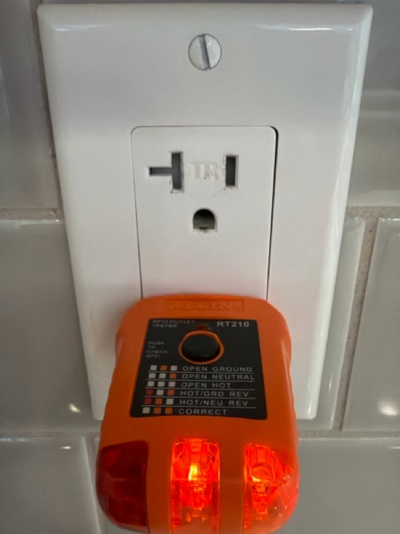
Inspected for secure mounting, GFCI protection, polarity, grounding, cover condition & visible wiring concerns affecting safe use.
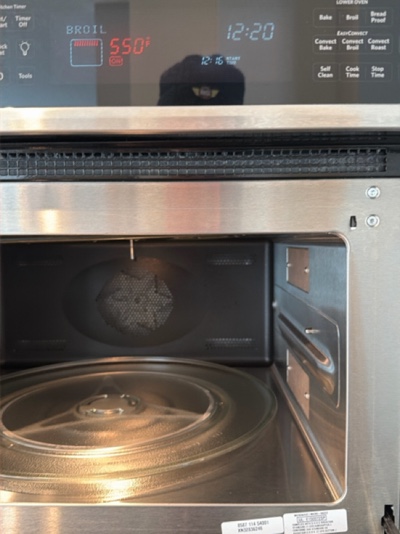
Microwave(s) ⠀
|
|
|
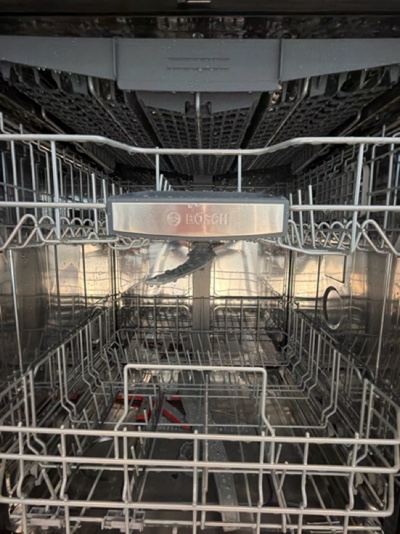
Dishwasher(s)
Inspected for operation, mounting, drainage & leakage indicators during short cycle.
|
|
|
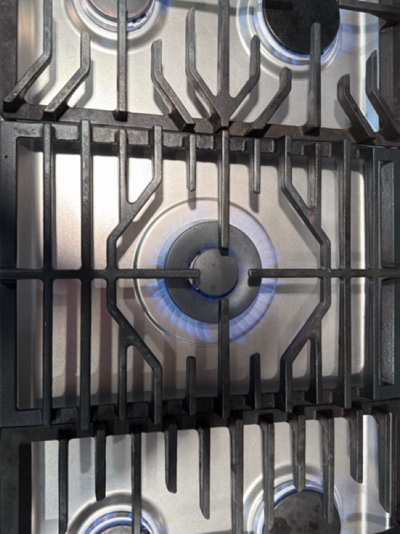
Stovetop(s) / Cooktop(s)
Inspected for basic operation, burner function, surface condition & safety concerns.
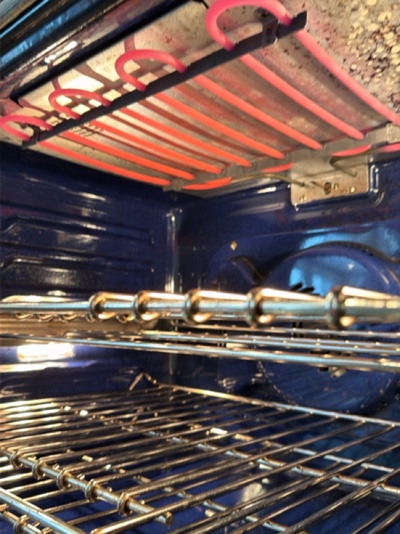
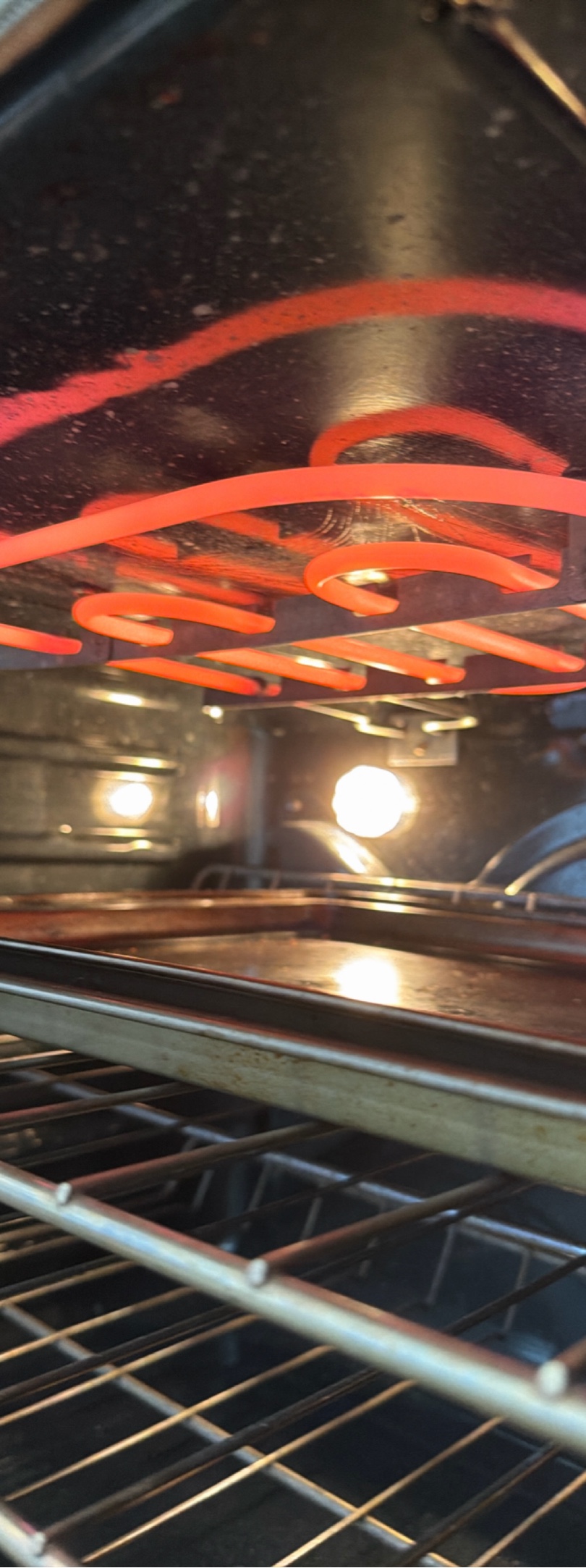
Oven(s)
Inspected for operation, interior condition, door sealing & visible safety concerns.
|
|
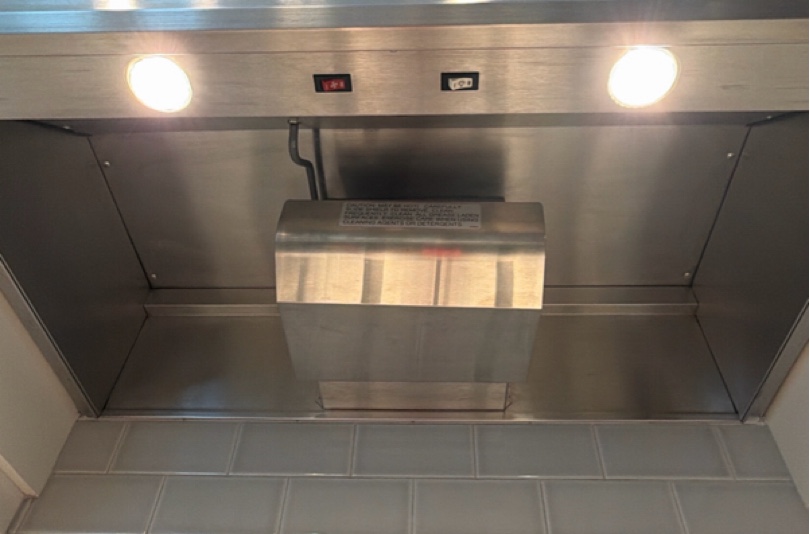
Hood Fan(s) / OTR
Attention was given to general operation, connections, & ventilation path where visible.
|
|
|
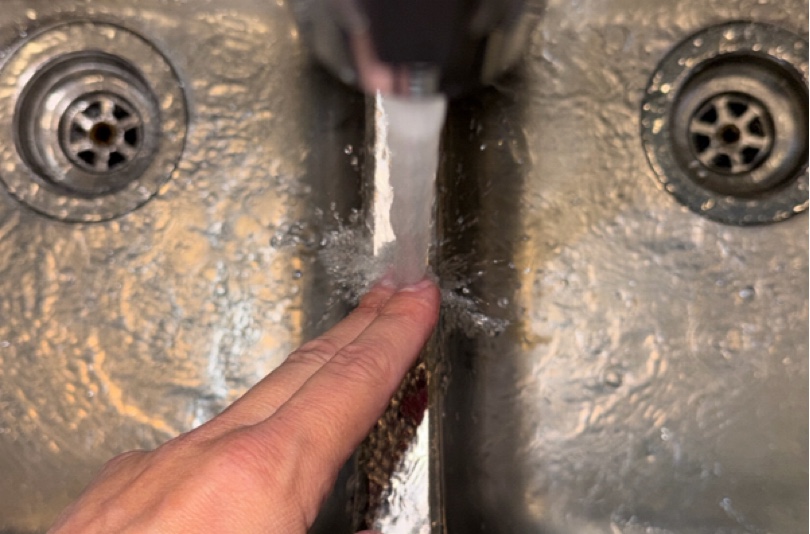
Kitchen Faucet(s), Sink(s) & Drain(s)
Reviewed, focused on operation, temperature, mounting, drainage, odors & leakage indicators.
|
|
|
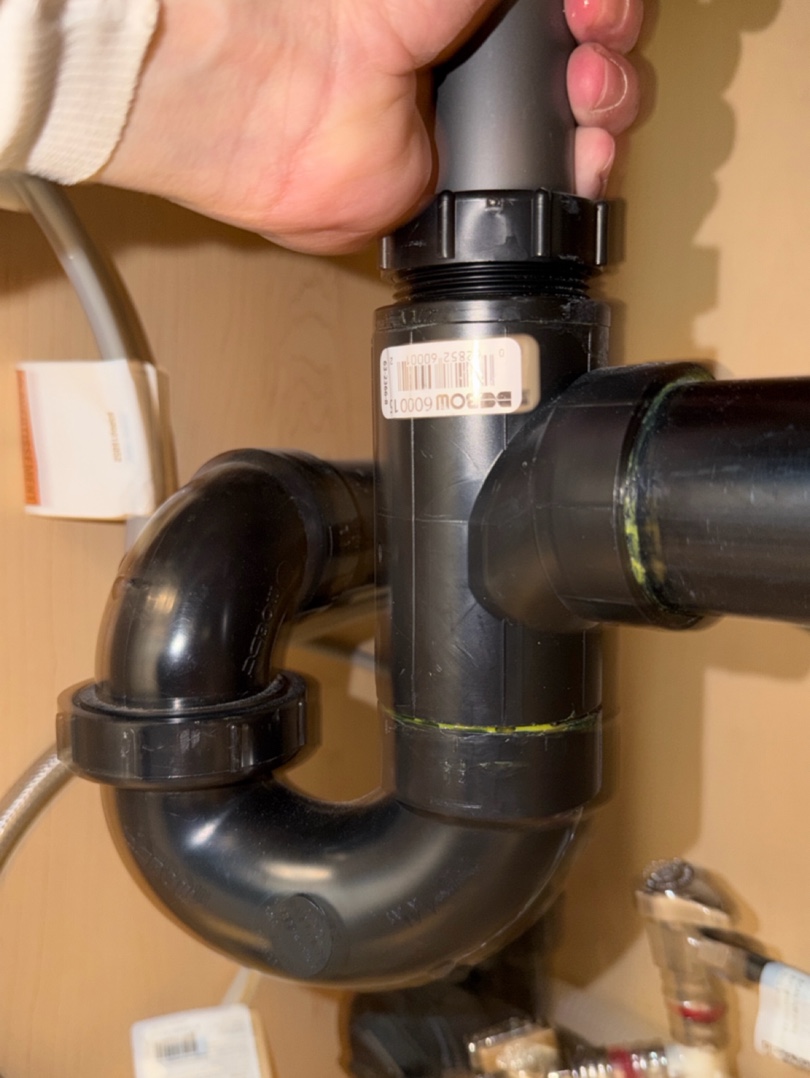
Kitchen P-Trap(s)
Checked for drainage, trap configuration, connection security, leakage indicators & visible corrosion.
|
|
|
|
|
|
|
|
|
|
|
|
Backsplash / Counter
|
|
|
|
|
Suite / Property Focus
Overview
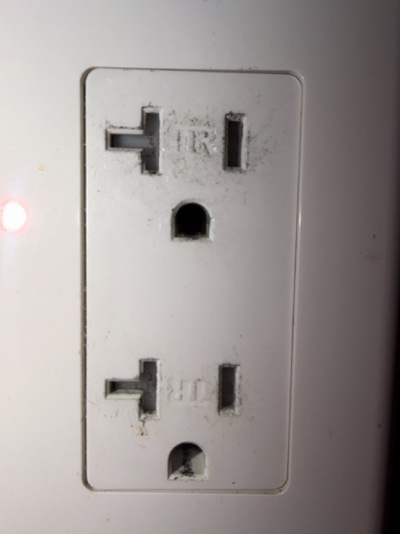
Kitchen Outlet(s)
Inspected for secure mounting, GFCI protection, polarity, grounding, cover condition & visible wiring concerns affecting safe use.
|
|
|
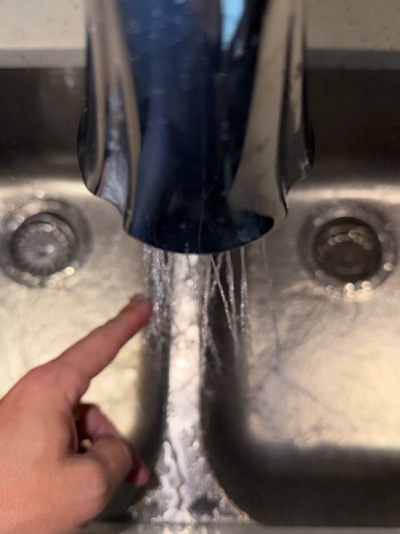
Kitchen Faucet(s), Sink(s) & Drain(s)
Reviewed, focused on operation, temperature, mounting, drainage, odors & leakage indicators.
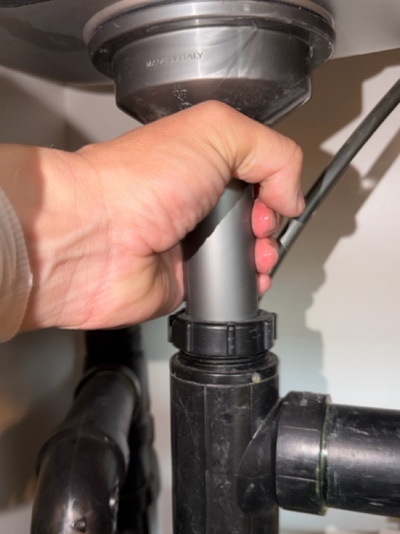
Kitchen P-Trap(s)
Checked for drainage, trap configuration, connection security, leakage indicators & visible corrosion.
|
|
|
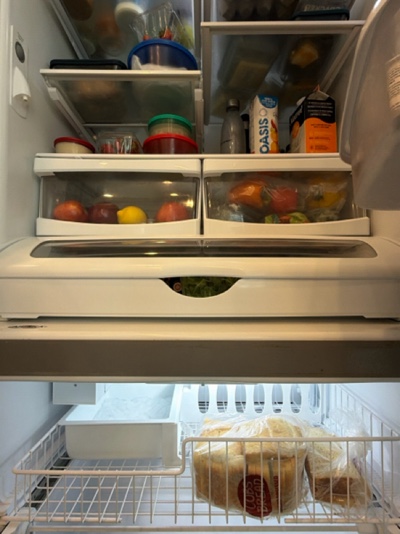
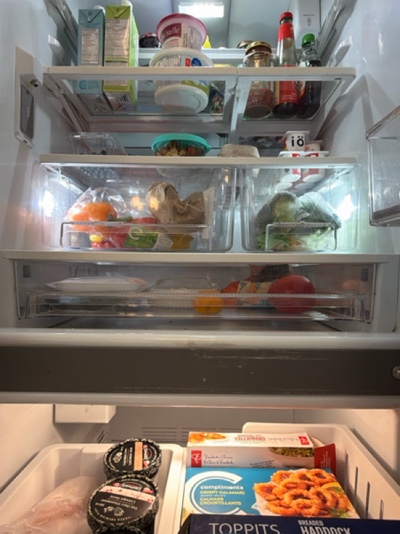
Refrigerator(s)
Inspected for operation, temperature control, door seal condition, water line connections, drainage, and general installation.
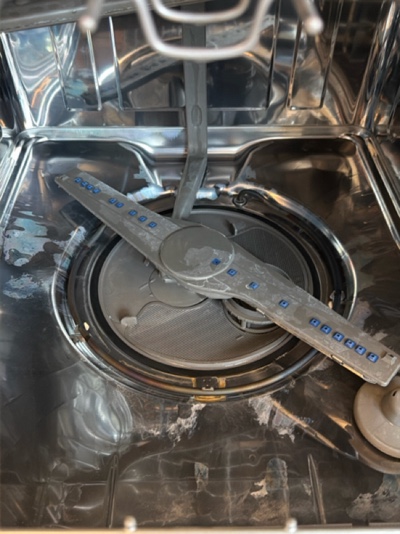
Dishwasher(s)
Inspected for operation, mounting, drainage & leakage indicators during short cycle.
|
|
|
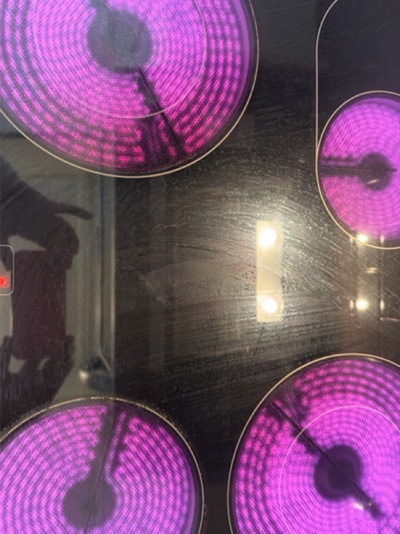
Stovetop(s) / Cooktop(s)
Inspected for basic operation, burner function, surface condition & safety concerns.
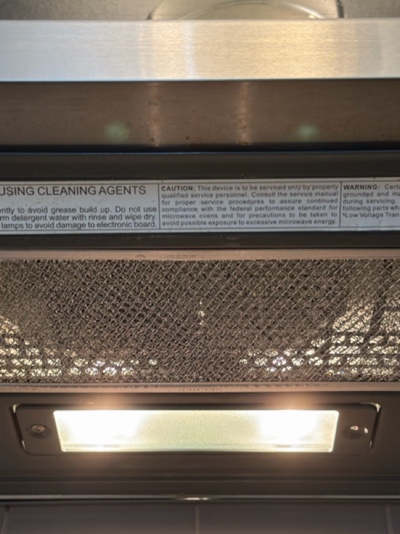
Hood Fan
A range hood removes fumes, smoke, heat, etc from above the stove when cooking.
|
|
|
|
|
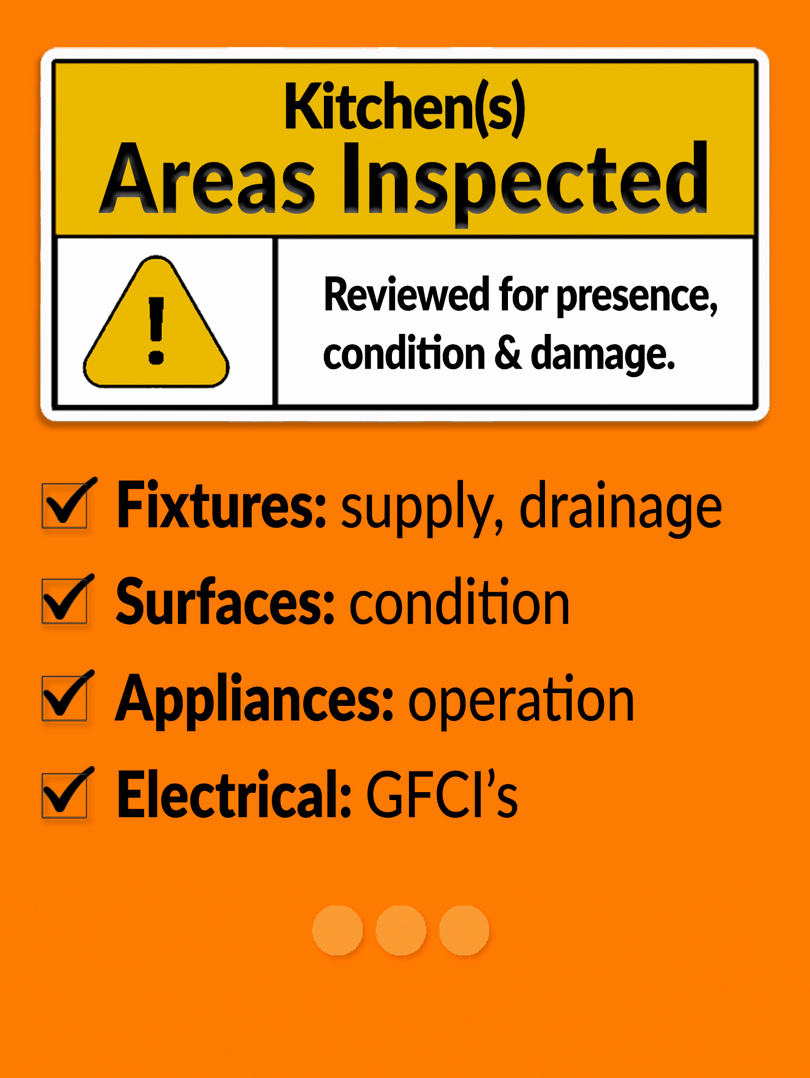
The Kitchen Baseline
Components are reviewed for presence, general condition, and visible signs of damage or deterioration where accessible. This includes cabinetry, countertops, sinks, faucets, visible plumbing connections, built-in appliances, wall and ceiling finishes, and accessible electrical outlets. Accessible areas are checked for leaks, staining, loose or damaged finishes, improper clearances, and signs of moisture intrusion. The review is limited to observable conditions without moving appliances, dismantling components, or evaluating concealed plumbing, electrical, or ventilation systems.
|
|
|
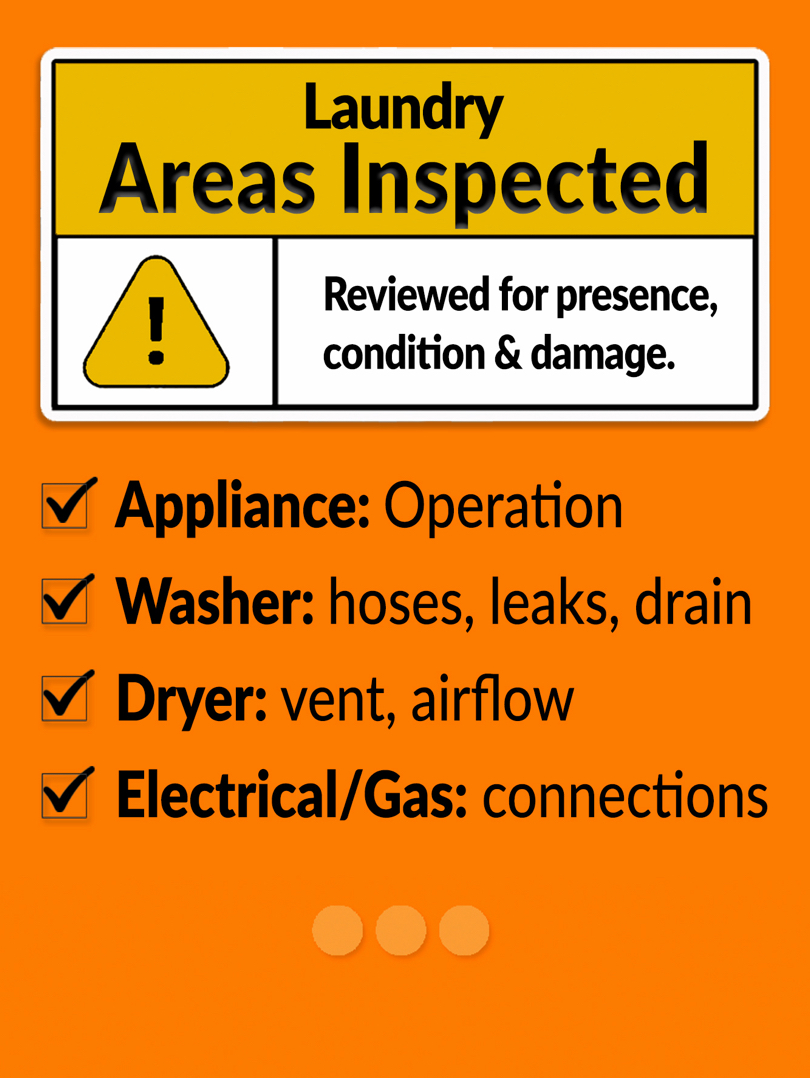
The Laundry Baseline
Components are reviewed for presence, general condition, and visible signs of damage or deterioration where accessible. This includes cabinetry, countertops, sinks, faucets, built-in appliances, visible plumbing connections, wall and ceiling finishes, and accessible electrical receptacles. Accessible areas are checked for leaks, staining, loose or damaged finishes, improper clearances, and signs of moisture intrusion. The review is limited to observable conditions without moving appliances, dismantling components, or evaluating concealed plumbing, electrical, or ventilation systems.
|
|
| L BACK TO SUMMARY |

|
Both House & Suite
|
|
|
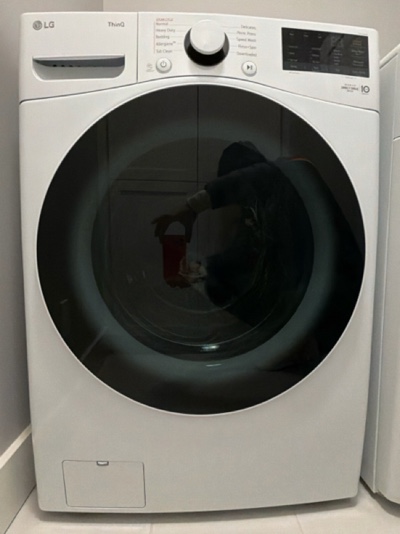
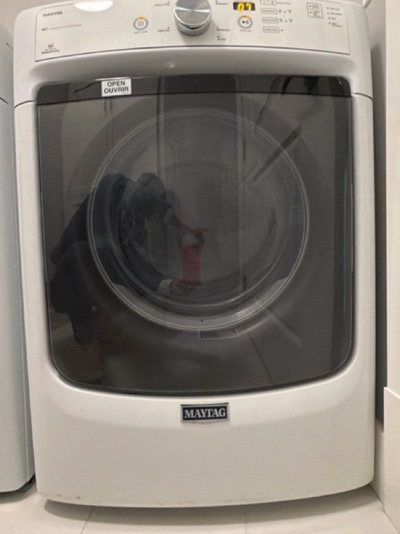
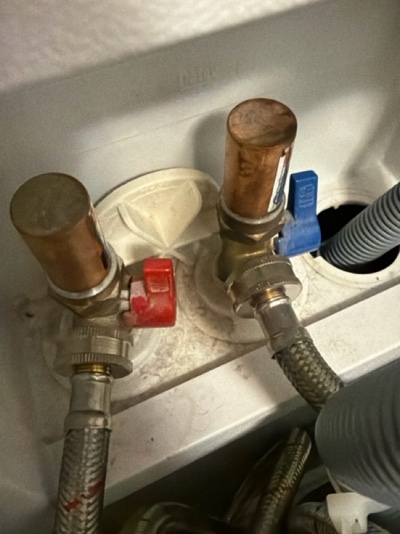
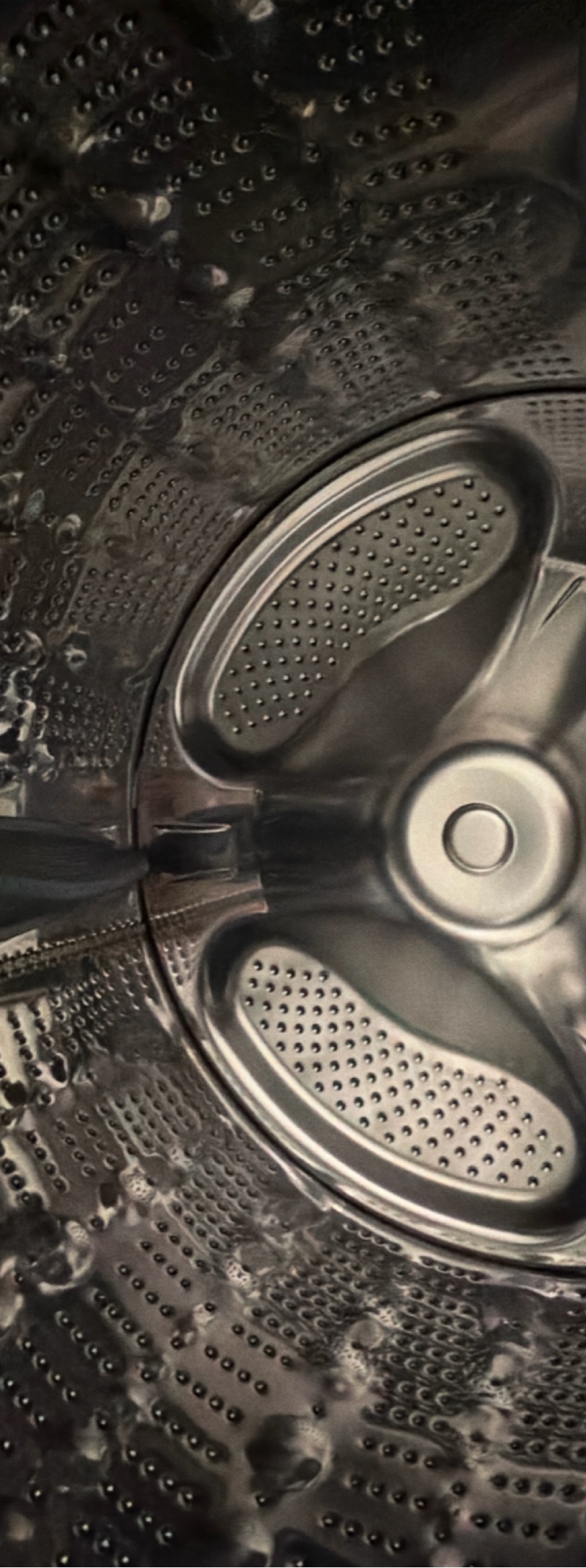
Laundry Washer Machine
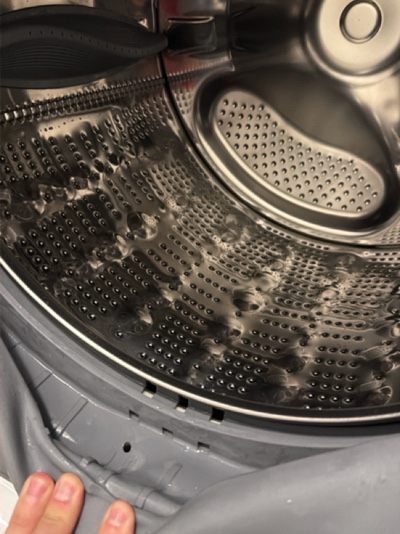
Reviewed, focused on plumbing connections, hoses, drains, seals & visible leakage.
Inside The Washer
|
|
|
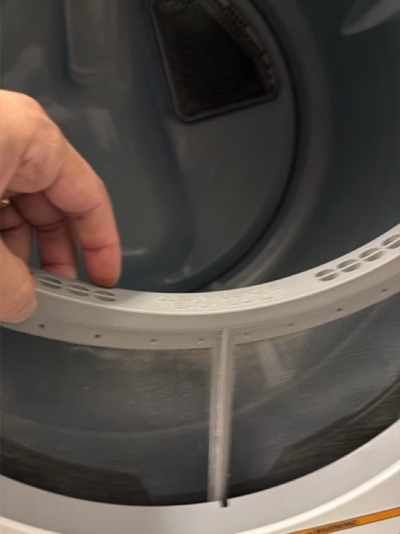
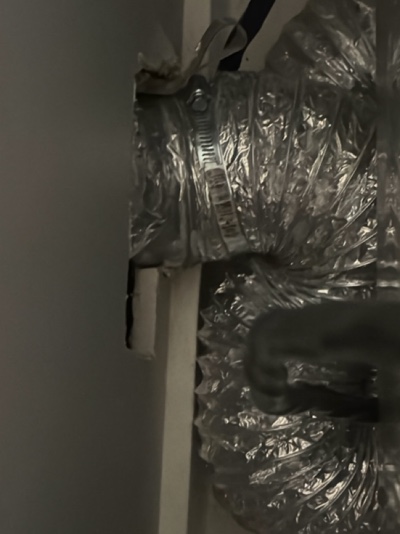
Laundry Dryer(s).
Attention given to operation, temperature variance, vent connections & lint accumulation.
Inside The Dryer
|
|
|
VENT - VENT - VENT
Door & drawer OPEN to let moisture escape & prevent organic growth.
RISK Reduction
Check behind the washer for leaks regularly, and shut off the water when away on vacation.
|
|
⚠️ Laundry Observations
1. Surfaces: Minor lint, scuffs & moisture-related wear consistent with routine use.
End Statement:
Maintain with routine cleaning, lint control, ventilation care & periodic checks of connections & hardware.
|
|
| B BACK TO SUMMARY |

|
|
|
|
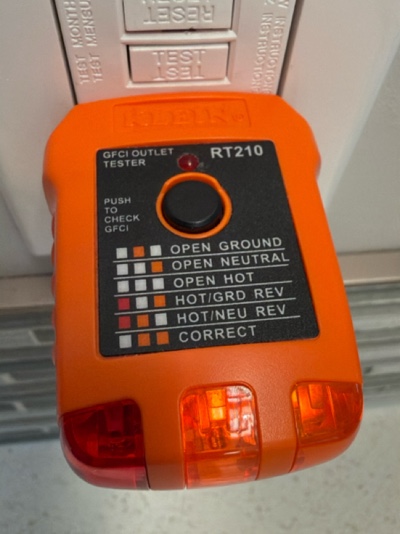
Bathroom Outlet(s)
Tested for anomalies.
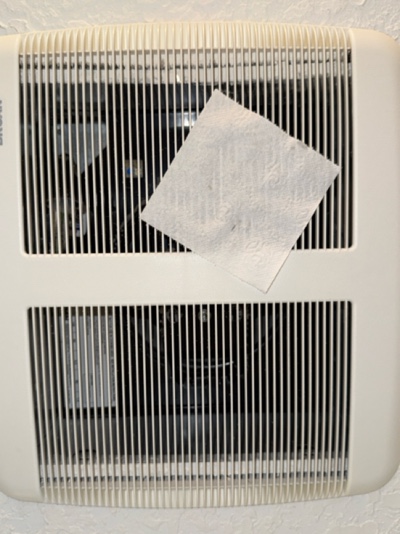
Bathroom Extraction Fan(s)
Observations included basic operation & airflow response using simple draw testing.
|
|
|
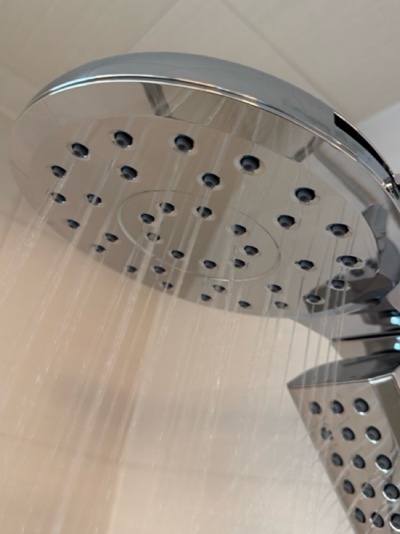
Overview Shower / Surround
Focused on fixtures, connections, operation, overflows & surrounds.
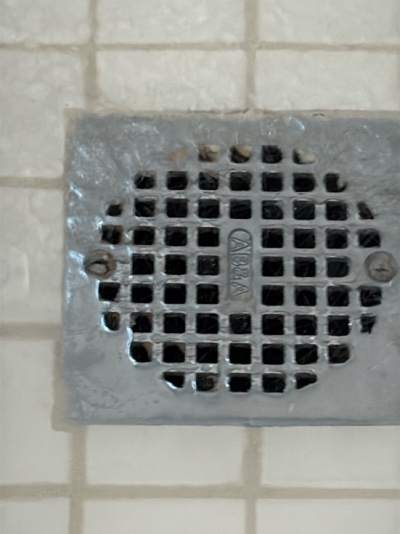
Plumbing Floor Drain(s)
Observations included drainage flow, blockage signs, backups, odors & leakage indicators.
|
|
|
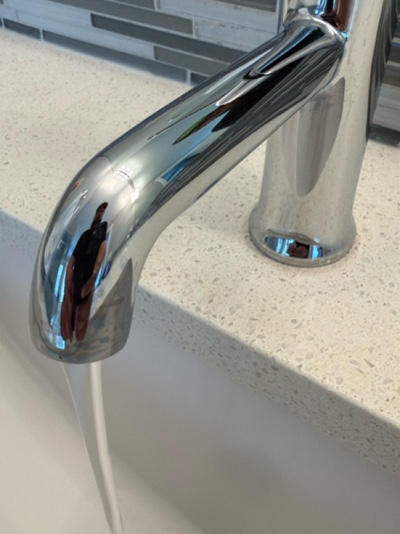
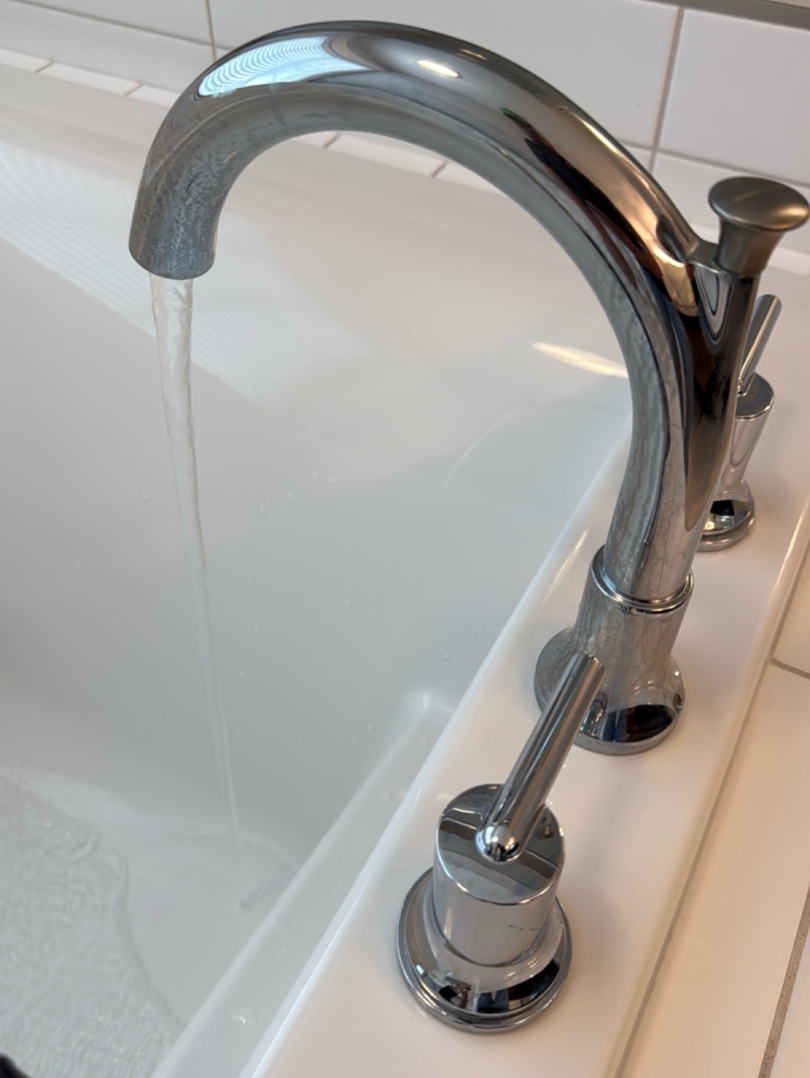
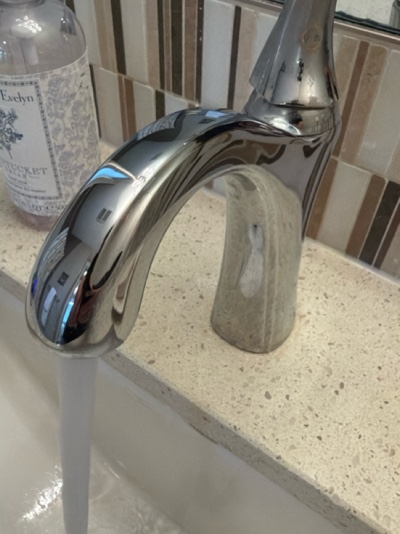
Bathroom Water Faucet(s)
Operated to assess function, flow, mounting, sealing & signs of leakage, corrosion, or wear.
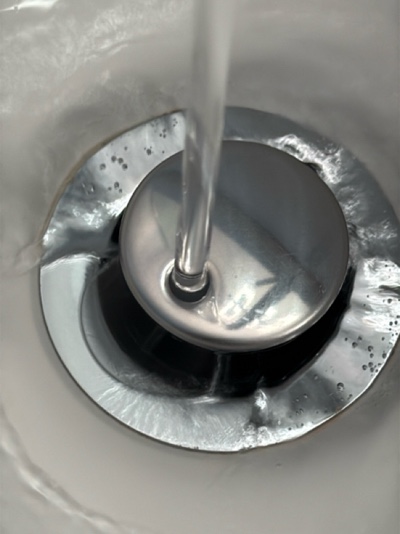
Bathroom Sink Drain(s)
|
|
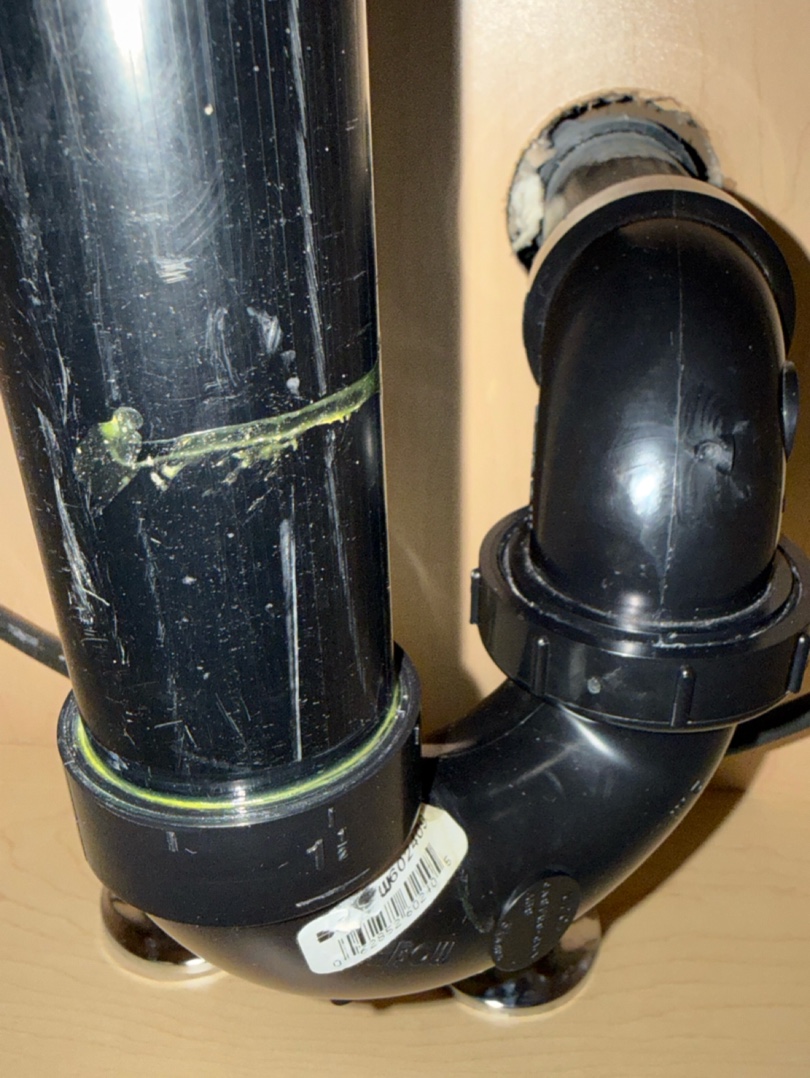
Bathroom P-Trap(s)
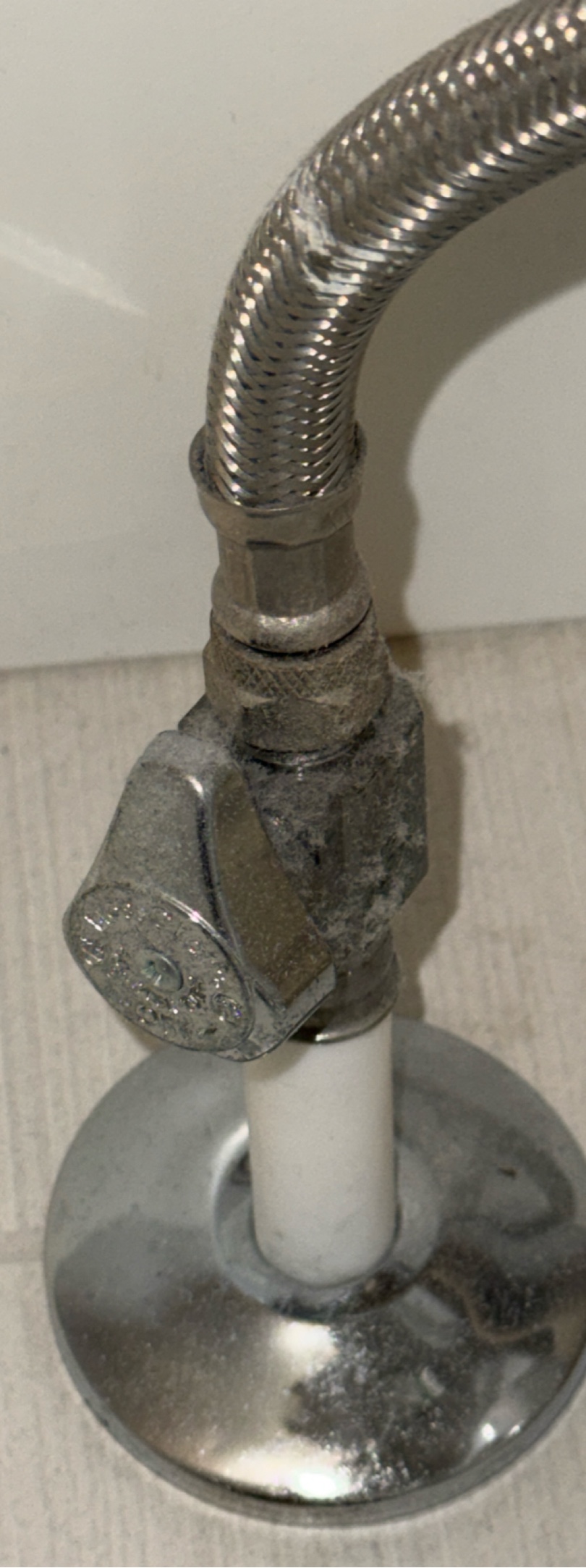
Checked for drainage, trap configuration, connection security, leakage indicators & visible corrosion.
|
|
|
|
|
|
General Ceilings / Walls
Visually examined for common defects.
|
|
|
General Flooring
Visually examined for common defects.
|
|
|
Bathtub & Surround(s)
Inspected for condition, secure installation, functional drainage, faucet operation, and visible signs of leaks, cracks, damage, or deteriorated sealant at accessible areas.
|
|
|
|
|
|
|
|
Suite / Property Focus
Overview
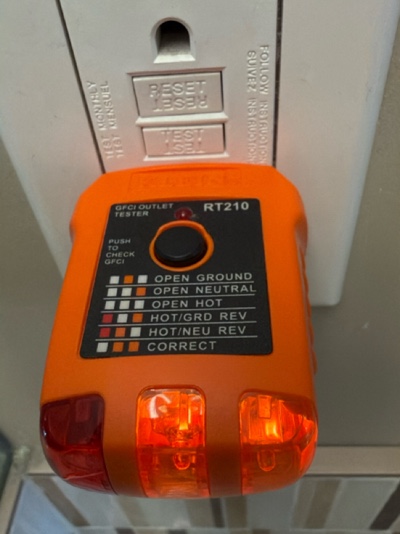
Bathroom Outlet(s)
Tested for anomalies.
|
|
|
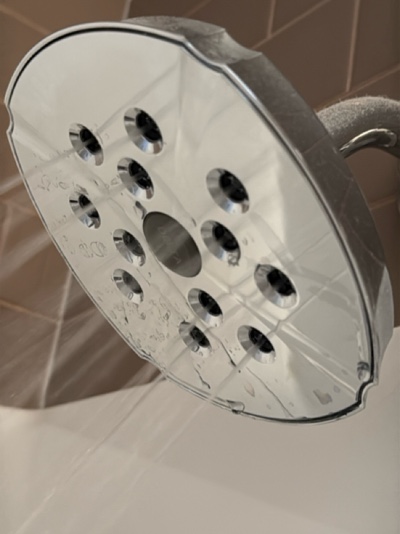
Overview Shower / Bathtub
Focused on fixtures, connections, operation, overflows & surrounds.
|
|
|
|
|
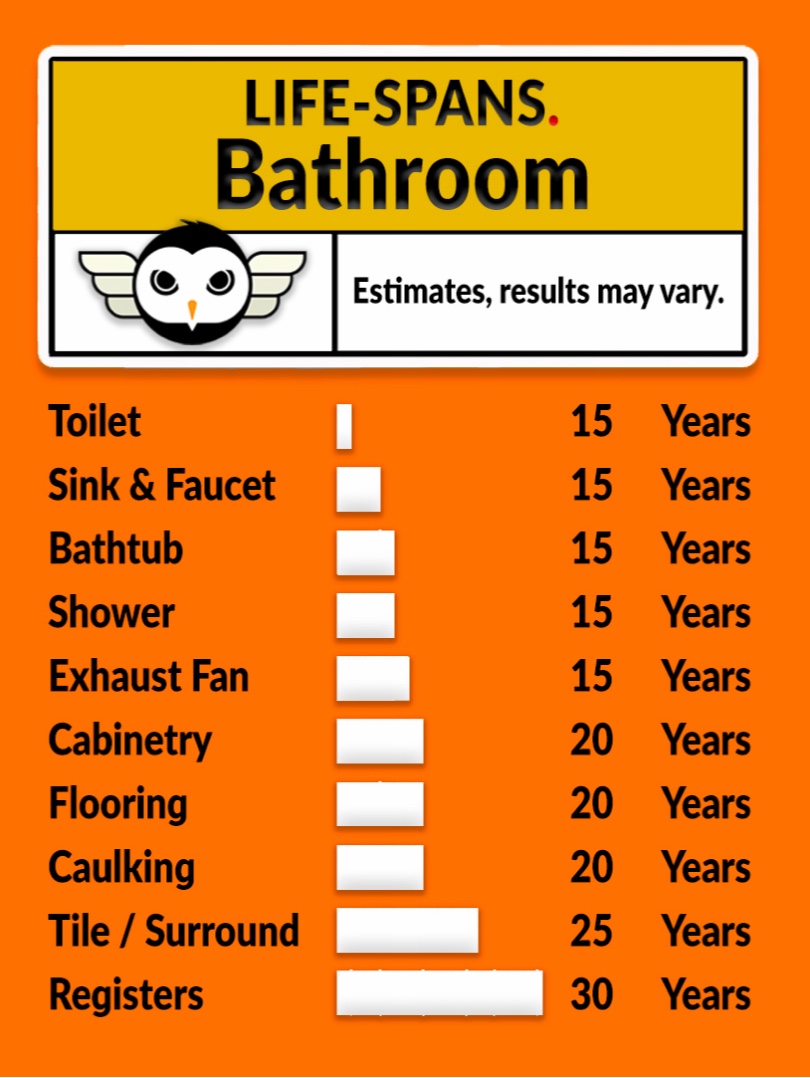
Bathroom Lifespans
Provides rough lifespan ranges under normal use, including bathroom components. Actual performance may vary based on moisture, ventilation, usage & maintenance. Values are general guidance only.
|
|
|
The Bathroom Baseline
Components are reviewed for presence, general condition, and visible signs of damage or deterioration where accessible. This includes cabinetry, countertops, sinks, faucets, visible plumbing, appliances, wall and ceiling finishes, and electrical receptacles. Accessible areas are checked for leaks, staining, loose or damaged finishes, improper clearances, and signs of moisture intrusion. The review is limited to observable conditions without moving appliances, dismantling components, or evaluating concealed plumbing, electrical, or ventilation systems.
|
|
| M BACK TO SUMMARY |

|
|
|
|
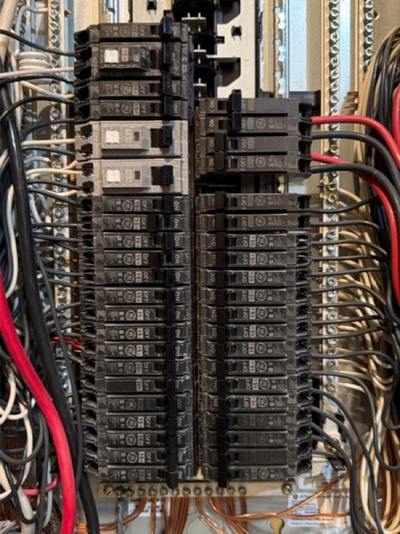
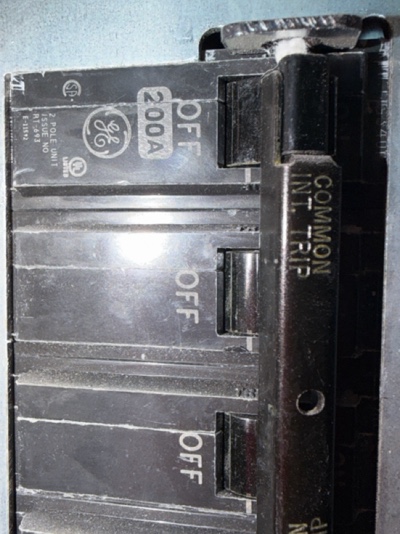
Electrical Panel(s) ⠀
Assessing breakers, wires, bond, 30" clearance, corrosion & damage. See also Insurance Section.
The Main AMP
Generally, this will shut down everything! Designed to interrupt a large amperage load.
|
|
|
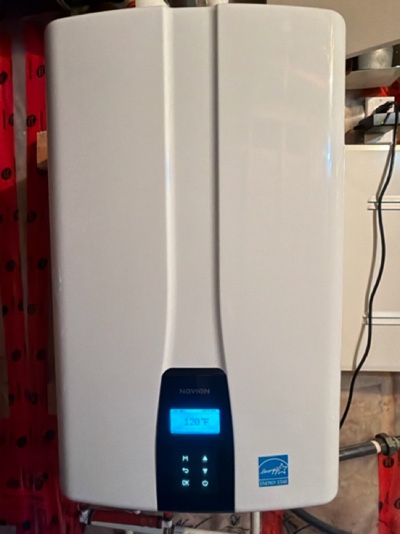
Hot Water Unit(s) ⠀
Attention was given to unit mounting, venting, safety components, temperature controls & visbile operation.
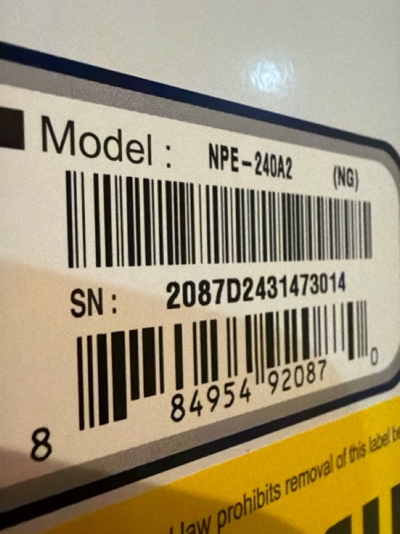
Hot Water Data
Unit detail(s). See also Insurance Section.
|
|
|
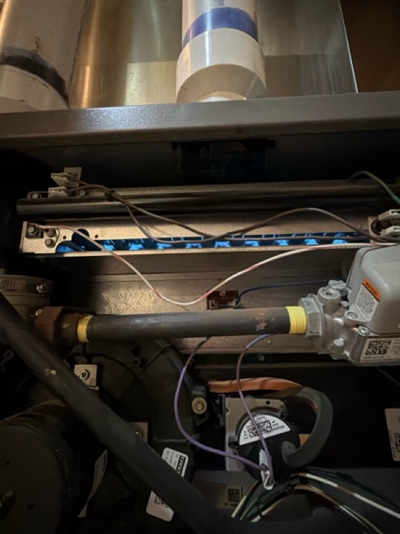
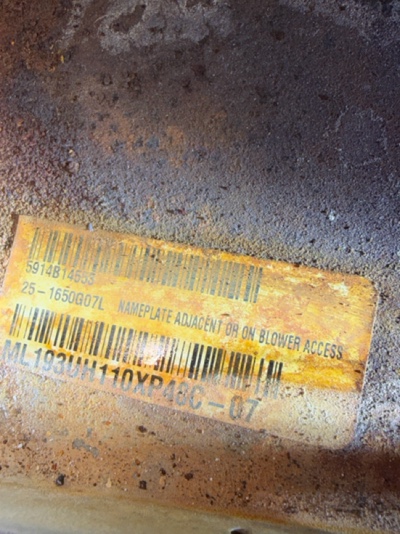
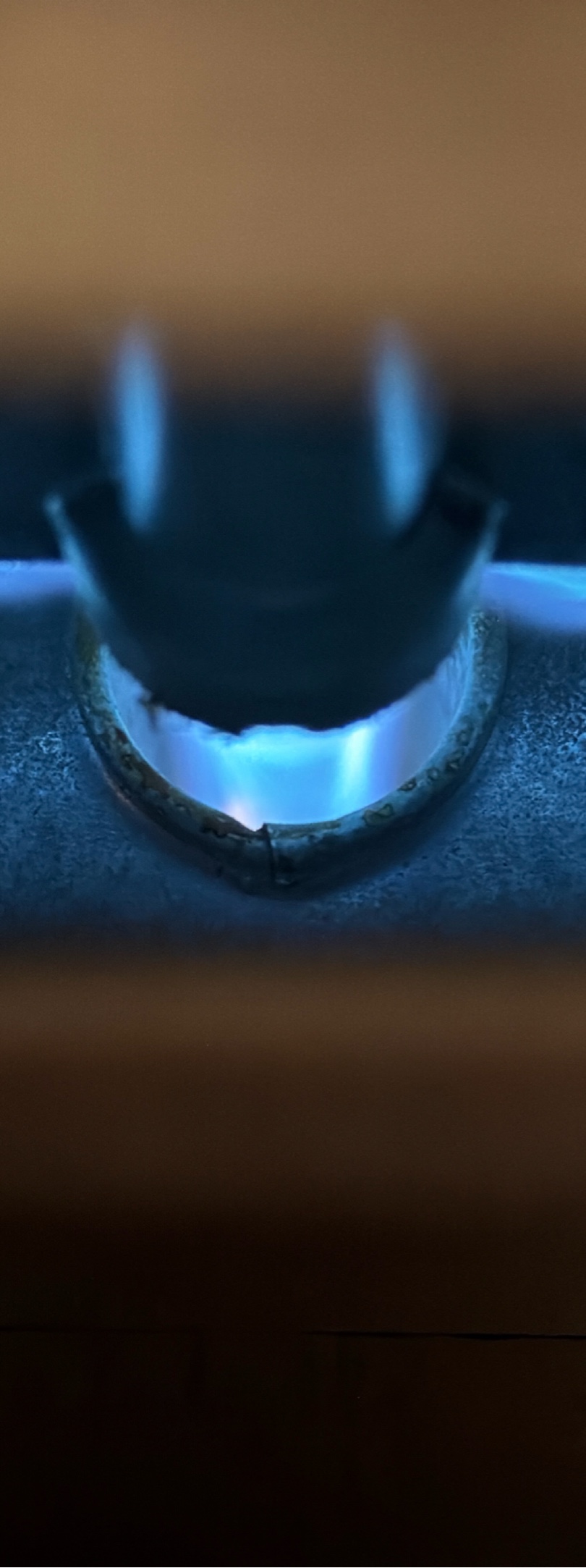
Heating Unit Data Plate
Unit detail(s). See also Insurance Section. Undetermined: Results unclear due to conditions or limitations. Further review may be needed to confirm the situation.. Not Inspected
|
|
|
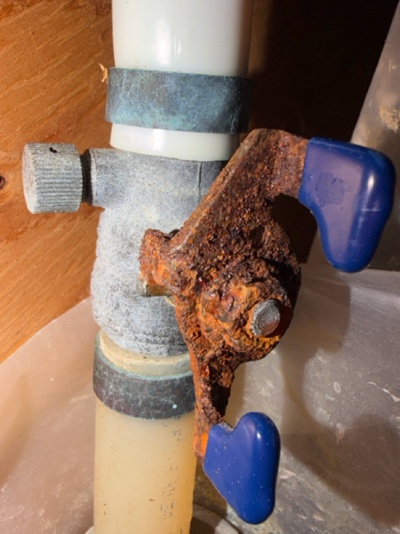
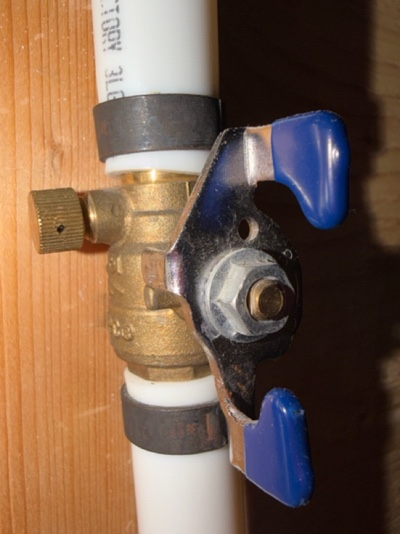
Water Main Shutoff ⠀
Assessing valve operation & signs of leakage, corrosion, or damage. See also Insurance Section.
|
|
|
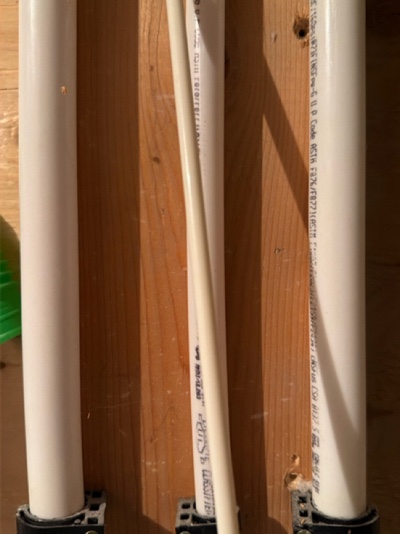
Plumbing Waterlines
Inspected for support, connections, leaks & visible corrosion or damage. See also Insurance Section.
Ext. Water Shutoff(s)
Observed for accessibility, labels, valve operation, connection condition & leakage indicators.
|
|
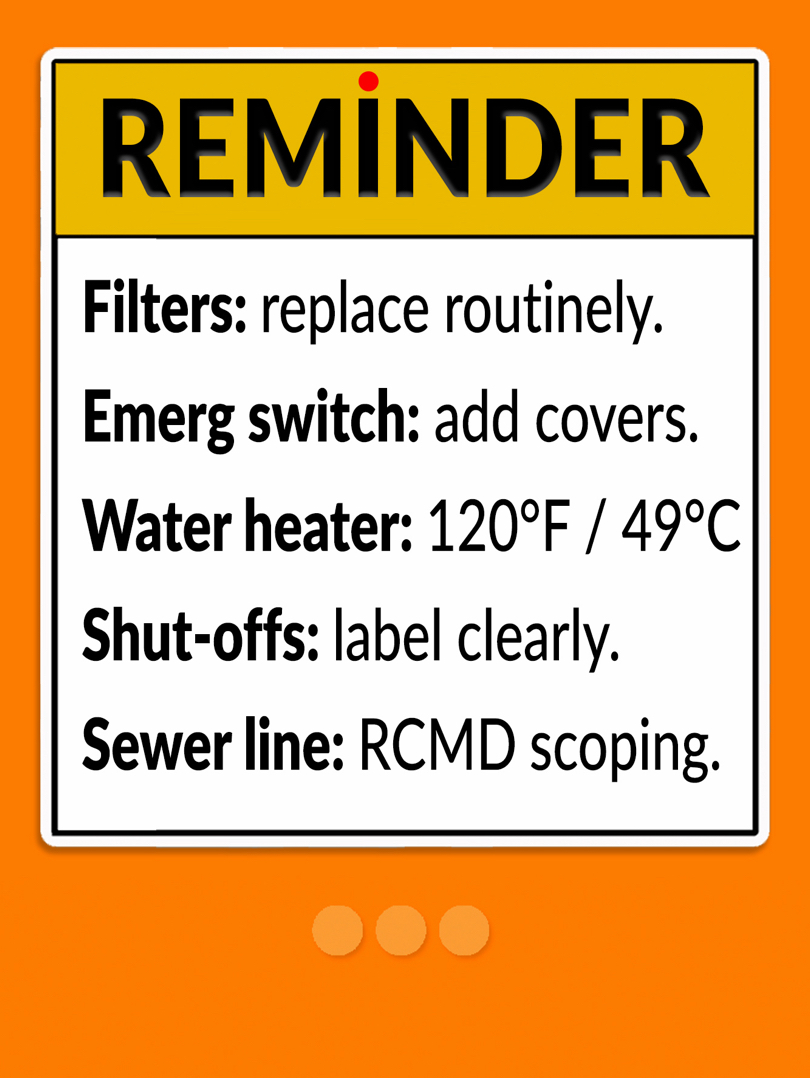
Maintenance Advisory
Mechanical systems require routine homeowner maintenance and periodic observation for safe operation. This includes replacing heating system filters as recommended, keeping drains and condensate lines clear of debris, and periodically having sewer lines evaluated by a qualified contractor. Safety measures include maintaining domestic hot water at a safe temperature and installing locking or spring-loaded cover plates on critical controls to prevent accidental shutoff. Occupants should be familiar with all system shutoffs and label them clearly. Mechanical rooms should not be used for storage due to required clearance to combustibles. Homeowners should periodically check the mechanical room for calcification, minor leaks, corrosion, or unusual odors that may indicate developing issues.
|
|
|
2. Filters: Replace HVAC & appliance filters routinely as part of normal upkeep. 3. Clearance: Keep mechanical areas clear to allow safe access & proper airflow. 4. Drain: Maintain & clean drains to help prevent blockages & backups. 5. Emergency Shut-Offs: Label shut-offs clearly & familiarize occupants 6. Flood Ready: Leak detection or smart water monitoring devices recommended. 7. Records: Obtain maintenance records, permits & transferable warranties. 8. Note Scope: Low-voltage systems are excluded due to SOP limitations. 9. Water softener system is outside the scope of this inspection. Salt level is low. 10. Foil tape at duct connections is poorly installed in several locations. 11. Minor rust was noted at the furnace inducer motor. 12. Humidifier solenoid appears defective. 13. Central vacuum system is rough-in only and outside the scope of this inspection. 14. Backflow preventer was noted in the mechanical room. 15. Minor slab cracks were noted in the mechanical room floor, consistent with typical shrinkage, expansion, and contraction. 16. Irrigation is outside the scope of this inspection. Please have sellers leave behind Manuel. 17. POOR Radon Rough-in |
|
|
|
|
Suite / Property Focus
Overview
|
|
|
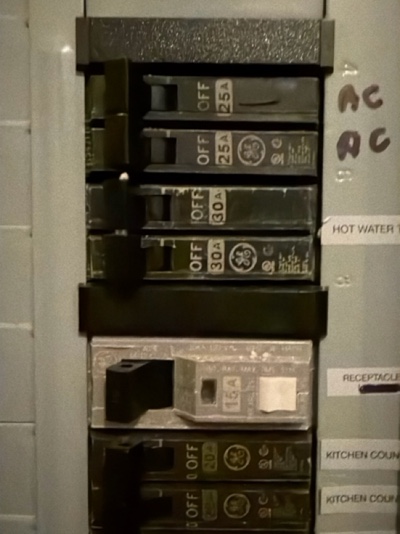
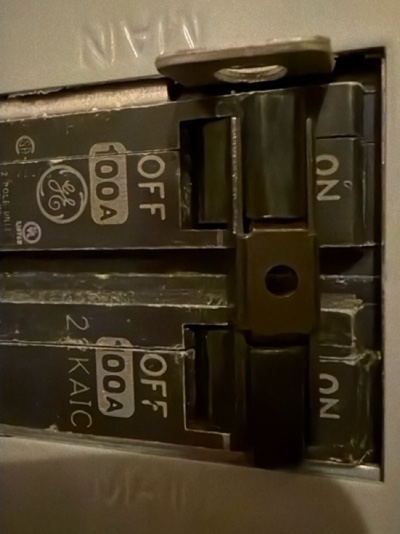
Electrical - Panel(s)
Assessing breakers, wires, bond, 30" clearance, corrosion & damage. See also Insurance Section.
The Breakers
Generally, this will shut down everything! Designed to interrupt a large amperage load.
|
|
|
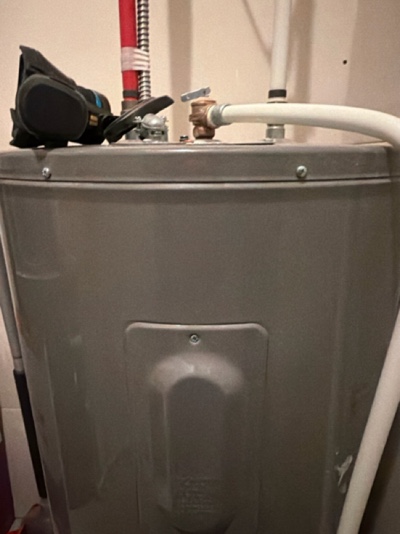
Hot Water Unit(s) ⠀
Attention was given to unit mounting, venting, safety components, temperature controls & visbile operation.
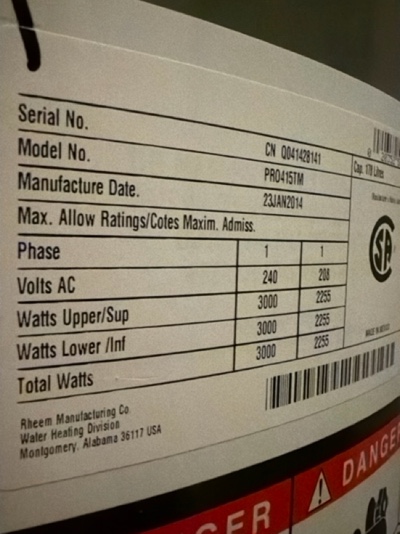
General Data Plate
Unit detail(s). Missing / Not Installed: Item was fully absent or not installed where typically expected during a standard inspection.. Not Inspected
|
|
|
General Data Plate
Unit detail(s).
|
|
|
|
|
Stairs / Stringer / Sttucture
|
|
|
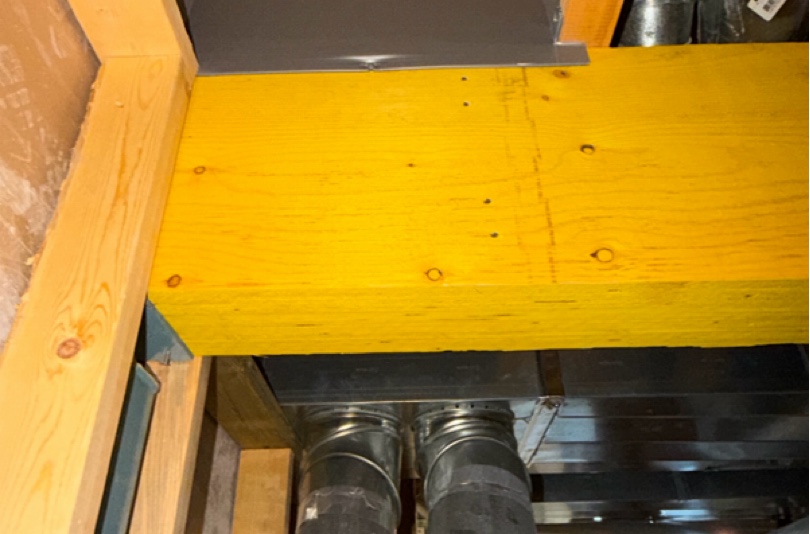
Telepost / LVL Beam
|
|
|
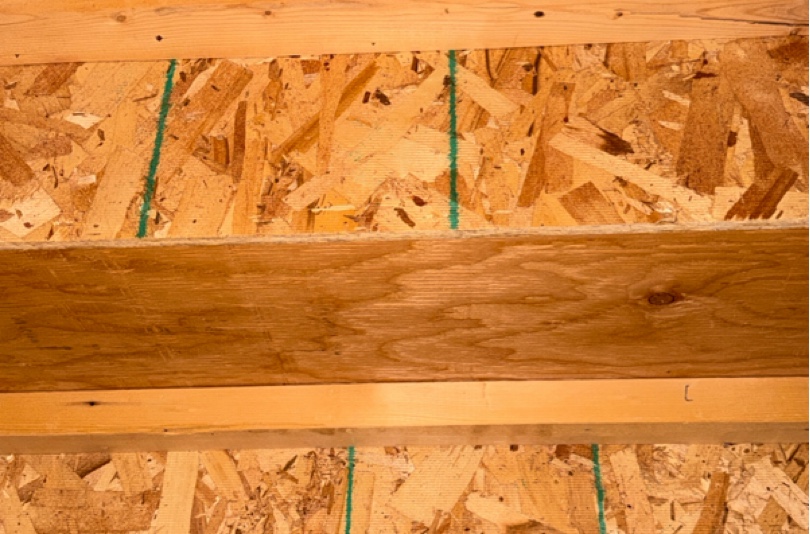
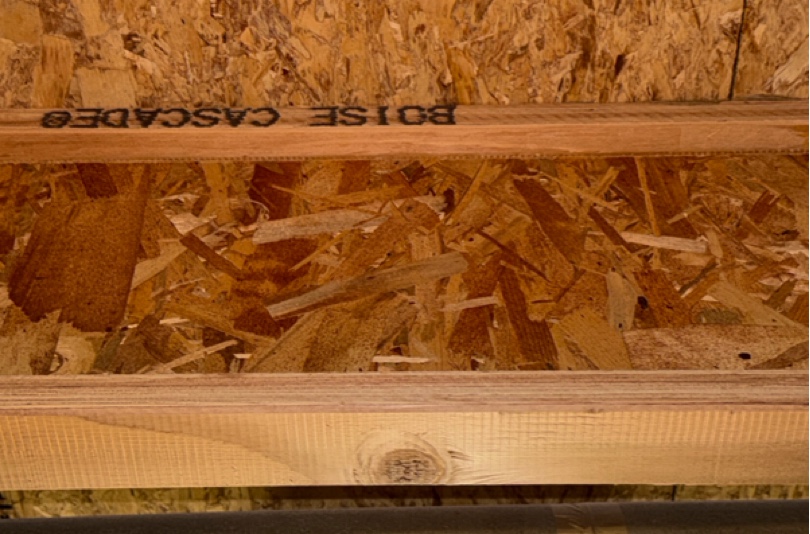
TJI Engineered Joist System
|
|
|
The Mechanical Baseline
𝗠𝗲𝗰𝗵𝗮𝗻𝗶𝗰𝗮𝗹 – 𝗔𝗿𝗲𝗮𝘀 𝗜𝗻𝘀𝗽𝗲𝗰𝘁𝗲𝗱Mechanical components and systems are reviewed for presence, general condition, visible damage, and basic operation where applicable. This includes commonly accessible heating, cooling, and ventilation equipment, water heating equipment, visible piping and ductwork, pumps, valves, and associated controls. Supporting components and other mechanical features typically found within the home are also visually reviewed where present. 𝗦𝘁𝗿𝘂𝗰𝘁𝘂𝗿𝗲 – 𝗔𝗿𝗲𝗮𝘀 𝗜𝗻𝘀𝗽𝗲𝗰𝘁𝗲𝗱 Structural components are reviewed for presence, general condition, and visible signs of damage or movement where applicable. This includes commonly accessible foundation surfaces, framing elements, beams, posts, columns, load-bearing walls, and other visible structural features. The review focuses on observable conditions within accessible areas and does not include engineering analysis or invasive evaluation. |
|
insurance
| Safety Overview | |
| Site Limitations | ⚠️ Visibility - Access - Height (RAIN) |
| Inspection Type | ◻️ Pre-Purchase Inspection (non-exhaustive) |
| Property Vacancy | ◻️ Occupied & Furnished (restrictive) |
| Smoke & CO | ⚠️ Not Verified: Unable to confirm funct EXPIRE?? |
| Egress Windows | ◻️ Location: All Bedroom(s): Present |
| Stairs & Handholds | ◻️ Structure: Functioning as Intended |
| Roof System | |
| Method of Inspection | ◻️ Ladder at edge & drone |
| Roofing Surface | ◻️ Material: Asphalt - Age; Unknown |
| Drainage Path | ◻️ System: Trough & Downspouts |
| Ventilation System | ⚠️ Box Vent(s) - Soffit (front gable missing box) |
| Exterior Overview | |
| Cooling Type(s) | ⚠️ Location: Sideyard - Temp: Not Tested |
| Main Fuel Shutoff | ◻️ Location: Side Yard & SUITE |
| Envelope Cladding | ◻️ Material: Fiber Cement & Stone |
| Steps & Guards | ◻️ Materials: Wood Stairs & Wood Railing |
| Barriers & Walls | ◻️ Material: Wood (fence) |
| Grade & Ground Cover | ◻️ Terrain: Uneven - Vegitation (RISK) |
| Hardscape Surfaces | ⚠️ Material: Paths: Con - Drive: Con -Minor Cracks |
| Garage Systems | |
| Fire Seperation | ⚠️ Minor Gaps: Small openings noted |
| Safety Auto Reverse | ◻️ Status: Functioning as intended |
| Heating Equipment | ◻️ Unit: Not Present |
| Attic System | |
| Hatch & Insulation | ◻️ Location: Prime Closet - Mat: Blown-In |
| Sheathing & Poly | ◻️ Material: OSB - Vap Barrier: Present (ltd vis) |
insurance
| Interior Overview | |
| Thermostat Location | ◻️ Location: Mulitple Locations: Restored |
| Walls & Ceilings | ⚠️ Material: Drywall-Possible attic rain in suite |
| Flooring Surfaces | ◻️ Material: Hardwood - Tile - Carpet |
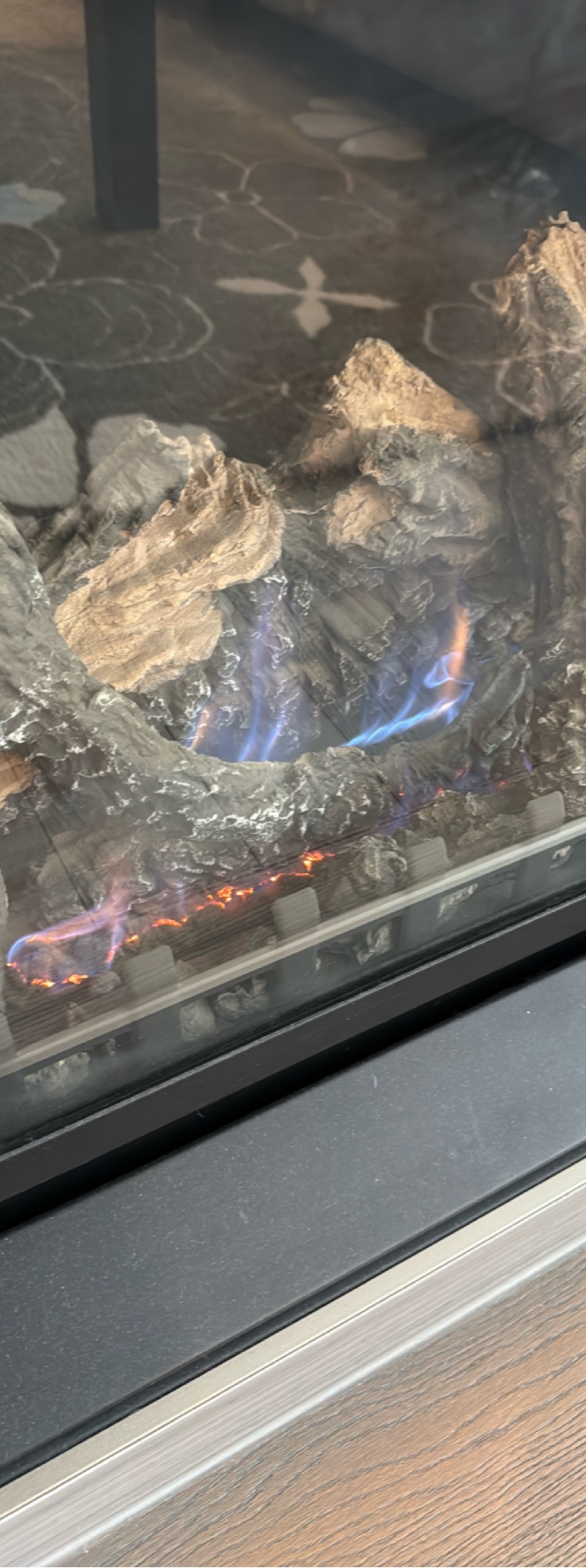
| Other Features | ◻️ Type: X2 NG Fireplace |
| Kitchen & Bathroom | |
| Safety - GFCI’s | ◻️ Location: Kitchen: Present - Bath: Present |
| Ventilation System | ◻️ Type: Range Hood: to EXT. - B-Fan: Present |
| Laundry Specs | ◻️ 220V - Vent: Flex - Water: Rubber |
| Mechanical System | |
| Heating Unit(s) | ◻️ Type: X2 HE Furnace / Forced Air - Age:ORIG |
| Heating Fuel Source | ◻️ Type: Natural Gas - Primary |
| Water Heater Unit | ◻️ Type: Tankless - - Age:2013 & Electric |
| Water Heating Fuel | ◻️ Type: Natural Gas - Primary |
| Plumbing System | ◻️ Public Water: PEX - City Sewer: ABS |
| Water Main Shutoff | ◻️ Location: Mechanical Room |
| Back Flow Valve | ◻️ Installation: Present (RCMD Scope) SMELLS?? |
| Electrical Service | ⚠️ Entry: Underground - Material: Unknown |
| Service Disconnect | ◻️ Location: Not Present (Not in Canada) |
| Main Panel Interior | ◻️ Location: Mech Room - Ground: Unknown |
| Electrical System | ◻️ Service: 200 AMP - Branch: Copper |
| Structure System | |
| Roof Structure | ◻️ Type: Engineered Truss (As ssen from attic) |
| Exterior Wall System | ◻️ Type: Wood Studs 2X6 Exterior |
| Structure System | ◻️ Type: Engineered Joist & Beam |
| Foundation System | ◻️ Type: Poured Concrete (99% Visible) |
| Structural Observ. | ◻️ Notes: Minor settlement (Slab Cracks) |

72 seconds
Positive reviews from awesome customers like you help others to feel confident about choosing our firm & our “to the point” reporting methodology.
We’d so appreciate if you could take 72 seconds to click on our logo below and share your happy experience.
Much Appreciated